

Using Plastic Sheeting Directly on Plants
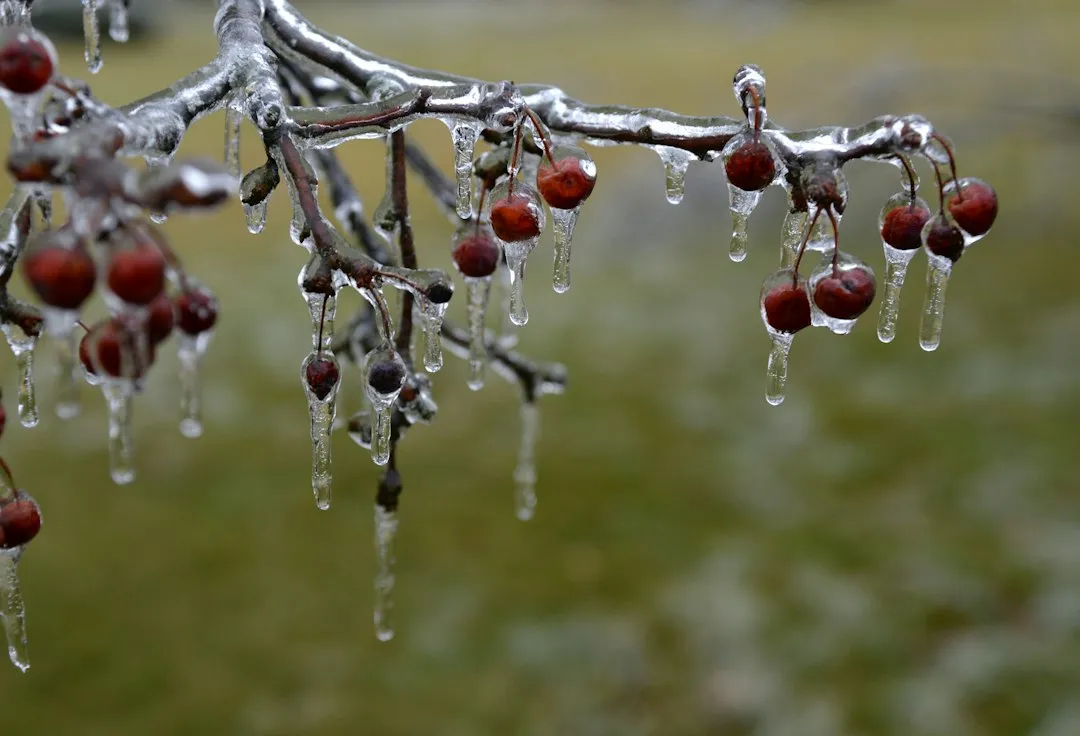
Of all the errors gardeners make when protecting plants from frost, reaching for plastic sheeting is arguably the most common and the most damaging. Covering plants with plastic sheeting is one of the most damaging frost-protection mistakes, because plastic traps moisture against plant tissue and, wherever it touches a leaf or stem directly, it causes freeze burn that looks exactly like frost damage. The physics are straightforward: plastic has no breathability and conducts cold directly to whatever it contacts.
Always use frost cloth designed for covering plants. Other products made of plastic can actually transmit cold to the leaves and cause more damage. This distinction matters because the damage from plastic looks identical to natural frost injury, making it easy to misdiagnose what went wrong. Plastic sheeting traps moisture and causes rot. That rot can set in even when overnight temperatures never technically dropped to freezing.
Letting the Fabric Touch the Foliage
Where the frost cloth touches the plant it can cause a contact burn. For best results there needs to be a slight gap between the plant and the material. This happens more often than gardeners expect, especially with irregular or bushy plants where the fabric naturally sags into the canopy. Even purpose-built frost cloth, the right material used for the right reason, becomes a liability when it rests directly on leaves during a hard freeze.
In direct sun, temperatures under a frost blanket can rise 30 to 50 degrees Fahrenheit above outdoor conditions. If crops under a frost blanket reach 50 degrees Fahrenheit and the foliage touches the fabric, the plants can scorch. The solution is simple: use wire hoops, PVC frames, or even bamboo stakes to keep the material lifted. Wire or PVC hoops can help secure frost cloth and keep the cloth from damaging sensitive plant stems and leaves.
Covering Plants Too Late in the Evening

Timing matters more than most gardeners realize. Apply the cloth before dusk to ensure time to capture radiant heat. The entire mechanism behind frost cloth protection depends on trapping warmth that radiates upward from the soil. If you wait until temperatures are already dropping sharply, much of that stored ground heat has already escaped into the night sky.
Install the blanket before sunset, draping it loosely over plants two to three hours before temperatures drop. That two-to-three-hour window is the critical buffer. Covering at midnight, which many gardeners do when they check a weather alert on their phone, defeats a significant portion of the blanket’s protective value. The soil warmth you needed to trap is already gone.
Leaving the Cover on Through the Day
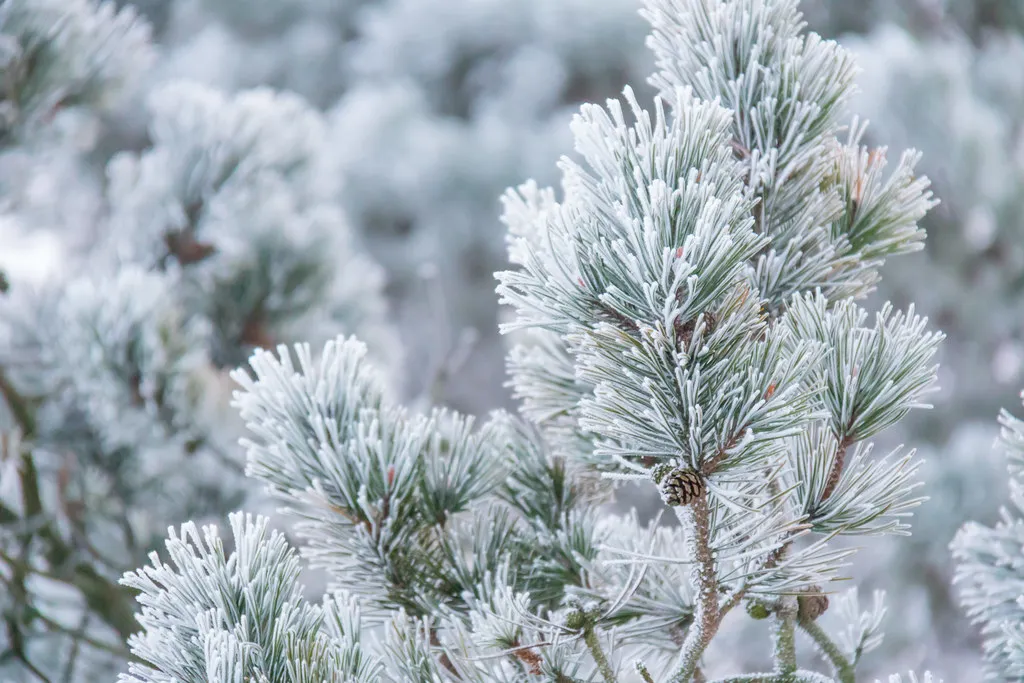
Removing the frost blanket in the morning is not optional. It is vital that you remove the blanket when temperatures rise above 50 degrees Fahrenheit, as it can trap too much heat and stress plants. This is one of the most overlooked steps in frost protection, often because gardeners assume the blanket is still doing useful work or because another frost is forecast that same night.
If you use sheets or blankets, remove the coverings every morning when the temperature under the covering warms to 50 degrees Fahrenheit. Even if the temperature under the drape does not warm up enough to “cook” the plant, it is likely to warm up enough to cause the plant to break dormancy, begin actively growing, and thus become more susceptible to frost damage. That cycle of premature new growth followed by re-exposure to cold is one of the subtler but more serious long-term consequences of leaving covers in place.
Using Bedsheets and Household Fabrics
Old bedsheets are a garden tradition, but they come with real limitations. Bedsheets lack the engineered breathability of commercial frost blankets. They trap moisture against plants, increasing frost damage risk by 40 percent according to University of California Cooperative Extension trials. The weight is also a concern. Some people use blankets, sheets, or towels to cover plants, but these items are heavy and can break branches. They are difficult to secure on the plant and will also transmit cold to the plants if they become wet.
A wet sheet on a cold night can become a genuine hazard. The moisture it holds actually increases thermal conductivity, drawing heat away from the plant rather than holding it in. The best fabric to cover plants is specially designed frost fabric, marketed as frost cover, frost blanket, or frost fabric. Commercially made options are specifically engineered to breathe, resist moisture buildup, and remain lightweight enough not to crush delicate growth.
Expecting the Blanket to Work in a Hard Freeze
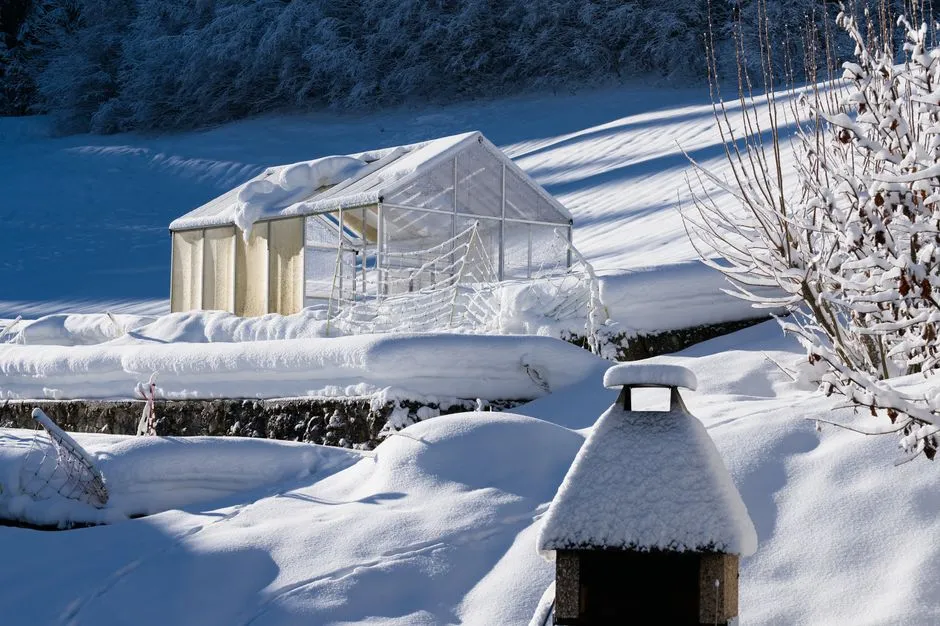
For extended freezes below 25 degrees Fahrenheit, blankets alone will not prevent ice damage. You need to combine them with additional heat sources. This surprises many gardeners who assume that a thicker or heavier blanket will simply compensate for more extreme cold. The physics do not work that way. Frost cloth works by slowing heat loss, not by generating heat.
What surprises most gardeners is where the real damage threshold sits. According to NC State Extension, frost conditions can result in damage to warm-season plants at temperatures from 31 to 33 degrees Fahrenheit. For temperatures well below that range, combine blankets with heat sources like string lights or water jugs, or move potted plants indoors. Treating a hard freeze like a light frost is one of the most costly assumptions a gardener can make.
Failing to Seal the Edges to the Ground

A frost blanket that flaps open at the base provides far less protection than most gardeners expect. Most importantly, the cloth must touch the ground at all points to be effective, as it works by trapping heat that radiates from the soil and increases the humidity around the plant. Even a small gap along one edge creates a channel where cold air can flow in and displace the warm air the blanket was meant to hold.
It is important that the frost blanket is large enough to cover all the way to the ground. Gardeners who buy covers that are too small often compensate by pulling the fabric taut, which then presses it directly onto foliage. One of the biggest mistakes gardeners make is not buying a large enough size. It is much better to have the frost blanket be too big than too small. Oversizing is one of the simplest and cheapest upgrades a gardener can make.
Removing the Cover Too Quickly in the Morning

There is a counterintuitive danger on the morning side of a frost event. Do not remove frost cloth too early, as quick thawing can actually cause the most severe damage. When ice crystals that have formed in or on plant tissue thaw too rapidly, the damage to cell walls can be significantly worse than if the plant warmed gradually. The FAO’s guidance on frost physiology supports this concern: the rate of thawing after a freeze is partially related to the amount of damage. Citrus growers in southern California commonly believe that slowing the warming process after a freeze night can reduce frost damage.
The practical advice from extension services is consistent on this point. In the morning, remove the cloth once air temperatures reach about 50 to 60 degrees Fahrenheit. That guidance threads the needle between leaving the cover on too long and pulling it off too early. Both errors carry consequences, just different ones.
Using Too Heavy a Blanket and Blocking Light
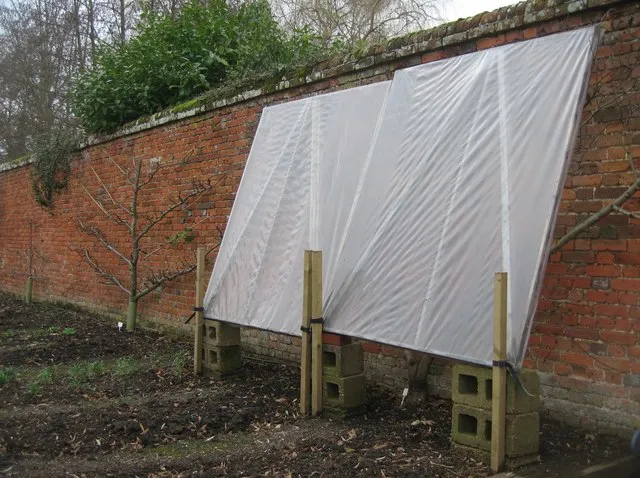
Heavier frost blankets are not suitable for general plant protection, as they restrict too much light and airflow, which can stress plants. A heavier cover might seem like stronger protection, but it creates its own set of problems around photosynthesis and ventilation. Heavier fabrics can block sunlight, so prolonged coverage may limit photosynthesis if left in place too long. For plants already under cold stress, reduced photosynthesis adds one more burden on an already strained system.
Heavy frost blankets weighing 1.5 to 2.0 ounces per square yard or more can shield plants down to 20 degrees Fahrenheit, but they block roughly half of available light. Remove them on sunny days. Matching blanket weight to the actual forecast temperature is a practical habit that most gardeners skip. Grabbing whatever is on hand feels expedient, but the wrong weight can underprotect in extreme cold or overheat and suffocate plants on a milder night.
Not Accounting for Snow Accumulation

A frost blanket becomes a different object entirely once snow starts piling on top of it. Row hoops help prevent damage to plants. Excess snow will weigh the blanket down and cause it to fall onto your plants, squishing delicate seedlings and breaking stems on larger plants. This is a failure mode that catches gardeners off guard because the blanket appears to be in place and doing its job right up until the moment it collapses.
Leaving frost blankets on too long can create a humid environment that leads to mold and mildew growth. Snow adds moisture load on top of weight. Even a lightweight frost cloth that would normally be safe in contact with foliage can trap damaging levels of moisture when soaked by snowmelt and then refrozen overnight. Using hoop structures under any blanket in snow-prone climates is not just helpful but genuinely necessary for the cover to function as intended.
The Real Lesson Here
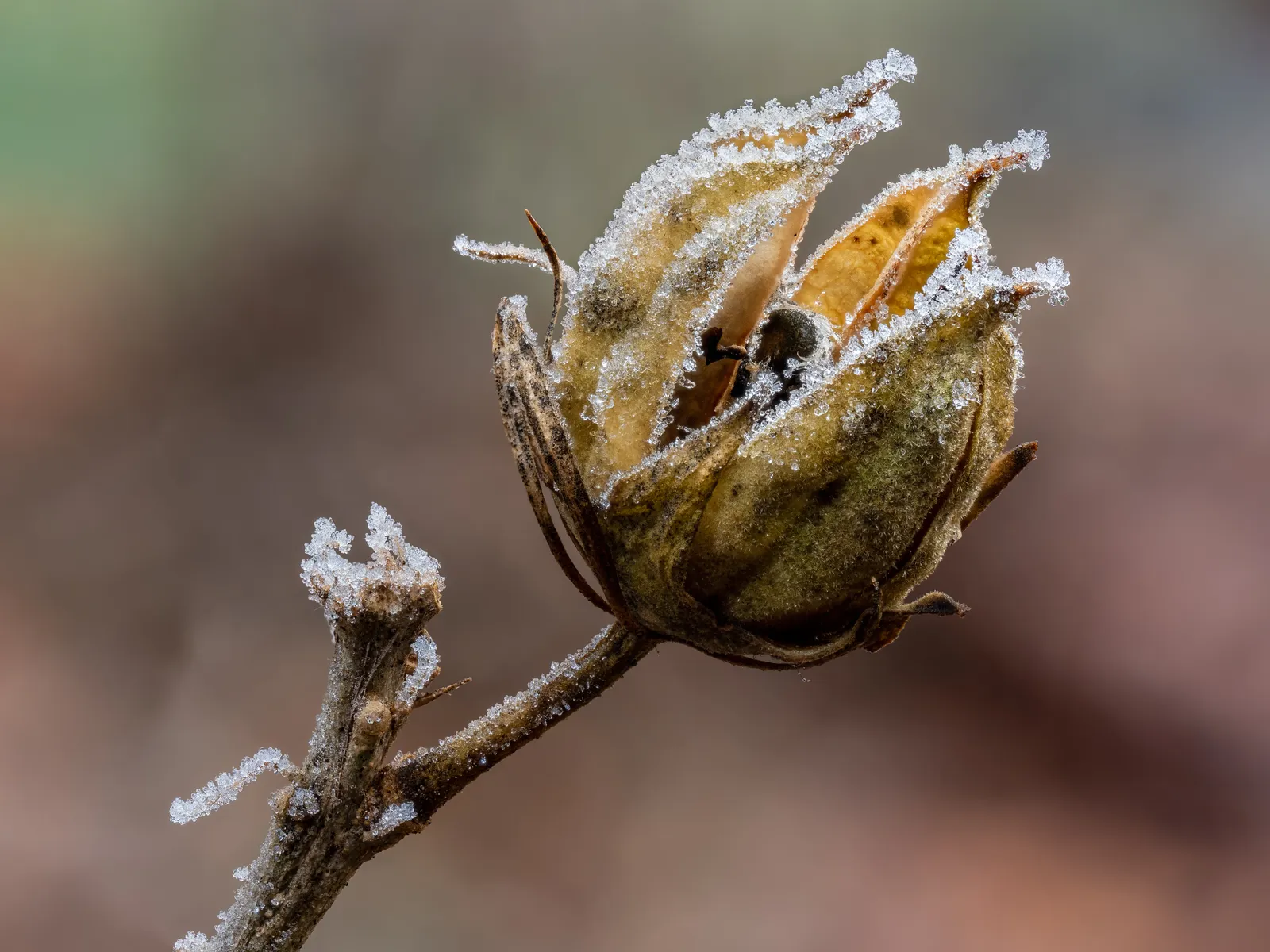
Frost blankets are genuinely effective tools. The research and extension guidance from institutions including NC State, University of California, and the University of Arizona all support their use for light to moderate frost events. The damage gardeners attribute to frost is sometimes damage they inadvertently caused themselves, through wrong materials, poor timing, missing supports, or gaps at the edges.
None of these mistakes are complicated to fix. Most of them cost nothing beyond a bit of attention. The gap between a frost blanket that saves a garden and one that quietly ruins it often comes down to a few small decisions made in the hour before dark. Getting those right consistently is what separates gardeners who walk out to healthy plants in the morning from those who wonder what went wrong.
AI Disclaimer: This article was created with the assistance of AI tools and reviewed by a human editor.