
Growing tomatoes in your front yard sounds like the most harmless thing in the world. Across America, though, it has been the subject of court battles, daily fines, legislative campaigns, and enough neighborhood conflict to fill a local news cycle for years. What started as a quietly enforced aesthetic rule has become a genuine flashpoint in the broader conversation about property rights, food security, and who actually gets to decide what happens on your own land.
The story of front-yard vegetable gardens is, in many ways, a small mirror of how American cities think about food, appearance, and conformity, and how those priorities are slowly being renegotiated.
How the Bans Got There in the First Place
These rules began appearing in zoning codes as early as the mid-20th century, when residential areas were designed around uniform appearance rather than food production. The postwar suburban ideal was a clipped, green lawn visible from the street, a signal of prosperity and order rather than utility. The neatly manicured yard has long been a status symbol; lawns first appeared in the 1700s on European estates, whose owners could afford to have high-maintenance living carpets.
A lot of rural land was developed into suburban municipalities, and the zoning code was changed to prohibit agricultural uses because people didn’t want a pig farm to move in. Vegetable beds got caught up in that same broad brush. The intent may have been reasonable at scale, but the practical effect was to treat a row of kale like a hazard.
The Mechanics of the Ban: How Cities Actually Enforced It
Cities don’t typically outlaw vegetables outright. Instead, they enforce zoning ordinances and property maintenance codes that regulate how front yards must look and function. Many local laws require front yards to maintain “ornamental” landscaping or restrict the types of plants allowed in certain zones.
Officials often justified those rules by arguing that consistent landscaping protects property values and preserves neighborhood character. The conflict becomes real when someone replaces a manicured lawn with raised beds, trellises, or rows of lettuce. If local code defines front yard landscaping as decorative rather than agricultural, inspectors may issue a violation. In short, the vegetable garden wasn’t illegal by name. It was just incompatible with language that was never written with food in mind.
The Miami Shores Case That Changed Everything

Hermine Ricketts and her husband Tom Carroll had been raising vegetables in their front yard for more than fifteen years. The couple had a host of vegetables growing there, including arugula, cabbage, kale, and onions, when the city changed the code. Days later, a city code enforcement officer showed up at their home and ordered them to rip up their garden or face fines of $50 per day.
Hermine Ricketts and Tom Carroll sued the village, and in November 2017, an appeals court upheld a ruling that the couple does not have a constitutional right to grow vegetables in their front yard. They appealed the ruling to the Florida Supreme Court, which declined to grant review. The legal avenue was closed. The legislative one, however, was still open.
Florida Fights Back: A Statewide Legislative Win
A bill that would prevent local governments from regulating homeowners’ vegetable gardens moved to the Florida House floor. The State Affairs Committee, in a 20-3 vote, backed the proposal which stems from the legal dispute in which the Miami Shores couple fought an ordinance that banned front-yard vegetable gardens.
The homeowners held a ceremonial replanting of vegetables in their front yard as legislation to allow such gardens statewide went into effect July 1, following their long court battle to challenge the Village of Miami Shores’ prohibition on front yard gardens. It was a relatively quiet legal win that carried symbolic weight well beyond Florida’s borders.
Illinois and the Rise of “Right to Garden” Laws
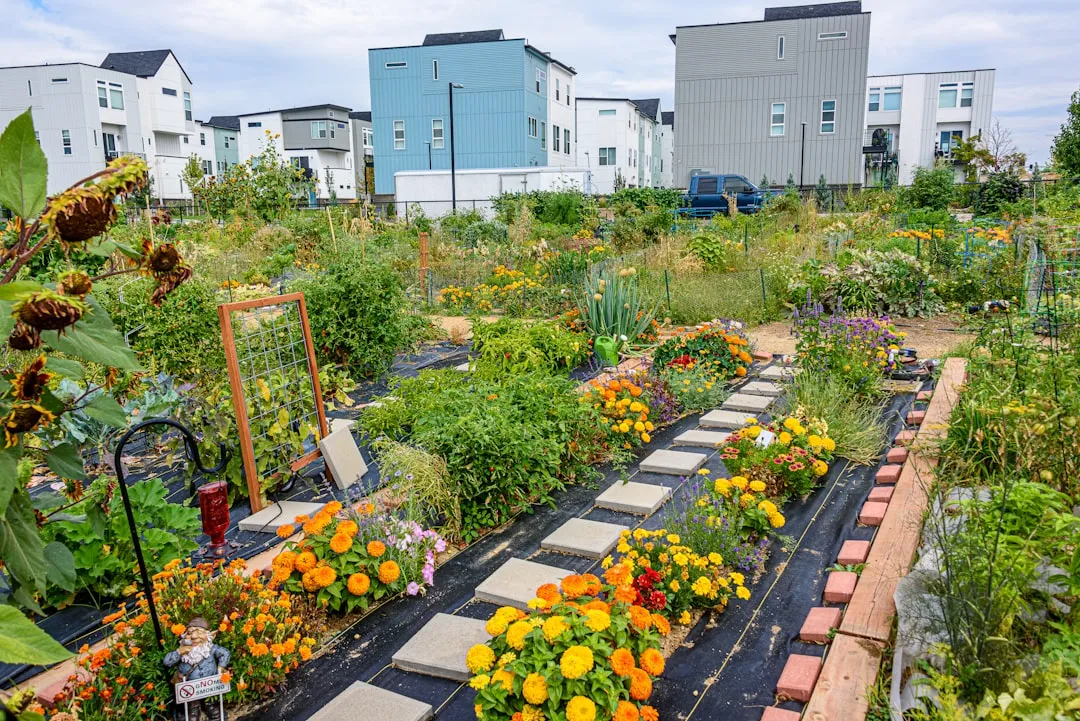
The Illinois Garden Act, also known as a “right to garden” law, protects the right to grow sustainable produce gardens on residential properties for personal consumption, regardless of any other laws. Illinois became one of the first states to adopt this kind of preemptive protection, setting a model other states have watched closely.
A growing “Right to Garden” movement is pushing for state-level preemption laws to establish ground-level food cultivation as a protected property right, overriding localized aesthetic bans while leaving municipal safety authority intact. The framing matters here: this isn’t about abolishing all local oversight, it’s about drawing a clearer line between safety and aesthetics.
How Many States Now Offer Legal Protections
Some states, like California, have explicit laws protecting your right to grow food at home. Others, like Texas, attempted to pass garden-protection bills in 2025 but failed, leaving HOAs with broad authority to ban vegetable gardens entirely. The patchwork nature of American land-use law means that two neighbors living in different states can face radically different legal realities.
With over 40 million Americans living in HOA communities, this is not a niche issue. A growing movement to protect home food production through “right-to-grow” ordinances, state laws limiting HOA bans, and urban-agriculture policies has expanded since the 2010s. By May 2024, several municipalities and states provide explicit protections for vegetable gardens and small-scale backyard agriculture.
The HOA Problem That Laws Haven’t Fully Solved
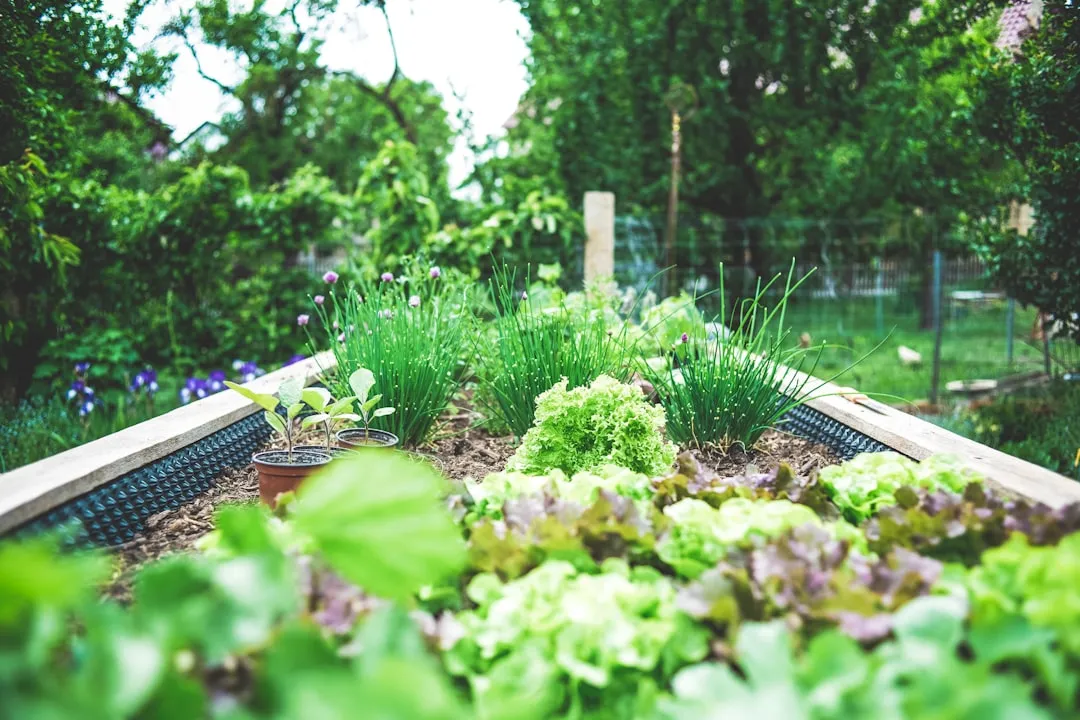
As global food prices fluctuate, residential cultivation has transitioned from a leisurely hobby to a vital tool for home food security. Citizens often encounter restrictive webs of zoning laws and homeowners’ association regulations that penalize residents for replacing traditional turf grass with edible crops or native pollinator plants.
Even where state law is clear, HOAs sometimes push back. Despite state law protecting gardens, a homeowners’ association halted one Illinois homeowner’s project over aesthetic and pest concerns. The user shared confusion over the stalemate with their HOA, especially in light of a new law in their state that allows homeowners to grow produce. The gap between what a law says and how an HOA behaves can be wide, and navigating it takes real effort.
Why So Many Americans Are Growing Food Now
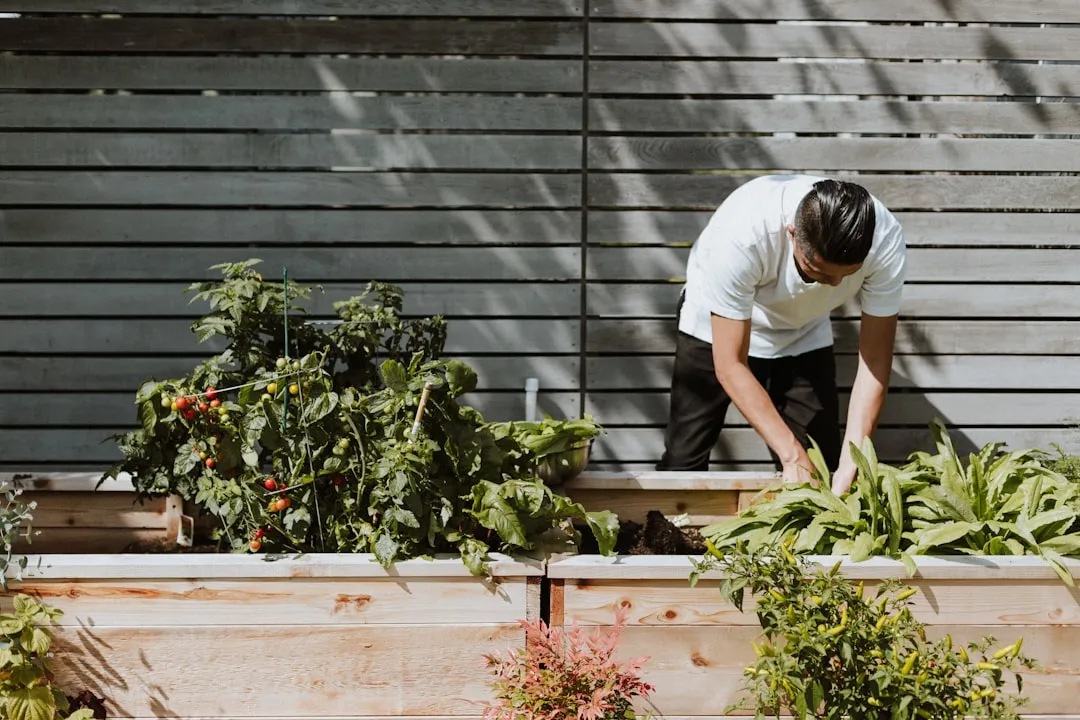
Roughly three in five respondents said they grew a food garden in 2024, estimating they saved about $875 last year. Perhaps those savings inspired the nearly one in three who decided to try growing food for the first time. Food gardens are popular: roughly seven in ten Americans report they are planning on growing a food garden in 2025, with rural Americans leading the way.
Among gardeners planning to grow more in 2026, roughly two in three cite inflation as a key motivation. Growing food at home is no longer just a hobby for a growing number of households; it is a budgeting strategy. When Americans face challenging times, such as food shortages or rising food costs due to inflation, allowing people to grow food on their own property provides a secondary source of healthy food options.
The Property Value Argument: Does a Vegetable Garden Actually Hurt Anyone?
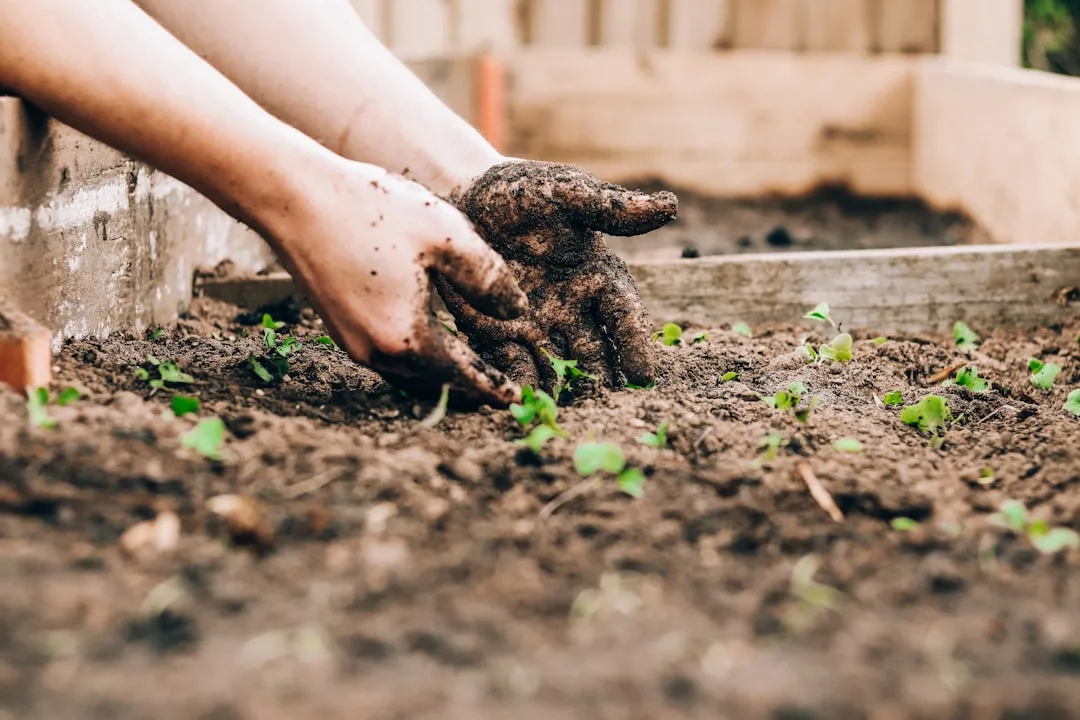
Local governments should be aware that as front yard gardening increases there may be an increase in conflicts with neighbors who find vegetable gardens unsightly or worry about declining property values. That concern has long been the core justification for ornamental-only landscaping rules. The evidence supporting it, however, is thin.
Ordinances allowing communities to grow food in front yards either expressly permit food gardens as a by-right accessory use or exempt agricultural activities from landscaping requirements. Ordinances permitting front yard gardens can set maintenance requirements for gardening and agriculture, such as ensuring pruning, weed removal, and pest control. Well-maintained edible gardens, in other words, don’t require an aesthetic race to the bottom. The argument was never really about tomatoes. It was about control.
What the Shift Looks Like on the Ground in 2026
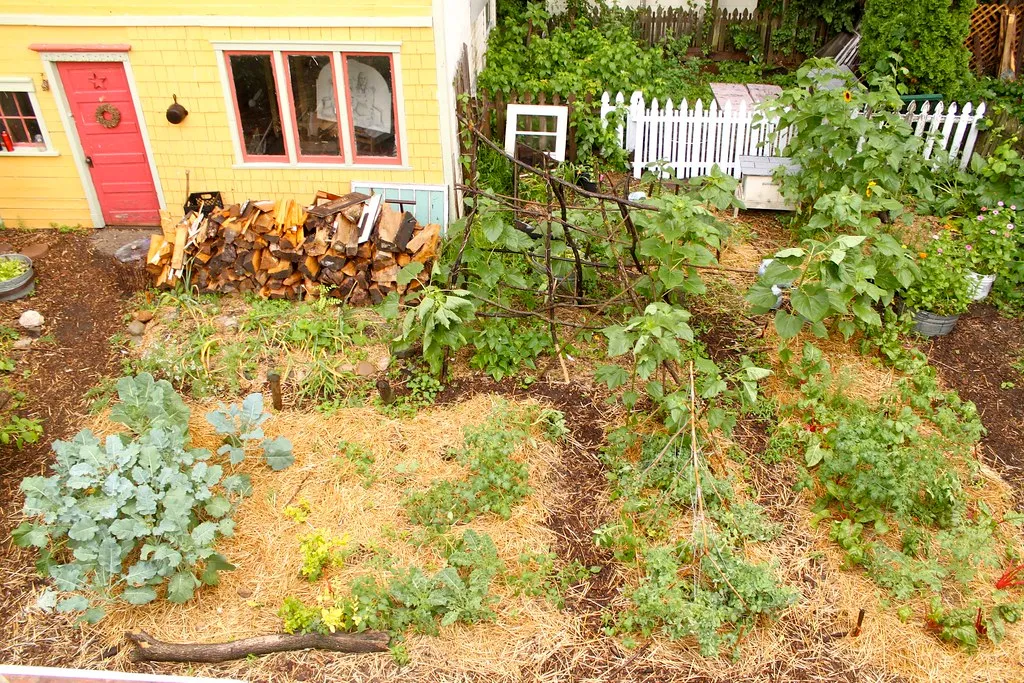
Urban and suburban homeowners are embracing micro-homesteading, creating self-sufficient mini-farms even on small lots. This includes compact vegetable gardens, small-scale composting systems, rainwater collection, and even backyard chickens where permitted. The front yard has become, for a growing slice of the population, the most practical available land.
Fifty-seven percent of Americans say growing their own food saves money, and vegetables deliver the biggest payoff, with roughly three in four reporting grocery savings from vegetables in 2025. That financial reality is reshaping how people think about their yards, and increasingly how cities think about what belongs in them. While some of these laws have been relaxed in recent years, enforcement still exists in many municipalities. The shift is real, but it’s uneven, and staying informed about local codes remains the most practical first step.
The Takeaway
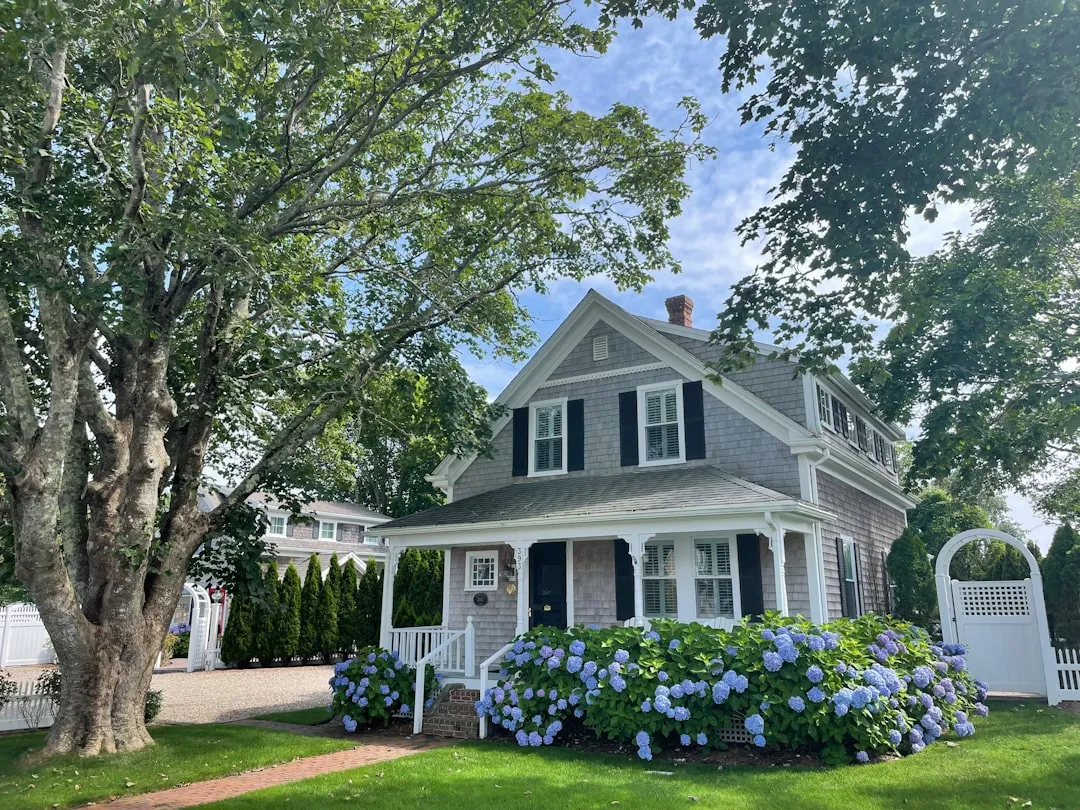
A front-yard vegetable patch is, at its core, a practical decision. Whether it’s about saving money, food security, or simply preferring kale to Kentucky bluegrass, the choice is one more Americans are making, and one more jurisdictions are finally choosing not to fight.
The story of how zoning boards came to ban, then slowly allow, something as ordinary as a tomato plant is really a story about what public space is supposed to look like and who gets to define that. Quietly, garden by garden, that definition is changing. The raised bed in the front yard isn’t a provocation anymore. For many households, it’s just the most sensible use of the space they have.
AI Disclaimer: This article was created with the assistance of AI tools and reviewed by a human editor.