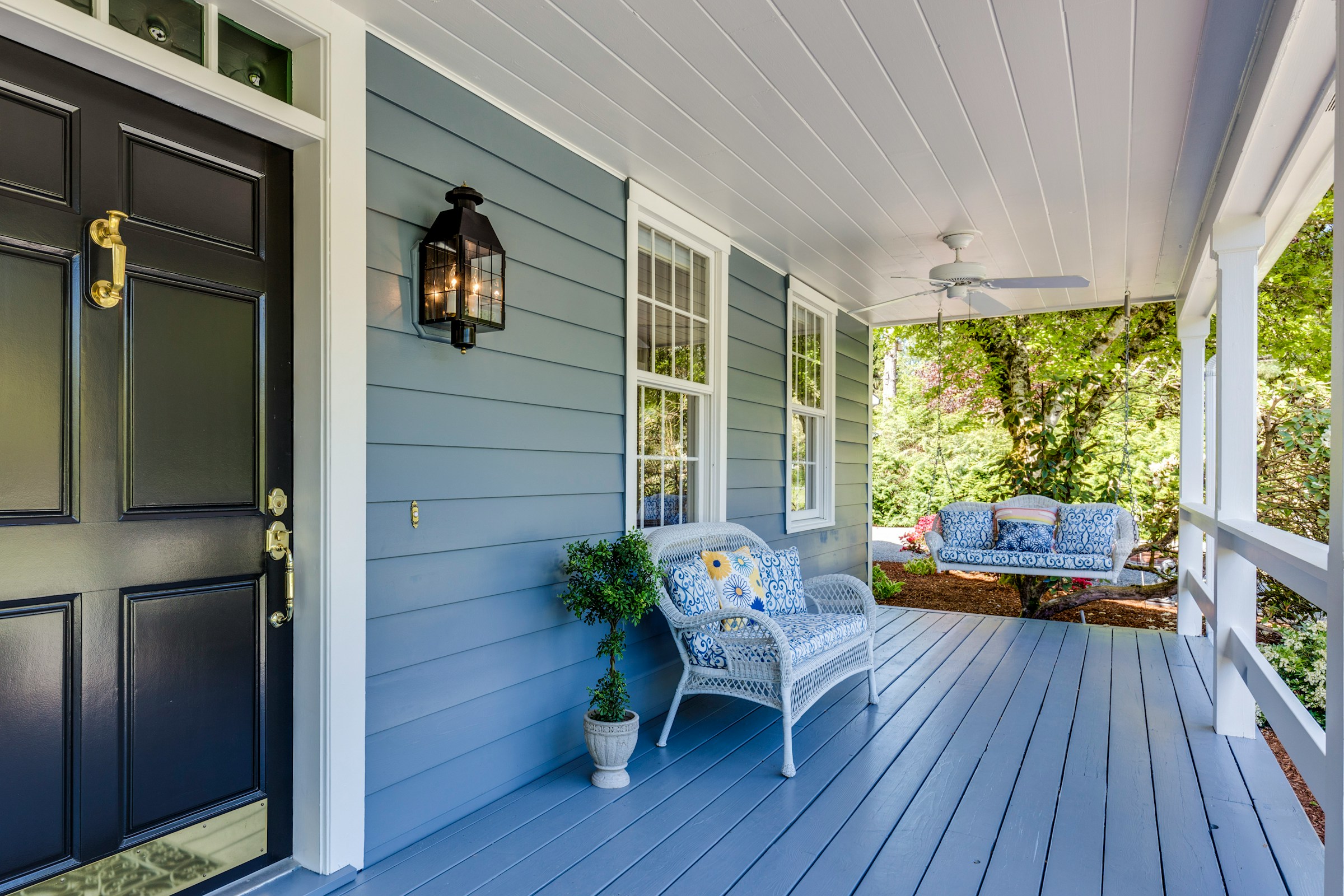

Most people can identify a welcoming neighborhood the moment they walk through it. The feeling isn’t loud or obvious. It’s the chair sitting at the edge of a porch, the cluster of flower pots along a path, the little wooden box of books perched on a post. These small signals accumulate into something meaningful, and researchers are now catching up to what many people have instinctively known for years.
A salve for America’s loneliness epidemic could exist right in front of its homes. That’s a striking idea, but it’s backed by real evidence. What happens in the front yard isn’t just about curb appeal. It’s about the invisible social contract between neighbors, and how ordinary habits quietly communicate whether a street is open to connection or closed to it.
The Lively Yard Effect: What Research Actually Found
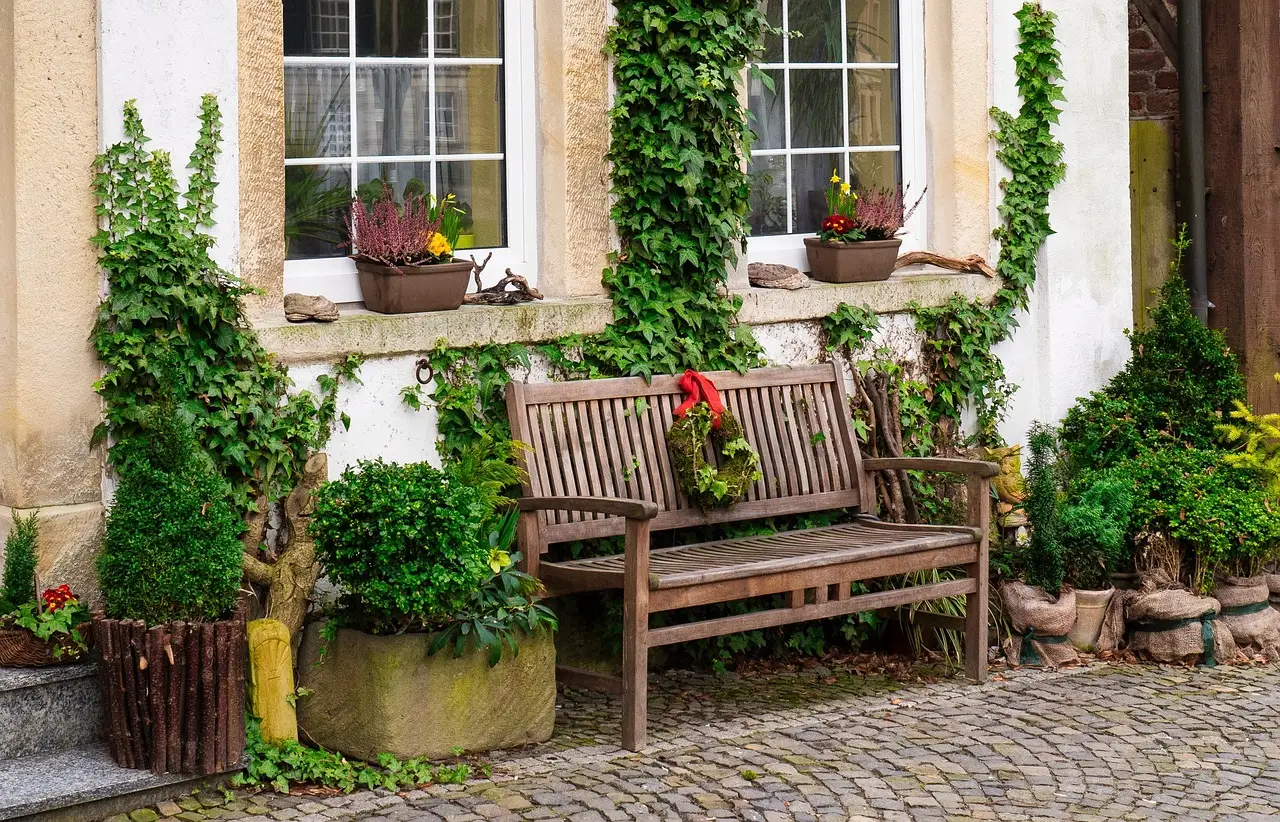
A study of nearly 1,000 front yards in a Buffalo neighborhood found the livelier and more open the front yard, the more content and connected the resident. That study, conducted by researchers at the University at Buffalo and published in 2024, examined Elmwood Village, a neighborhood the American Planning Association once honored as one of America’s great places to live.
The study was part of a larger investigation into the ways American neighborhoods can cultivate a stronger “sense of place,” which refers to the feeling of attachment and belonging one feels to their home, neighborhood, and city. For decades, psychological, geographical, and design research has linked sense of place to happier neighborhood residents and stronger ties among neighbors.
The study concludes that most elements that residents place in their front yard positively influence their sense of place, but that especially elements that afford sociability of the public-private interface have an outsize positive influence. In plain terms: it’s not just about looking nice. It’s about inviting interaction.
Seating Outside: The Single Strongest Signal
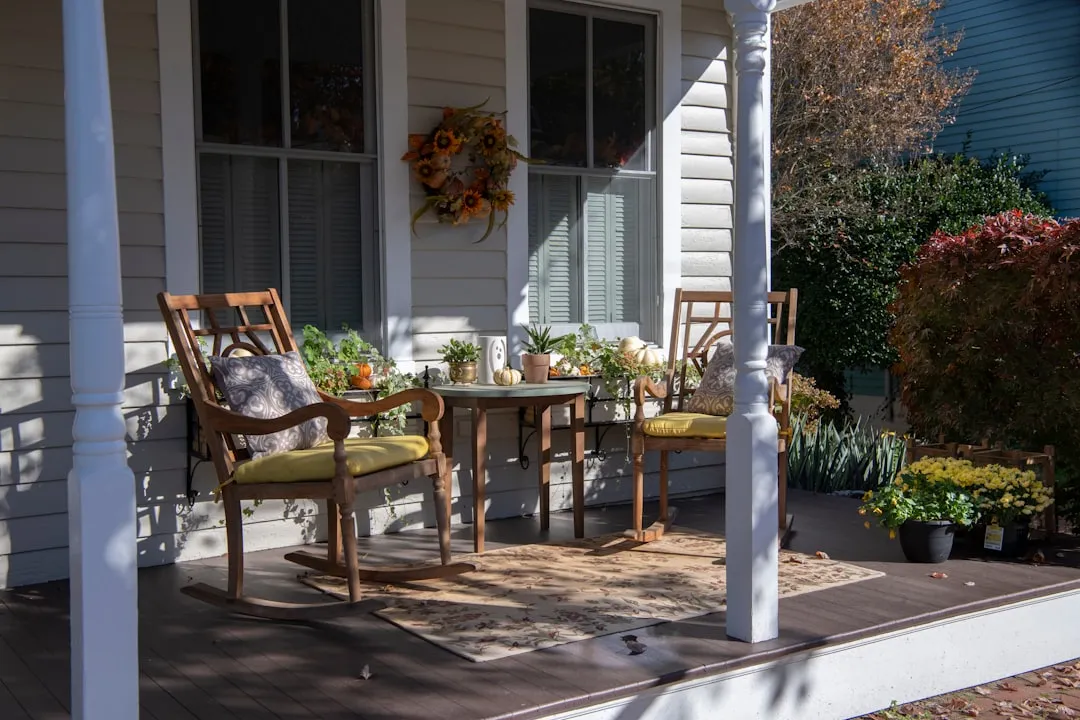
Elements that facilitate socializing, such as a garden chair, a porch, or a bench, strongly boosted residents’ sense of place in every dimension and scale, whether it was their view of their home, their street, or their neighborhood. This was the most consistent finding across the entire Buffalo study. A chair placed visibly outdoors does something a perfectly manicured lawn simply cannot.
While hanging out or working from their yards, residents can easily chat with neighbors. In fact, one study found that more than three out of four new neighborhood contacts are made from the front yard. They’re like bridges to the rest of the neighborhood, where each resident can decide how much they want to express themselves to their neighbors and passersby.
The front porch is the most recognizable form of this habit. Central to a culture of neighborliness, many say, are front porches. Yet over time, these little reasons stacked up until the porch became more of a decorative feature than a living space. Getting back to actually using it changes the dynamic on the whole street.
Why So Many Americans Stopped Going Outside

In the past decade, the frequency of neighborly interactions has plummeted. This withdrawal has been particularly prevalent among young adults, while seniors have remained more consistently in touch with their neighbors.
As Americans spend more of their time online, the neighborhood, once a primary physical location for real-world socialization, is playing less of a central role than ever before. Since the pandemic increased opportunities for remote work and flexible schedules, social interactions among neighbors have fallen. Whether because of social media distractions, travel sports commitments, or the rising use of freelance service providers, Americans rely far less on close neighbors and venture out less often into their communities.
The numbers behind this shift are sobering. Since the 1980s, the share of Americans reporting loneliness has doubled from roughly one in five to two in five. Research now links social isolation to serious health risks, including heart disease, stroke, disrupted sleep, and earlier death. Some studies even compare its impact to smoking 15 cigarettes a day.
Small Objects That Start Big Conversations
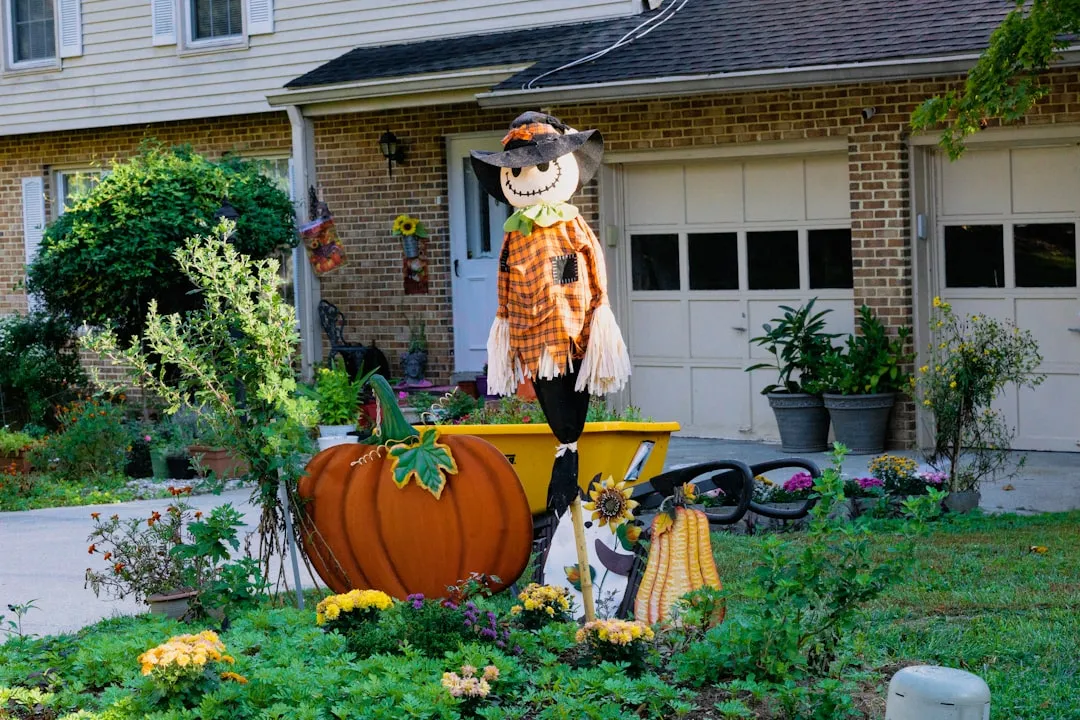
In the precious few feet in front of the home, residents can put their values and interests on display, whether it’s garden gnomes, Little Free Libraries, elaborate gardens, sports allegiances, and political loyalties. These aren’t just decorations. They’re conversation starters.
Even objects as simple as toys or plastic playground gear left out on the front yard seemed to foster a sense of place. This says that homeowners trust that their property won’t get stolen, and parents don’t seem all too concerned about letting their kids play outside with neighborhood friends. Trust and openness expressed through something as casual as a ball left on the grass.
Physical elements and their communicative properties in the front yard create the first steps in affording greater public familiarity and social capital in neighborhoods, which leads to greater residential sense of place and satisfaction. These quiet signals build on each other, house by house, until a street feels like something more than a row of properties.
The Little Free Library as a Neighborhood Anchor
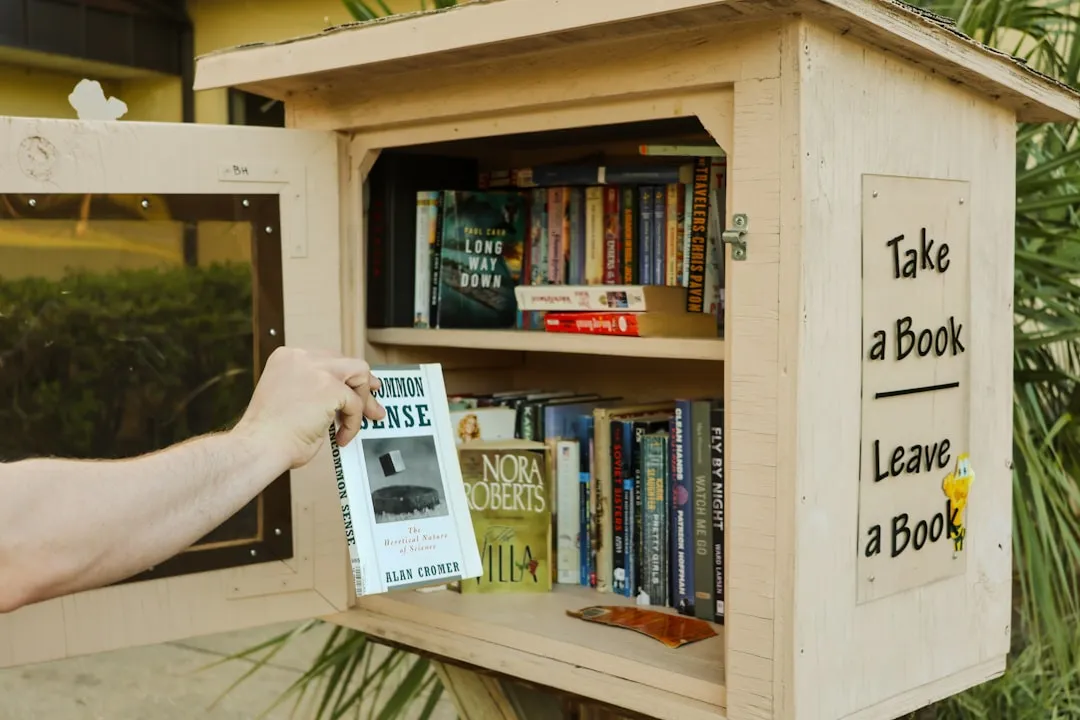
Some sidewalk librarians say they have met more neighbors since having a little library in their front yard: it becomes an invitation for people to connect and bond over books and more. It’s a remarkably low-effort habit with outsized social returns. You install it once and it keeps working.
What’s nice about the little library is that it’s actually a pretty passive way to build community. While you can certainly organize BBQs, block parties, and other neighborly events, with a library, you build it and install it just once, and from there you don’t do a whole lot other than general upkeep.
The little library is a frequent stop-off point for neighbors on walks, parents out for a stroll with their children, and dog walkers. That consistent foot traffic, however minor, is exactly the kind of repeated casual contact that builds the weak social ties researchers say matter most for community belonging.
Flower Pots, Plants, and the Permission They Signal
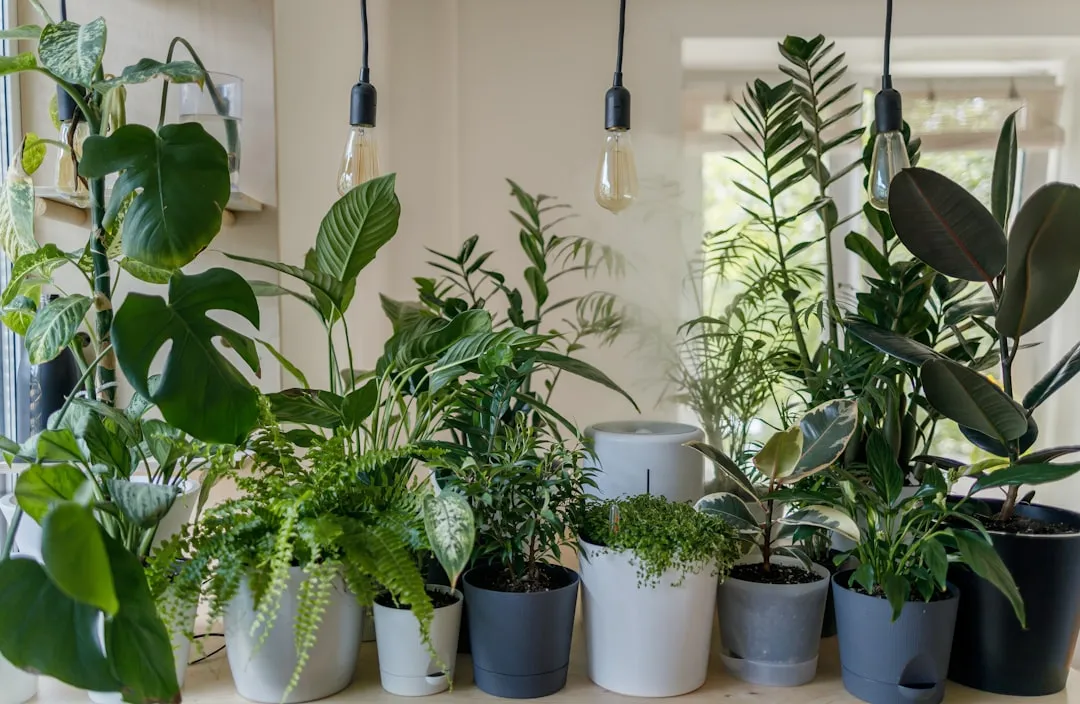
Lush plantings, porches, or trinkets can capture the attention of passersby and spark conversation. This happens more reliably than most people expect. A well-tended bed of flowers or a line of potted plants draws the eye and, subtly, draws people closer to the property line where conversations begin.
Container gardens, planters, potted plants, and mini gardens squeezed into small front yards offer a chance to enjoy beauty and create connections with the natural world. Even in dense urban settings where space is tight, this habit translates. One study of Rotterdam, Netherlands, found that the port city’s residents, even with little to no space in front of their densely built, urban homes, nonetheless embellished their sidewalks with seats and planters.
The plants themselves matter less than the intent they communicate. A visible garden signals care, investment, and presence. It tells passersby that someone here is paying attention to the space they share.
Brief Greetings and the Belonging They Create

Residents who exchanged even brief greetings with neighbors two to three times weekly reported higher belonging scores than those with only monthly contact. That’s a striking finding from research analyzing community belonging data. The threshold for impact is genuinely low. You don’t need deep friendships to feel connected to where you live.
Research shows that contact with one’s neighbors in everyday life has a positive within-person effect on one’s feeling of belonging to a neighborhood. Such contact can affect one’s attachment to the neighborhood, and the converse may also be true: attachment to a neighborhood is important for ensuring active interaction within the social component of that neighborhood.
The front yard is where those brief greetings most naturally happen. Someone watering their plants, checking on a porch chair, or simply standing outside for a few minutes creates exactly the kind of low-stakes encounter that builds familiarity over time.
Fences, Signs, and the Signals That Close a Street Down
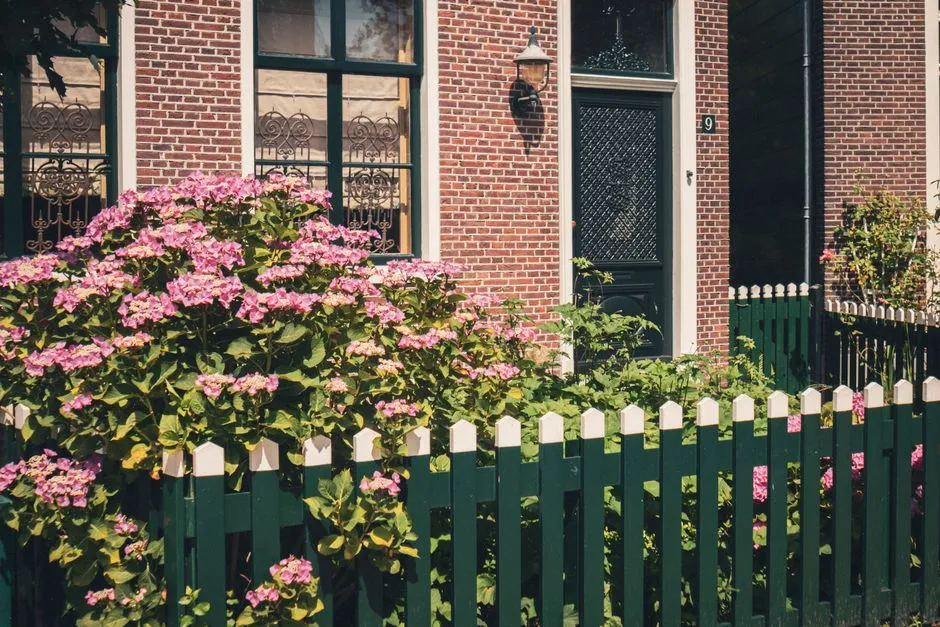
Other lawns say “stay away,” whether through imposing fences or foreboding signs. The research that documented the benefits of open, lively yards also measured the flip side. Yards with high fences, heavy hedges, or uninviting signage were consistently associated with lower reported satisfaction and weaker community connection.
By inhabiting and adapting the public-private interface in front of their homes, residents negotiate their relationship with passersby and public space, seeking to maximize their fit and satisfaction with their broader living environment. Every choice in the front yard is part of that negotiation, whether residents are conscious of it or not.
A fence isn’t automatically unfriendly, of course. A low one along a flower bed signals boundary while staying open to conversation. It’s the height and density of enclosure that signals social closure, not the presence of any boundary at all.
Community Belonging Is Declining, and the Front Yard Is a Real Response
According to a 2023 report by the Surgeon General, only about one in six Americans indicate that they feel attached to their local community. That number should give pause. It means the majority of people in American neighborhoods feel little real connection to the place where they live.
One reason for the disparity may be a lack of access to many of the social infrastructures that foster conversation and community with neighbors. Access to neighborhood amenities, such as coffee shops, public parks, and community centers, provides more opportunities to meet with neighbors and cultivate a sense of belonging. The front yard steps in as a kind of micro version of that social infrastructure.
Bringing social spaces closer to residents can promote social interaction. Semiprivate spaces, between private and public, can stimulate people to stay longer outside their private homes and therefore support interaction with neighbors. The front yard occupies exactly that in-between zone. It’s yours, but it faces outward.
The Habit That Ties It All Together: Simply Being Present

Front yards are like bridges to the rest of the neighborhood, where each resident can decide how much they want to express themselves to their neighbors and passersby. The key word is decide. This is voluntary. The habit of spending time in the front yard, of putting a chair out, planting something visible, or placing a small object with personality, is a choice to be readable to the street.
Elements that facilitate socializing, such as a garden chair, a porch, or a bench, strongly boosted residents’ sense of place in every dimension and scale. The research validates urbanists’ decades-old contention that lively front yards make better neighborhoods. This isn’t a design theory anymore. It’s documented fact from a large-scale study.
Despite all this, signs of a comeback are hard to ignore. During 2020, as people searched for safe ways to interact, porch and stoop gatherings started to pick up again. That momentum hasn’t entirely faded. More people are beginning to understand that the most effective counter to social isolation doesn’t always require an event, a program, or a community initiative. Sometimes it starts with dragging a chair to the front of the house.
The Takeaway
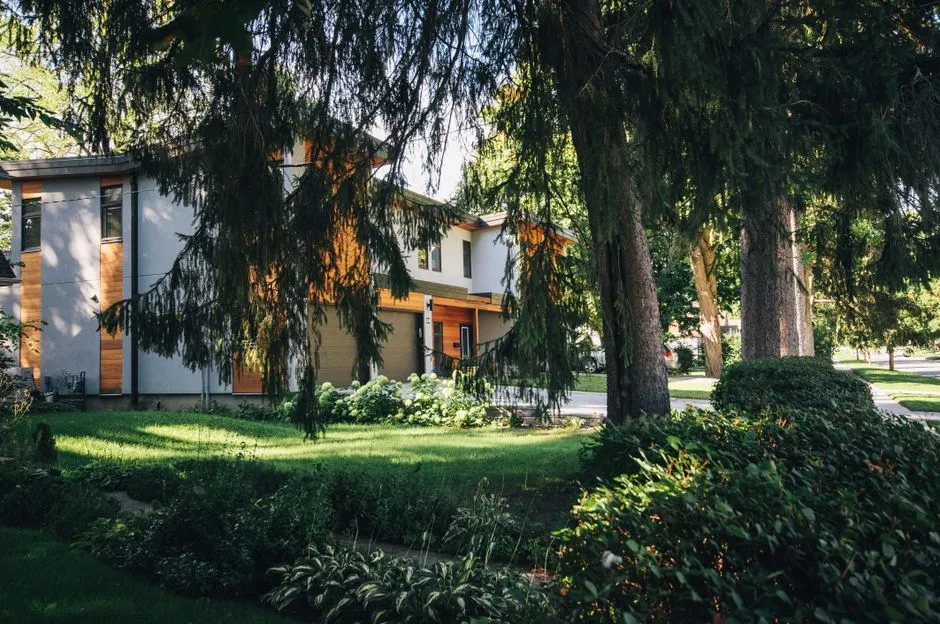
The front yard habit that signals a friendly neighborhood isn’t one dramatic gesture. It’s the accumulation of small, visible choices that say: I’m here, I notice you, and this space is open. A chair, some plants, a little box of books, a wave from the porch. These things compound quietly across a street until the whole place feels different.
Over 80 percent of new neighborhood social contacts are made right in front of the home, and the role of the front yard in enabling new social ties to be created is indispensable. That statistic is worth sitting with. The front of your home is not just a threshold. It’s one of the most socially productive spaces most people will ever have access to.
The research is clear, and so is the implication. If you want to live somewhere that feels connected, you don’t have to wait for the neighborhood to change around you. You can start with what’s already in front of your door.
AI Disclaimer: This article was created with the assistance of AI tools and reviewed by a human editor.