

Southern Magnolia: The Undisputed Long-Distance Runner
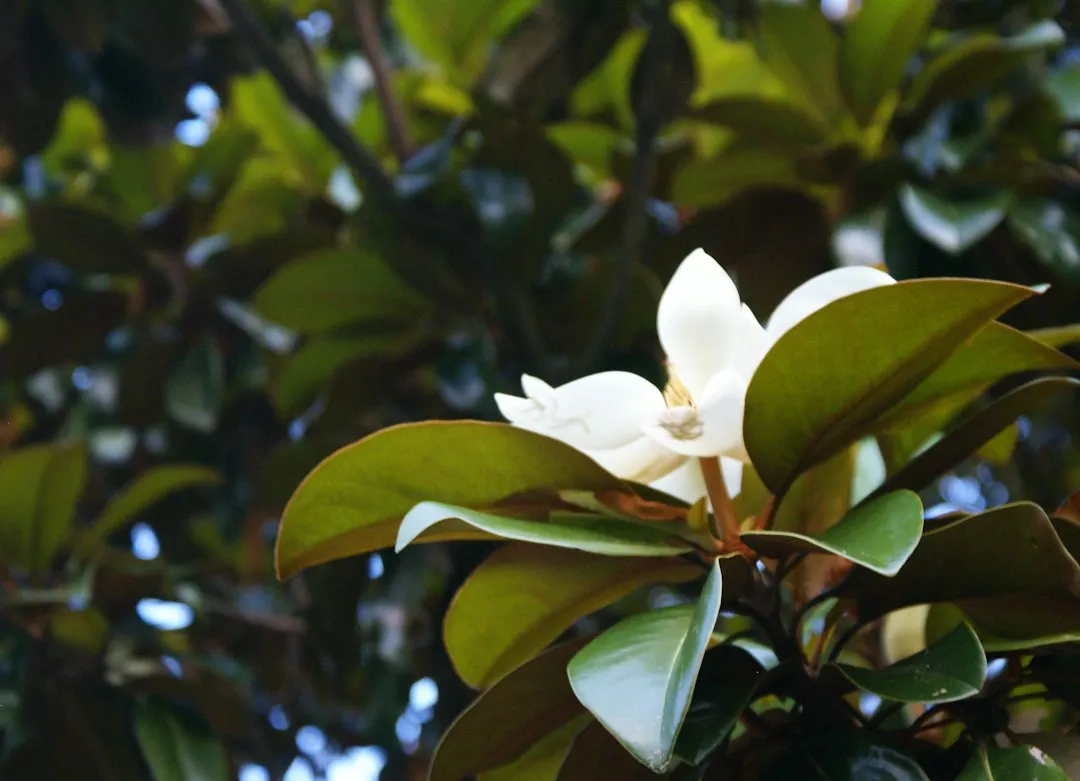
Southern magnolia stands out for both appearance and longevity, with leaves that are beautiful in wreaths and window boxes – and that last an incredibly long time before drying out. It holds up better indoors than most other options, and a magnolia garland can still look intentional well into its third week.
The leaves will stay green but may begin to curl slightly after a few weeks, while boxwood will dry with a fresh green appearance. As it dries, magnolia keeps its attractive bronze undersides, which actually adds visual depth rather than detracting from it. Few cuts of greenery age this gracefully.
Cedar: Tough, Fragrant, and Almost Worry-Free
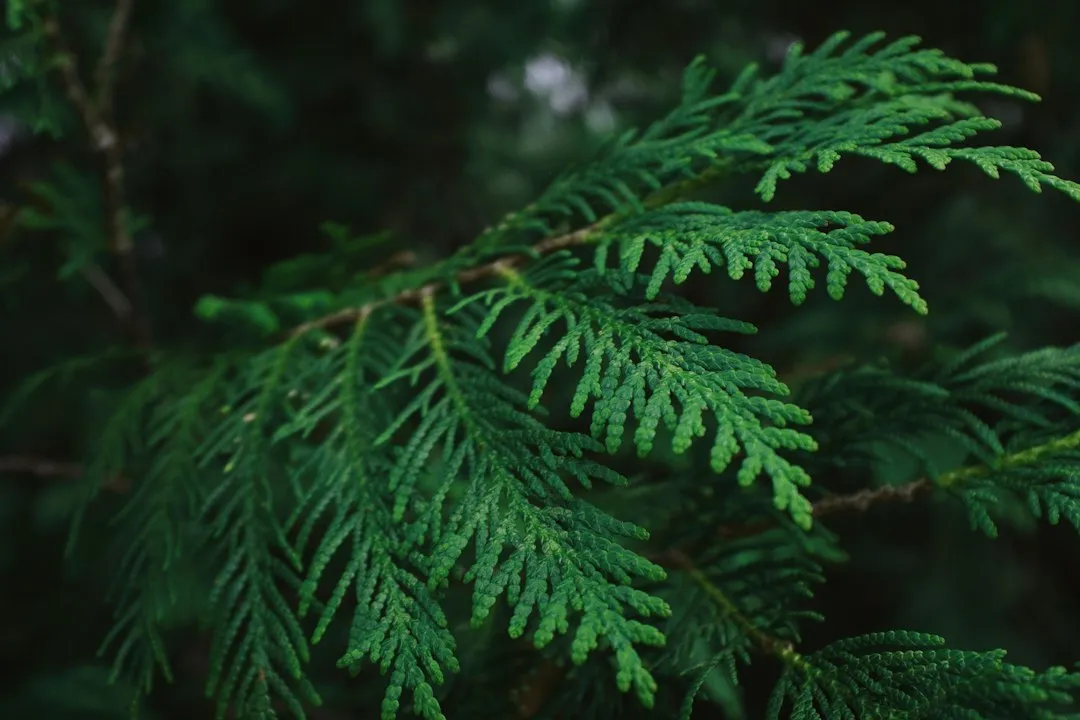
Cedar is particularly well-suited for indoor use, with some of the best longevity of any holiday green – lasting two weeks out of water indoors and even longer outside. Along with boxwood, noble fir, and pine, cedar tends to last the longest when used in Christmas wreaths, garlands, or as cut branches.
Branches from true cedars last quite well even without water, which makes them forgiving when you forget to mist for a day or two. The scent alone earns cedar a place in almost every serious holiday arrangement, and its feathery texture layers beautifully with denser greens.
Fraser Fir: The Needle-Holder With a Reputation
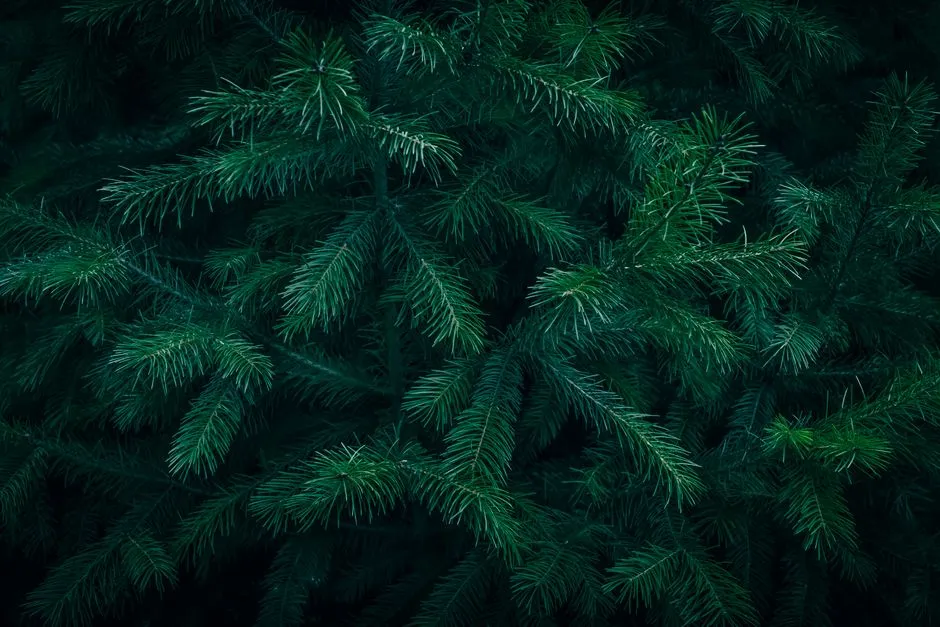
The University of Minnesota Extension recommends Fraser fir for indoor wreaths and garlands because it tends to stay fresh longer than many other evergreens. Evergreen varieties like pine, spruce, fir, and cryptomeria are popular for their durability and pleasing scents, and Fraser fir in particular tends to hold its needles longer than the others.
As a champion variety, Fraser fir can stay fresh for three to four weeks with proper care, making it ideal for early December arrangements that need to last through Christmas. It’s a reliable choice for mantels, staircases, and table centerpieces where dropping needles would quickly become a problem.
Noble Fir: Stiff Branches That Stand Up to Indoor Heat

Noble fir welcomes guests beautifully in front gate arrangements and wreaths, adding a touch of sophistication wherever it appears. The foliage is hardy and long-lasting, ensuring that arrangements remain fresh throughout the holiday season.
The moment you smell fresh cedar, pine, and noble fir together, you’re placed directly into holiday mode. Its rigid branch structure also makes it one of the best choices for window boxes and large-scale arrangements where softer greens might wilt under their own weight.
Boxwood: The Quiet Classic That Never Quits
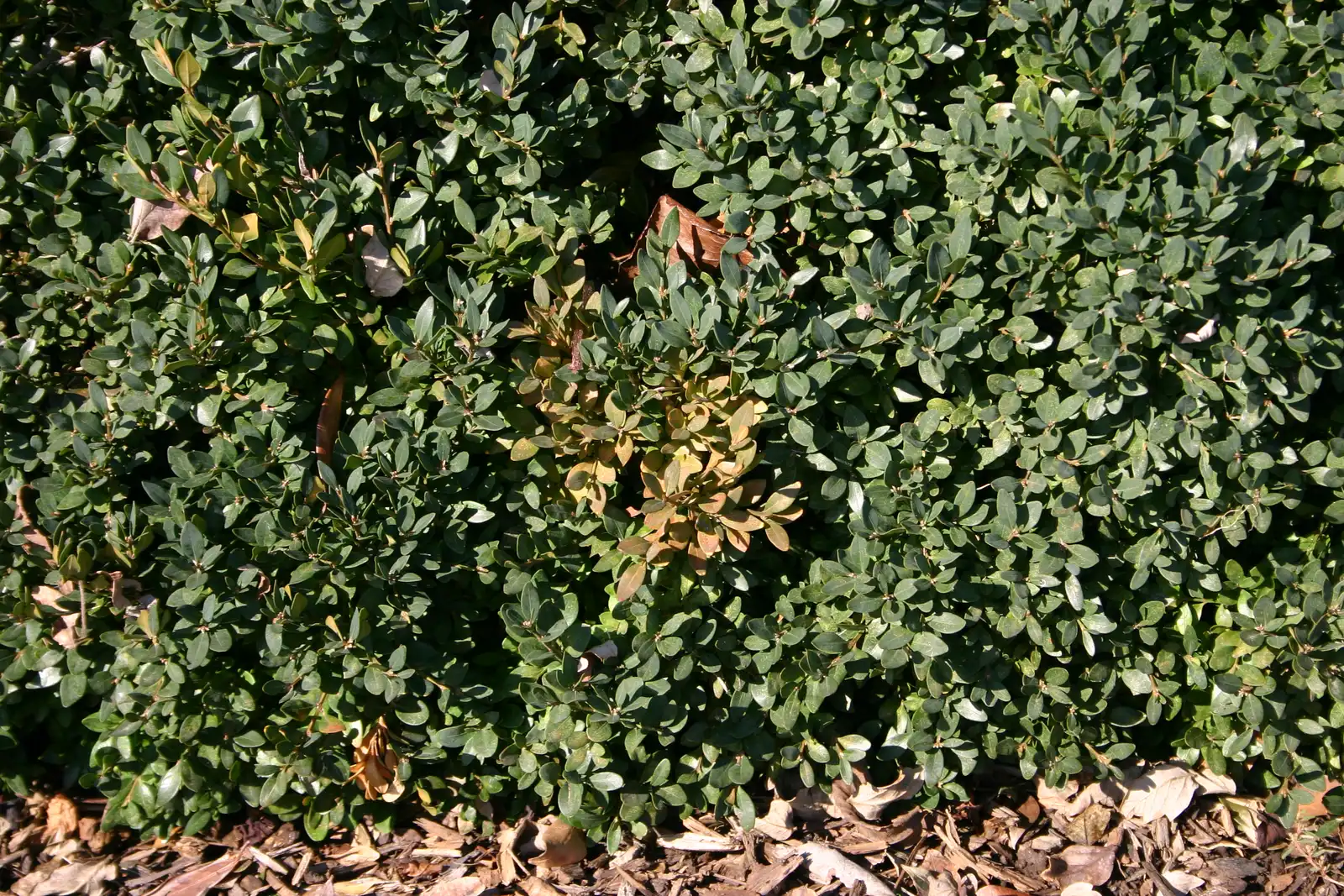
When harvested in winter, boxwood will last for months without water – a remarkable quality among cut greens. It holds up exceptionally well indoors, staying fresh and green for weeks when properly hydrated, making it reliable for displays that need to last through multiple holiday gatherings and celebrations.
Boxwood’s small, densely packed leaves create a refined look that suits formal holiday decorating. Its subtle, fresh scent adds a pleasant aromatic element without overwhelming other holiday fragrances in the home. It’s the kind of greenery you can use almost anywhere and trust completely.
Balsam Fir: Classic Holiday Scent, Strong Needle Retention

Balsam carries the iconic smell of the holidays but can be harder to find, as most balsam trees grow on Christmas tree farms or farther north. Along with cedar, Fraser fir, Douglas fir, Nordman fir, scotch pine, magnolia, and ruscus, balsam is among the fresh Christmas greenery that lasts a long time without water.
It performs particularly well in wreaths and swags where the full fragrance can fill a room. If you can find fresh-cut balsam at your local farm stand or garden center, it’s worth picking up early – availability often runs out well before the season peaks.
Arborvitae: An Underrated Workhorse
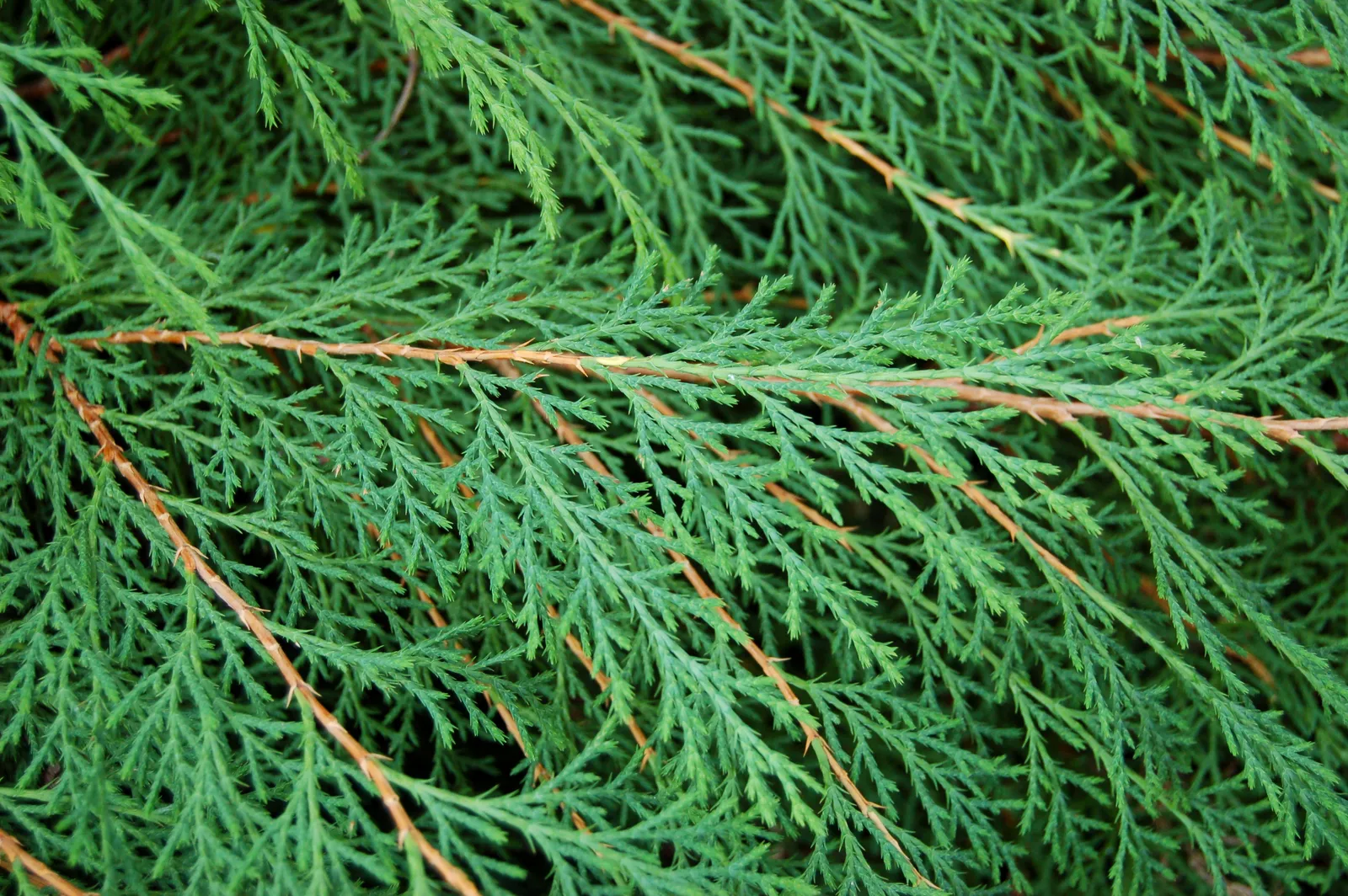
Arborvitae, a popular landscaping plant, has branches that also last relatively long when cut – typically about two to four weeks in a vase. It’s often overlooked in favor of flashier fir varieties, but its soft, fan-like foliage adds a distinctive texture that pairs well with almost everything else.
Many people already have arborvitae growing in their own yards, which makes it a genuinely accessible option. A simple trim from an established hedge can supply enough for a full mantel arrangement without spending anything extra.
Holly: The Waxy Leaf That Resists the Drying Effect
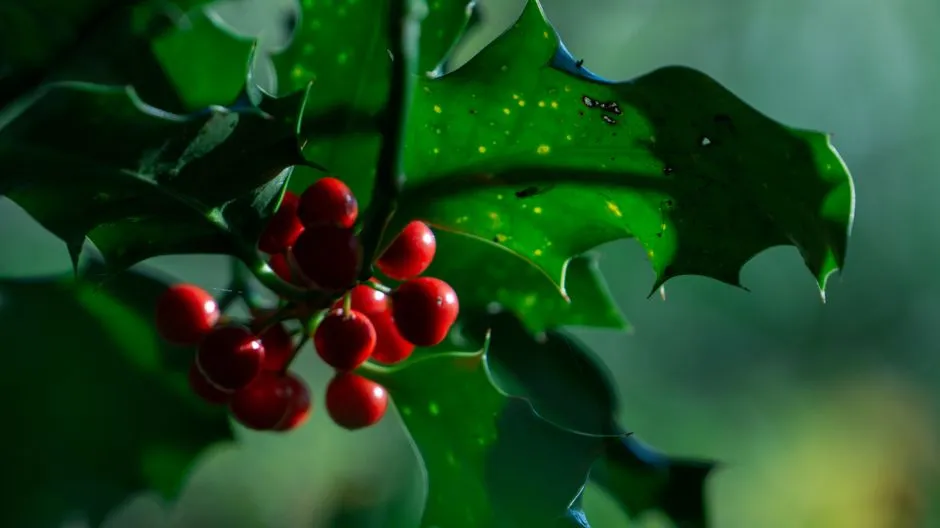
Holly is generally found more in the South and can last up to several weeks indoors because of its waxy exterior. That waxy coating is the key – it acts as a natural moisture barrier, slowing the dehydration that kills most cut greens so quickly in heated rooms. The result is a branch that holds its color and structure longer than you’d expect.
Beyond longevity, holly brings a visual boldness that most greens can’t match. The contrast between the deep green leaves and the red or yellow berries is as classically festive as holiday decorating gets. Keep in mind that holly berries are toxic to pets and small children, so placement matters.
Ruscus: Long-Lasting, Structural, and Surprisingly Versatile
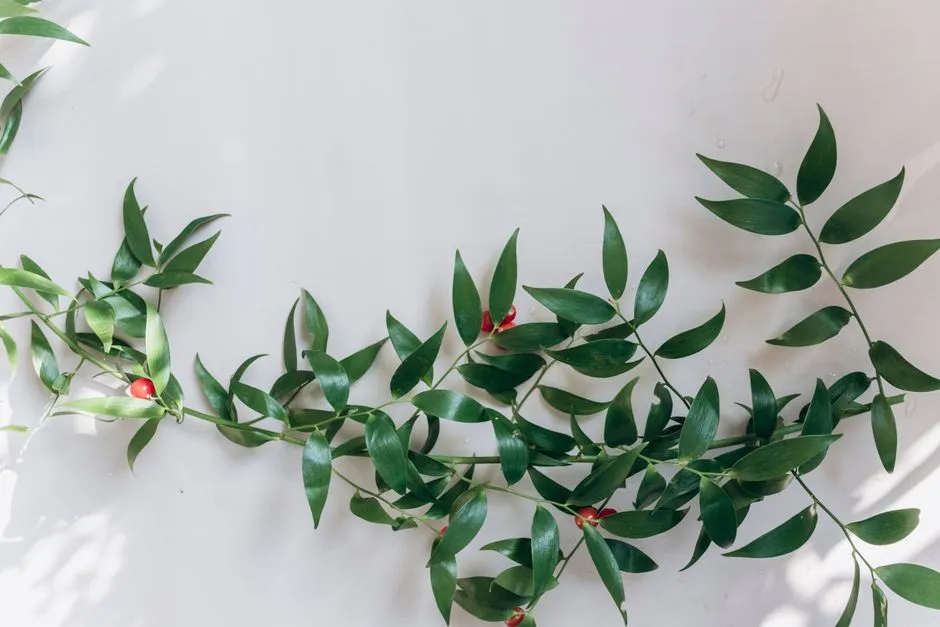
Ruscus is listed among the fresh Christmas greenery varieties that last a long time without water, which puts it in genuinely elite company. Its stiff, lance-shaped leaves hold their dark green color well under warm indoor conditions, and unlike softer greens, ruscus doesn’t wilt or droop as the weeks pass.
It’s a staple in professional floral design for exactly this reason – it stays looking intentional rather than tired. For home decorating, ruscus works well tucked into mixed wreaths, table arrangements, and long garlands where structural support matters as much as color.
How to Keep Any Greenery Going Longer: The Care Principles That Actually Work
According to the University of Illinois Extension, one of the best ways to help fresh evergreens retain their moisture is to soak them in water overnight before bringing them indoors. Clemson University Extension also recommends misting fresh wreaths and garlands with water daily to help prevent them from drying out.
Whenever possible, display fresh greenery in cooler areas away from heating vents, radiators, sunny windows, and fireplaces. Maintaining the right level of humidity can also contribute to longevity – in a dry climate or a home with heavy indoor heating, a humidifier or light daily misting can prevent dehydration noticeably.
Three things ultimately control how long a fresh wreath or garland lasts: the type of greens, the temperature and sunlight where it hangs, and whether it receives any water along the way. Cold air slows drying significantly, which is why the same wreath has a much longer life on a front door in December than over a heated mantel.
The Takeaway

Fresh Christmas greenery lasts approximately two to three weeks indoors when watered correctly, or longer outdoors if kept in the right temperature and away from wet weather. That window is enough to carry a home through the whole season – provided you choose the right varieties and give them even modest care.
Magnolia, cedar, boxwood, and Fraser fir are where to start if longevity matters to you. They’re not just the toughest options on the list – they also happen to be some of the most beautiful. The holidays only ask for a few weeks of freshness. With these greens, that’s entirely within reach.
AI Disclaimer: This article was created with the assistance of AI tools and reviewed by a human editor.