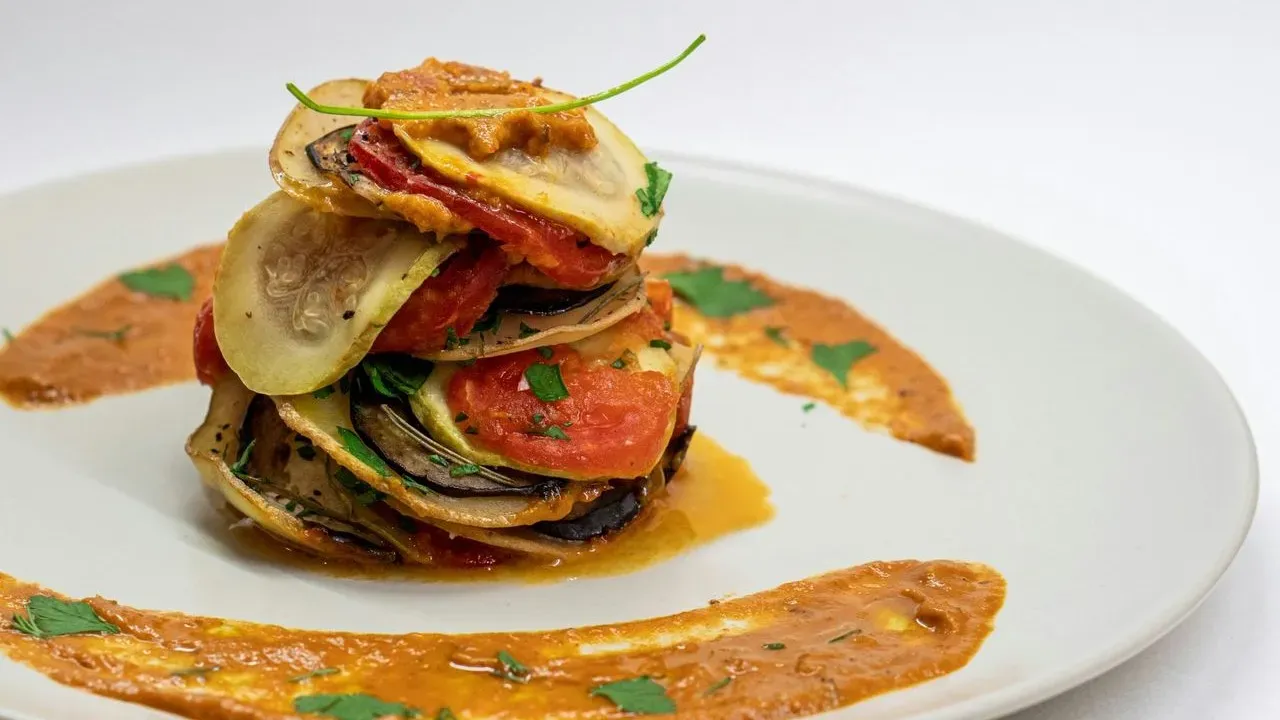

Gardens reach their peak output in midsummer, when zucchini, eggplant, tomatoes, and red onions arrive faster than most households can consume them. A traditional French preparation known as a tian provides a straightforward way to turn that abundance into a cohesive, visually striking dish. The method relies on thin slices arranged in a pattern, coated with fat, and baked until the edges crisp and the flavors concentrate.
Understanding the Tian Approach
The word tian originally described both the earthenware vessel and the layered vegetable dish cooked inside it. In practice, the preparation calls for little more than slicing, seasoning, and oven time. The result is a side that highlights the natural sweetness and texture of summer produce while requiring minimal active work once the vegetables are arranged.
Because the vegetables cook slowly in their own juices, the dish develops a depth that raw preparations cannot match. It also tolerates substitutions, so gardeners can adjust based on whatever is ready for harvest on a given day.
Vegetables That Define the Summer Version
Four core ingredients anchor this particular tian and reflect what many gardeners have in surplus at this time of year. Eggplant contributes a creamy texture once cooked. Zucchini adds moisture and a mild flavor that absorbs the surrounding seasonings. Tomatoes bring acidity and color. Red onion supplies a subtle sharpness that mellows during baking.
These four items are sliced to roughly the same thickness so they cook evenly. The visual appeal comes from alternating the slices in concentric circles or straight rows, depending on the shape of the baking dish. Fresh thyme and garlic are added to the mix, providing an herbal backbone without overpowering the produce itself.
The fat, whether ghee or another neutral choice, coats the slices and helps the edges brown. Salt and pepper are the only additional seasonings needed. The entire combination stays simple, letting the quality of the garden vegetables carry the dish.
Step-by-Step Assembly and Baking
Begin by preheating the oven to 425 degrees. Combine the sliced vegetables in a large bowl with the chosen fat, salt, pepper, thyme, and garlic. Toss gently until every piece is lightly coated.
Transfer the slices to a well-greased round or rectangular baking dish. Arrange them in a repeating pattern that creates visual interest. A final drizzle of fat on top helps promote browning. Cover the dish with foil and place it in the oven for the first 20 minutes.
After removing the foil, baste the vegetables with the juices that have collected in the bottom of the pan. Return the dish to the oven for another 20 minutes, basting once more halfway through. The total cooking time yields tender centers and crisp, golden edges.
Serving and Practical Considerations
The finished tian serves six to eight people as a side dish. It pairs especially well with fish, though it also complements grilled meats or stands alone with a simple green salad. Leftovers reheat nicely and can be repurposed the next day as a topping for toast or a filling for omelets.
Gardeners appreciate the flexibility. When one crop is particularly abundant, the proportions can shift without harming the final result. The dish also travels well to potlucks or gatherings, arriving intact and still attractive after transport.
By focusing on what is already growing, the tian reduces waste while delivering a restaurant-style presentation from ingredients that might otherwise be overlooked once the initial excitement of harvest fades.
AI Disclaimer: This article was created with the assistance of AI tools and reviewed by a human editor.