

Most people blame the freezer itself when food comes out dry, discolored, and unpleasant. In reality, the freezer is almost never the problem. The habits of the person using it are.
Freezer burn is surprisingly misunderstood. It’s not a matter of your appliance failing, and it definitely doesn’t mean your food has gone bad. What it does mean is that something in your storage routine is quietly working against you, and the damage adds up faster than most people expect.
What Freezer Burn Actually Is
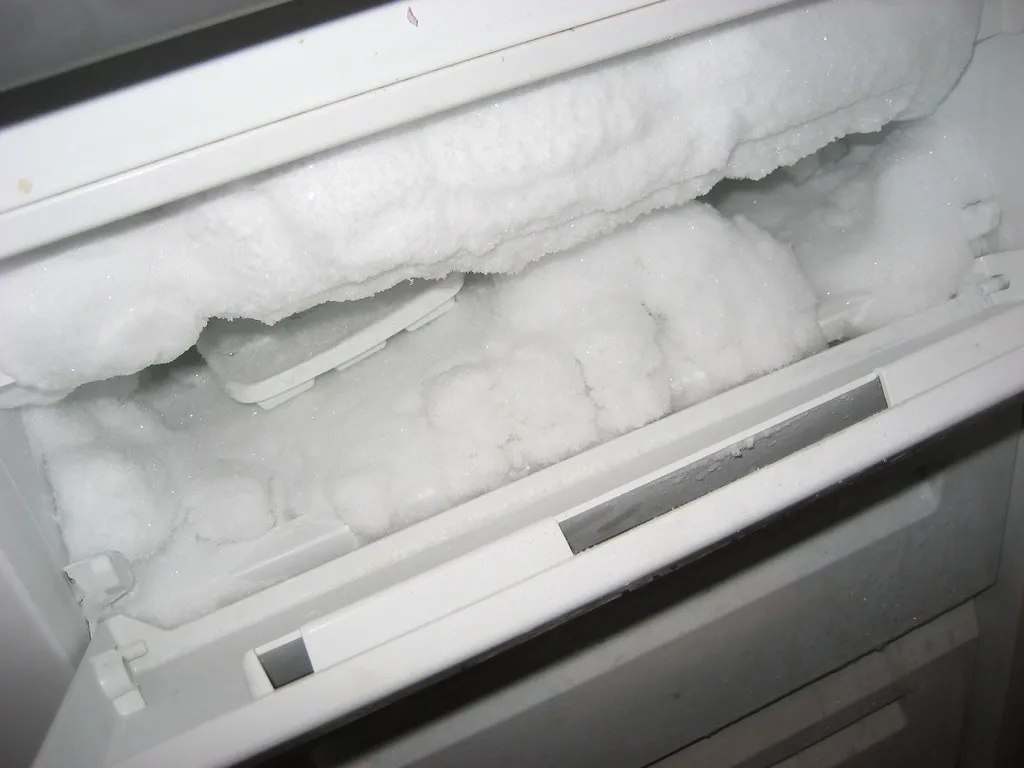
Freezer burn is a condition that occurs when frozen food has been damaged by dehydration and oxidation due to air reaching the food. That combination of moisture loss and oxygen exposure does two separate kinds of harm. At the same time, oxygen reacts with fats and pigments, which can cause off flavors, color changes, and a “stale freezer” smell. The food loses water from its surface, which makes it dry and tough, while oxygen reacts with fats and other compounds, changing the flavor and aroma.
Freezer burn does not make the food unsafe; it merely causes dry spots in foods. The food remains usable and edible, but removing the freezer-burned sections can improve the flavor. Still, few people actually enjoy eating it, and a great deal of perfectly safe food gets thrown away because of it.
The Science Behind It: Sublimation
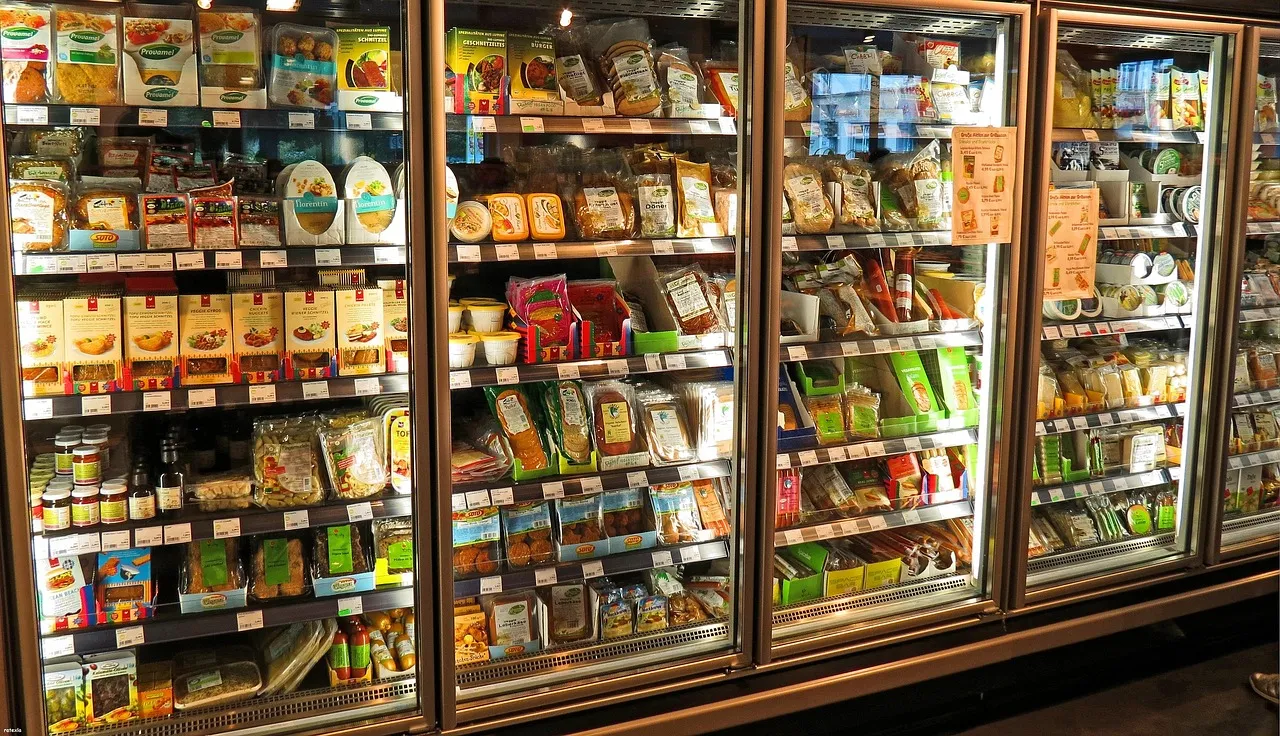
The science behind freezer burn depends on a phase change called sublimation. Sublimation happens when a solid changes directly into a gas instead of becoming a liquid first. A familiar example is dry ice turning into carbon dioxide gas. In a freezer, ordinary water ice can also slowly lose molecules from its surface into the air, especially when the air is dry and the food is exposed.
That process helps explain a confusing observation: frozen food can dry out even though it never seems to melt. This loss of water molecules causes dehydration, making the frozen food shriveled, dry, and tough. Additionally, water loss allows oxygen to cause changes in flavor and color, especially in meats, poultry, and fish that were not wrapped well. The process is slow, which is part of why people rarely catch it happening.
The Real Culprit: Loose or Wrong Packaging
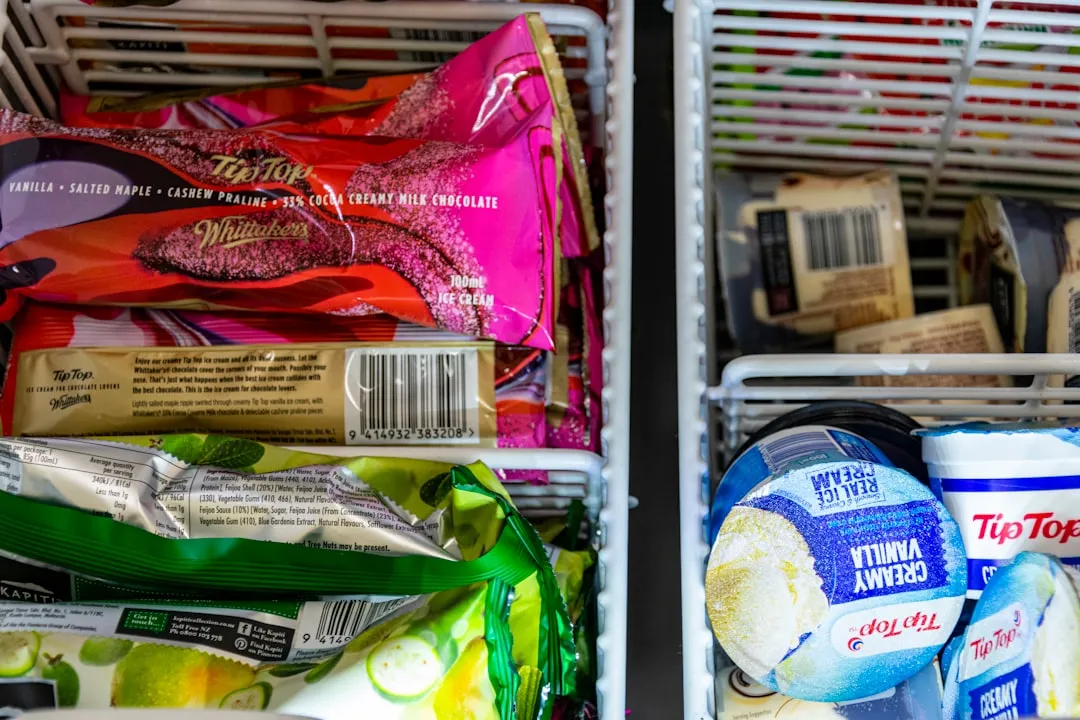
Freezer burn is generally caused by food not being securely wrapped in airtight packaging. This is the single most common mistake people make, and it often starts right at the grocery store. Most foods sold fresh in the supermarket are not packaged for freezer storage. The packaging used in meat departments is thin and allows air to get in, along with containing large air pockets where the moisture in your food can evaporate and form ice crystals.
The first prevention step is to remove as much air as you can from packaging. Press air out of freezer bags, use the water-displacement method for zipper bags, and wrap food tightly with minimal gaps. Fill containers to reduce headspace, while still leaving room for expansion where needed. It takes an extra thirty seconds. It’s worth it every time.
Opening the Freezer Door Too Often
Opening your freezer frequently causes the temperature inside to fluctuate, and more ice crystals form when foods start to thaw. This is one of the most overlooked habits in everyday kitchens. The more times you open your freezer door, the more the cold airflow inside will fluctuate. As that air warms up, frozen food starts to lose moisture and begins drying and discoloring.
After a grocery trip, consider unloading your new freezer items in one centralized location close to the freezer before storing them to decrease the number of times the door is opened and closed. Keeping your freezer well organized may also help reduce the amount of time the freezer door stays open. Less hunting around means less cold air escaping with every search.
Putting Hot or Warm Food Directly in the Freezer
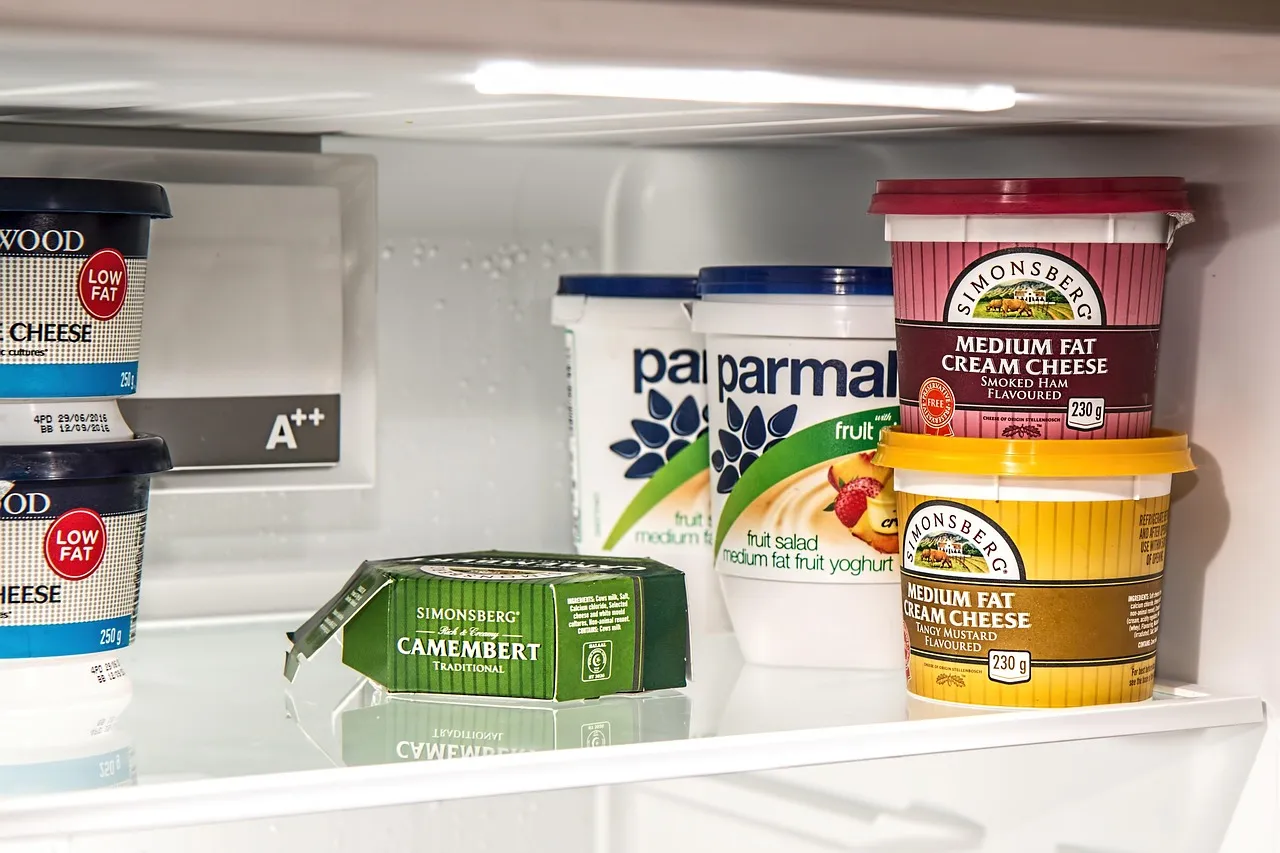
Hot foods and even foods at room temperature can heat up a freezer once you place them inside. As this hotter food warms the cooler foods in your freezer, all of them can veer toward losing moisture. Cooling your foods in a refrigerator first can ensure they’re at the right temperature for freezer storage.
Freeze food in smaller batches to avoid fluctuating the temperature of your freezer. Unfrozen food is warmer and will warm up the entire freezer. The more temperature-stable your freezer stays, the less sublimation occurs across the board. Every item inside benefits when you’re careful about what you add and when.
Temperature That’s Too Warm or Too Inconsistent
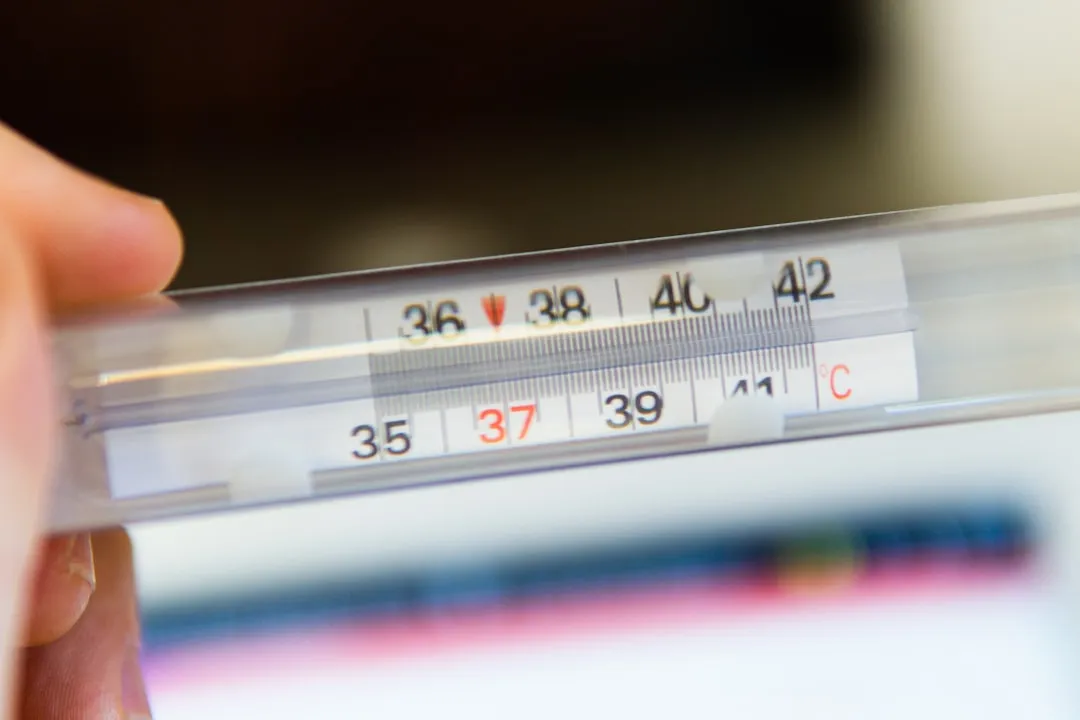
Freezer temperature should remain consistently at or below 0°F (-18°C). Regularly calibrate thermometers to ensure this accuracy. Fluctuating freezer temperatures increase the risk of freezer burn. Many home freezers quietly run a few degrees warmer than their settings suggest, and most people never check.
Fluctuation of temperatures in a freezer, such that the temperature does not remain consistently below −18°C, can also speed up freezer burn. Food freezes at thirty-two degrees Fahrenheit, but keeping your freezer much colder will help you prevent freezer burn in the first place. Not only is freezing food at zero degrees Fahrenheit or lower easier, but it also stunts the sublimation process. A basic freezer thermometer costs very little and can reveal surprising gaps between your setting and the real temperature.
Storing Food for Too Long Without a Rotation System
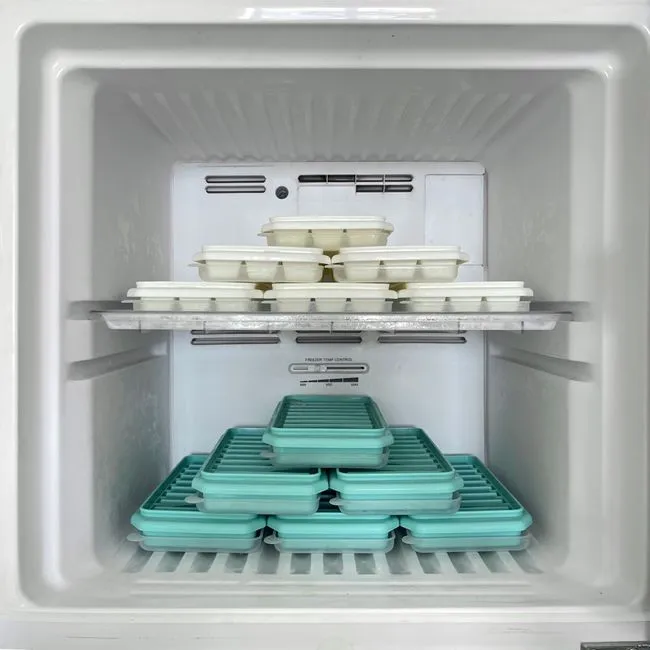
Even the best-protected food can become freezer burned over long periods of time. If you don’t think you’ll use a food item in your freezer in the next six months, don’t buy it or store it in the first place. That’s a practical rule that most households ignore when buying in bulk. Only buy what you expect to use within the next two to four months, and when packaging food for the freezer, mark it with the date so that you can use the oldest products first.
Always practice the “First In, First Out” or FIFO method. This ensures that older items are used first, reducing the risk of freezer burn caused by prolonged storage. It sounds like advice for a commercial kitchen, but it works just as well at home. A few date labels can save a surprising amount of food.
Foods That Are More Vulnerable Than Others
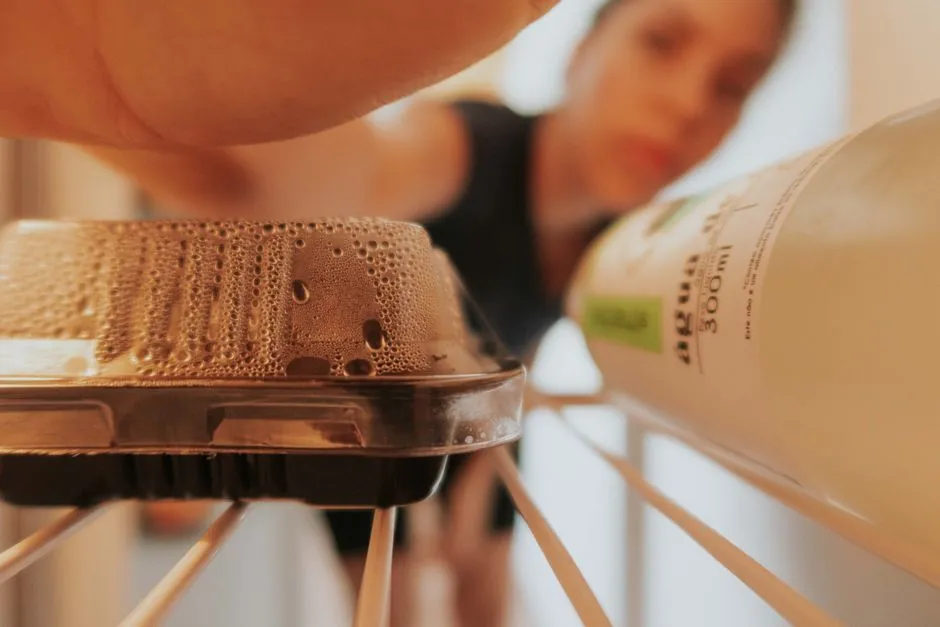
Because freezer burn is caused by dehydration, foods with a higher water content like produce, meats, poultry, fish, or ice cream tend to be more affected than foods with a low water content, such as nuts, seeds, or flour. This helps explain why a bag of chicken thighs goes downhill in three months while a bag of almonds sits fine for much longer. Freezer burn signals compromised sensory and functional integrity, including potential nutrient loss in sensitive compounds like vitamin C and omega-3s.
Frozen vegetables may appear more dull, dry, or shriveled. Frozen meat, poultry, and fish may develop dark brown or grayish-white leathery areas. When cooked, the texture may be drier and tougher. Knowing which items are most at risk helps you prioritize better packaging and faster use for those specific foods.
The Self-Defrosting Freezer Problem
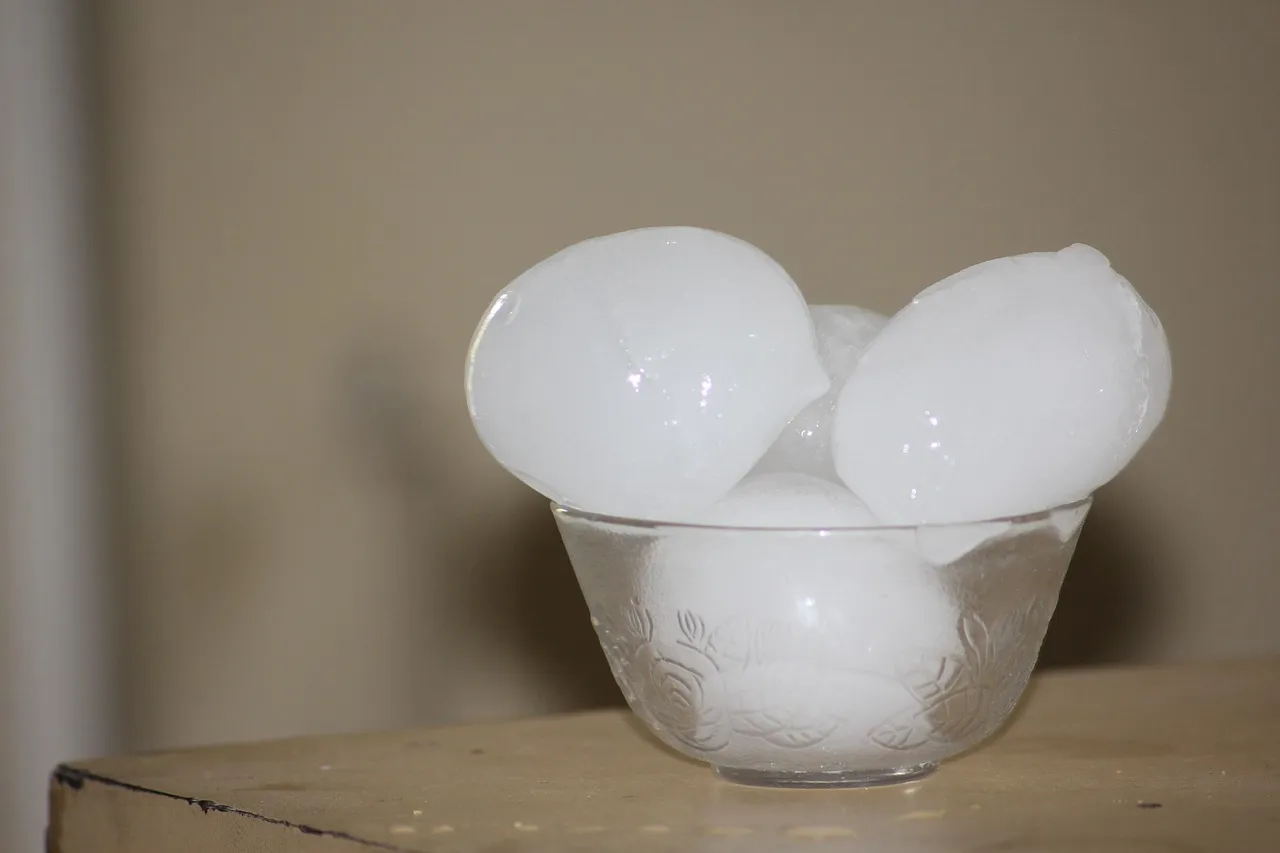
Self-defrosting freezers and individually quick-frozen products contribute to the problem of moisture loss during frozen storage. This is a counterintuitive one. Frost-free freezers are convenient because they eliminate manual defrosting, but they achieve this by periodically warming the interior to melt built-up frost, which creates small cycles of temperature change that accelerate sublimation over time.
Prior research has shown an increased weight loss at fluctuating temperatures compared to steady temperatures, provoking minimal phase changes by thawing and refreezing food, enabling water loss. If you own a frost-free model, your packaging needs to be even more airtight than it would in a manual-defrost unit. The convenience comes with a tradeoff that most product manuals never mention.
Refreezing Thawed Food Without Repacking
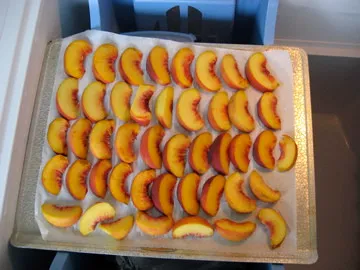
Thawing and refreezing food disrupts its cellular structure, making it more prone to drying out and freezer burn. Only take out what is needed, and properly portion food before freezing to reduce unnecessary thawing. This habit matters more than people realize. When you thaw a large package, use part of it, and refreeze the rest in the same weakened packaging, you’re practically inviting freezer burn to move in.
How the food refreezes depends on how fast the freezing process goes. If it’s a slow refreeze, the water will stay in the food, having simply changed places. This kind of refreeze will not harm your food at first, but too many refreezes will start to taint the quality of your food. The fix is simple: portion food before it goes into the freezer the first time, so you only ever pull out exactly what you need.
A Consistently Underloaded Freezer
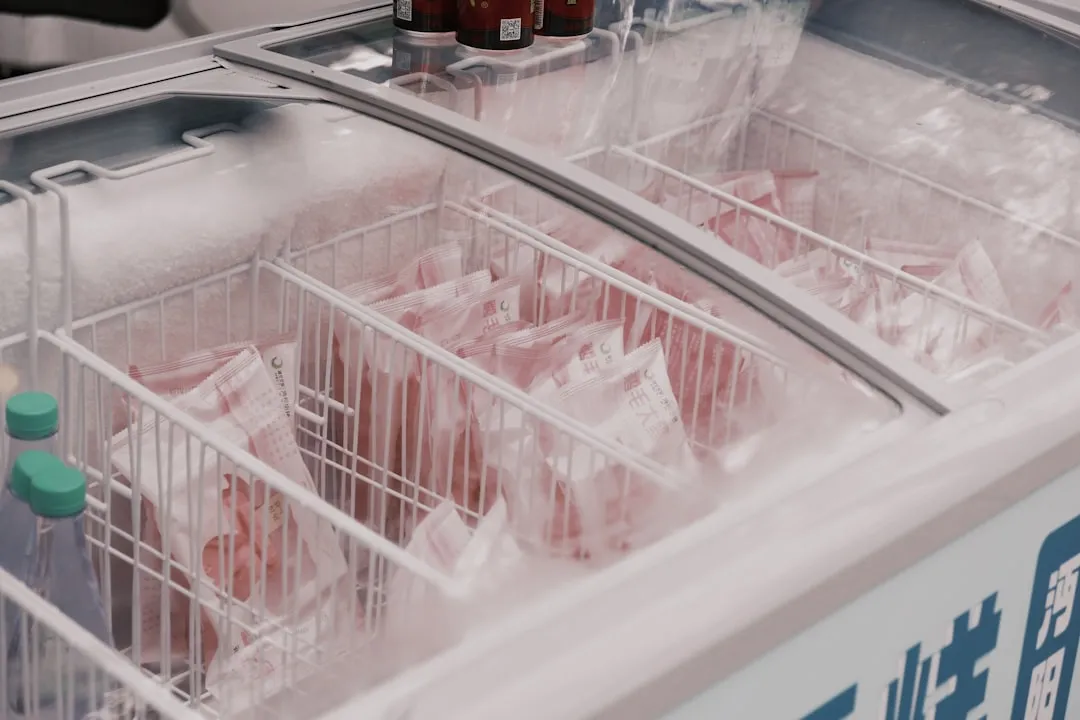
A freezer kept at least seventy-five percent full keeps your freezer at the right temperature and helps keep your freezer running efficiently overall. An almost-empty freezer has a lot of dry, cold air circulating freely, which is essentially the ideal environment for sublimation to do its work on whatever food is in there. Thermal mass, the collective cold of everything stored, helps stabilize temperature between door openings.
If your freezer is running low, filling empty space with water-filled containers or even bags of ice can help maintain that thermal stability without actually buying more food. It’s a simple workaround that costs almost nothing. Freezer burn comes down to a few practical factors: air exposure, temperature stability, and time. When those are controlled, it becomes much less of a problem.
The Takeaway

Freezer burn is one of those problems that feels inevitable until you understand exactly what causes it. It’s a common problem that significantly affects the color, texture, and flavor of frozen foods, but it’s also almost entirely preventable with a few consistent habits. Airtight packaging, stable temperatures, organized storage, and a simple rotation system cover the vast majority of cases.
The freezer is doing its job. It usually comes down to the small things we do before the food even gets inside, and the habits we fall into every time we open that door. Fix those, and the quality of your frozen food changes noticeably.
AI Disclaimer: This article was created with the assistance of AI tools and reviewed by a human editor.