
Most kitchens today run on electricity. The hum of the refrigerator is so constant it barely registers anymore. Yet for centuries before plugs and compressors existed, people kept food fresh through entire winters using nothing more than soil, darkness, and the steady cool of the earth below the frost line.
The root cellar is that older method. It never fully disappeared, but it got buried under the convenience of modern appliances. Now, with energy costs climbing and food waste hitting record levels, this approach is getting a second serious look, and not just from homesteaders.
What a Root Cellar Actually Is
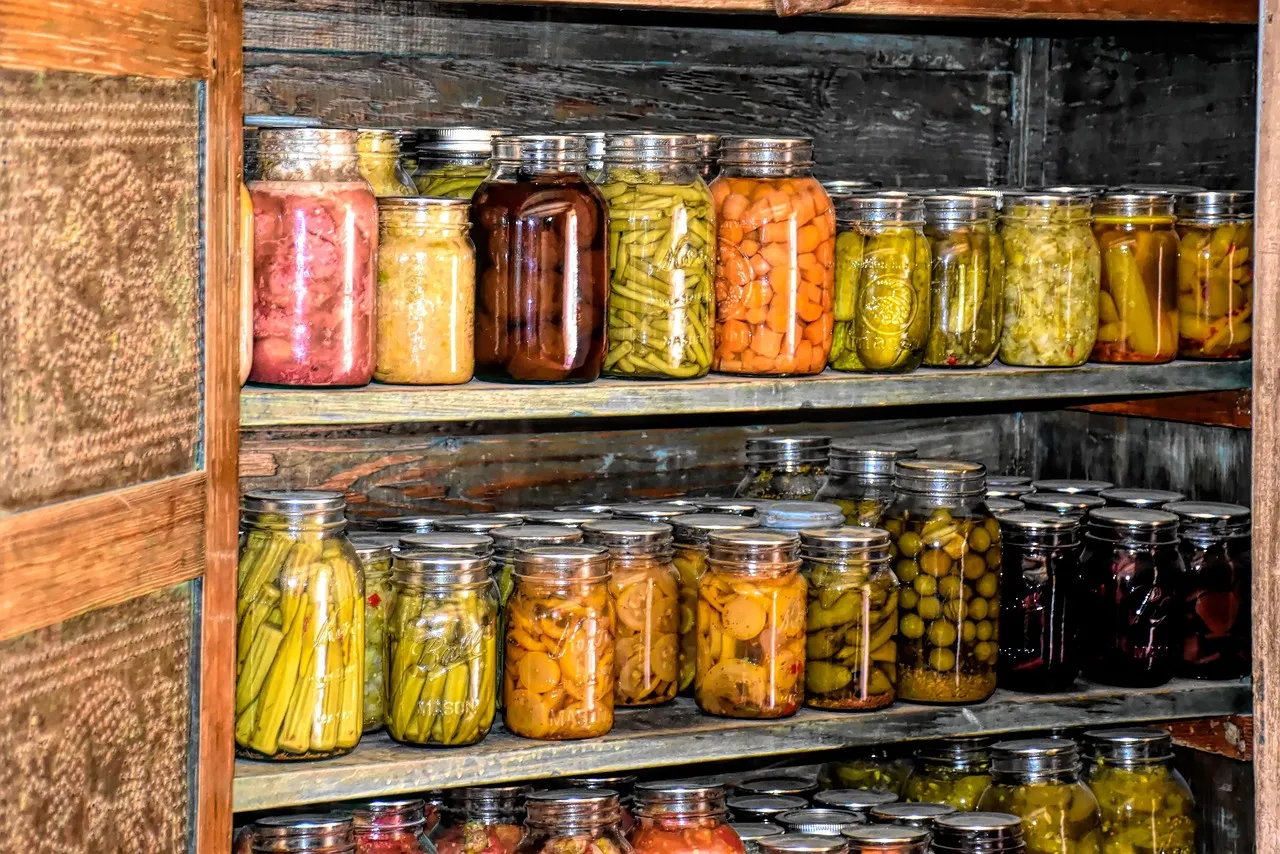
A root cellar is any storage location that uses the natural cooling, insulating, and humidifying properties of the earth. The idea is straightforward: dig into the ground far enough, and the temperature stabilizes at a range that happens to suit most vegetables perfectly.
Root cellars have been in use for centuries and were a reliable method for food storage before modern refrigeration. Traditional root cellars were often underground structures, dug into a hillside or dugout area, with a door leading to a small room naturally insulated from the outdoor elements.
A root cellar is a structure, usually underground or partially underground, used for storage of vegetables, fruits, nuts, or other foods. A wide variety of foods can be stored for weeks to months, depending on the crop and conditions.
The Temperature Sweet Spot the Fridge Can’t Replicate
The optimum storage temperature for most vegetables is between 32 and 40 degrees Fahrenheit. This temperature can be maintained by using insulation on walls and ceilings, thermostats, and a heat source when needed. A root cellar achieves this passively, without a single kilowatt of electricity.
Underground root cellars worked because the temperature below ground does not fluctuate much. Even in the depths of winter, it stays around 40 degrees, which is the ideal temperature for storing most vegetables.
At night or during storage, plants respire and use stored food to survive. To keep produce at the highest quality, it is important to slow down growth and respiration with cool temperatures. Respiration reduces quality and speeds up with warmer temperatures. A root cellar handles this naturally, around the clock.
Humidity: The Factor Your Refrigerator Gets Wrong
High humidity, between 80 and 95 percent relative humidity, keeps vegetables from drying out. This is where a root cellar quietly outperforms the average kitchen fridge, which tends to strip moisture from produce.
Ideally, the temperature in a root cellar should be between 32 and 40 degrees Fahrenheit, while humidity should range from 85 to 95 percent. The high humidity helps prevent vegetables from drying out, while the cool temperature slows down their natural decay.
The easiest way to keep moisture high is to have a dirt floor, which helps the root cellar maintain constant moisture during the winter. That natural humidity regulation is something no household refrigerator can match without dedicated accessories.
What You Can Store, and for How Long
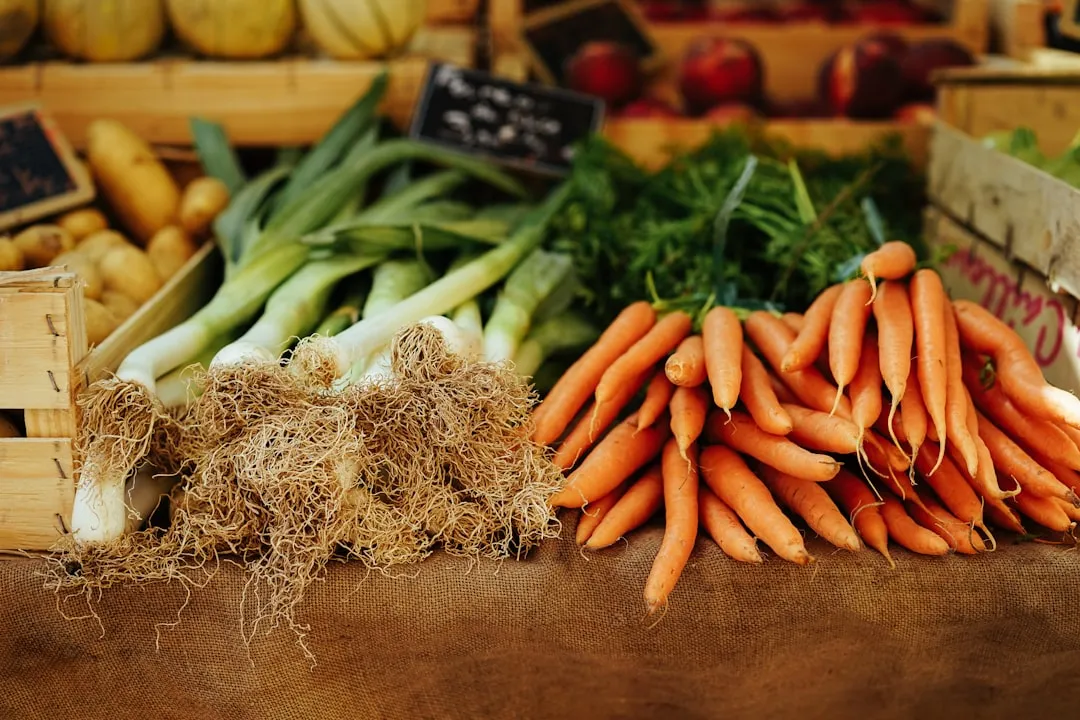
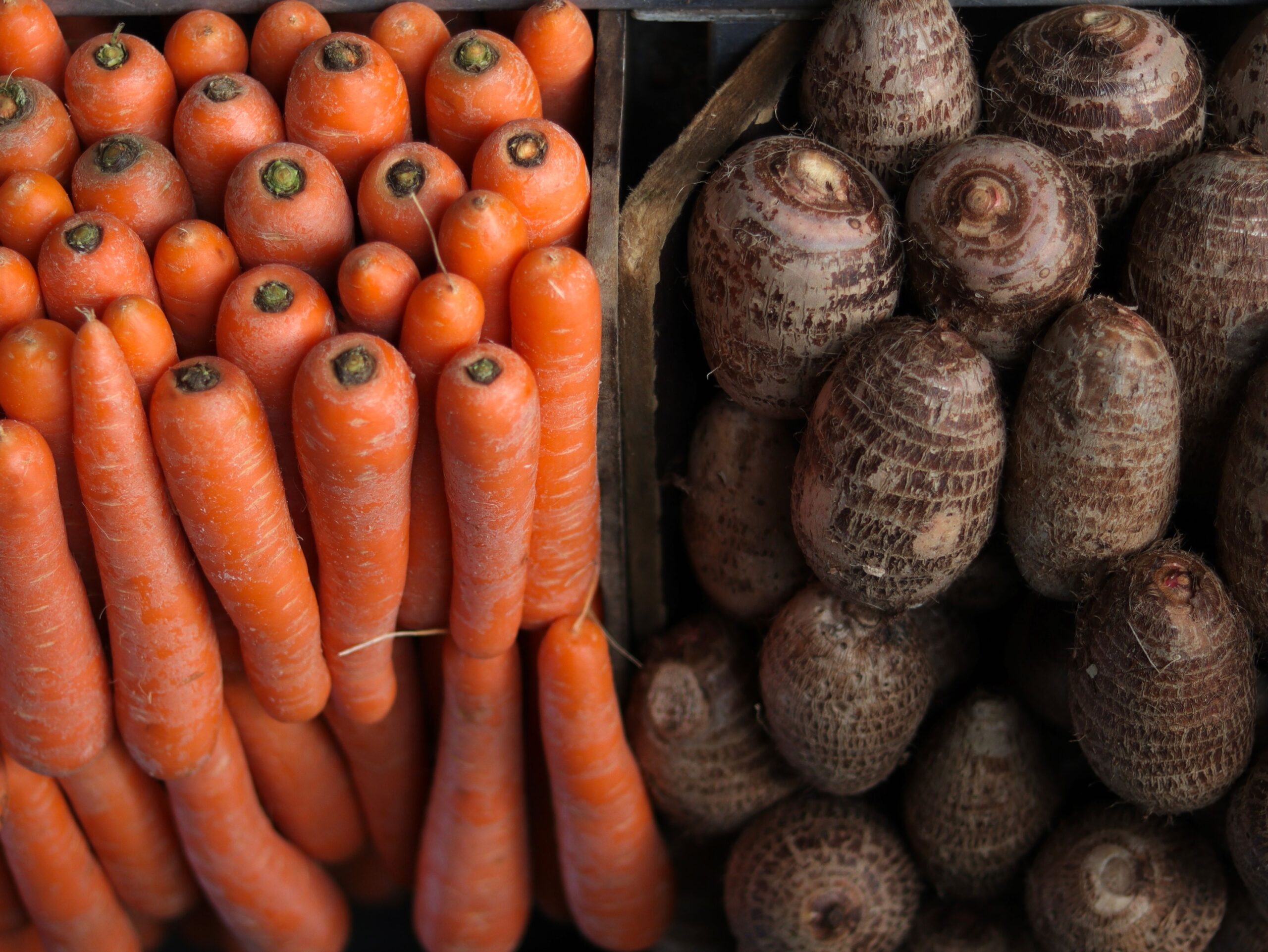
Potatoes, beets, turnips, rutabagas, carrots, and parsnips can last three to four months or longer under ideal conditions. Those timelines are well beyond what most refrigerator vegetable drawers reliably deliver.
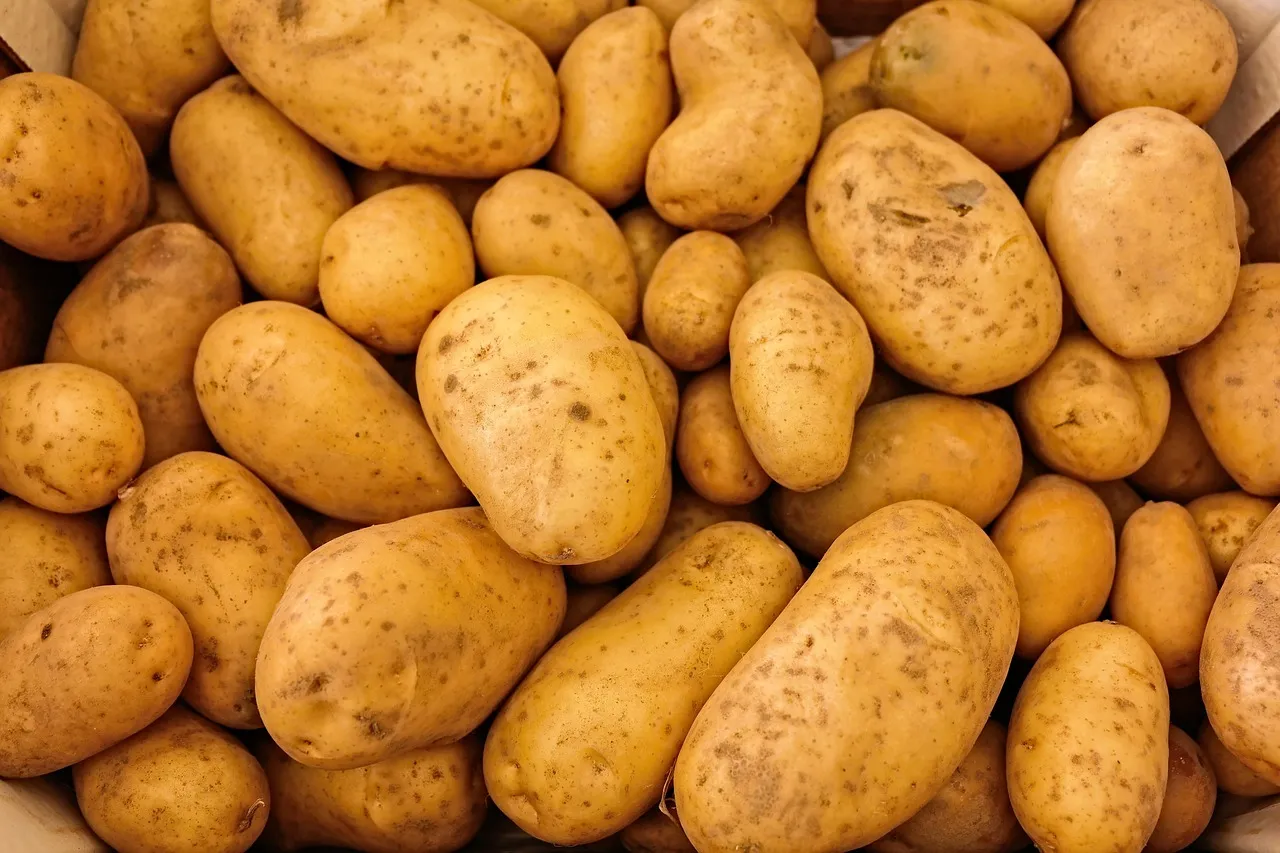
The range of what keeps well is wider than most people expect. Garlic lasts up to eight months in cool, dry conditions. Onions last up to nine months in cool, dry conditions. Potatoes keep about six months, and up to nine months in warmer, humid conditions, as long as they are properly cured.
Potatoes will last at least four to seven months, especially if you cure them before storage. Apples keep anywhere from two months for softer varieties up to seven months for harder types like Granny Smith and Fuji. That kind of longevity changes how you shop and how much you throw away.
Ventilation: The Detail Most People Miss
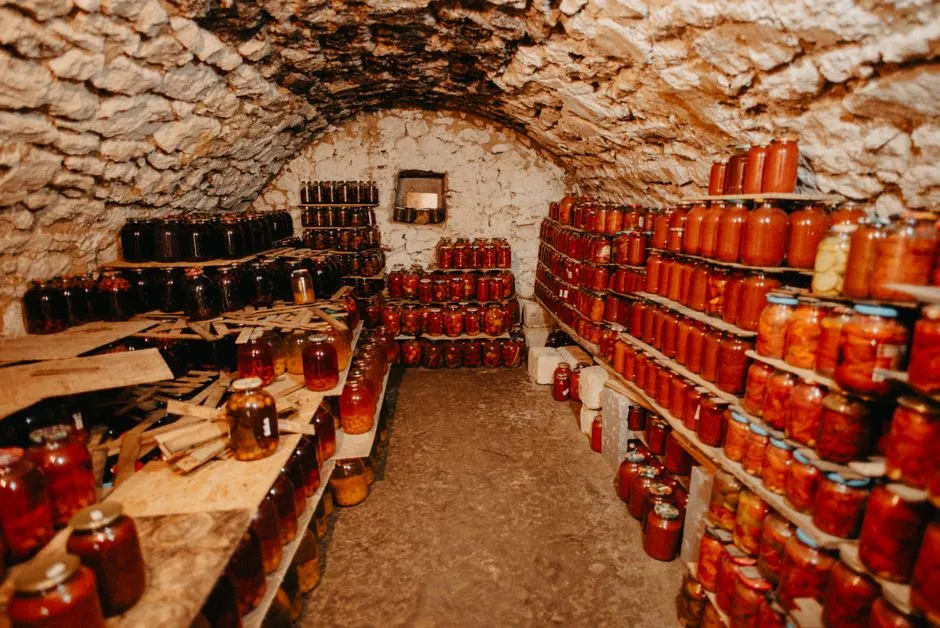
Air has to come into the root cellar and circulate. It helps keep the desired temperature and also reduces excess humidity, which can lead to condensation. Proper air ventilation also removes vegetable odors and ethylene gas produced by stored fruits.
Good ventilation is important in your root cellar, as it helps prevent mold growth and moves ethylene gas out of the cellar. Ethylene gas is released by ripening fruits, and if it builds up, it will accelerate spoilage in everything around it.
Use caution when storing apples: they give off ethylene gas, which promotes ripening and maturation of other vegetables and can promote sprouting in potatoes. A farmer who stored carrots alongside apples ruined his whole carrot crop this way. Separation is not optional; it’s essential.
Why the Energy Comparison Matters More Than Ever

Root cellars require no electricity or fuel once built. That’s a significant contrast with the fridge running in your kitchen every single day of the year.
A typical refrigerator uses between 300 and 800 watts of electricity, averaging around 500 watts during operation. This translates to approximately 400 to 800 kWh annually, costing homeowners between $68 and $136 per year to operate, depending on local electricity rates and the refrigerator’s efficiency.
Refrigerators account for approximately 7 percent of your total home energy usage. Shifting bulk vegetable storage to a root cellar doesn’t eliminate that cost entirely, but it meaningfully reduces the load placed on an appliance that never turns off.
The Food Waste Problem That Root Cellars Quietly Solve
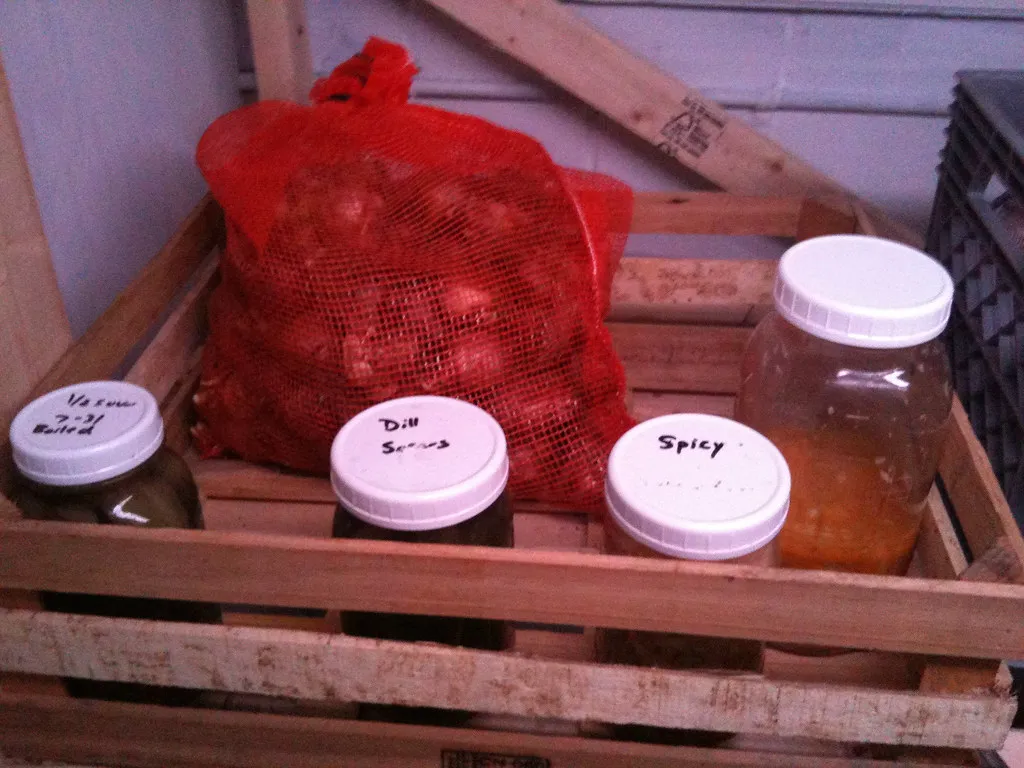
A refrigerator extends the life of food, but refrigerating every item unconditionally does not necessarily reduce food waste. In fact, storage that does not match the characteristics of each food can diminish freshness and lead to disposal.
Recent data shows the average person wasted $762 worth of food in 2024. A meaningful portion of that comes from produce stored incorrectly – vegetables drying out, softening, or getting forgotten in the back of a refrigerator drawer.
The USDA Economic Research Service estimates that 30 to 40 percent of the entire U.S. food supply goes to waste. Better storage methods, including low-tech ones, are one of the more direct ways to chip away at that number at the household level.
Vegetables That Actually Prefer Not Being Refrigerated
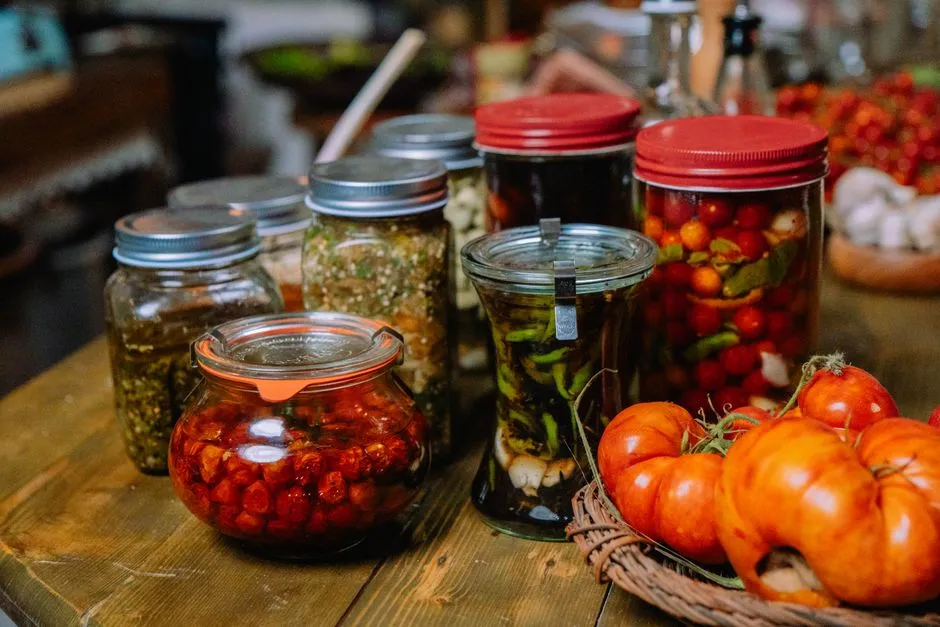
When it comes to pounds of potatoes, you’re not going to take up that valuable refrigerator space for months, and refrigeration of sweet potatoes can alter their taste and consistency. This is something many people discover only after ruining a batch.
Onions and garlic require cool temperatures but dry conditions, around 65 to 70 percent humidity, while winter squash prefers 50 to 55 degrees Fahrenheit and moderate humidity around 60 to 70 percent. Neither of those profiles fits a standard refrigerator well.
Winter squash can be challenging to store in a typical refrigerator, and freezing can cause it to lose its texture and flavor. However, storing winter squash in a root cellar ensures that it stays fresh and delicious for months.
Modern Adaptations for People Without a Basement
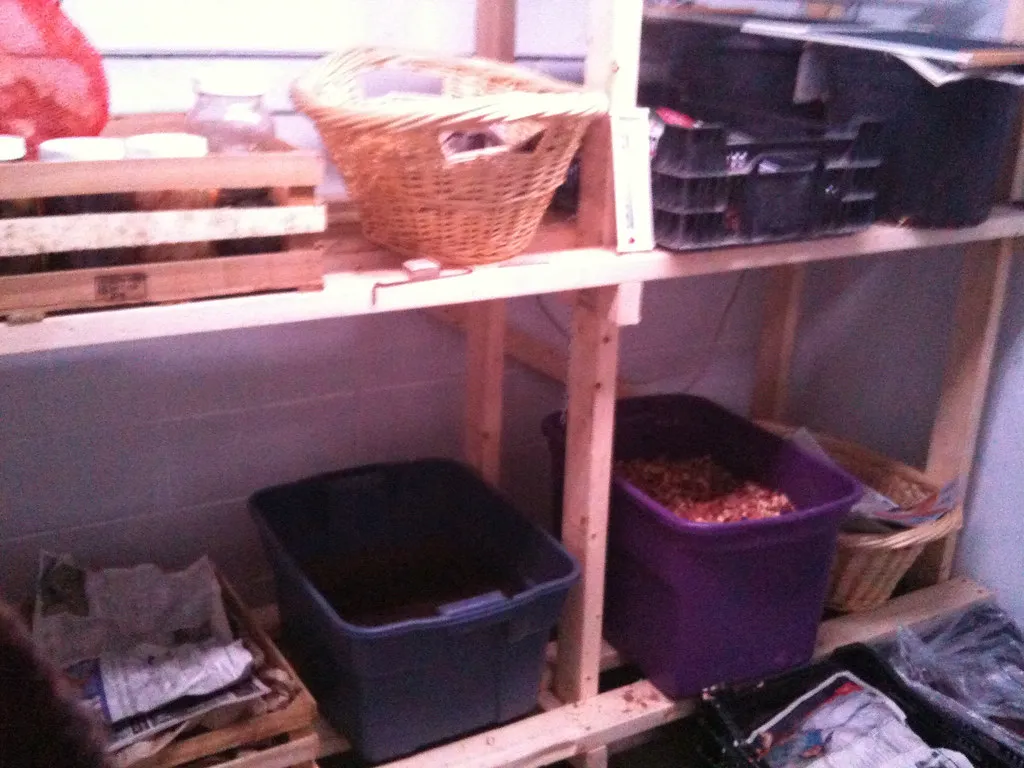
Today’s homes, with finished basements, concrete floors, and centralized heating systems, do not provide optimum conditions for long-term storage of produce without some modifications. However, with a little research and understanding of the science of storing produce, almost any space can be adapted for root-cellaring.
One modern example is a product called the Groundfridge, which borrows inspiration from traditional root cellars and offers a naturally cooled storage solution that operates entirely without electricity. With a massive 3,000-liter storage capacity, this underground unit is especially suited for those interested in more off-grid living.
In recent years, as more families focus on self-sufficiency and sustainability, root cellar storage is experiencing a renaissance. This traditional technique offers a natural way to extend the shelf life of a harvest without relying on electricity or preservatives. With modern innovations and better design practices, root cellar storage systems are more efficient and easier to maintain than ever before.
The Practical Rules That Make It Work
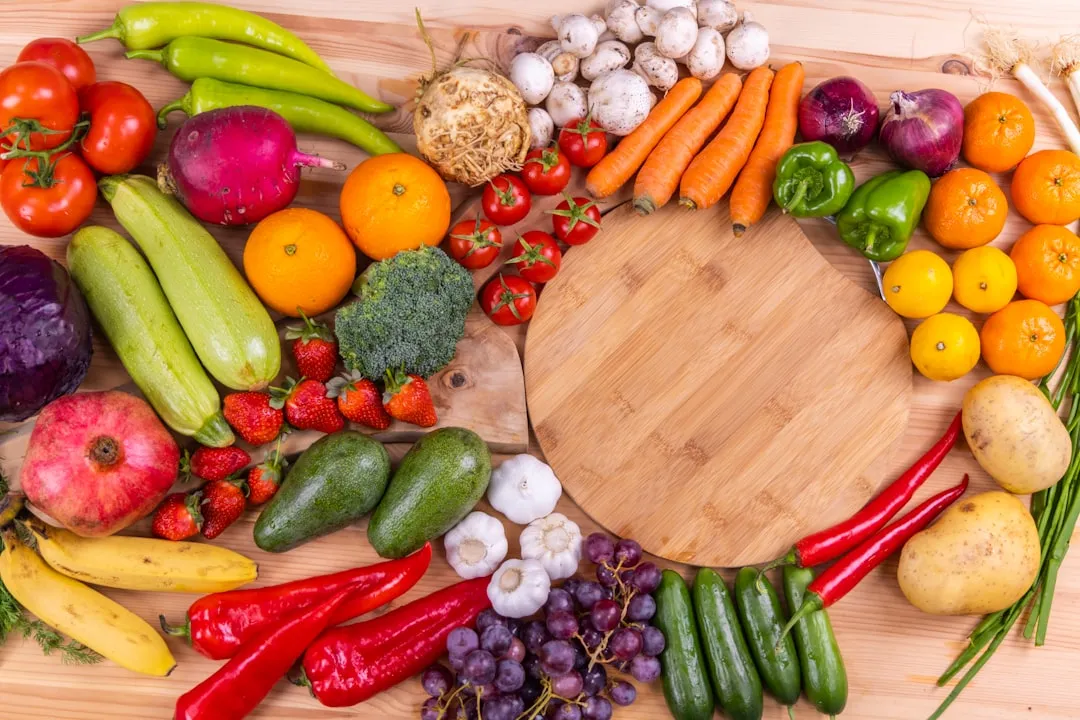
The length of time that fruits and vegetables keep well in root cellars depends on several factors: early or late crops (late-maturing crops store better), storage conditions (less-than-ideal conditions shorten storage life), and fruit and vegetable condition at storage time.
Handle food very gently to avoid bruising. Fruits and vegetables with bruises, cuts, or nicks will not store well. One damaged item, if not removed quickly, can cause a chain reaction of rot through everything nearby.
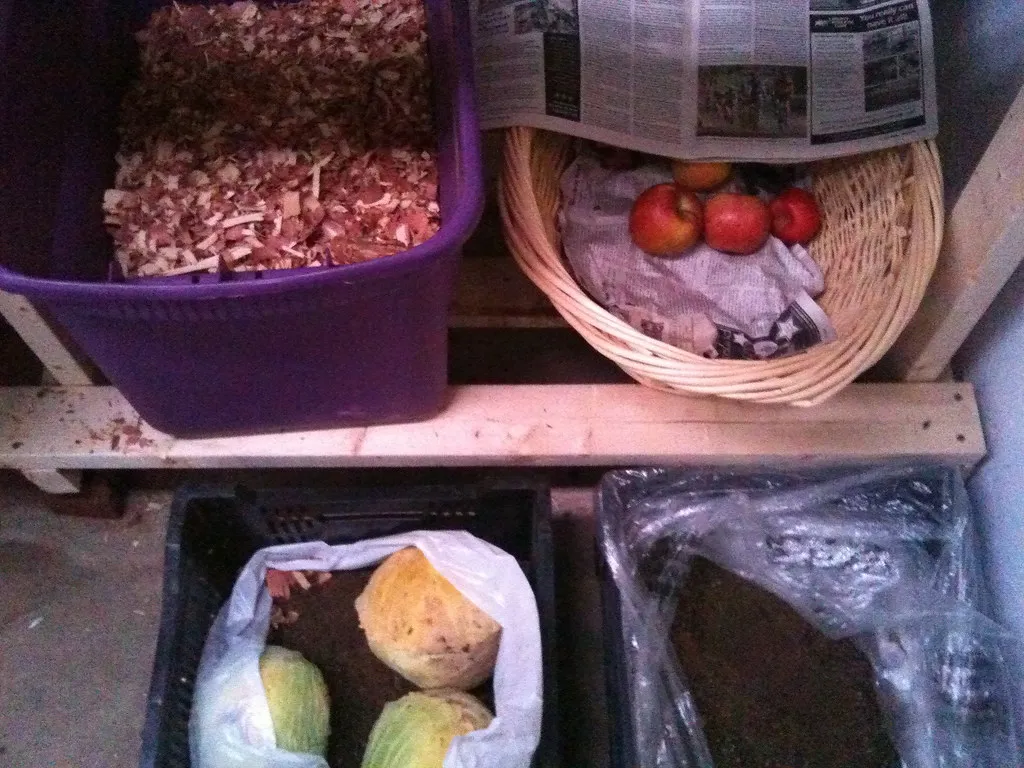
Try putting root crops in slightly damp sand, sawdust, or peat to boost moisture for carrots and parsnips especially. Never store apples and root vegetables together. Keep onions, garlic, and squash in spots with more ventilation and less humidity. Give bins and shelves a check every couple of weeks, and remove anything that is softening, molding, or starting to turn.
The Bigger Picture Worth Considering
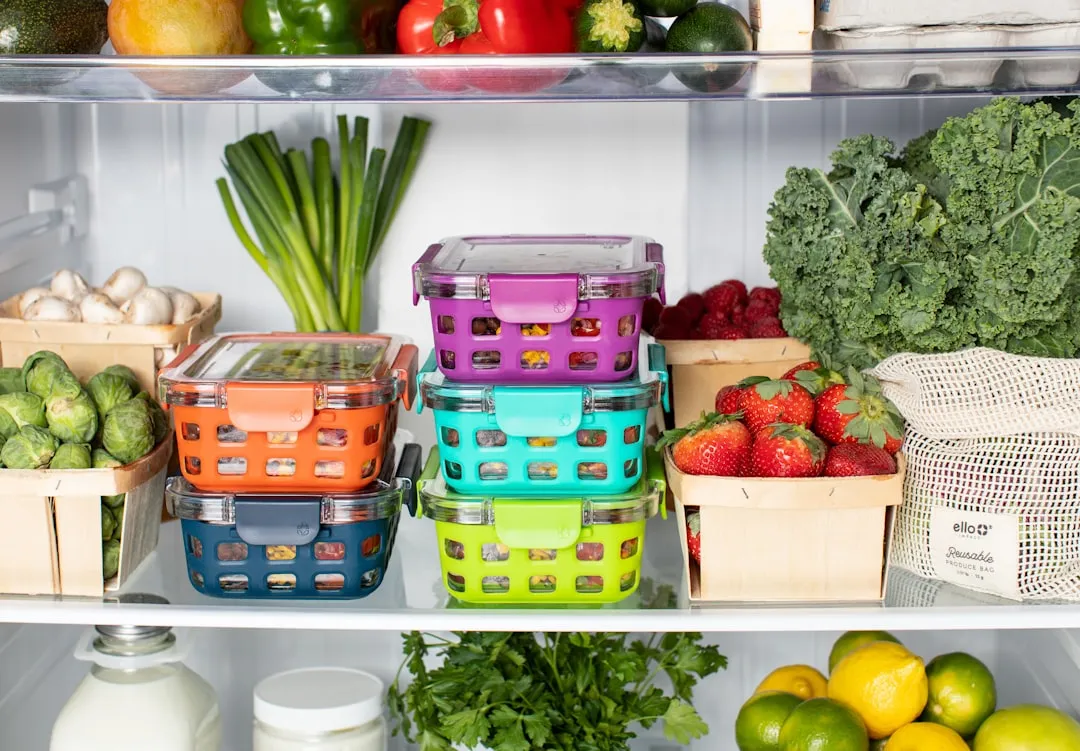
The fridge is not going anywhere. It’s essential for dairy, meat, leftovers, and dozens of other things. The root cellar was never meant to replace it entirely – it was meant to handle a different category of food, one that actually does better without the cold, dry air of a refrigerator.
In an age where fresh produce is often taken for granted and refrigeration dominates food preservation, the traditional root cellar remains a valuable and sustainable method for long-term food storage. Root cellars provide a natural environment that helps preserve vegetables, fruits, and other perishables for months without the need for electricity or modern technology.
The trick isn’t choosing one over the other. It’s understanding which foods belong where. Once that clicks, the root cellar stops being a quaint relic and starts being the smarter option for half of what comes out of the garden.
AI Disclaimer: This article was created with the assistance of AI tools and reviewed by a human editor.