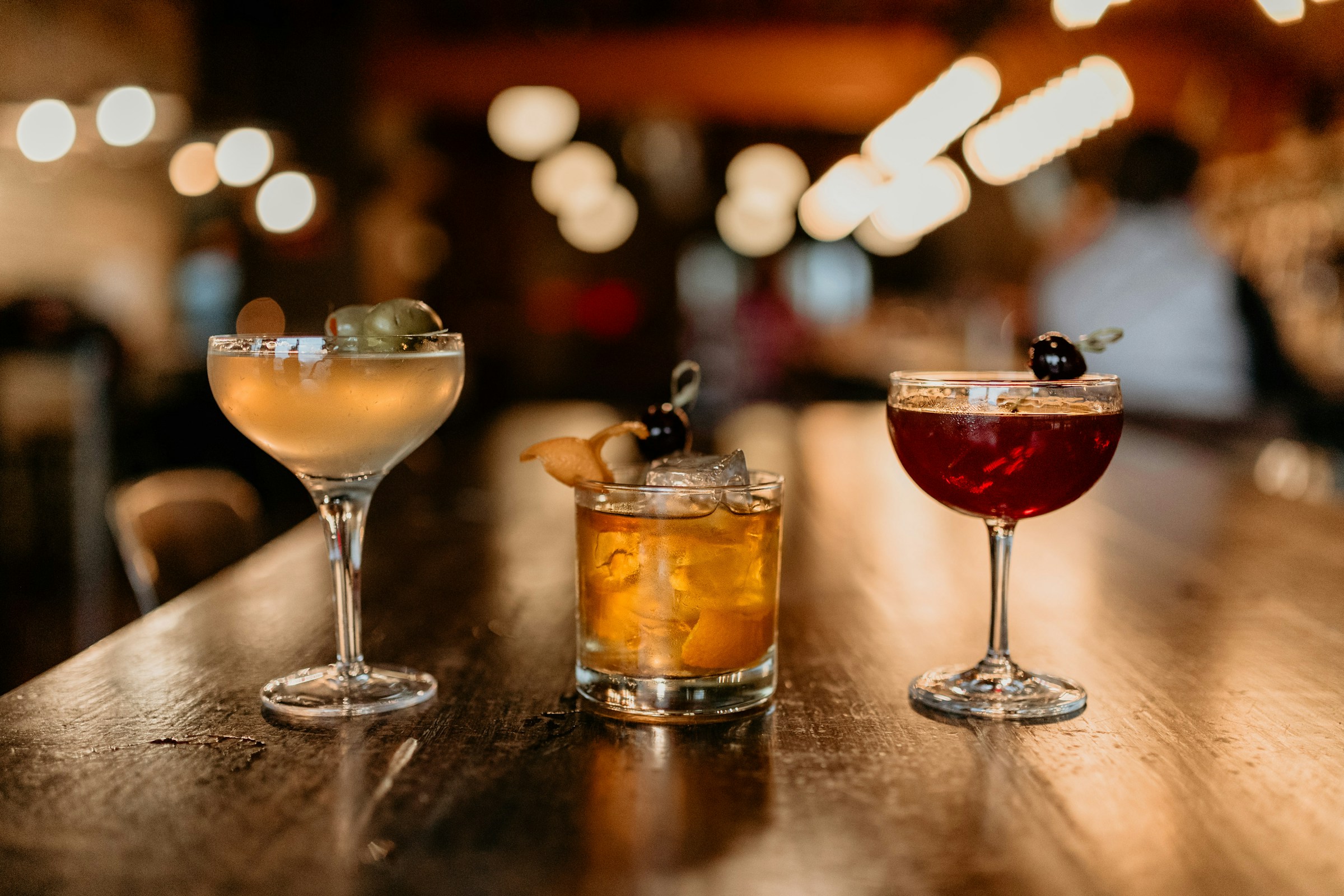

There used to be a specific window in the early evening, somewhere between the end of the workday and the start of dinner, when people would pause. They’d gather around a table with a low-proof drink, a few small bites, and each other. No rush, no agenda. That ritual never fully disappeared, but it spent a few decades being overshadowed by louder, faster bar culture. Now, quietly and with genuine momentum, it’s coming back.
The tradition in question is aperitivo, the Italian art of the pre-dinner drink and snack hour. As the most popular dinner reservation times trend earlier and daycaps (late afternoon drinks) replace post-dinner cocktails, bars and restaurants are forgoing happy hour for something with a chiller, more convivial vibe: aperitivo. It’s not a fleeting trend on a social media feed. It’s a slow, steady cultural recalibration, and the data behind it is more interesting than you might expect.
What Aperitivo Actually Is
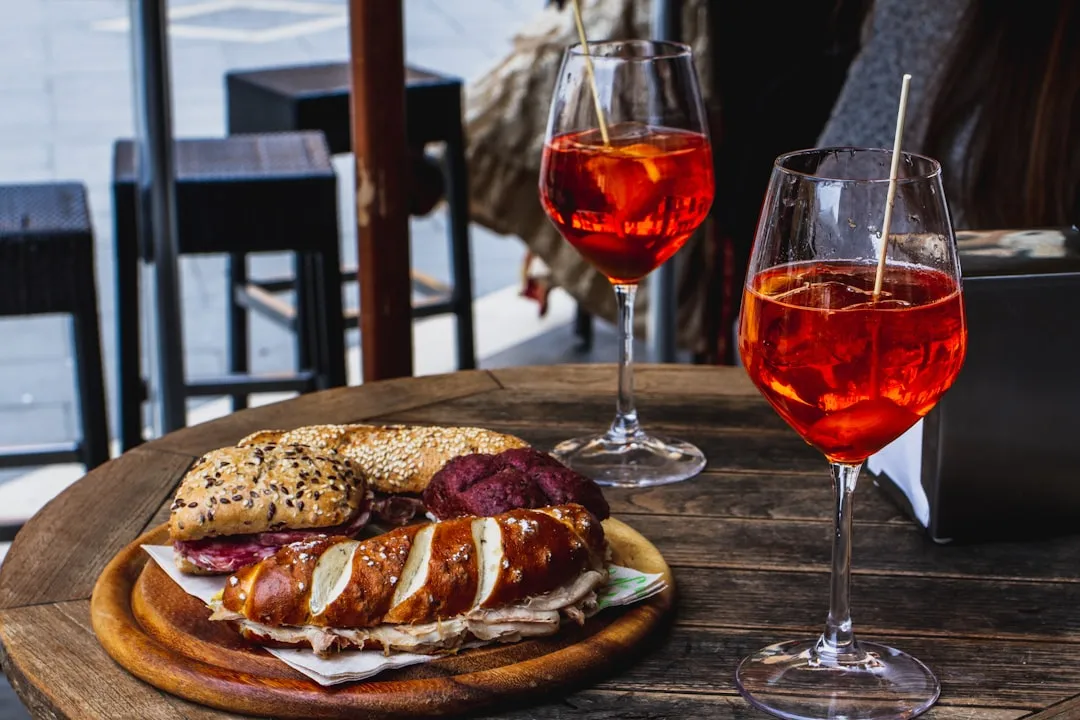
A longstanding European tradition, aperitivo, which means “to open” in Italian, refers to the late afternoon and early evening hours ripe for lighter-paced drinking and snacking. The word refers to an alcoholic beverage enjoyed before a meal in the late afternoon or early evening, but it’s more than just a drink. Aperitivo is a social ritual for Italians to unwind after work, catch up with friends, and enjoy the atmosphere.
While other countries have their own words for it, “apéro” in France, “la hora del Vermut” in Spain, the menu always includes fortified wines, bittersweet cocktails and liqueurs, and small bites meant to stimulate appetites. The point, at its core, is conversation first, drinking second. That distinction matters more than it might seem.
A Tradition with Deep Historical Roots
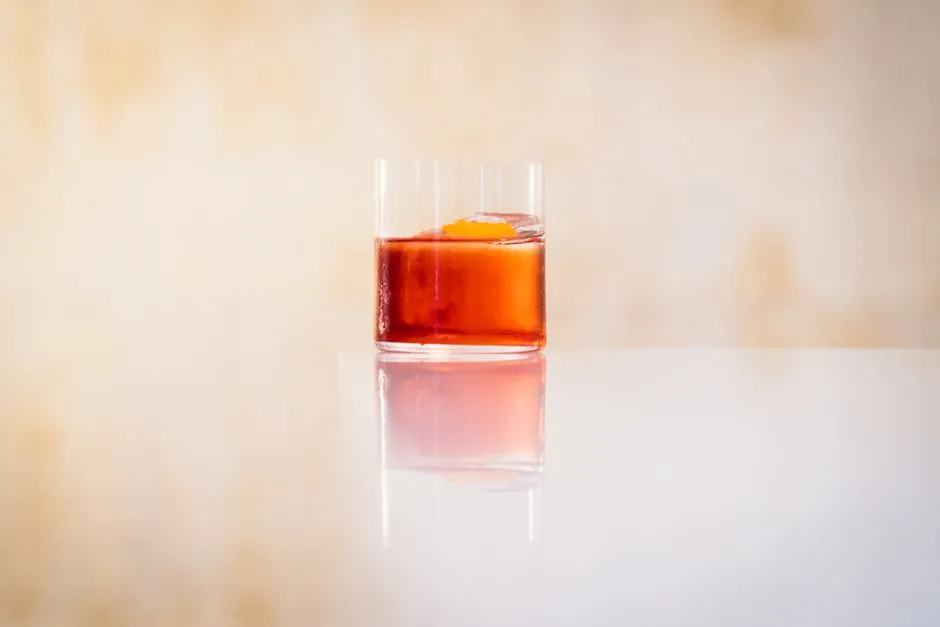
The aperitivo we know today emerged in the 18th century when vermouth was created. This fortified wine infused with botanicals became a popular pre-dinner drink due to its unique bitter-sweet taste. Over the 19th and 20th centuries, aperitivo evolved into a cherished social ritual focused on enjoying good company with a delicious pre-dinner drink.
Legend has it the ritual was started by Antonio Benedetto Carpano, the creator of modern vermouth, in Turin in the 1780s. He claimed he had concocted the perfect pre-dinner drink that balances bitter and aromatic herbs with fortified white wine to stimulate one’s appetite. Vermouth’s popularity grew so much that the ritual of aperitivo spread throughout the country.
In 1860, Gaspare Campari introduced his eponymous vibrant red, bitter beverage, widely served as an aperitivo with soda water or in cocktails like the Negroni and Americano, and the exact recipe for Campari remains a secret today. From those northern Italian roots, the whole modern aperitivo canon grew, Aperol Spritz, Negroni, Americano, drinks now recognized everywhere.
The Aperitivo Economy: Real Numbers Behind the Revival
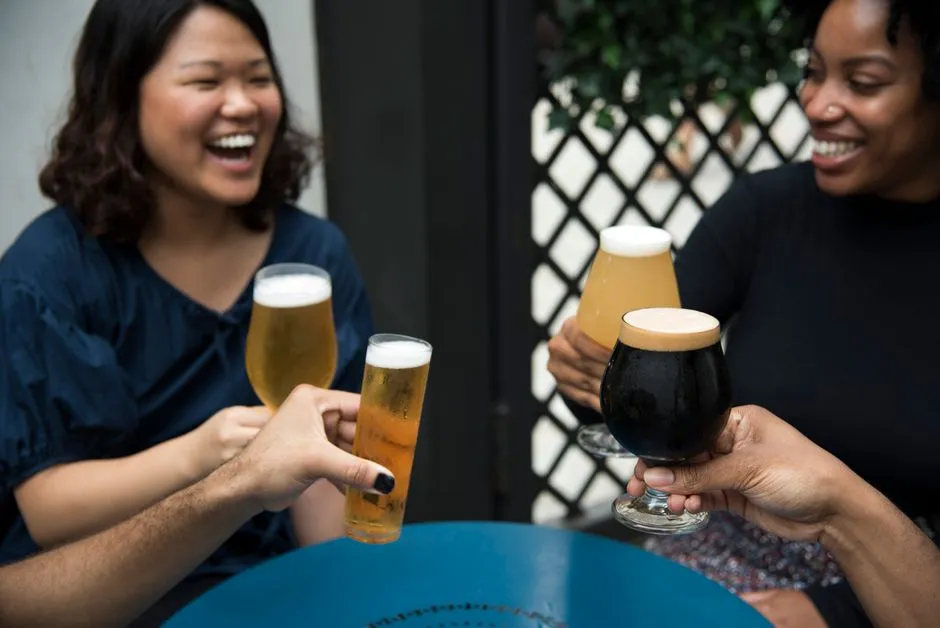
In the United States, happy hour is no longer just a quick after-work drink. It is increasingly becoming a true dinner alternative: a moment of relaxation, social connection and sharing that is drawing growing inspiration from the Italian Aperitivo tradition. Driven by rising living costs and the search for more affordable and informal dining options, Americans are reshaping their consumption habits.
According to Buyers Edge Platform, a company that tracks food purchasing trends across major U.S. restaurant chains, appetizer sales increased by 20% through August 2025, while entrée sales remained largely flat. More and more consumers are choosing to dine during happy hour, ordering appetizers and shareable plates instead of traditional full-course meals.
People are redefining what feels worth it, and seeking value where they can. This may be why happy hour is back in a big way as diners seek more bang for their buck while gathering and savoring time together. OpenTable’s 2026 Dining Trends Report, which drew on data from millions of U.S. reservations, backed this observation directly.
Why Aperitivo Is Winning Over Happy Hour
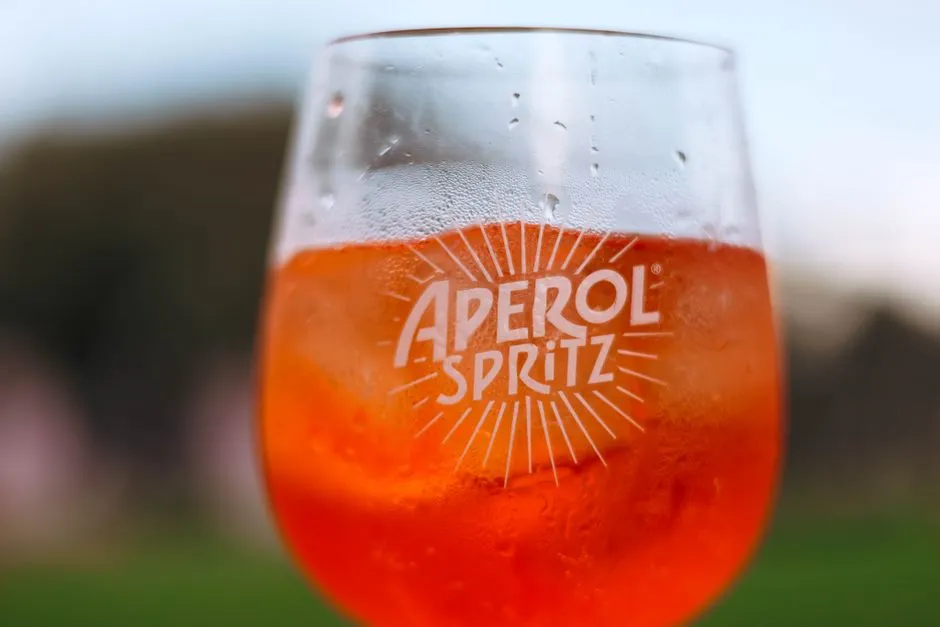
Signature aperitivo drinks, classic Negronis, savory vermouths, and bittersweet amari, aren’t as heavy or fast-paced as half-priced beer and shot specials, and often come with sidecars of salty snacks like cured meats, olives, and bread. Others, like an Aperol Spritz or an Americano perfecto, tend to be lower in ABV.
People are “drinking earlier, coming right from work, and getting a small spritz, a snack, and then going to dinner.” Michael Whiteman, a forecaster with the company Baum + Whiteman, believes Aperitivo Hour will be 2024’s Happy Hour. That prediction has, by most measures, proven accurate and carried well into 2026.
The Shift to Drinking Earlier in the Day
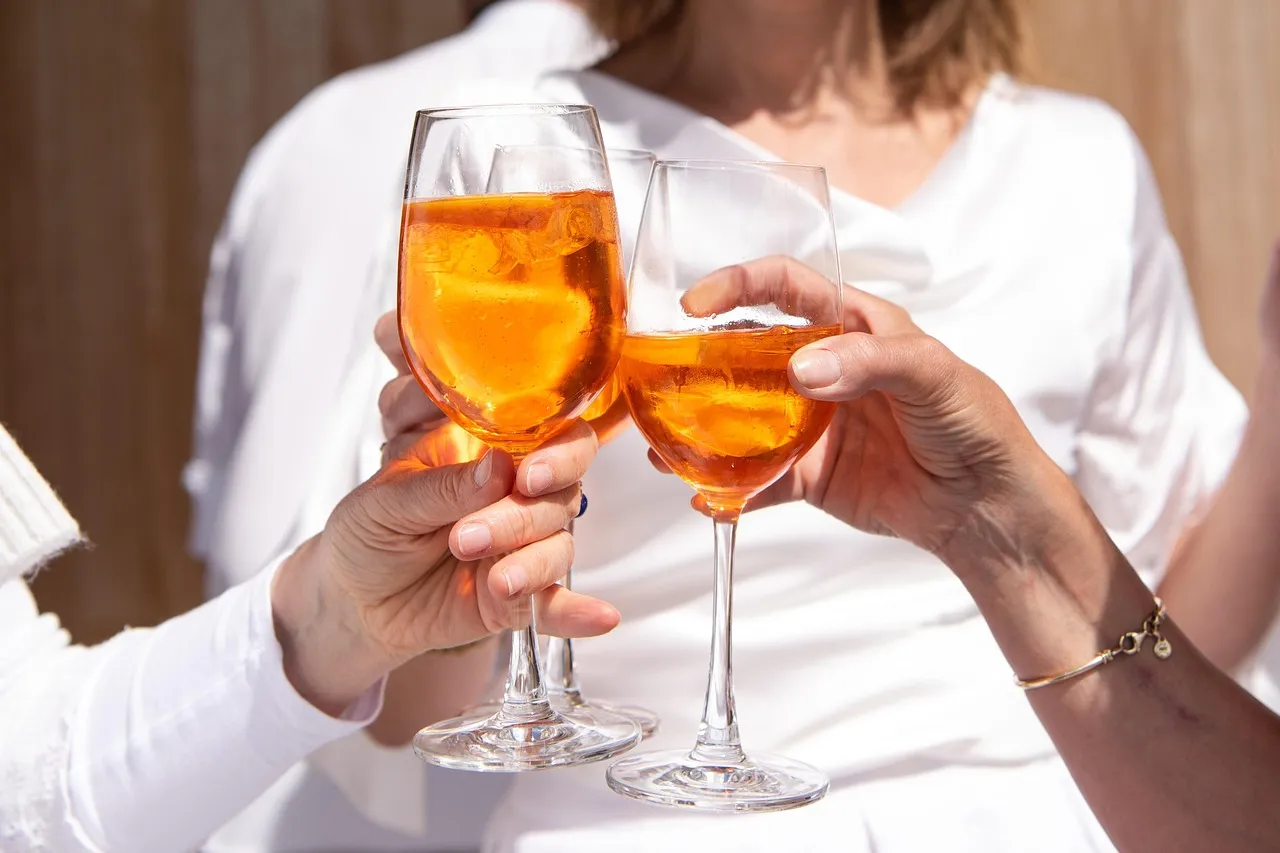
We’re officially in our day-drinking era, but not in the boozy, bottomless way. Think: mini martinis, spritzes, low-ABV cocktails, daycaps, and celebratory sips meant to pair with 5 p.m. sunsets rather than 11 p.m. dance floors.
Resy’s recent trend report found that in the last year more people dined between 5 and 6 p.m. than in the three hours between 8 and 11 p.m. In fact, there are more reservations being made at 4 p.m. than at 9 p.m., as it seems the pandemic shift is here to stay.
With roughly a third of younger U.S. consumers choosing to “drink, eat, and socialize earlier in the evening,” the evening timeline itself has been quietly renegotiated. That earlier rhythm is precisely what aperitivo was built for, a fact that gives the old tradition a surprisingly modern fit.
The Low-ABV Wave Fueling the Aperitivo Comeback
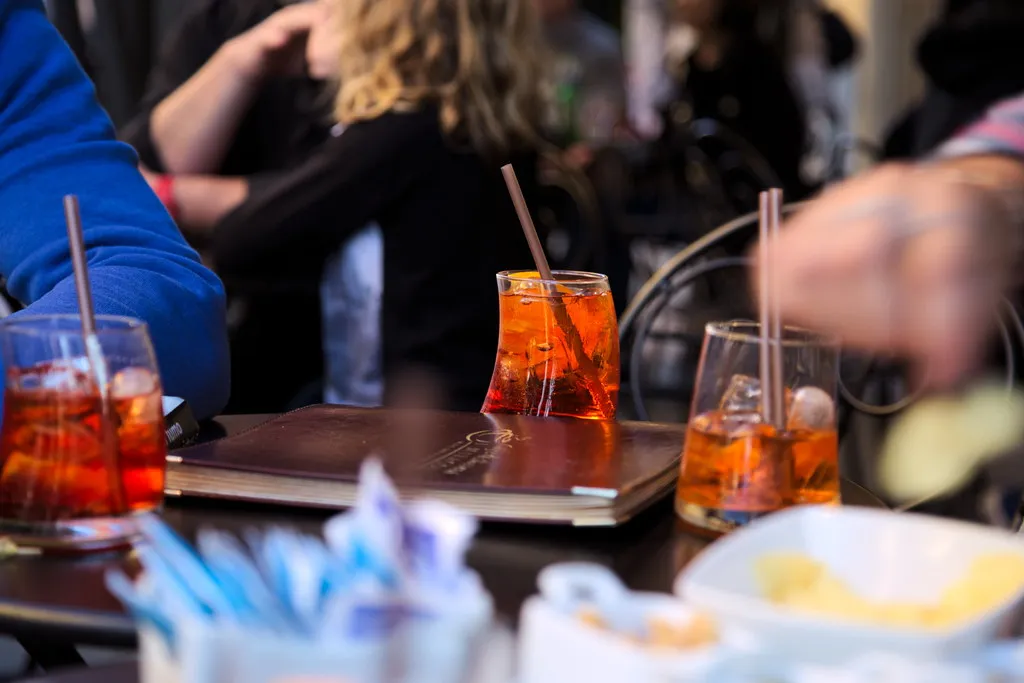
One of the most significant shifts in drinking culture from 2024 through 2026 is the aperitif revival, the rise of low-alcohol, bitter or herbal drinks meant for sipping and socializing. The poster child was the Aperol Spritz, but as we move into 2026, the spritz is evolving and spawning new trends.
Low-alcohol cocktails have resonated with consumers, with roughly two thirds awareness among consumers and about half expressing interest, according to Datassential. Among 3,000 adults surveyed in October 2025, awareness of low-alcohol cocktails under 3% ABV was up noticeably from 2024, and interest had climbed in the same period.
Aperitivos like spritzes continue to grow in popularity. The Aperol Spritz led the way, but the Campari Spritz, Cocchi Americano, and other fizzy low-proof cocktails are moving up. The aperitivo format has become, almost by accident, one of the most natural expressions of the moderation movement.
How Cities Are Embracing the Aperitivo Ritual
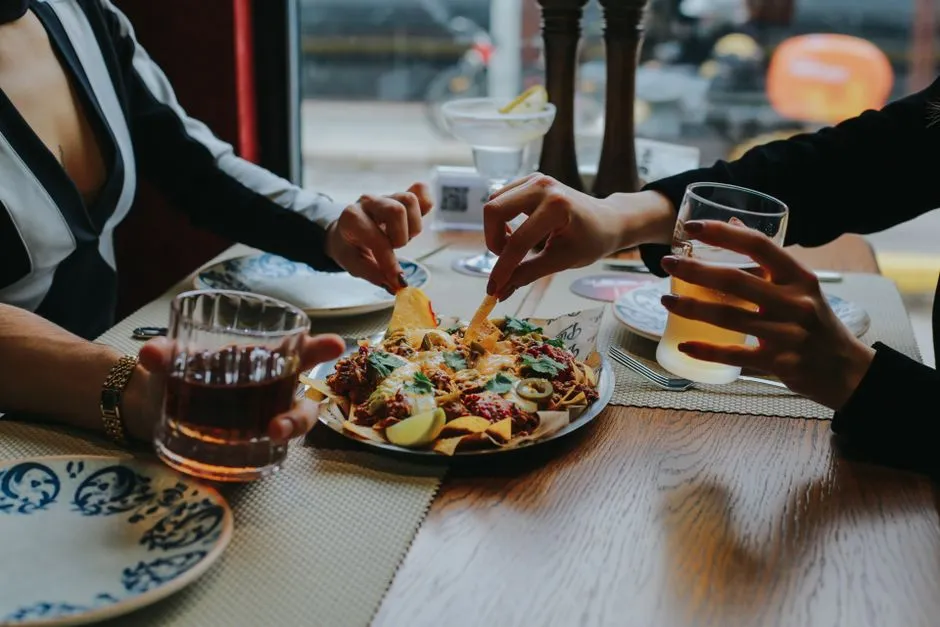
As the most popular dinner reservation times trend earlier, some Philadelphia bars and restaurants are forgoing happy hour for something with a chiller, convivial vibe: aperitivo. Prices at aperitivo tend to hover at $8 to $16, roughly between the cost of a beer or glass of wine, which can attract customers during slower weekday business hours.
In one Philadelphia restaurant, 2026 has been described as “our busiest year on record by a long shot” with an uptick in patio reservations, where all-you-can-eat northern Italian aperitivo events take place. Similarly, at Fishtown’s Caletta, a midweek bump has been seen with more guests requesting aperitivo hours even during offseason months.
Operators are leaning into food-driven aperitivo hours to stretch out the day longer and cater to diners that are going home earlier and drinking less. The model works commercially too, filling seats during hours that would otherwise go quiet.
Classic Cocktails Getting Their Moment Back
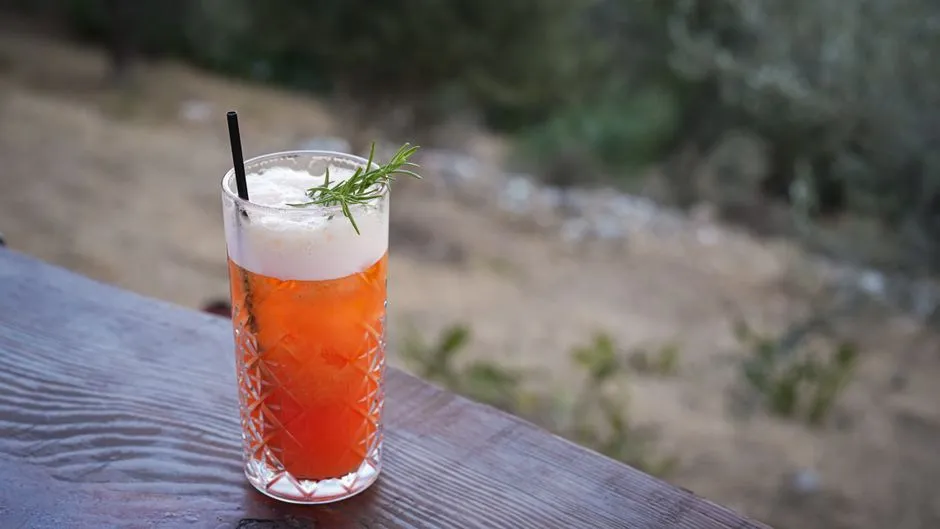
With the return to basics in 2024, a resurgence of old-school cocktails that had gone out of style for a few decades was noted. Drinks like the cosmopolitan, espresso martini, and daiquiri made a big splash during the ’90s but were considered dated during the 2000s and 2010s. In the past four years, these delightful cocktails made a comeback in a big way.
Over 2025, there was an explosion of interest in aperitivo-style cocktails and Martini variations, much of which carries into 2026. The Aperol Spritz’s enormous popularity in recent years opened the door for other Italian aperitivo cocktails to shine. The classic Garibaldi is now poised to potentially “unseat the Aperol Spritz as the aperitivo of choice,” according to one 2026 trends forecast. The Garibaldi is a simple, low-proof mix of Campari and orange juice, with its appeal rooted in that refreshing citrus-forward flavor and beautiful sunset-orange color.
Gen Z Is Drinking Differently, Not Less
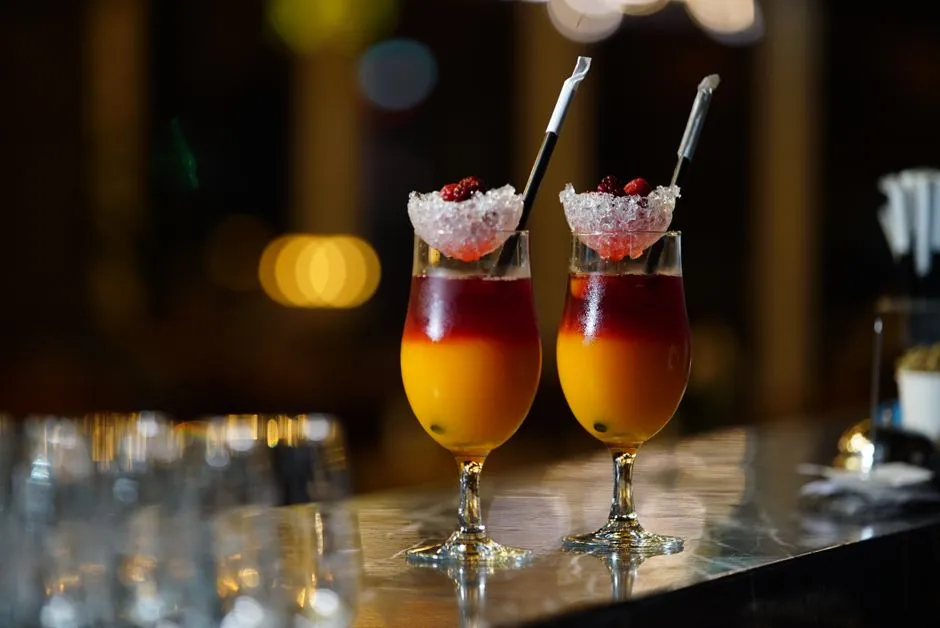
The 2026 Bacardi Cocktail Trends Report indicates that Gen Zers’ coming-of-age social rituals are finding their rhythm with cocktail culture, and that their spend now matches the average across cohorts. Legal-drinking-age Gen Z consumers are “drinking differently” rather than “drinking less,” meaning choosing low-ABV spritzers and dessert-inspired cocktails, small-format cocktails, and embracing the “daycap” influenced by European Gen Z consumers.
An IWSR Bevtrac survey released in June 2025 showed Gen Z’s alcohol consumption was now “broadly in line” with other generations, suggesting many are pushing back against the moderation trend and re-engaging with alcohol. The aperitivo hour, with its low-stakes format and built-in social ease, fits that re-engagement perfectly.
In 2025, less is more when it comes to cocktails. The minimalist cocktail trend emphasizes quality over quantity, bringing three-ingredient cocktails back into the spotlight. That sensibility maps almost exactly onto what aperitivo has always offered.
The Food Factor: Why Bites Matter as Much as the Drink
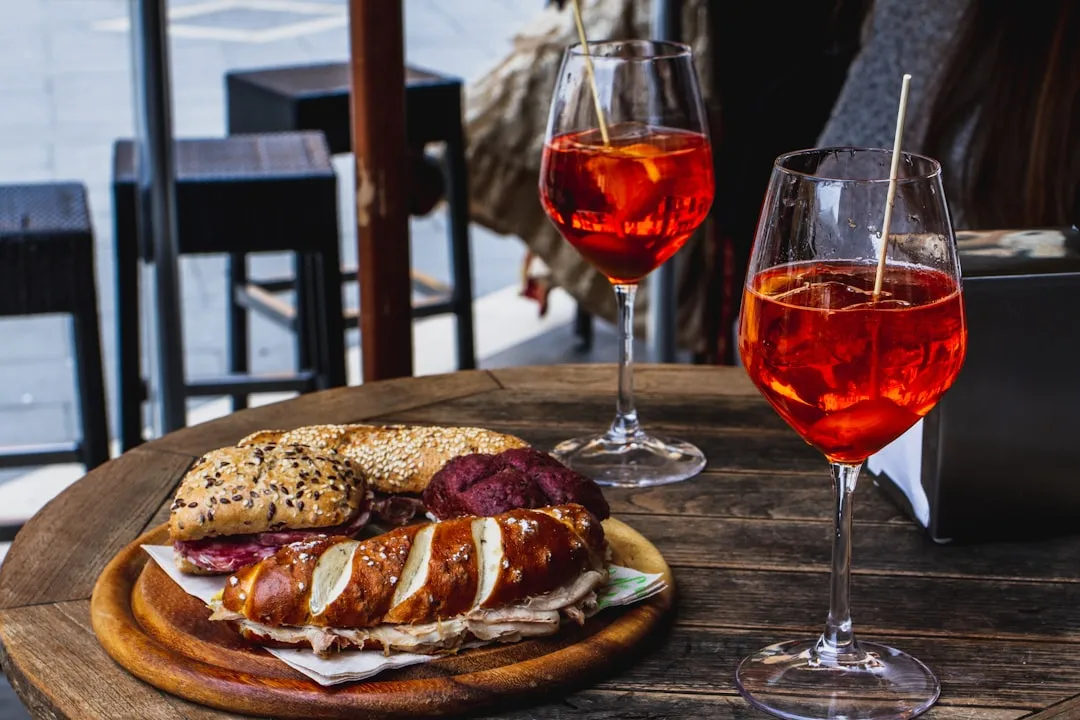
What sets Aperitivo apart is that drinks come with complimentary food, ranging from light snacks to full buffets, making it a unique Italian happy hour. In this evolving landscape, the symbols of Italian conviviality are taking center stage: charcuterie boards, focaccia, pinsa, sheet-pan pizza, and schiacciata become the choice to be shared among friends and family. Simple yet flavorful foods reflect a culinary culture built around authentic ingredients and moments of togetherness.
Nowadays, aperitivo is becoming apericena, a mix of aperitivo and dinner. You’ll find most Italian bars serving a buffet of antipasti, pizza and pasta to accompany your drink. The American version is catching up quickly. Shareable plates have become the social currency of the early evening, and that fits the aperitivo format naturally.
The Takeaway
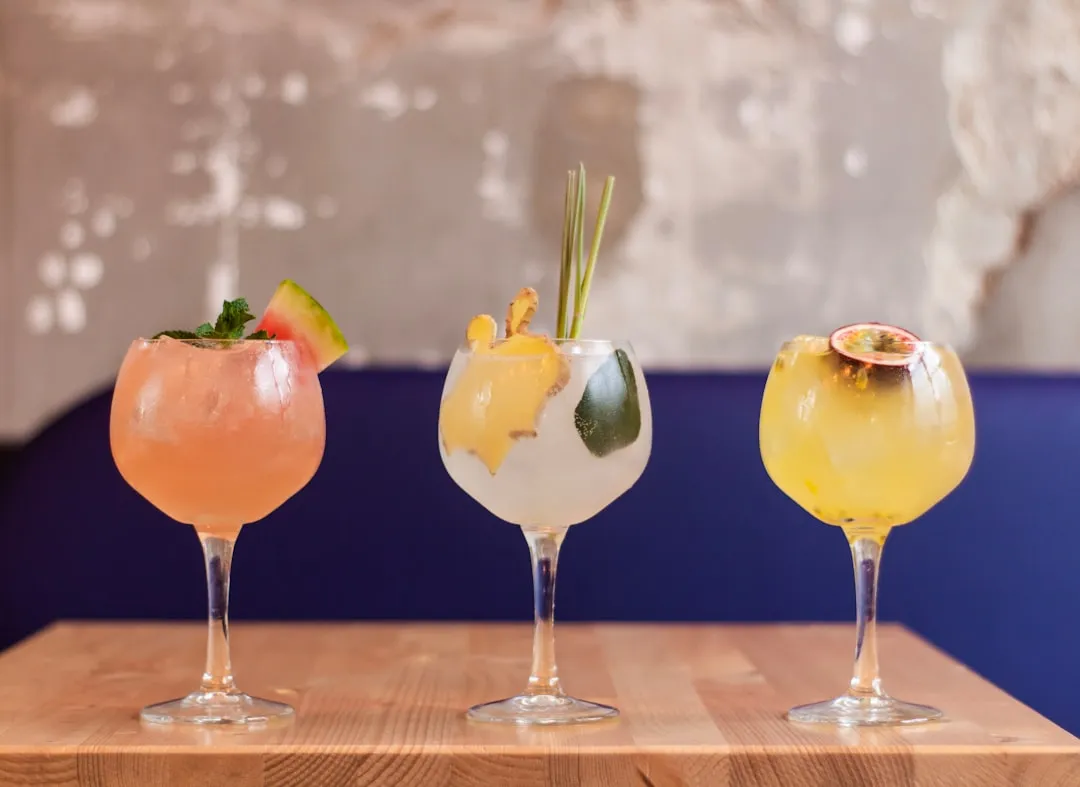
The cocktail hour tradition that seemed to belong to a more leisurely, European way of life turns out to be a remarkably practical answer to how people actually want to spend their evenings in 2026. Heading into 2026, cocktail culture is undergoing a vibe shift that feels bigger, more intentional, and more creative than anything seen in years. Bacardi’s 2026 Cocktail Trends Report forecasts exactly that: drinking that’s less about excess and more about experience.
Aperitivo succeeds because it asks so little and offers so much: a good drink, something to eat, a reason to sit down with someone you care about before the evening fully begins. That’s not a trend. That’s something people have always wanted, and it turns out they’re finding it again, one slow, low-proof evening at a time.
AI Disclaimer: This article was created with the assistance of AI tools and reviewed by a human editor.