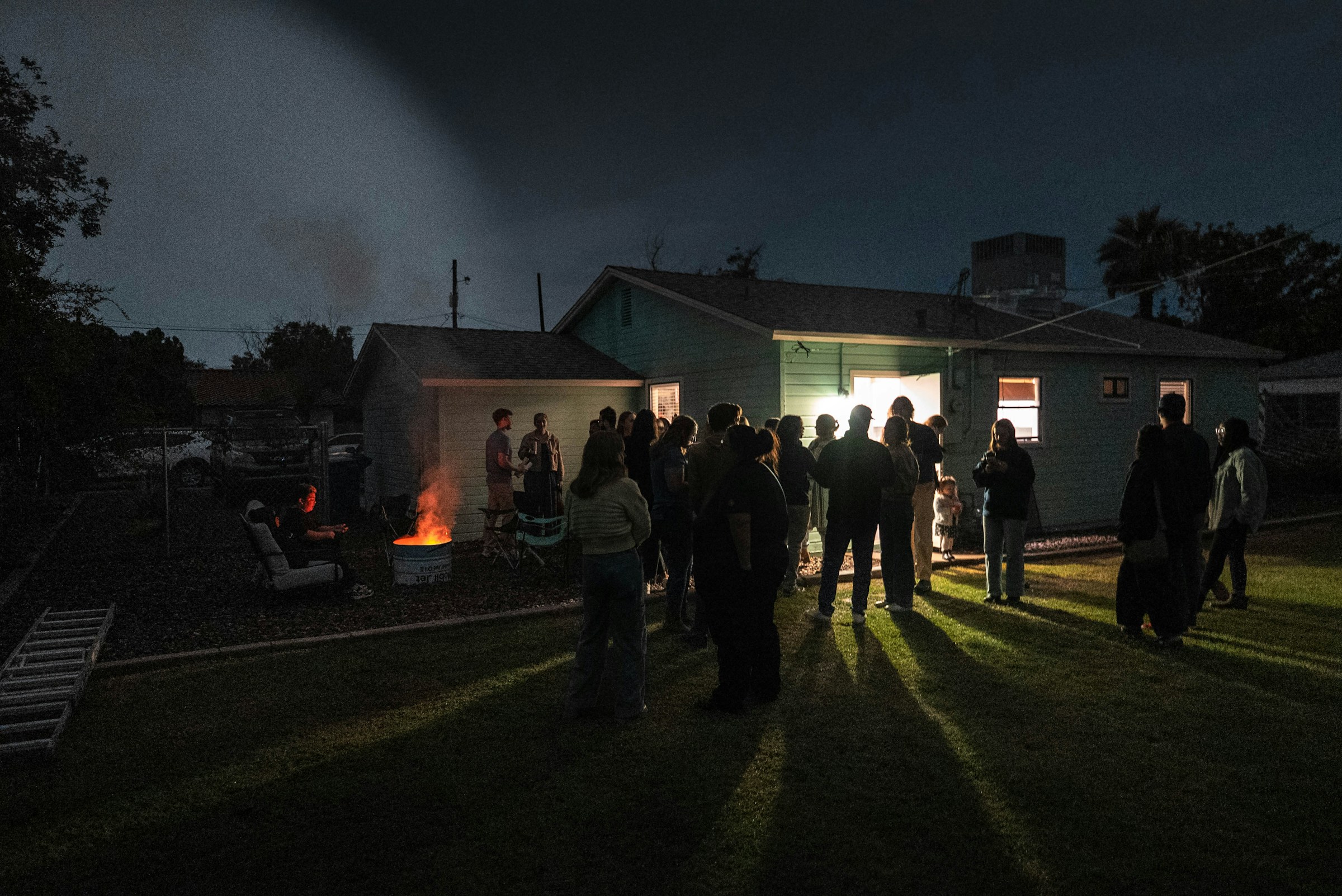

There’s a particular sound that used to define summer evenings in almost every American neighborhood: the low hum of conversation drifting over a fence, the clink of a spatula against a grill, kids chasing each other between yards that had no real boundary at all. It wasn’t a formal event. No one sent invitations. It simply happened, again and again, because that’s what neighbors did.
That kind of casual, recurring gathering has quietly faded from most communities, and the data on what replaced it tells a fairly clear story.
The Ritual Nobody Planned, Yet Everyone Attended

Before block associations and neighborhood apps, the backyard cookout functioned as an unspoken civic institution. Barbecue has long served as more than a meal, acting as a reason for people to gather, celebrate, and connect across a fence line or a shared driveway.
Rooted in tradition and flavor, it offered communities a reason to gather, celebrate, and connect, with barbecues playing a central role in bringing people together and allowing them to share stories and preserve traditions. It didn’t require an RSVP or a committee. It required a grill, some daylight left in the evening, and neighbors who were already outside.
What The Numbers Say About Neighborly Contact Today
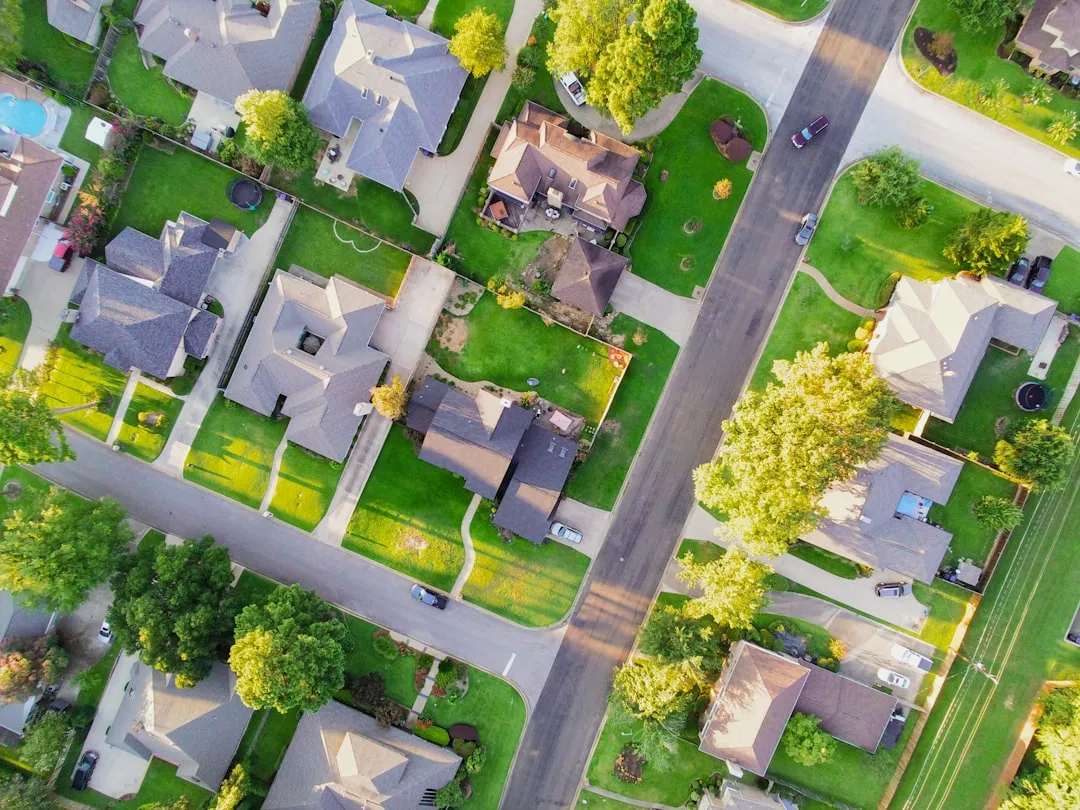
The decline isn’t just nostalgia talking. According to a large recent survey effort, the frequency of neighborly interactions has plummeted over the past decade, with the withdrawal particularly prevalent among young adults while seniors have remained more consistently in touch with their neighbors.
That same research, conducted by AEI’s Survey Center on American Life through interviews with over five thousand adults in October 2025, also found that education level shapes how connected people feel to those living closest to them. College-educated Americans experience stronger neighborhood ties, are more trusting of their neighbors, socialize with them more frequently, and are quicker to rely on them for help in times of need compared with those who have a high school degree or less.
The Long Slide Started Decades Before Smartphones
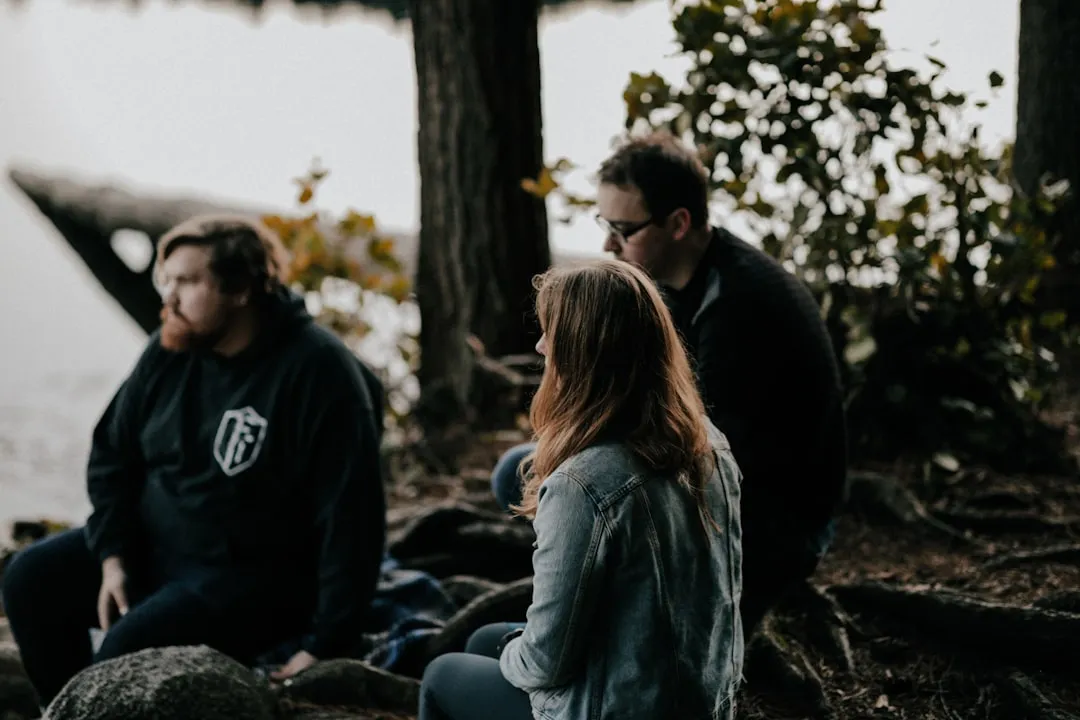
This erosion of casual neighborliness didn’t begin with social media. Political scientist Robert Putnam tracked the pattern back much further, documenting a slow but steady decline in the proportion of Americans who socialize with their neighbors more than once a year, falling from seventy two percent in 1974 to sixty one percent in 1993.
His broader research pointed to a wider collapse in the kinds of informal, in person gatherings that once knit communities together. Putnam described the reduction in all the forms of in person social intercourse upon which Americans used to found, educate, and enrich the fabric of their social lives, arguing that this undermines the active civic engagement a strong democracy requires.
Why Sharing A Meal Outdoors Actually Changes How We Feel

There’s a physiological and emotional reason the backyard gathering mattered so much, and it isn’t just sentiment. Research cited from Oxford University found that people who eat socially report being happier and “more satisfied with life, more trusting of others, more engaged with their local communities and have more friends they can depend on for support.”
The same body of work noted that communal eating tends to strengthen social bonds and boost overall well being within a community. That’s a fairly significant return on investment for something as simple as burgers on a grill and a folding table dragged into the grass.
The Backyard Fence Became A Wall, Not A Boundary
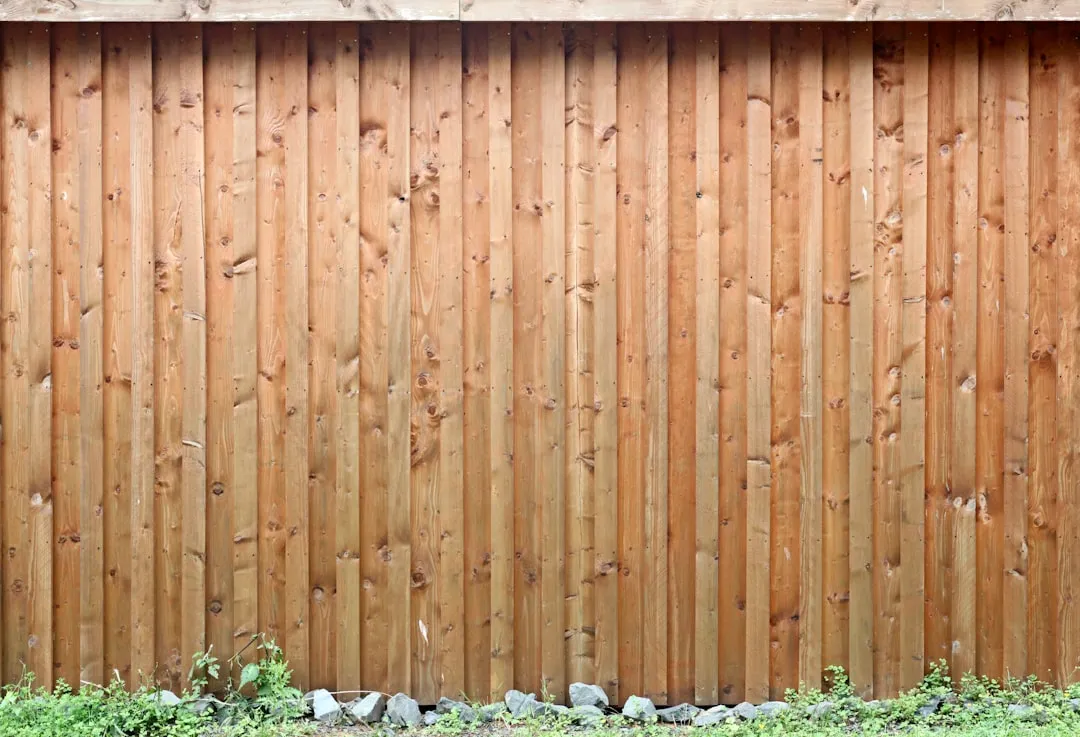
Part of what changed is physical, not just cultural. Suburban yards have steadily filled with taller, more solid privacy fencing, a shift that reflects a broader desire for seclusion rather than connection.
Most urban and suburban backyards today measure only thirty to sixty feet wide, with neighboring windows just fifteen to twenty five feet away, close enough to see directly into a patio or garden, which is precisely the proximity that once made informal visiting so easy and now makes people reach for taller barriers instead. The fence used to mark where one lawn ended and another began. Increasingly, it marks where conversation stops.
Suburban Design Quietly Discouraged The Habit
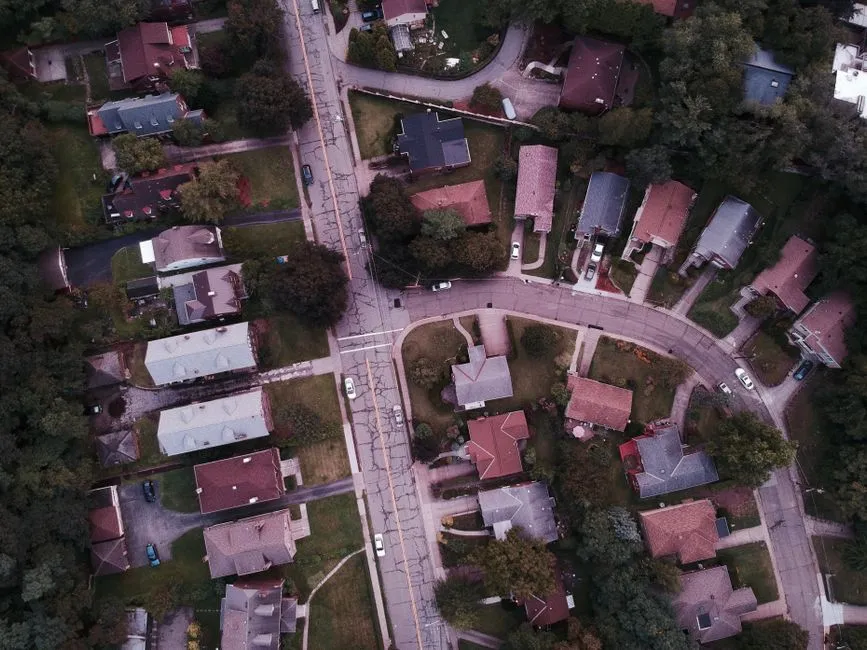
Urban planners and public health researchers have pointed to the built environment itself as a contributing factor. Factors associated with the decline of social capital in recent decades include pressures of time and money on families, long commutes, television usage, and generational change, with many of these factors related to suburbanization.
Wider lots, longer driveways, and cul de sacs designed for cars rather than foot traffic all reduced the chance encounters that used to spark a spontaneous invitation to stay for dinner. When a neighborhood is built around privacy rather than proximity, the backyard tradition simply has fewer opportunities to happen.
The Pandemic Briefly Revived What Had Been Fading

Oddly enough, one of the more recent nudges back toward outdoor neighborliness came from an unlikely source. For many people, the years of the pandemic turned lives further outward, toward the shared outdoor spaces of the neighborhood, as porches and yards became the only socially acceptable meeting ground for a while.
In places with a strong walkable layout, that shift stuck. One writer described living on a walkable street with a civic sensibility and a thriving porch culture, where people are likely to encounter strangers on a daily basis and acknowledge them with a nod, a small but telling sign that the old habit hadn’t disappeared everywhere.
Trust Between Neighbors Has Not Kept Pace With Trust Between Friends

It’s worth separating out what exactly has weakened, because not every kind of social bond has eroded equally. Long running survey data shows that bridging social capital, the ties across diverse social groups, tends to be much weaker than bonding social capital, the close ties within families and among close friends.
In practice, that means people still see their close friends and relatives roughly as often as they used to, but the loose, low stakes relationships with the people living three doors down have thinned considerably. Backyard cookouts were precisely the kind of low effort event that used to bridge that gap, requiring nothing more than proximity and a bit of free time.
Barbecue Culture Still Carries The Torch, Even If The Backyard Has Shrunk

The tradition hasn’t vanished entirely, it has simply moved. Barbecue remains a beloved ritual today at family reunions, church picnics, political rallies, neighborhood block parties, and charitable fundraisers, suggesting the underlying instinct to gather over a grill persists even as the everyday backyard version has become rarer.
Public parks in some countries have leaned into this by installing free community barbecues specifically to keep the ritual alive outside private yards. Public barbecues provide a place that brings people together to foster social interactions and a sense of community, making it an invaluable asset to any public park.
Bringing The Habit Back Doesn’t Require Much
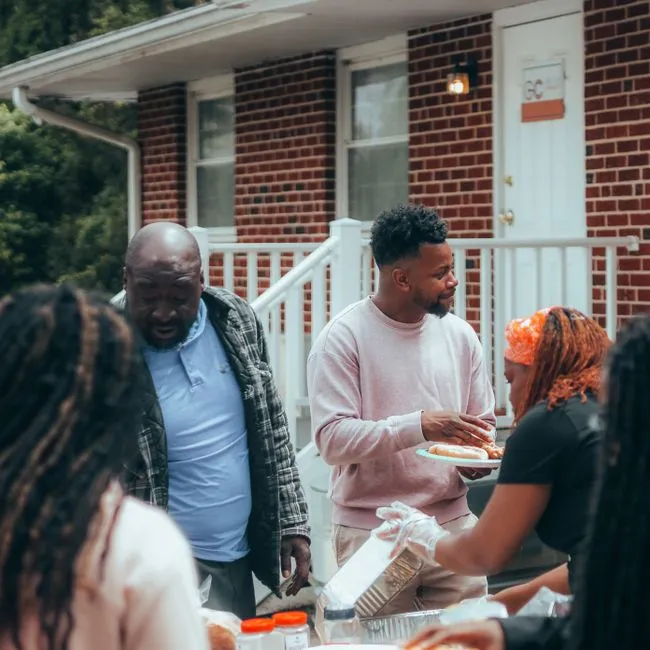
Reviving this kind of neighborhood contact turns out to be less complicated than fixing most social problems. Community organizers often point to something as simple as a spring cookout, noting that a spring barbecue in a backyard could encourage families to socialize while children play nearby. Suggestions include rotating potluck dinners where residents bring a dish to share, which can spark conversations and allow neighbors to showcase their culinary traditions, or simply themed evenings built around food rather than formal agendas. None of it demands a budget or a permit, just a willingness to be the first person on the block who drags a folding table into the front yard.
Neighborhoods don’t need grand civic programs to rebuild the kind of trust that made them feel like communities rather than just addresses. The research is fairly consistent on this point, showing that informal, recurring contact, the kind that used to happen over a fence with a paper plate in hand, does more for local trust than most structured interventions ever could. The backyard tradition wasn’t sophisticated, and that was exactly its strength. It asked for very little and quietly delivered something increasingly rare: neighbors who actually knew each other’s names.
AI Disclaimer: This article was created with the assistance of AI tools and reviewed by a human editor.