
The Conventional Bowl May Be Doing More Harm Than Good
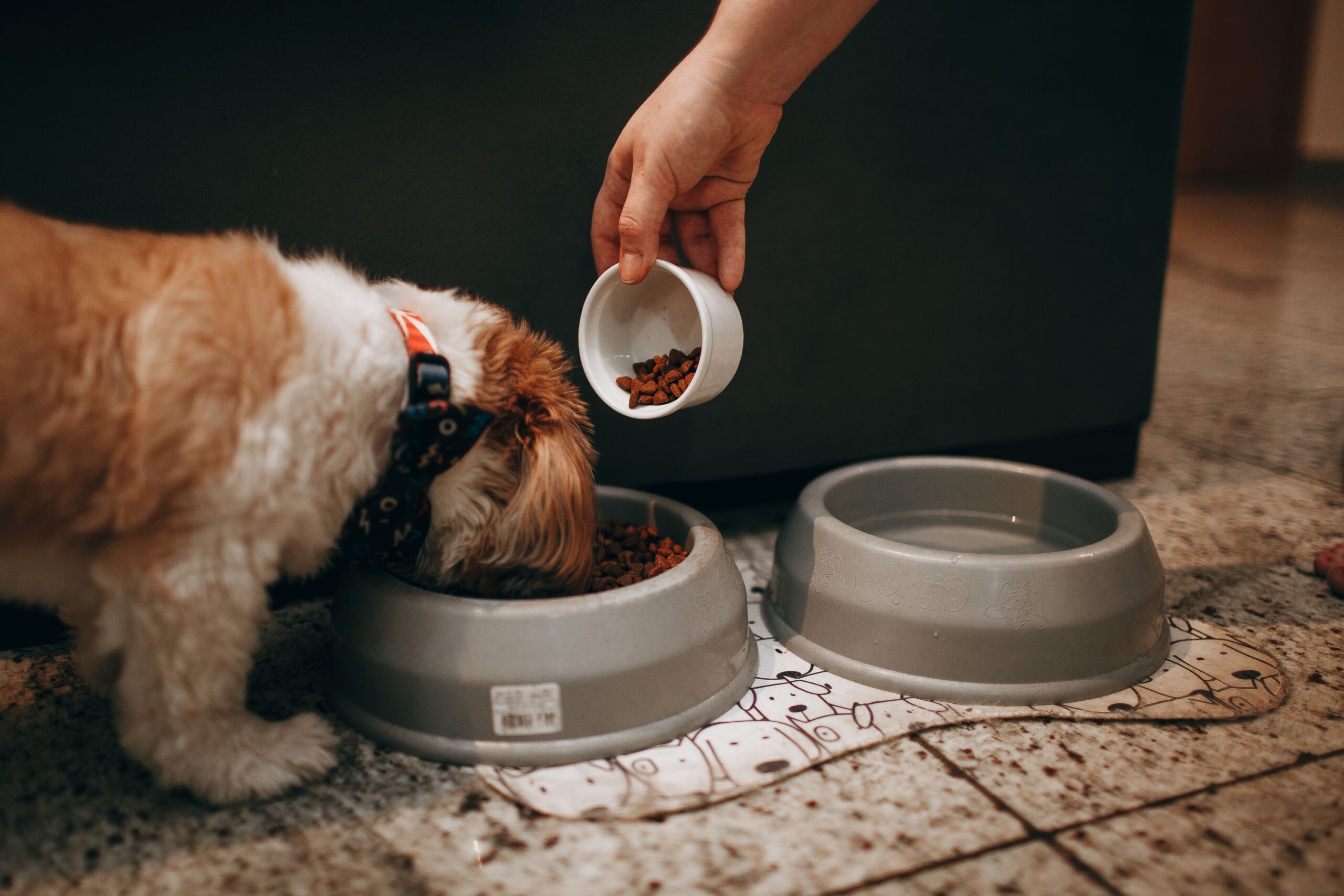
A conventional feeding bowl is the primary method that dog owners use to feed their dogs, but this may not encourage natural behaviors and may even exacerbate unwanted behaviors. That’s a straightforward conclusion from published research, yet millions of dogs still eat every meal from a flat or shallow dish placed on the floor without a second thought.
The primary method of feeding uses a stainless bowl, and this conventional feeding technique is boring, does not sufficiently mimic natural behavior, and may be related to obesity. Boredom and stress are closely linked in dogs, and a meal that’s over in under two minutes offers almost no mental engagement.
Dogs Are Wired to Hunt, Not to Scoop From a Dish
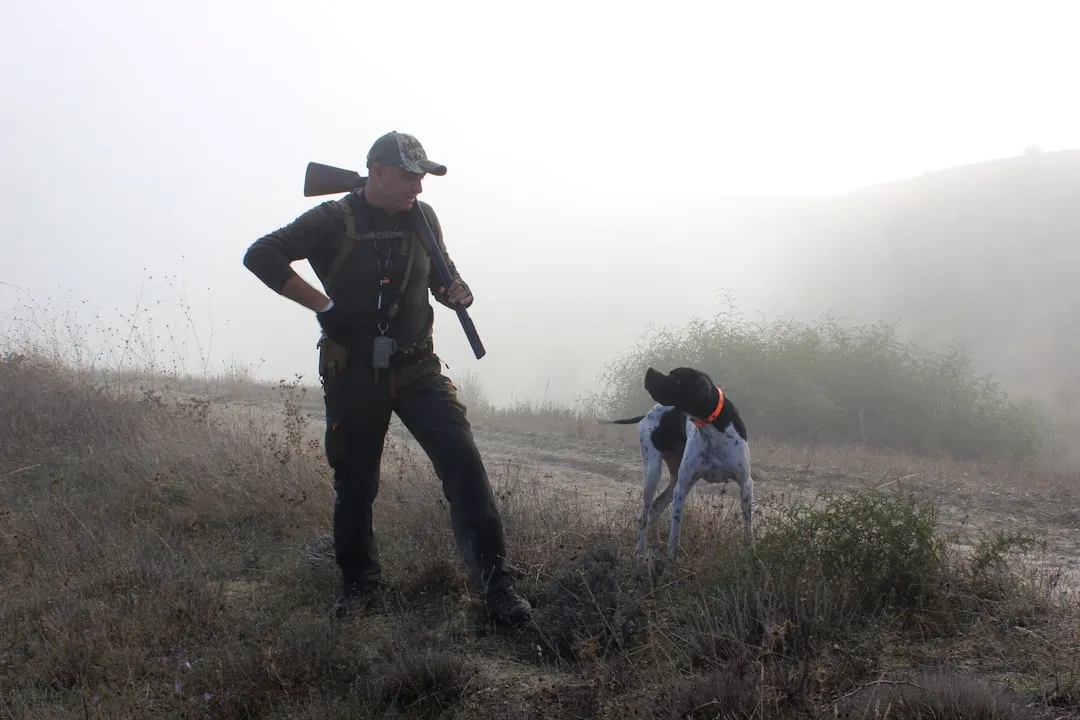
Dogs are motivated to hunt, chase, stalk, scavenge, tear, and chew, and eating a bowl of kibble doesn’t satisfy any of these behavioral needs. This matters more than most owners realize, because unmet behavioral drives don’t simply disappear at the end of mealtime.
Dogs have behavioral needs related to feeding that might not be satisfied just by getting a daily bowl of kibble, and we can increase the amount of pleasure and well-being derived by our dogs from feeding by thinking beyond the bowl. When those needs go unmet meal after meal, the result can be restlessness, frustration, and lingering anxiety long after the dish has been licked clean.
Eating Too Fast Activates the Fight-or-Flight Response
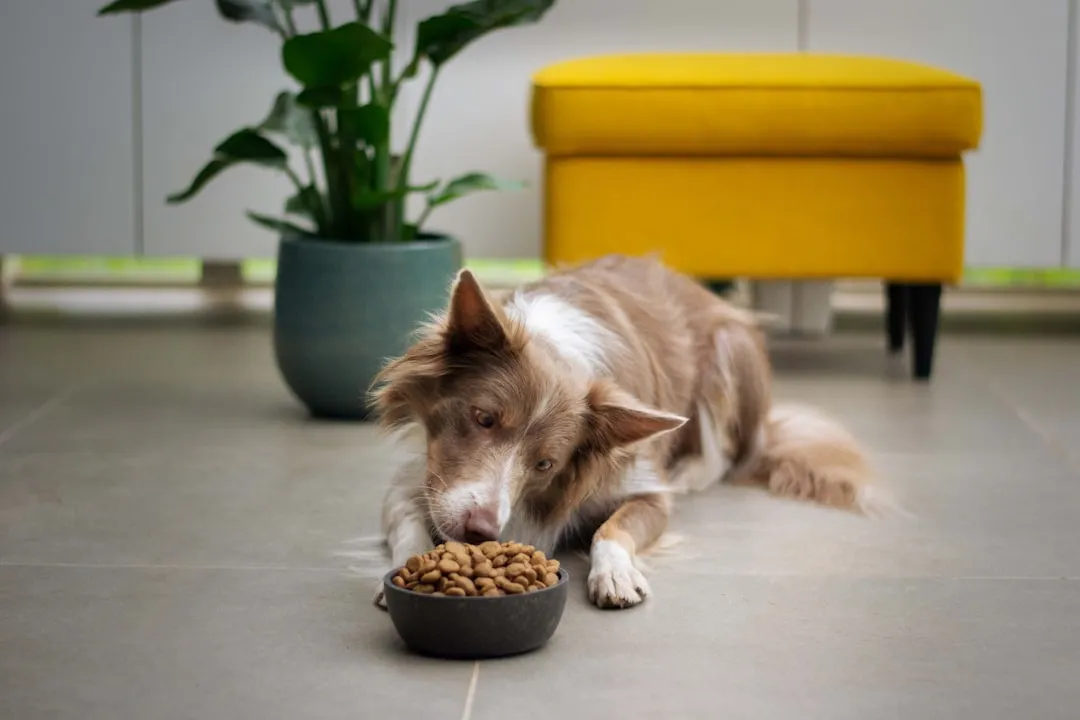
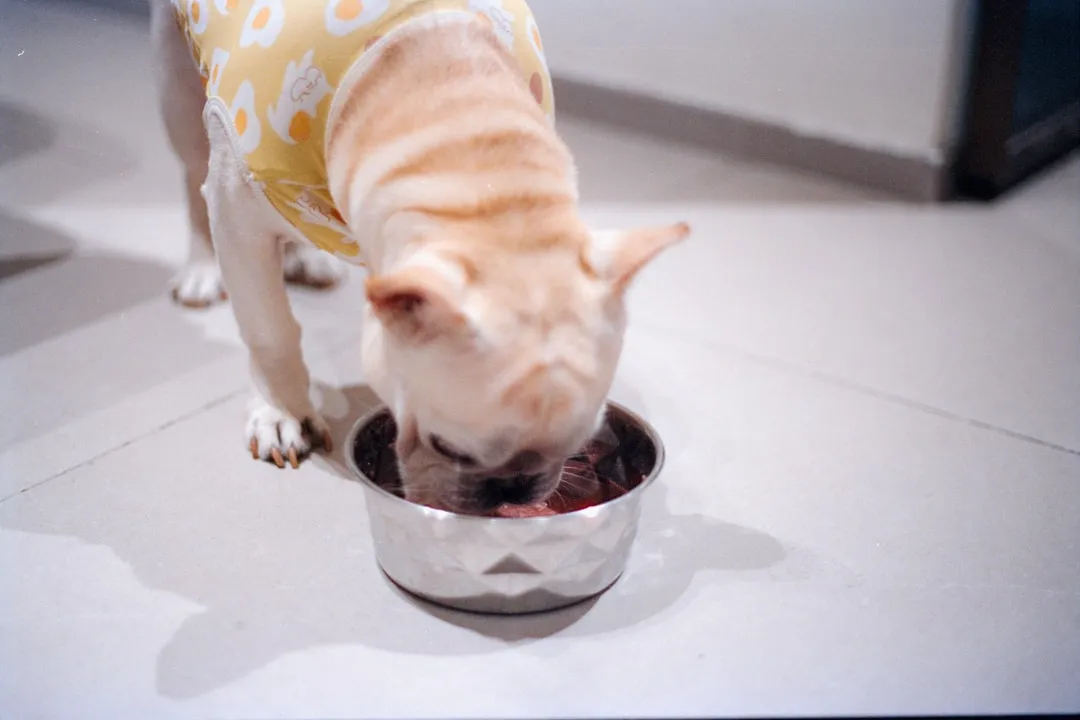
Eating too quickly can activate a dog’s fight-or-flight response, increasing stress hormone levels, and studies show that slowing down mealtime helps reduce adrenaline, promoting calm behavior and minimizing food-related anxiety. This is one of the clearest physiological links between a feeding habit and measurable stress.
When cortisol is overproduced, it can take up to 72 hours for it to be metabolized, and this may result in canine misbehavior during elevated levels. In other words, a stressful mealtime in the morning can still be affecting your dog’s behavior and mood well into the evening.
Your Own Stress Is Detectable at the Bowl

Researchers recruited 18 dog-owner partnerships to take part in a series of trials with different human smells present. During the trials, dogs were trained that when a food bowl was placed in one location, it contained a treat, but when placed in another location, it was empty. Once a dog learned the difference between these bowl locations, they were faster to approach the location with a treat than the empty location.
They found that the dogs were roughly half as likely to approach the food bowl at the ambiguous location when the smell of human stress was present as compared to the absence of stress odors. The results suggest that dogs have a more pessimistic approach to ambiguity and decreased expectations when in the presence of a stressed human’s scent. So if you’re feeding your dog while rushing, anxious, or preoccupied, they’re already picking up on it before the food even hits the bowl.
The Bowl’s Material and Location Can Be a Hidden Stressor
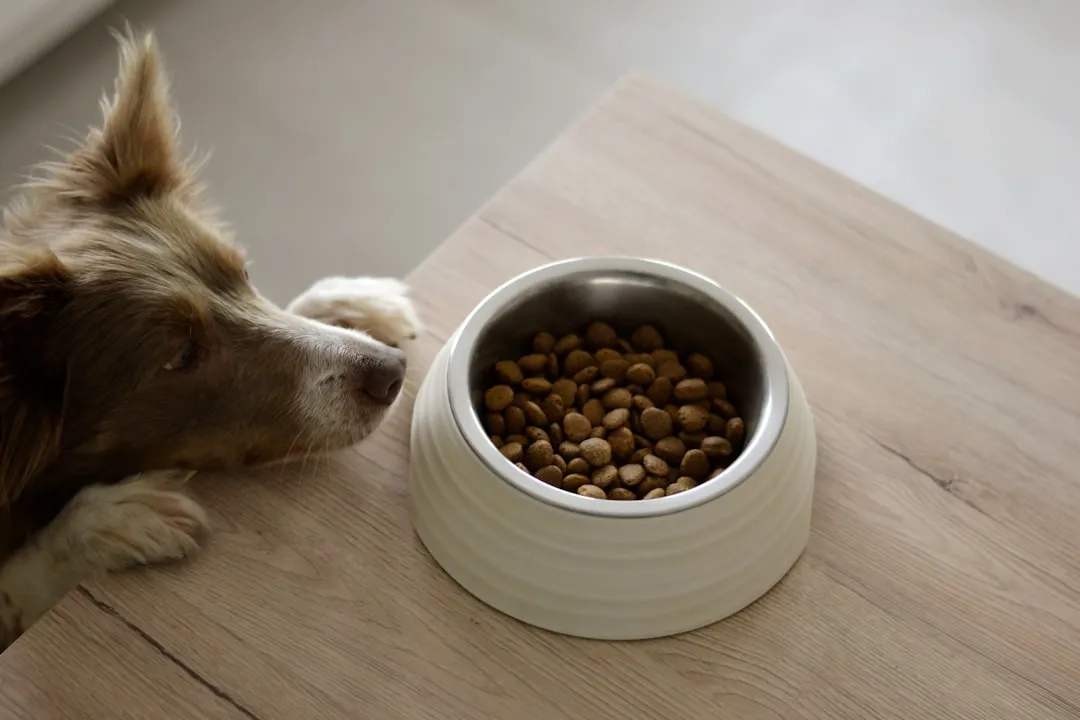
The bowl’s material or design can be unsettling to the dog. Some dogs are sensitive to the sound of metal bowls clinking or the reflection of light on stainless steel. Additionally, the size or shape of the bowl might make it difficult for the dog to eat comfortably, leading to anxiety.
If the dog’s feeding area is in a noisy or high-traffic part of the house, they might feel stressed while eating. Changes in routine, such as moving to a new home or introducing a new pet, can also contribute to this fear. Something as simple as moving the bowl to a quieter corner of the kitchen can make a genuine difference for a sensitive dog.
Food Bowl Conditioning Creates Predictable Anxiety Patterns
A food bowl conditioned dog is a canine that has developed specific behaviors or responses associated with its food bowl. These behaviors can range from mild anxiety to aggressive guarding. The conditioning occurs when a dog associates its food bowl with certain triggers, such as the presence of other animals, specific sounds, or even the approach of its owner. Over time, these associations become ingrained, leading to predictable and often problematic behaviors.
Dogs that were previously in a shelter or lived with multiple animals may have had to compete for food, leading to guarding behaviors. Dogs that are stressed or anxious during mealtime may experience digestive issues, weight fluctuations, or even behavioral problems outside of feeding time. The stress doesn’t stay at the bowl. It travels with them through the rest of the day.
Emotional Eating Is Real in Dogs, Too
Emotional eating, also known as stress-induced eating, refers to a change in eating behavior as a way of coping with negative emotional states such as stress, anxiety, or depression. It was once assumed this was a purely human phenomenon, but research has shown it extends to companion animals as well.
A survey of over 1,000 dog owners explored various aspects of feeding habits, eating behaviors, and emotional state in their dogs. Strikingly, more than 80 percent of owners attributed some level of emotional eating to their dog, and quite a few, about 40 percent, rated the intensity of emotional eating as high or very high. That’s not a fringe behavior. That’s a majority experience going largely unaddressed.
The Gut Connection: Stress Shows Up in Digestion

A 2024 NIH study found that dogs with anxiety and aggression showed significantly different gut microbiota profiles than balanced dogs. The gut-brain connection in dogs is an active area of research, and what happens at the food bowl is increasingly understood to be part of a larger biological picture.
Food bowl conditioning doesn’t just affect a dog’s behavior. It can also impact its overall well-being, with dogs that are stressed or anxious during mealtime potentially experiencing digestive issues, weight fluctuations, or even behavioral problems. Chronic mealtime stress doesn’t just affect how food goes down. It affects how the body processes it, too.
Puzzle Feeders and Enrichment Bowls Change the Stress Equation
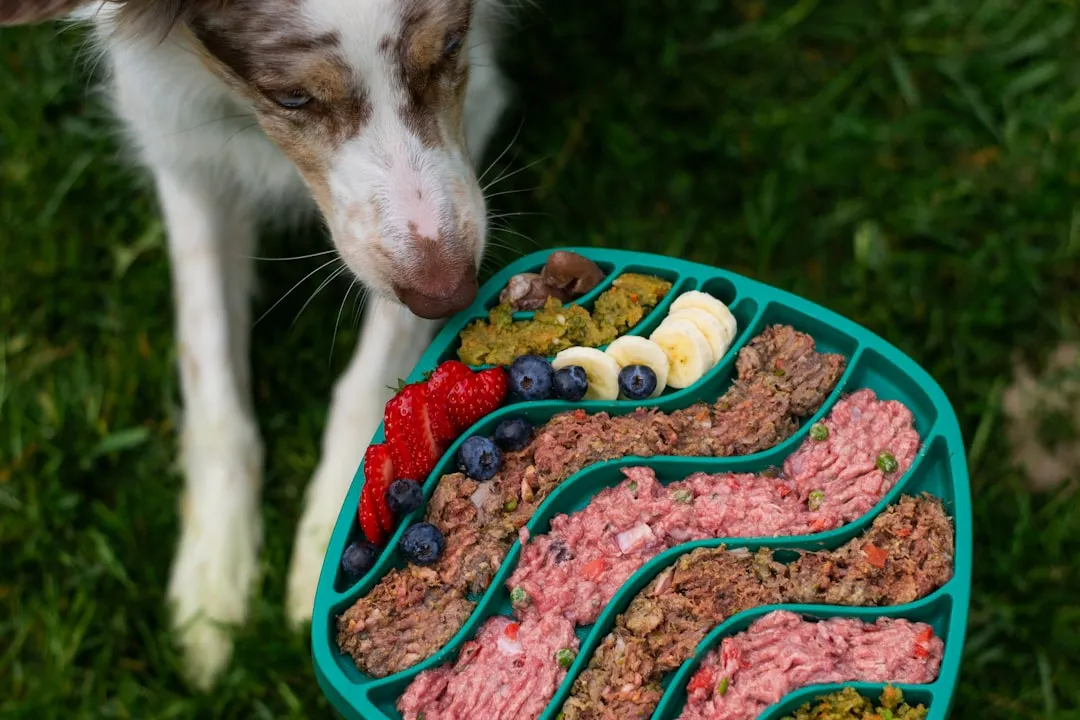
Feeding enrichment supports the natural feeding behaviors of dogs as they mimic hunting and playing behaviors. This reduced unwanted behavior, cortisol levels, and HRV, and increased food consumption, eating duration, and active behaviors. These aren’t minor improvements. They’re measurable shifts in physiology.
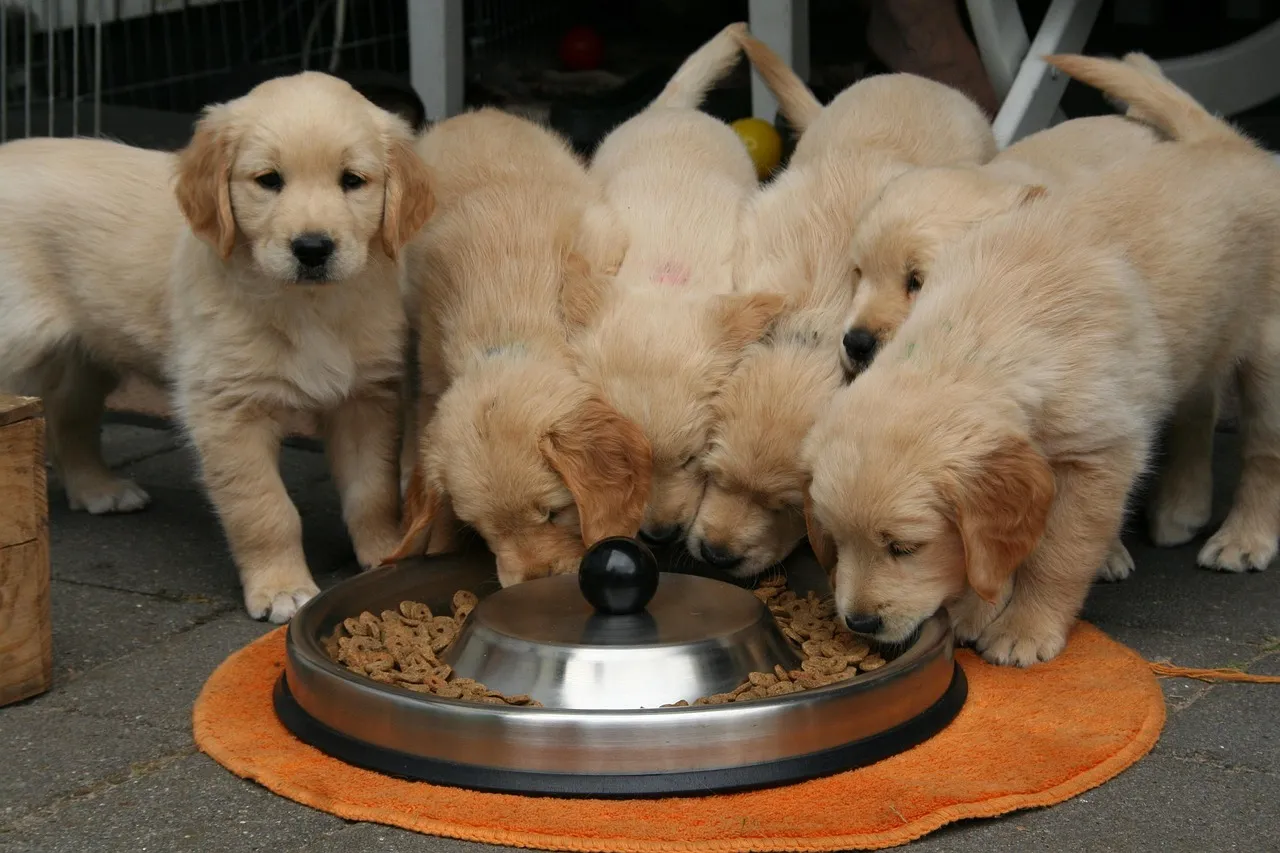
Providing dogs in boarding kennels with 20 minutes a day to use puzzle feeders was associated with a reduction in stress-related behaviours. Research also indicates puzzle feeders can slow eating by up to ten times, reducing stress and aggressive behavior. For home environments, the shift from a flat bowl to an enrichment feeder is one of the simplest and most evidence-backed changes an owner can make.
Irregular Feeding Schedules Add Unnecessary Uncertainty

A predictable daily structure, including regular feeding times, exercise schedules, and rest periods, helps reduce uncertainty and creates a stable environment for the dog. Inconsistent mealtimes do the opposite. They keep the dog’s nervous system in a low-grade state of anticipation that can wear on behavior and mood over time.
Positive interactions involving engaging, non-threatening social interactions with humans or other animals, such as petting, play, training, and gentle handling, reinforce trust and emotional security. Together, these conditions contribute to a balanced stress response and support lower baseline cortisol levels. A calm, consistent feeding routine is one of the most practical ways to build that kind of emotional stability day by day.
What You Can Do Starting Today
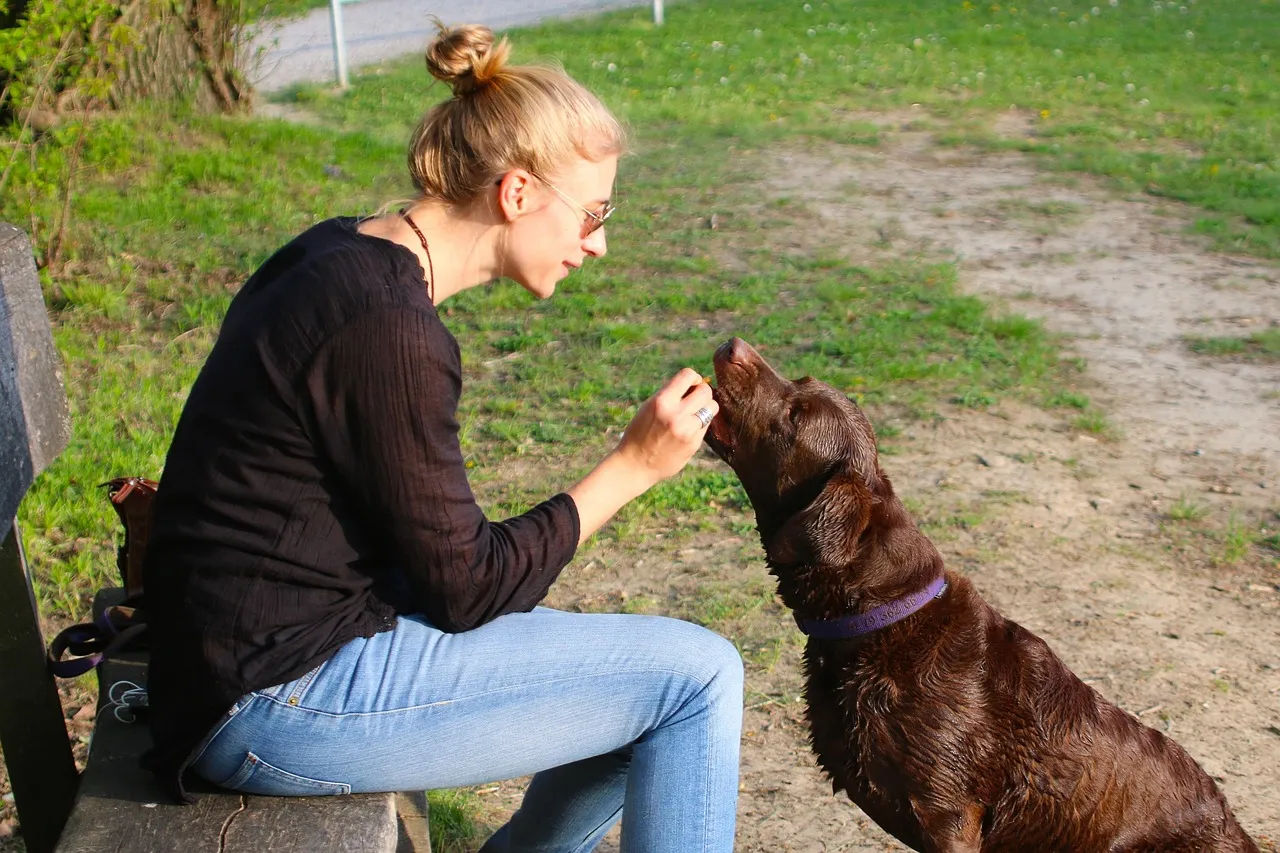
None of this requires expensive gear or a total overhaul of your routine. It starts with observation. Watch how your dog approaches their bowl. Are they frantic? Do they guard it? Do they seem anxious before you even set it down? Those signals are worth paying attention to.
Slow feeders not only encourage mindful eating and healthy digestion but also help dogs eat more safely and healthily. This added challenge encourages calm, mindful eating and helps prevent the anxiety or excitement that usually accompanies fast eating. For dogs prone to stress, this process can be particularly beneficial. A slower, more focused eating process helps a dog relax and enjoy their food, reducing stress and promoting good digestion and emotional well-being.
Moving the bowl to a quieter spot, switching to an enrichment feeder, keeping mealtimes consistent, and staying calm yourself during feeding are all small changes with a meaningful cumulative effect. The bowl is just the starting point. What matters is what you build around it.
A Quiet Problem Worth Taking Seriously

Dogs can’t explain that mealtime is stressing them out. They signal it through behavior: guarding, gulping, pacing, refusing to eat, or acting unsettled long after the bowl is empty. These aren’t personality quirks. They’re communication.
The research is clear that conventional bowl feeding, when paired with poor placement, irregular timing, fast eating, and a stressed owner, can create a low-grade but persistent form of canine anxiety that owners rarely trace back to the bowl. It’s a quiet stressor, hiding in plain sight twice a day, every day.
Rethinking the bowl habit doesn’t mean abandoning simplicity. It means understanding what your dog actually needs from the experience of eating, and making small, thoughtful adjustments that honor that. The bowl is a tool. How you use it shapes your dog’s world more than most people expect.
AI Disclaimer: This article was created with the assistance of AI tools and reviewed by a human editor.