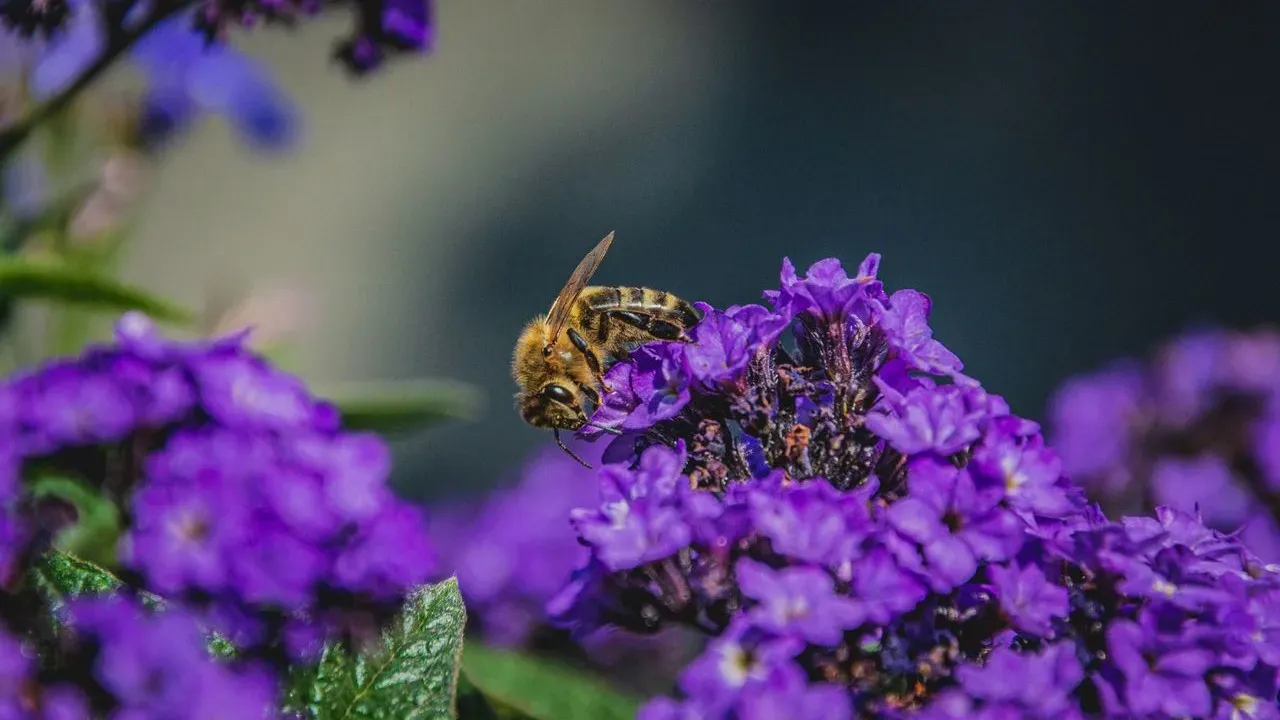

Gardens gain an unexpected sensory layer when heliotropes come into bloom. Their clusters of purple, blue, or white flowers release a fragrance frequently compared to vanilla or cherry pie, turning ordinary beds into destinations that reward both sight and smell. These sun-loving plants, grown as annuals or tender perennials, also draw butterflies and bees, adding movement and life to the space.
A Scent That Stands Out
The fragrance of heliotropes sets them apart from many other flowering plants. Gardeners often notice the sweet, dessert-like aroma first, especially on warm afternoons when the scent carries farther. This quality makes the plants particularly welcome near seating areas or pathways where people linger. The comparison to vanilla or cherry pie is not an exaggeration for many observers. It creates an immediate sense of delight that lingers after the visual appeal has been noted. Because the scent is tied directly to the flowers, consistent blooming supports the effect throughout the growing season.
Pollinator Appeal in Practice
Butterflies and bees respond readily to heliotropes, turning the plants into active contributors to garden ecology. The clusters provide accessible nectar sources that support these visitors during peak activity periods. This interaction benefits the broader planting scheme by encouraging natural pollination nearby. The combination of color and scent works together to sustain interest from both human visitors and wildlife. Purple and blue tones stand out against green foliage, while the fragrance extends the invitation beyond visual range. The result is a plant that serves multiple roles without demanding elaborate arrangements.
Placement and Growing Basics
Heliotropes thrive in full sun, which helps maintain both flower production and fragrance intensity. They adapt well as annuals in cooler climates or as tender perennials where winters remain mild. This flexibility allows gardeners to incorporate them into borders, containers, or mixed beds with relative ease. Because the plants fill the air with sweetness while supporting pollinators, they reward thoughtful positioning. Placing them where the scent can be appreciated during daily routines maximizes their contribution to the garden experience. The straightforward sun requirement aligns with many common landscape conditions. The lasting impression of heliotropes comes from this blend of fragrance, color, and ecological role. Gardeners who value sensory detail alongside practical planting often find the plants deliver on both fronts season after season.
AI Disclaimer: This article was created with the assistance of AI tools and reviewed by a human editor.