

Flannel Is Not a Fiber – It’s a Process
This distinction matters more than it sounds. Flannel is not a fiber in itself. Most flannel sheets start as plain-weave or twill-weave cotton fabric, and after weaving, the surface is brushed repeatedly with fine metal combs. This brushing raises tiny fibers from the surface, creating a soft nap that traps a thin layer of air against your skin. That trapped air is the whole point of the material, and it is also precisely what makes flannel dangerous for anyone who runs warm at night.
The brushing process that gives flannel its softness also traps air within the fibers, and this trapped air acts as a natural insulator, making flannel incredibly effective at retaining body heat. In a cold room in January, that’s a feature. In a room that’s even slightly warm, or for anyone who generates extra body heat during sleep, that insulation becomes a trap.
The TOG Problem: Flannel Runs the Hottest of Any Sheet Fabric
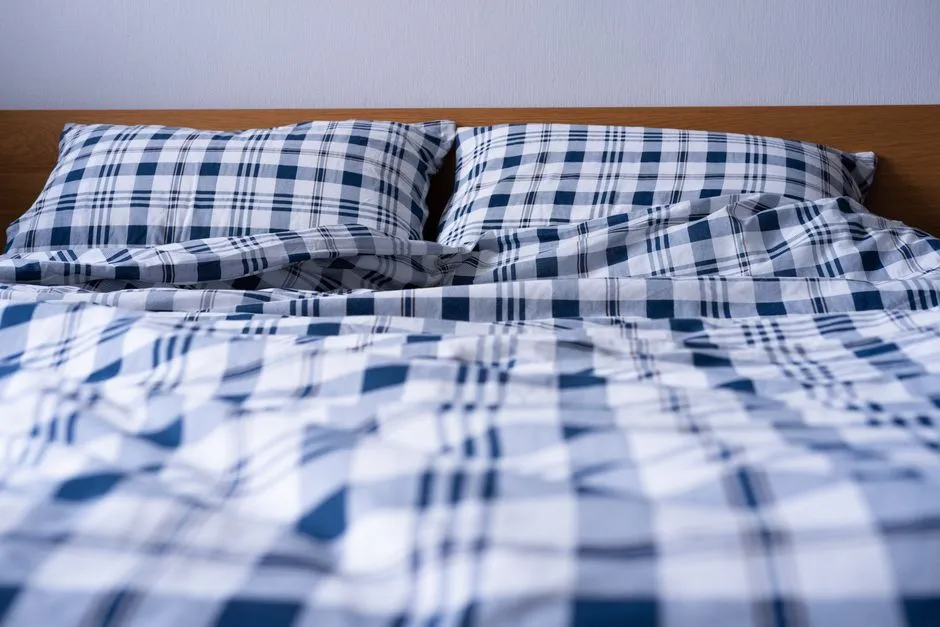
TOG is a measure of thermal insulation used in bedding, and for sheets, you want it as low as possible. Flannel carries a TOG rating of approximately 1.4 to 1.8, and its brushed nap traps a layer of still air that makes it excellent insulation in January but the wrong choice for most of the year. That TOG range is the highest of any sheet fabric.
Three properties govern nighttime temperature in bedding: how much moisture a fiber absorbs, how much air passes through the fabric, and how much it insulates. On all three counts, flannel favors warmth retention over cooling. Flannel is warm through insulation – the trapped air in its nap holds your body heat close, like wearing a fleece. That comparison is more accurate than most people realize.
Your Body Is Actively Trying to Cool Down While You Sleep

Core body temperature naturally drops in preparation for sleep, but high room temperatures can hamper the body’s cooling and lead to poor sleep and shorter sleep time. Flannel creates the same interference even when the room itself is cool, because it builds a warm microclimate directly against your skin.
Body temperature regulation during sleep is directly linked to melatonin production and smooth transitions into slow-wave sleep and REM sleep. When flannel prevents heat from dispersing away from the body, it can disrupt that natural cooling arc. A rapid decline in body temperature not only accelerates sleep onset but also may facilitate an entry into the deeper stages of sleep, which means anything that slows that decline, including insulating sheets, works against your best sleep.
The GSM Rating Is What Actually Determines How Hot You’ll Sleep
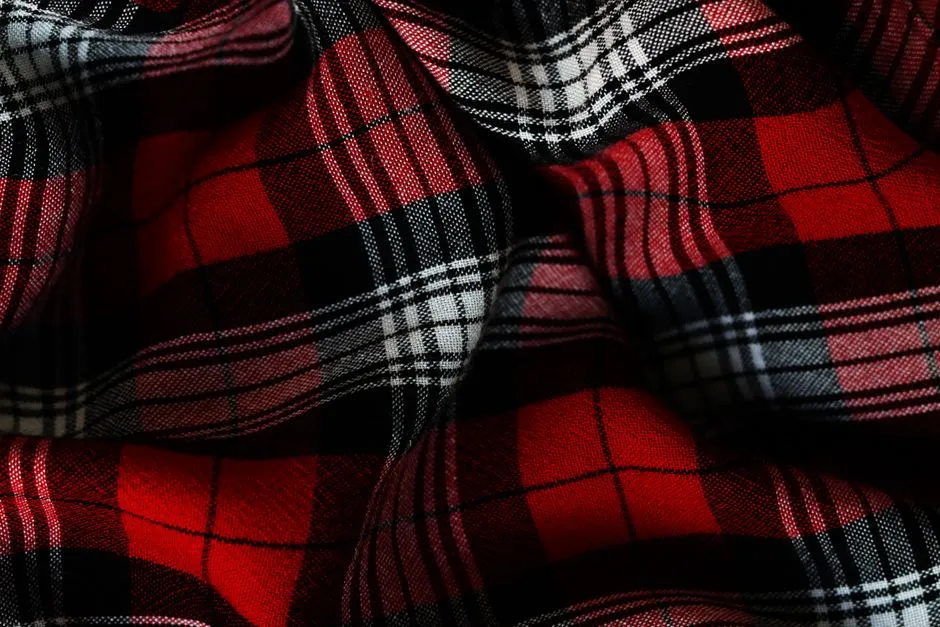
In cold environments, flannel sheets with a GSM rating of at least 170 to 200 achieve the best insulation properties. The effectiveness of flannel sheets depends mainly on the GSM rating rather than thread count, since fabric thickness and heat retention ability are directly indicated by GSM. Most people buying flannel sheets don’t look at GSM at all. They just grab what feels soft in the store.
Heavyweight flannel sheets are generally better for winter. The weight of flannel is measured in ounces per square yard, and a higher weight indicates a denser fabric with a thicker nap, trapping more body heat and providing superior insulation for staying warm during cold winter nights. The flip side of this is that the heavier the flannel, the more it will overheat a warm sleeper. It’s a direct trade-off.
Hot Sleepers and Night Sweats Are Two Different Problems

This distinction is worth keeping clear. Night sweats are not the same as sleeping hot. A hot sleeper is consistently warm throughout the night, while someone with night sweats gets rapid surges and can wake soaked even with a cold room. Flannel tends to make both worse, but through slightly different mechanisms.
For steady-warm sleepers, the insulating nap simply prevents heat from escaping. For those experiencing nighttime temperature surges, what bedding can do is reduce how long you spend in discomfort afterward, by moving moisture away from skin faster and giving you something dry and light to reach for once the episode passes. Heavy flannel does neither of those things particularly well under surge conditions.
The Bedroom Temperature You Think Is “Cool Enough” Might Not Be

The University of Maryland Medical Center notes that a cool, not cold, bedroom is often the most conducive to sleep, and the National Sleep Foundation notes that temperatures above 75 degrees Fahrenheit and below 54 degrees will disrupt sleep, with 65 degrees being the ideal sleep temperature for most individuals. The issue is that flannel can effectively raise the temperature of your sleep environment well above the room’s actual reading.
A 2024 systematic review of ambient heat and sleep found that 29 of 36 studies linked higher temperatures to poorer sleep. Your thermostat can say 65 degrees, but if flannel is holding heat against your skin, the microclimate under the covers may be considerably warmer. Research published in ScienceDirect found that the recommended bed climate temperature for comfortable sleep sits in the narrow range of 30 to 33 degrees Celsius. Heavy flannel frequently pushes that range upward.
Synthetic Flannel Blends Make the Sweating Significantly Worse
Although flannel sheets are cozy and warm during winter, they are not ideal for hot sleepers, as the thick, brushed fabric retains heat and can leave you feeling sweaty and sticky all night long. This problem compounds sharply when the flannel is a synthetic blend rather than pure cotton.
Polyester and microfiber sheets often exacerbate night sweats because both are synthetic materials. Flannel-style sheets made with polyester or microfiber combine the insulating effect of the brushed nap with the moisture-trapping properties of synthetics. To avoid overheating or sweating, it’s worth opting for flannel sheets made of 100 percent cotton. Even then, the GSM matters greatly.
The Research Is Clear: Bedding Fiber Type Materially Affects Sleep Temperature

A 2024 systematic review published in the Journal of Sleep Research examined nine studies across fiber types, looking at how bedding materials affect skin temperature, body temperature, and thermal comfort during sleep. The review found that material meaningfully affects those measures. This isn’t just anecdotal preference. There is a measurable physiological effect from the sheets you choose.
Research by Li, Halaki, and Chow in the Journal of Sleep Research (2024) confirmed that thermal comfort from bedding materials significantly affects sleep quality maintenance through the night. The study’s findings support what many people experience but can’t explain: the same person sleeping in the same room at the same temperature will sleep differently depending on what’s against their skin. Flannel’s insulating profile is a real variable, not a minor one.
When Flannel Actually Makes Sense
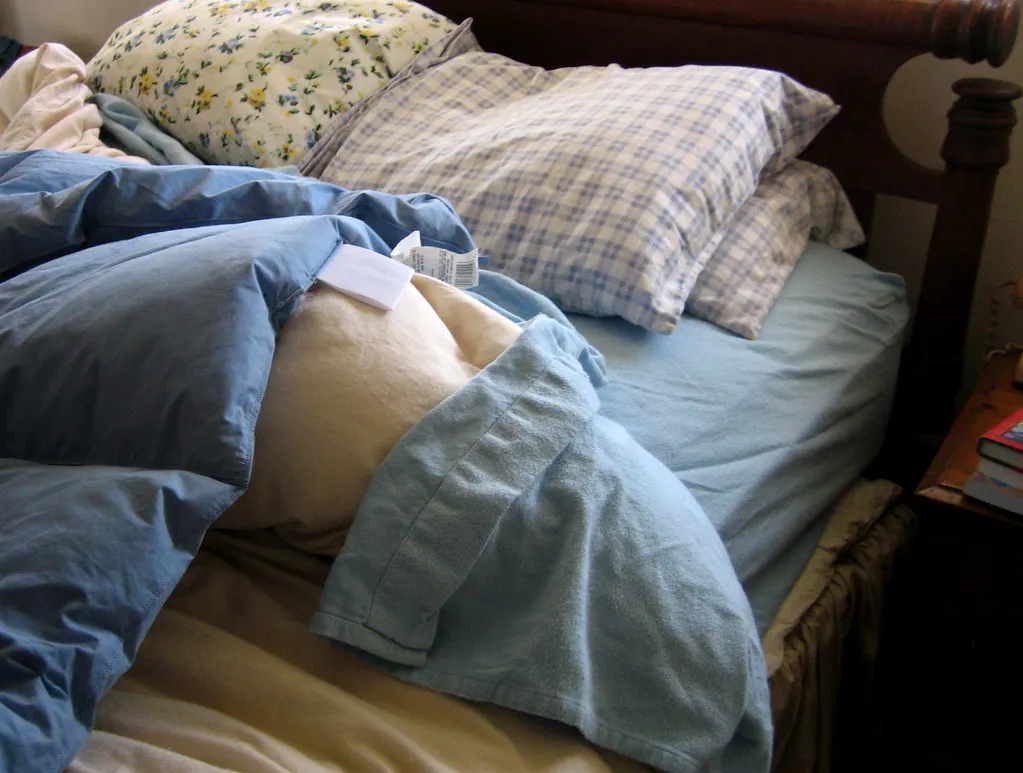
Flannel sheets are particularly useful for cold sleepers who genuinely struggle to stay warm through the night. In that context, the material’s heat-trapping qualities are a direct benefit, not a liability. Flannel is designed to retain heat, which is the opposite of what you want when bedroom temperatures climb above 20 degrees Celsius.
Flannel is a great winter specialist, not an all-season sheet. If your bedroom dips to genuinely cold temperatures and you tend to sleep cold, flannel is doing exactly what it was designed to do. The mistake isn’t using flannel. It’s using it when the thermal conditions no longer call for it, or when your body runs warm regardless of season.
What to Switch To If You’re Waking Up Sweaty
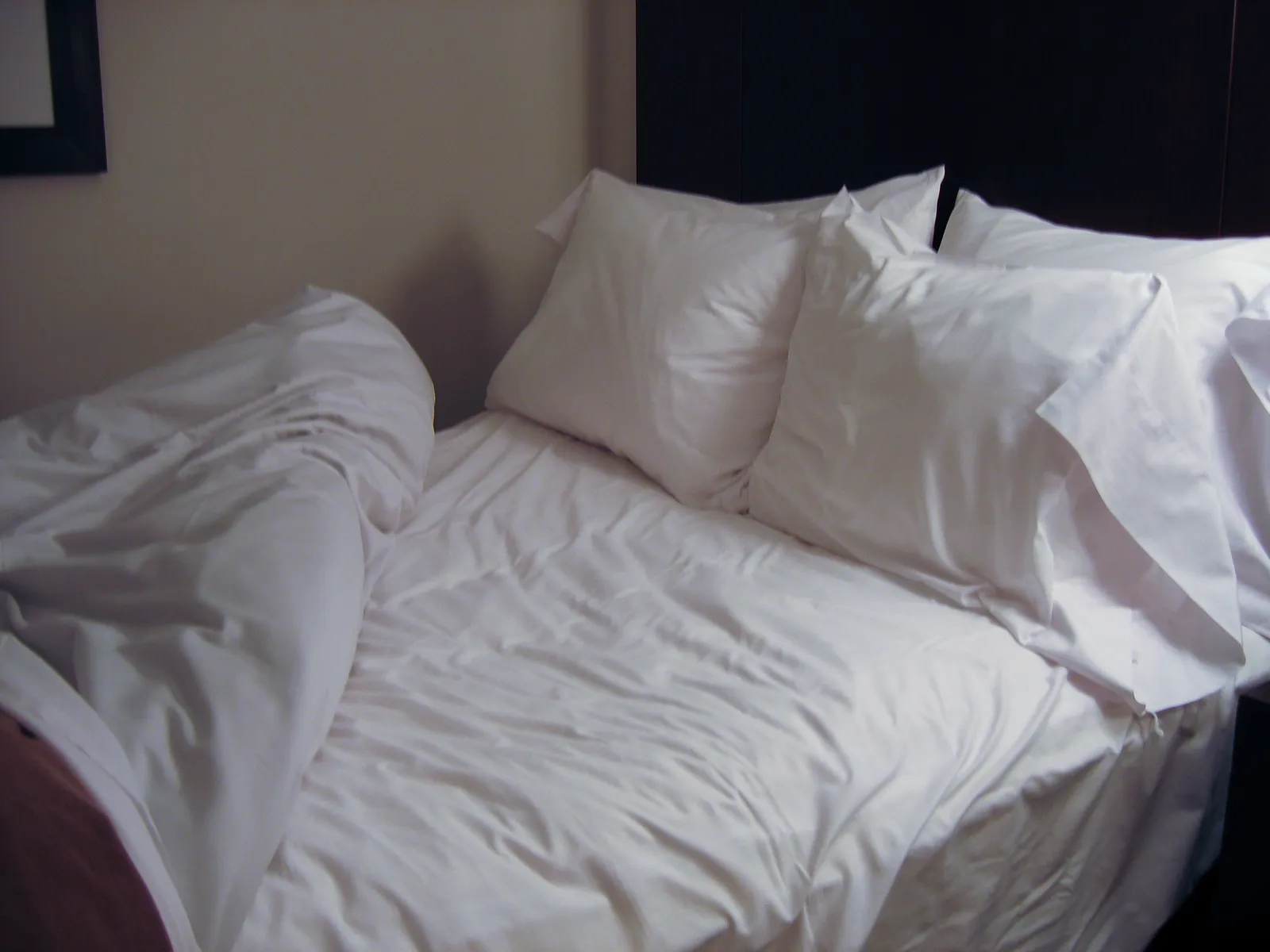
For hot sleepers, sheets made from natural, breathable materials like cotton, linen, or bamboo are worth considering. These materials are moisture-wicking and allow your skin to breathe, helping to maintain a comfortable sleeping temperature. The key difference from flannel is weave structure. Percale-weave cotton, for example, has an open, crisp structure that allows air to move through it rather than trapping it.
A 2024 systematic review found that wool has higher water-vapor permeability than cotton and polyester, helping sweat evaporate and keep skin dry. For those who experience significant nighttime moisture, that water-vapor permeability matters as much as breathability. In one study of cooling bed sheets, sleep disruption due to feeling too hot was reduced from 82.5 to 39.7 percent after switching bedding. That’s a meaningful improvement from what is, ultimately, a fairly simple change.
The Real Takeaway
Flannel isn’t a bad product. It’s a well-designed product that gets misapplied. The brushed nap that makes it so satisfying on a cold night is the same mechanism that traps heat and humidity against your body when conditions tilt warmer. Most people keep flannel on the bed longer than they should, either out of habit or because it still feels cozy in the hand when they’re making the bed in the morning.
The discomfort shows up at 2 a.m., not at 10 p.m. when you first slide in. Pay attention to GSM, fiber content, and your own sleep temperature tendencies before the sheets go on the bed, not after the sweating starts. Expecting flannel to breathe is a common mistake: the nap traps heat and moisture by design, and if you sweat, flannel isn’t the fabric for you. Sometimes the coziest choice and the right choice are not the same thing.
AI Disclaimer: This article was created with the assistance of AI tools and reviewed by a human editor.