
Every time you pull up to a gas pump and reach for your card, there’s a possibility that someone has been there before you – not to buy fuel, but to steal your financial information. It happens quietly, it happens fast, and in most cases, victims don’t realize anything is wrong until fraudulent charges appear on their bank statement days later.
The good news is that a brief, focused check before you swipe can make a real difference. It doesn’t require any special tools or technical knowledge. It just requires knowing what to look for, and taking a few seconds to actually look.
The Scale of the Problem Is Larger Than Most People Realize
According to the FBI, card skimming costs financial institutions and consumers more than $1 billion each year. That’s not a rounding error – it’s a sustained, organized crime problem that touches ordinary drivers in parking lots and gas stations across the country.
About 15% of Americans say they’ve been a victim of skimming at the pump. Considering how many people fill up each week, that number represents millions of households. Nearly three in ten Americans fear they’ve been a victim of card skimming, though roughly two-thirds admit they don’t know how to spot it.
What a Skimmer Actually Is – and How It Works
Gas pump skimmers are illegal devices criminals attach to fuel pumps to secretly copy credit card data during a transaction. These skimmers record information from the card’s magnetic stripe, which thieves later use to create cloned cards.
Once the skimmer has been installed, the criminal just waits for you to visit the pump and swipe your card. The skimmer reads the credit card stripe and gathers your sensitive data, which allows them to use it to steal money from your account or make online purchases with your card information. The entire theft takes less than a second from the moment your card makes contact.
The Wiggle Test: Your First and Fastest Defense
The single most effective five-second habit any driver can build is the wiggle test. Before you swipe or insert your card in any point-of-sale device, try to rattle it or pull it loose. Legitimate terminals won’t move. If the terminal appears loose or comes free, it’s a skimmer.
Most skimming devices attach via double-sided tape for quick installation and removal by criminals. Before using your card, first gently wiggle or tug on the slot reader to verify it is securely fastened and not loose. Loose or detached readers likely have skimmers attached. It takes about two seconds and can save you thousands.
Check the Security Seal Before You Do Anything Else
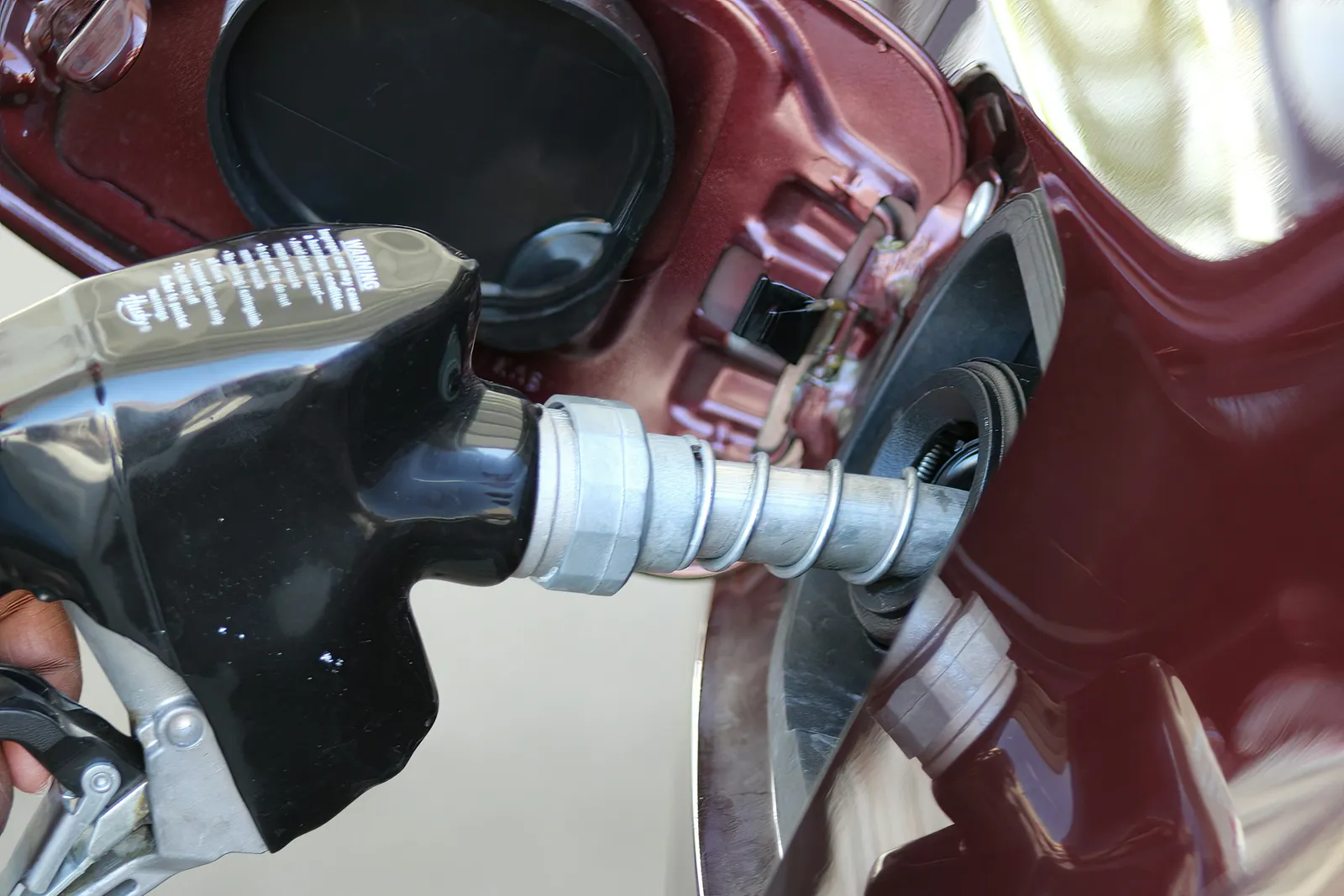
At gas pumps, you can check for signs of tampering by looking at the security seal near the card reader. If the pump panel is open or the seal has been broken, the FTC says the label will show “void.” That’s a sign that there might be a skimmer installed.
To combat internal tampering, many stations place tamper-proof security stickers across cabinet doors and checkpoints. Always check that these stickers are completely intact, with no tearing or peeling that indicates someone may have improperly accessed the machine. Some decals turn black or red when removed. If you see the word “VOID” displayed, that means the seal was broken. Walk away from that pump and alert the station attendant.
Compare Your Pump to the Ones Around It
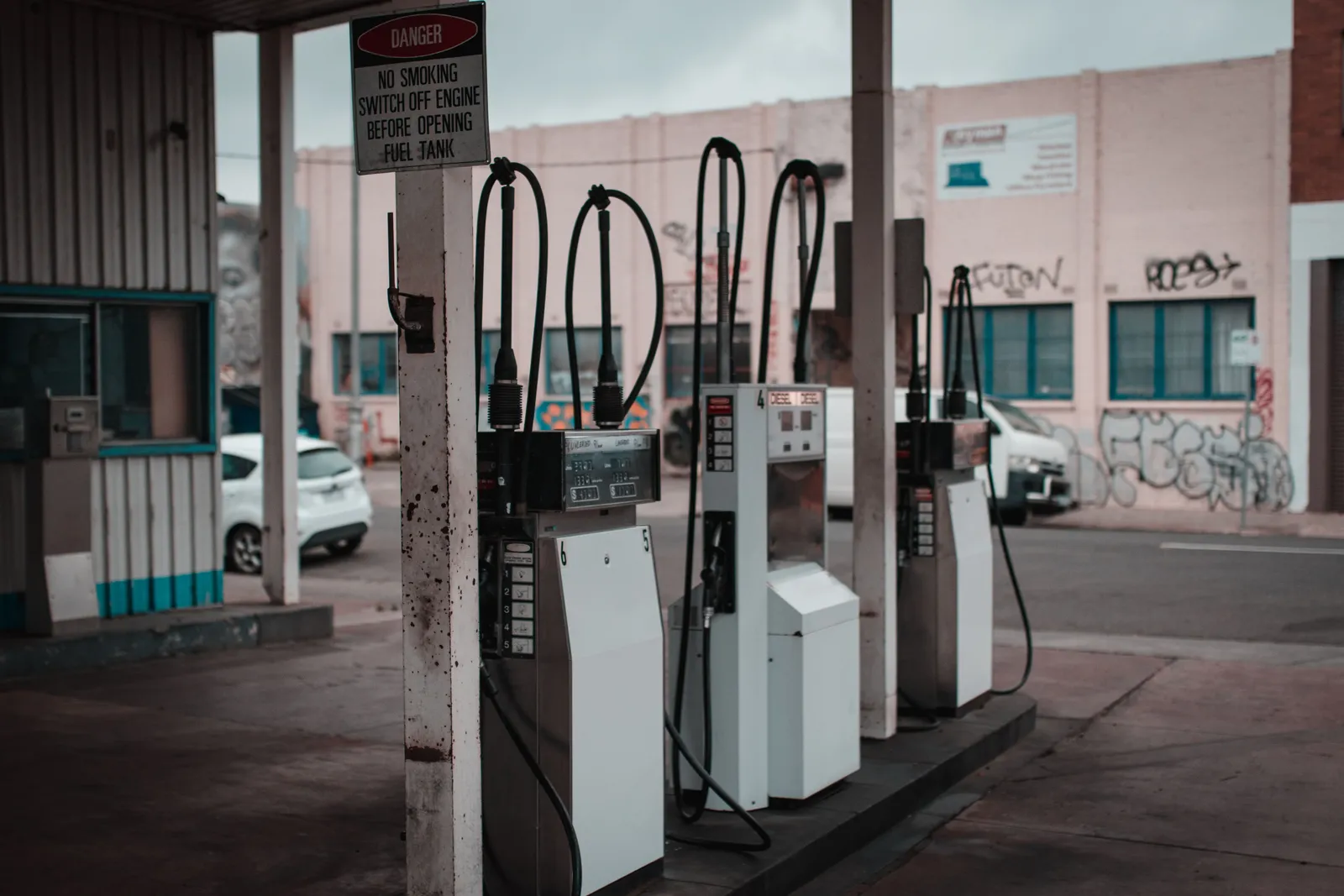
This step takes about three seconds and costs nothing. If you’re at a gas station, take a quick look at the other pumps around you to see if they look the same as yours. Do the card slot and keypad at your pump look about the same as the others? If not, that might be a sign of a skimmer.
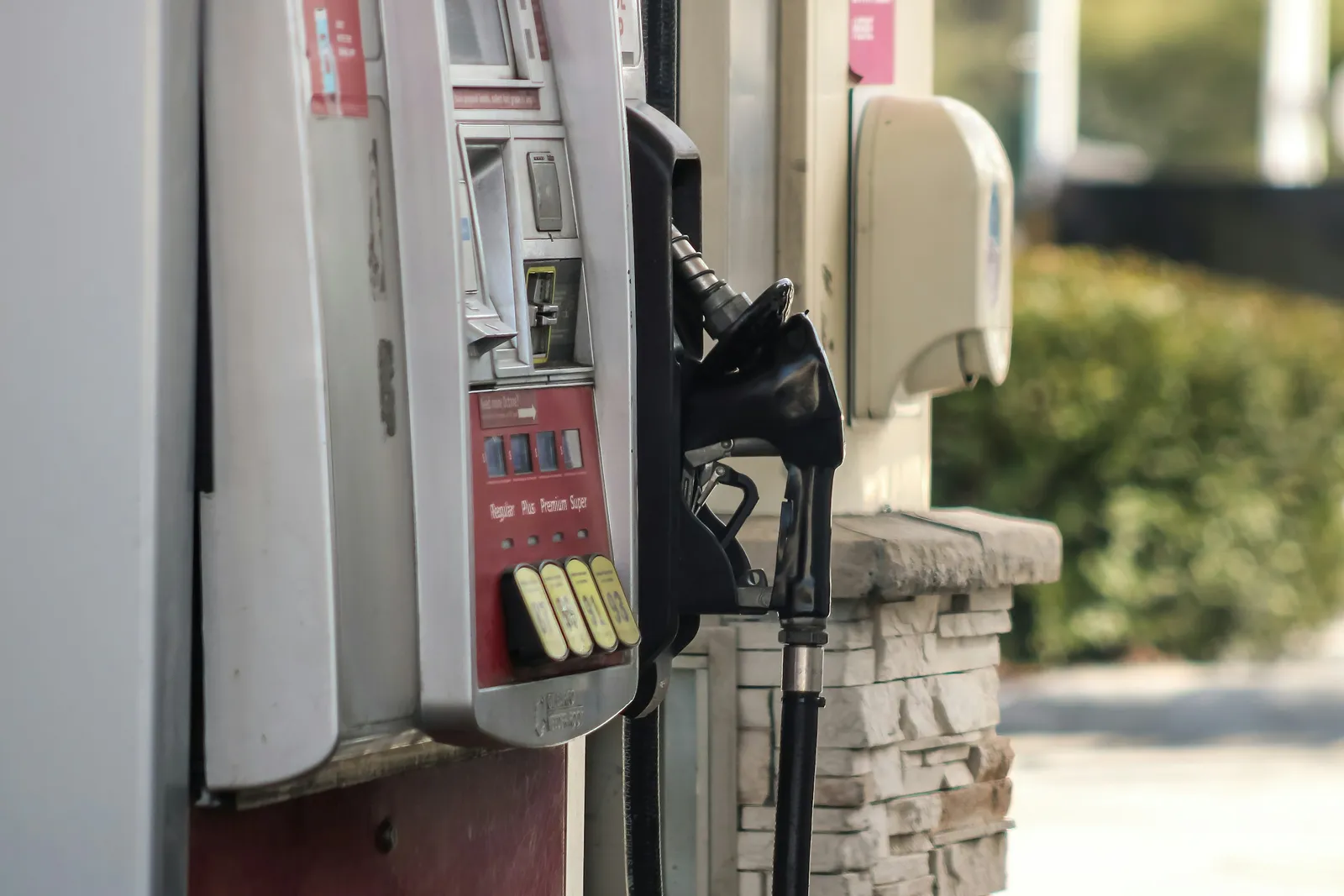
To an untrained eye, gas pump card skimmers are designed to look like part of the point-of-sale hardware. They are usually bulky and plastic, stick out further than the machine, and have arrows that don’t line up. Side-by-side comparison across pumps is one of the quickest ways to catch something that doesn’t belong.
Watch Out for Keypads That Look or Feel Wrong
While some skimmers are installed inside the pumps, others slide over the real card reader. Authorities recommend examining the keypad and looking for any inconsistencies such as odd colors, materials, or shapes. They even suggest pulling at the edges of the keypad to ensure it’s legitimate before entering your card.
Thieves can use a 3-D printer to create a new keyboard on top of the real one. The keyboard might look different from the rest of the machine. If the keys feel spongy, sit unusually high, or look like a slightly different shade of plastic than the rest of the pump, trust that instinct. It’s worth moving to a different pump.
Look for Hidden Cameras Near the PIN Pad
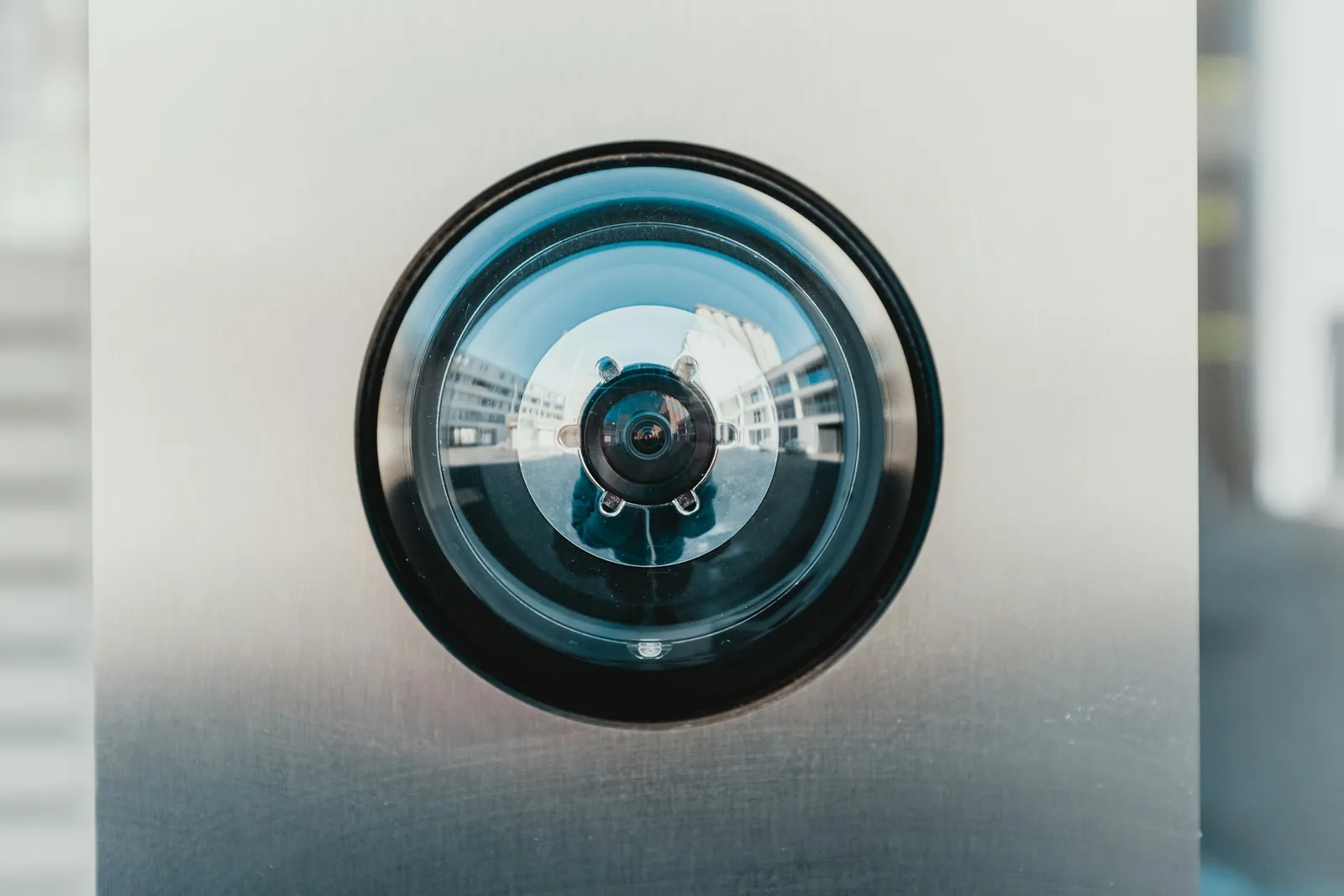
Skimmers rarely work alone. Skimmers may be paired with a hidden camera to record PINs. Look closely above the card reader to see if any holes are pointing down to where you would enter a PIN. These cameras are sometimes called “pinhole cameras” as the hole in the machine for the camera’s view would be very small.
Another technique used by criminals is to install a hidden camera somewhere on the machine that can capture your card number and your PIN. They can be hidden within a “false front” device, and the camera can be as small as a pinhole. You should try to cover your hand when entering your number to avoid a camera capturing your PIN. Shielding your hand takes one second and makes the camera useless even if one is present.
The Bluetooth Signal Hiding Inside the Pump
Modern skimmers have gotten more sophisticated. Many gas pump skimmers have Bluetooth connectivity, allowing criminals to collect payment data safely from inside their car. This means the thief doesn’t even need to physically return to the pump to retrieve the stolen data.
You can use your smartphone to check for Bluetooth card skimmers: once at the pump, open your phone’s Settings, select Bluetooth, and any active Bluetooth devices in range will be listed. Such skimmers occasionally use Bluetooth names like HC-05 or FREE2MOVE to transmit stolen information. An unfamiliar device broadcasting from a pump is worth reporting to the station and, if needed, local authorities.
A Damaged Tap-to-Pay Screen Is a Red Flag on Its Own
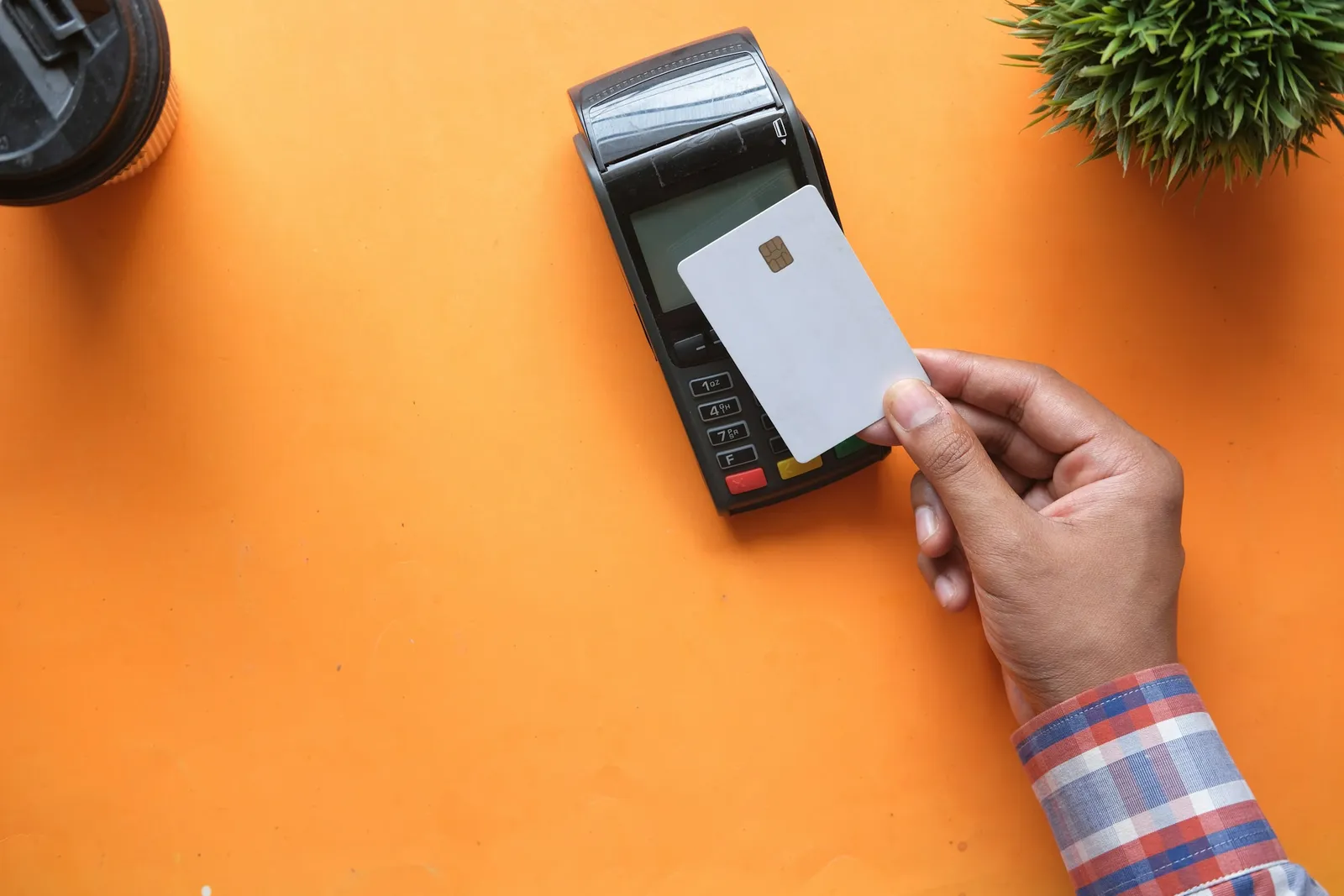
There’s a newer tactic worth knowing about. The Aurora, Colorado police department issued a warning that scammers were drilling holes in the contactless payment screens on gas pumps where customers can scan their credit card with its RFID chip. By damaging the contactless payment screen, it becomes inoperable, thereby requiring the customer to use the credit card reader on the gas pump where the identity thief had already installed a skimmer.
If you ever walk up to a pump and find the tap-to-pay function broken or visibly damaged, treat that as a serious red flag. Walk inside and pay the attendant directly. This is a deliberate manipulation, not an accident, and it’s designed specifically to force you onto a compromised reader.
The Safest Payment Option Skips the Reader Entirely

Even with all the right checks, some internal skimmers remain impossible to detect visually. Tap-to-pay and phone wallets like Apple Pay and Google Pay are effectively skimmer-proof – they send a one-time token, not your real card number, and never touch the compromised reader.
Tap-to-pay transactions bypass traditional credit card skimmers since they don’t involve physical contact with the card reader. They use encrypted, short-range wireless communication, making it nearly impossible for criminals to intercept your data. Even if a skimmer were present, tap payments utilize tokenization, generating a one-time random code that can’t be reused. When that’s not available, paying inside the station remains the safest fallback.
The Takeaway
Card skimming at the gas pump is not a rare or exotic crime. Card skimming costs financial institutions and consumers more than a billion dollars each year, and gas station pumps remain the most frequent site for physical skimming devices. The devices are getting smaller, harder to detect, and increasingly connected to wireless networks that let criminals stay far from the scene.
Still, a five-second check before every transaction – a quick wiggle, a glance at the security seal, a look at the neighboring pumps – closes off the most common attack methods. About 40% of gas pumps still have not been updated with EMV chip card readers, leaving them susceptible to skimmers. Until every pump is modernized, the habit of looking before you swipe is one of the simplest and most practical things you can do to protect yourself. The five seconds it takes are well worth it.
AI Disclaimer: This article was created with the assistance of AI tools and reviewed by a human editor.