
Most people clean their microwave far less often than they should. It’s the kind of task that gets pushed aside until the smell becomes hard to ignore or a splatter finally catches the eye. The good news is that one of the most effective cleaning methods for this appliance takes almost no effort at all.
The five-minute steam has become a go-to for anyone who wants a genuinely clean microwave without scrubbing. It uses nothing more than water, a bit of white vinegar, and the microwave itself. What follows is everything worth knowing about how it works, why it matters, and how to do it right.
Why Your Microwave Needs Regular Cleaning
A 2024 study published in Frontiers in Microbiology confirmed that bacteria can survive inside a microwave oven. Researchers took microbe samples from 30 microwaves, including ten from single-household kitchens, ten from shared spaces like cafeterias, and ten from microbiology labs.
The study identified a total of 747 different types of bacteria in those microwave ovens, including Klebsiella and Brevundimonas, which are associated with foodborne illnesses. That’s not a reason to panic, but it is a solid reason to clean more consistently.
According to U.S. census data, microwave ovens can be found in roughly nine out of ten U.S. households, and most sources recommend cleaning them once a week. Yet according to YouGov surveys, about one in three Americans do not hit that target.
The Basic Ingredients You Already Own
The method is straightforward: fill a microwave-safe bowl with one cup of water and two tablespoons of white vinegar, run it on high for five minutes, then wipe the interior clean with a damp cloth. No special products required.
Vinegar is a liquid solution that contains acetic acid, a weak organic acid that gives it its characteristic smell and taste. The acetic acid content in typical household vinegar is around four to eight percent.
The two ingredients work together in a specific way: the water generates steam that penetrates every corner of the interior, while the vinegar adds a mild acidic component that assists in loosening residue and cutting odors. You likely already have both in the kitchen.
How Steam Actually Loosens Stuck-On Food
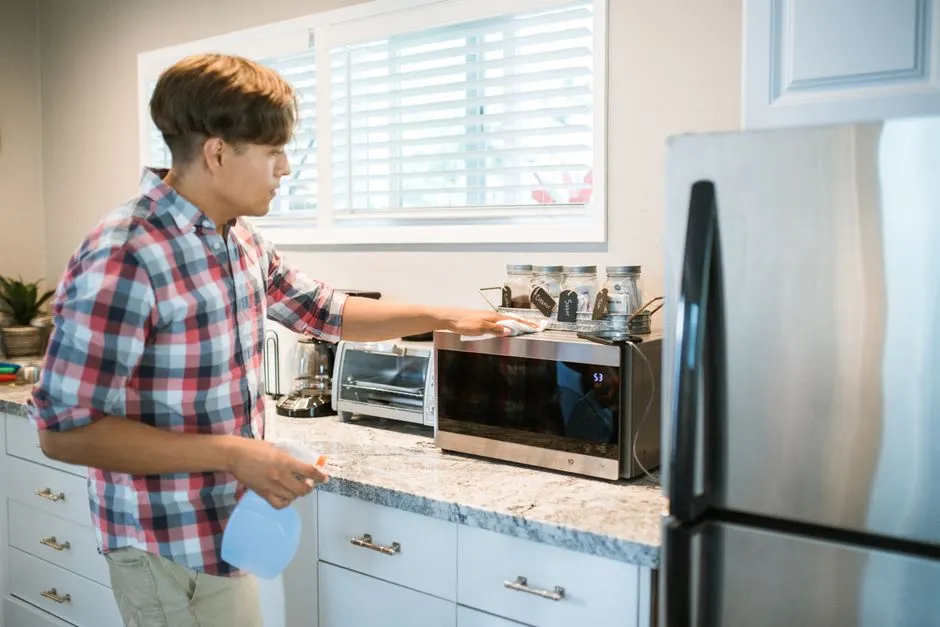
The fastest way to clean a microwave is to let steam do the work. A bowl of water and vinegar heated for five minutes fills the interior with hot, acidic steam that softens everything on the walls, ceiling, and turntable.
The physics here are simple. Heat causes water molecules to expand into vapor, and that vapor penetrates dried food particles and grease films that would normally resist a dry wipe. Letting the steam sit for a couple of minutes after heating allows it to soften the stuck-on food and grease on all interior surfaces.
Hot vinegar increases molecular mobility and weakens the van der Waals forces binding grease to surfaces, which is part of why the warm steam method is more effective than wiping with a cold cloth and no treatment at all.
What Vinegar Actually Does to Grease and Odors
The vinegar adds mild acidity that cuts through grease and neutralizes odors. It’s worth being precise about what this means in practice, though, because vinegar is not a heavy-duty degreaser.
Vinegar can be effective at cleaning grease to an extent, mainly due to its acetic acid content that penetrates and lifts grease from surfaces, but it is generally milder and slower compared to commercial or caustic cleaners. For the light splatters typical of microwave use, that’s often enough.
Vinegar is most effective on fresh grease and oil. Old, hardened grease may require stronger cleaning agents. This is exactly why staying on a regular cleaning schedule makes a real difference. Fresh residue comes off with almost no effort at all.
The Step-by-Step Process
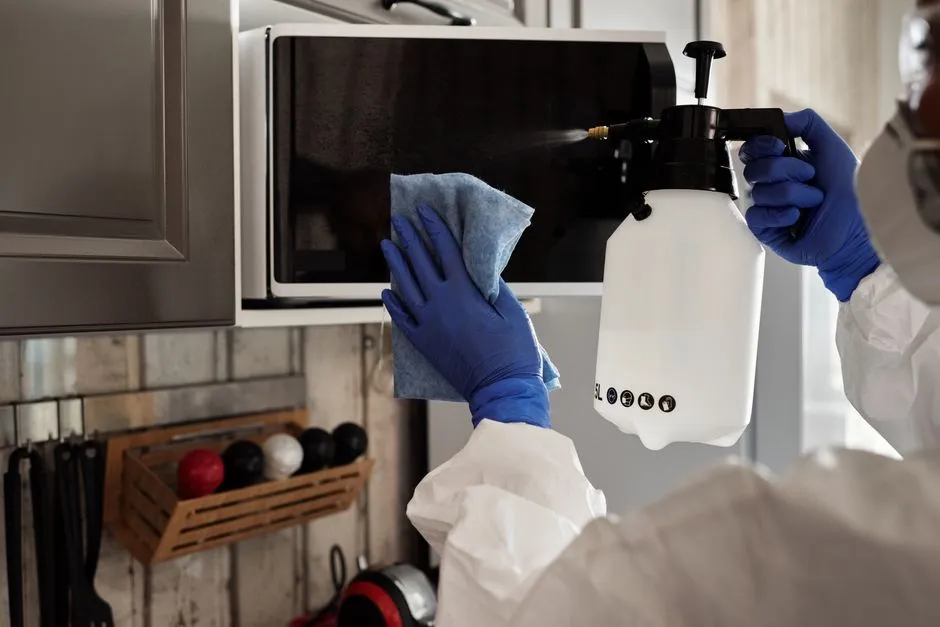
Mix about one cup of water with two tablespoons of white distilled vinegar in a microwave-safe bowl. Place the bowl in the center of the microwave, set the timer for five minutes on high, and let it run.
When the timer goes off, do not open the door right away. Let it sit undisturbed for another three to five minutes so the steam has time to work into every surface before you start wiping.
Everything should come off easily after the steam treatment. For stubborn spots, dip the cloth in the vinegar water from the bowl and apply light pressure. The turntable plate can be lifted out and rinsed separately in the sink.
Lemon as an Alternative to Vinegar
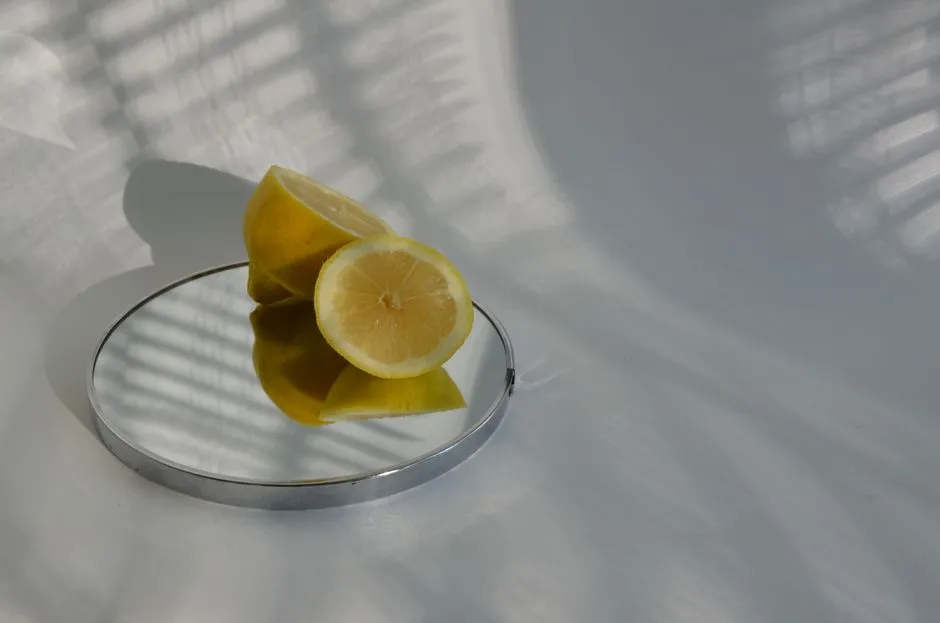
When it comes to choosing between vinegar or lemon for cleaning, both work the same way. The steam does the real work by loosening food and grease. Vinegar is slightly better at cutting grease and neutralizing odors.
Lemon tends to leave a more pleasant scent, which matters to some people. Two tablespoons of either in a cup of water is enough to do the job. If the microwave has a particularly strong lingering smell, some people combine both, adding a few slices of fresh lemon to the vinegar-and-water bowl before heating.
For the strongest odor result, repeating the steam step with a slightly stronger mix of equal parts water and vinegar and letting it sit a full five minutes after heating tends to handle even stubborn smells.
The Microbiology Behind Microwave Bacteria

Microwave ovens can harbor thriving bacterial communities that have somehow adapted to the harsh environment. The irradiating environment within a microwave oven might seem inhospitable to microbes, but the science shows otherwise.
A persistent myth is that microwave radiation itself is a sterilizing agent. In reality, microwaves do not kill bacteria directly; they rely on the generation of thermal energy. Without proper management, the microwave can actually become a vector for foodborne illness.
The microorganisms found in domestic microwave ovens are the same as those found on a kitchen surface. Some of them are pathogenic, and researchers say one must clean the microwave as much as any other kitchen surface.
How Often Should You Actually Clean It
Ideally, you should be cleaning your microwave after every use. In practice, most cleaning experts recommend doing it at least once a week, depending on how often you use the appliance.
Researchers from the 2024 University of Valencia study specifically recommend regularly cleaning the interior of the microwave with detergent, paying special attention to spills, to minimize bacterial proliferation and prevent health risks.
The five-minute steam method makes weekly cleaning realistic. It’s low enough effort that there’s no good reason to skip it, and consistent cleaning prevents the kind of baked-on buildup that requires real scrubbing to remove.
Safety Notes and What to Avoid
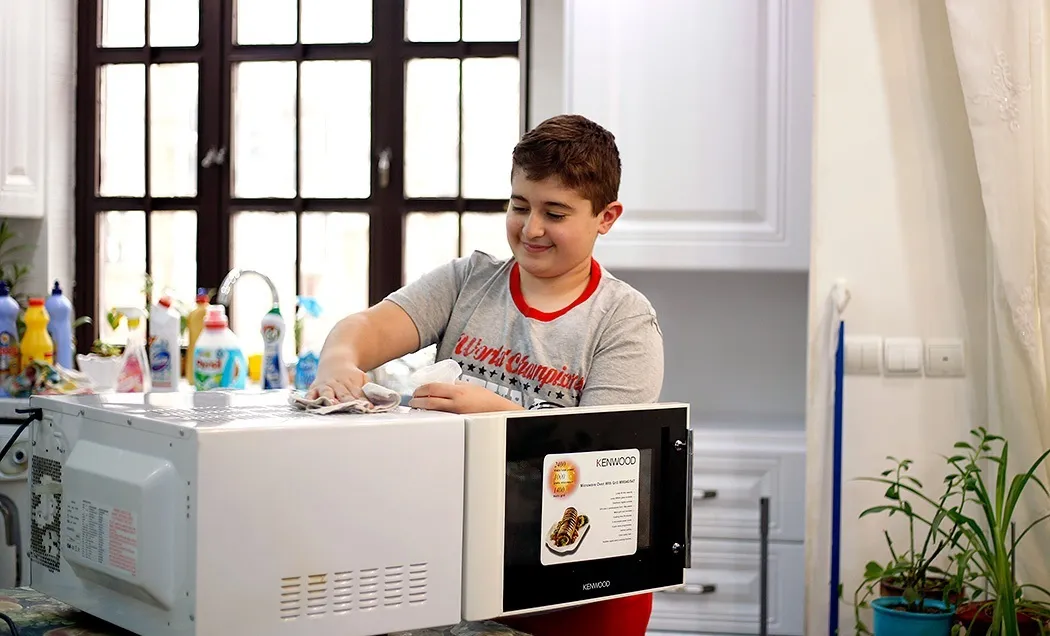
The steam method requires only five minutes of microwave time and three minutes of wiping. You should never run the microwave empty or with insufficient water in your cleaning bowl, and you should ensure at least one cup of water is present during the steam cleaning process.
Avoid using harsh chemical sprays directly inside the microwave, particularly near the vents or ceiling. These can leave residues that transfer to food during the next use. The steam method sidesteps that concern entirely since both water and white vinegar are food-safe substances.
From a safety perspective, acetic acid is not considered harmful or irritating to the environment. It is inexpensive, widely accessible, and efficient for general home cleaning use.
When the Steam Method Isn’t Enough
Vinegar suits light cleaning and routine grease removal well. For thick or burnt-on grease, commercial products outperform vinegar in effectiveness and efficiency. This is worth knowing before you spend twenty minutes re-steaming a heavily neglected appliance.
If the interior has years of built-up residue, the steam method can still soften it, but you may need to follow up with a mild dish soap solution and a soft brush for the corners. Mixtures involving vinegar, water, and dish soap show improved cleaning performance on kitchen surfaces, so combining them can help in tougher cases.
Once the worst of it is gone, returning to the regular five-minute steam routine keeps things manageable from that point forward. Prevention is genuinely easier than correction here.
The Takeaway
The five-minute microwave cleaning trick works because steam does the heavy lifting. It’s not marketing language or exaggeration. The physics of hot vapor penetrating dried residue, combined with the mild acidity of vinegar, makes light work of what would otherwise require scrubbing.
The 2024 research from the University of Valencia gave people a concrete scientific reason to take microwave hygiene more seriously. Researchers confirmed that microwaves do not remove microbial contamination on their own, which makes regular cleaning with a cleaning agent the only reliable approach.
Five minutes, once a week, with ingredients already in the kitchen. It’s one of those genuinely simple maintenance habits that holds up under scrutiny.
AI Disclaimer: This article was created with the assistance of AI tools and reviewed by a human editor.