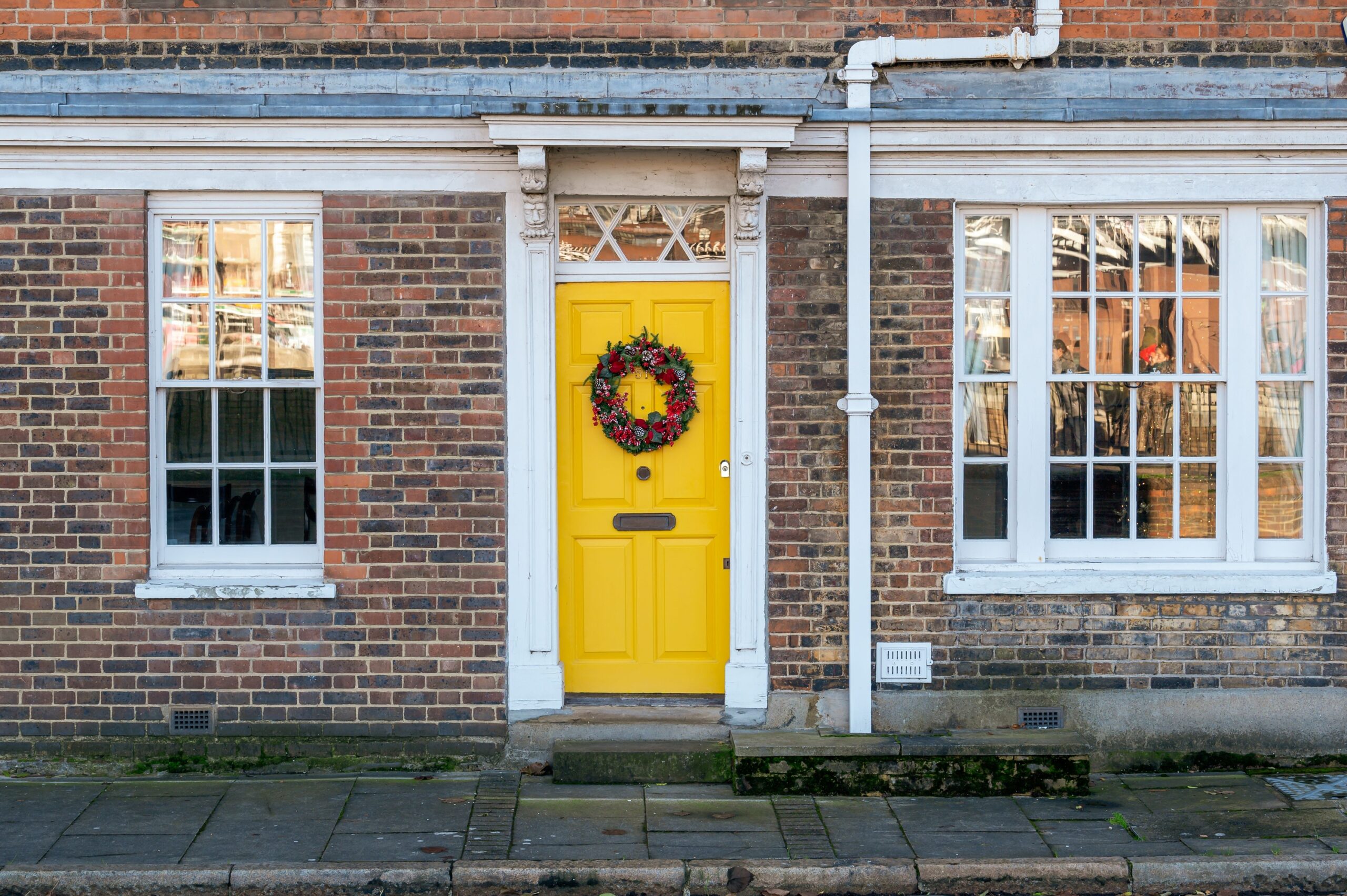

The Master Bedroom: Always the First Stop
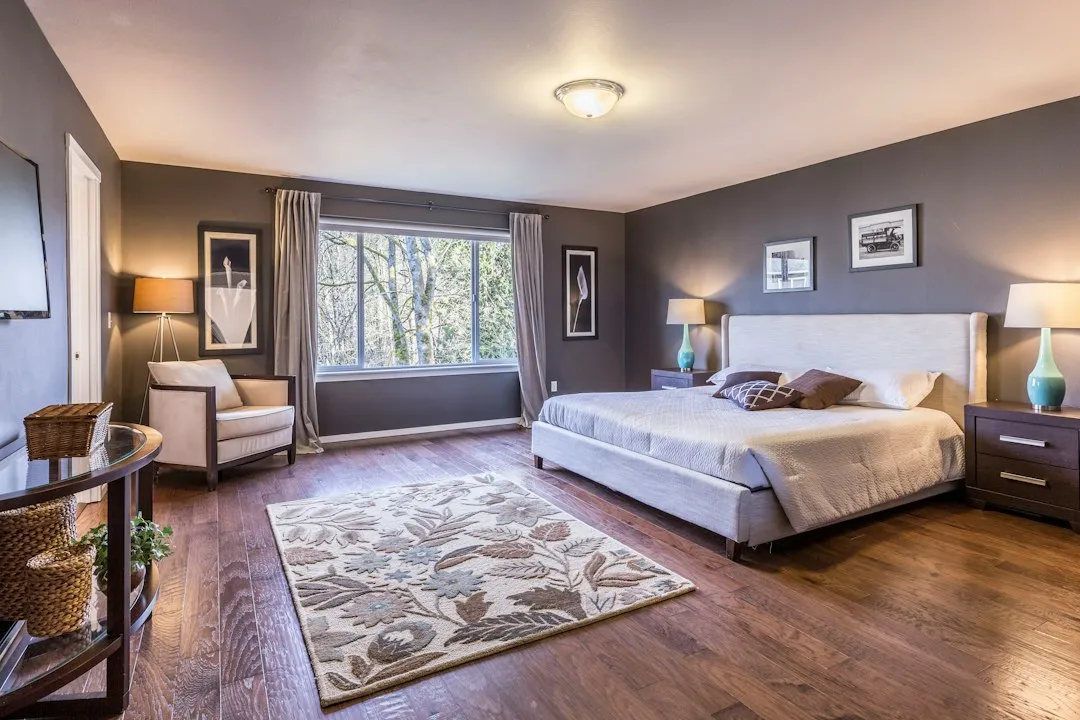
About three quarters of burglars target the master bedroom as the very first place they look for valuables. This isn’t guesswork on their part. Decades of residential burglaries have confirmed it as the highest-yield location in any home, since watches, jewelry, cash, important documents, and firearms are what people most commonly store close to where they sleep.
Burglars operate under extreme time pressure and need the highest return in the shortest window – the master bedroom is that calculation made physical. Since most home break-ins last less than ten minutes, thieves don’t waste time on guest rooms or laundry piles. They go straight to the room most likely to pay off immediately.
How Burglars Get In: The Entry Points That Matter
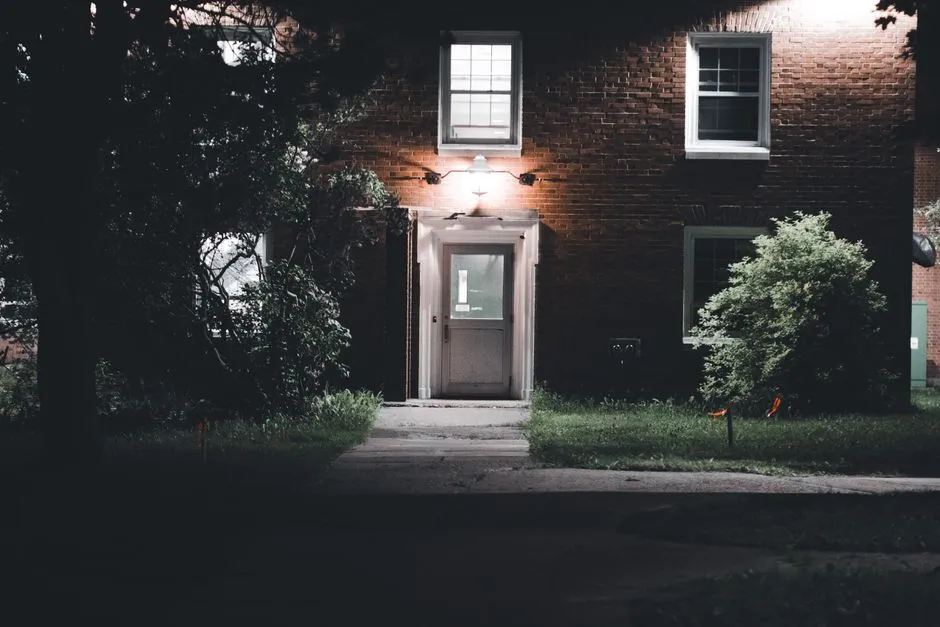
Roughly a third of burglars enter through the front door, about a quarter use a first-floor window, and another fifth walk in through the back door. Overall, about four in five home robberies begin on the first floor. The second floor and basement are far less common entry points, which tells you something about how quickly thieves expect to find what they want.
A full hundred percent of convicted burglars surveyed in one study said they knocked on the front door before breaking in, checking whether anyone was home before proceeding. Research from the Australian Institute of Criminology on active offenders found that burglars favor properties that are easy to access and prefer to spend as little time inside as possible.
The Under-Mattress Myth
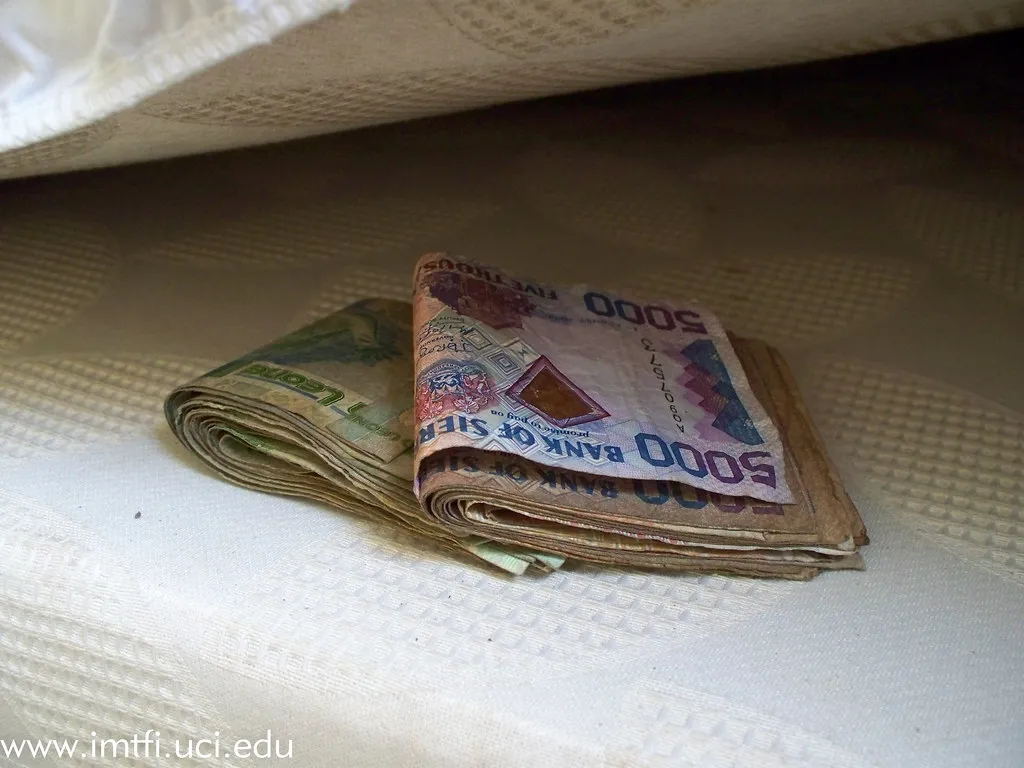
Hiding valuables under the mattress is one of the most clichéd spots people use, and it’s also one of the very first places burglars look. Cash, jewelry, and important documents are often found here, and the spot is easy to access, quick to check, and well-known to thieves.
Burglars know this trick and always check beneath the bedding first – it takes only seconds to lift a corner and see what’s there. The classic move of shoving cash under the bed is one of the oldest tricks around. Intruders know that people want their most precious items close to them while they sleep, making the mattress a primary target.
Dresser Drawers and Nightstands
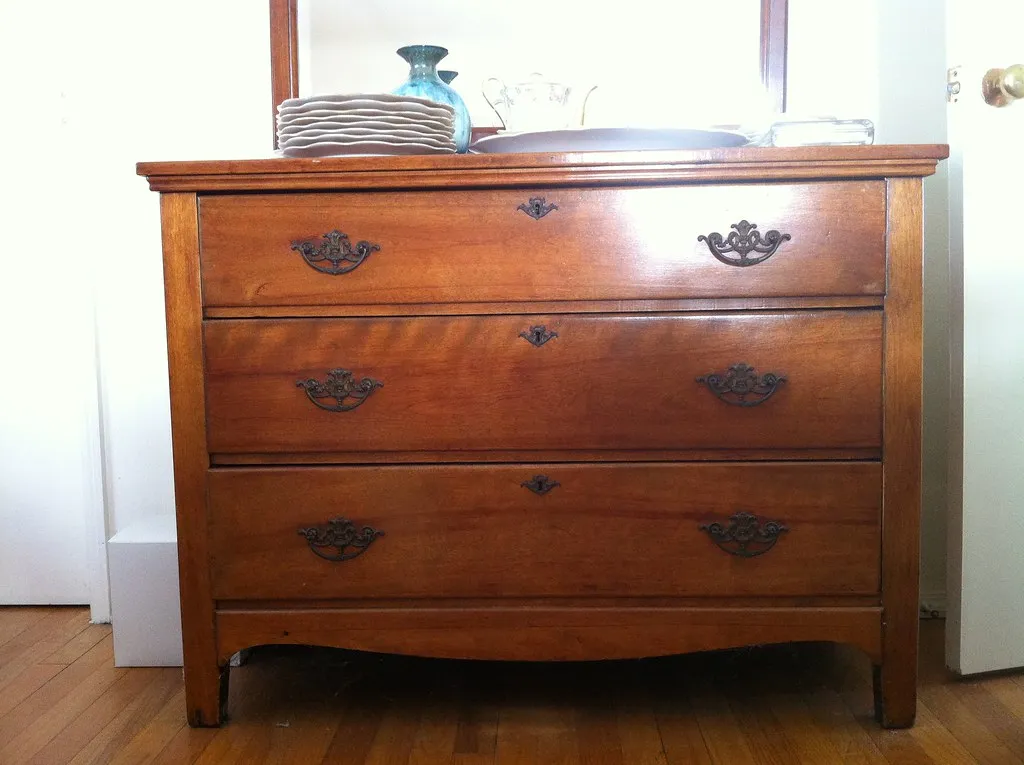
People commonly keep jewelry, watches, and cash in their dresser drawers, especially the top ones. It’s a convenient spot for the homeowner but equally convenient for a thief. Police reports and interviews with convicted burglars consistently reveal that dresser drawers and bedside tables are among the very first places they head, often within the first few minutes of entering a home.
Nightstands are easy targets too. Many people keep watches, wallets, and small electronics in the top drawer, and burglars know to check nightstands right away. Bedroom drawers, especially the top ones, are the most common targets, and even hidden compartments or unique boxes won’t fool a trained eye – burglars will slide out each drawer and inspect everything in moments.
The Home Office and Study
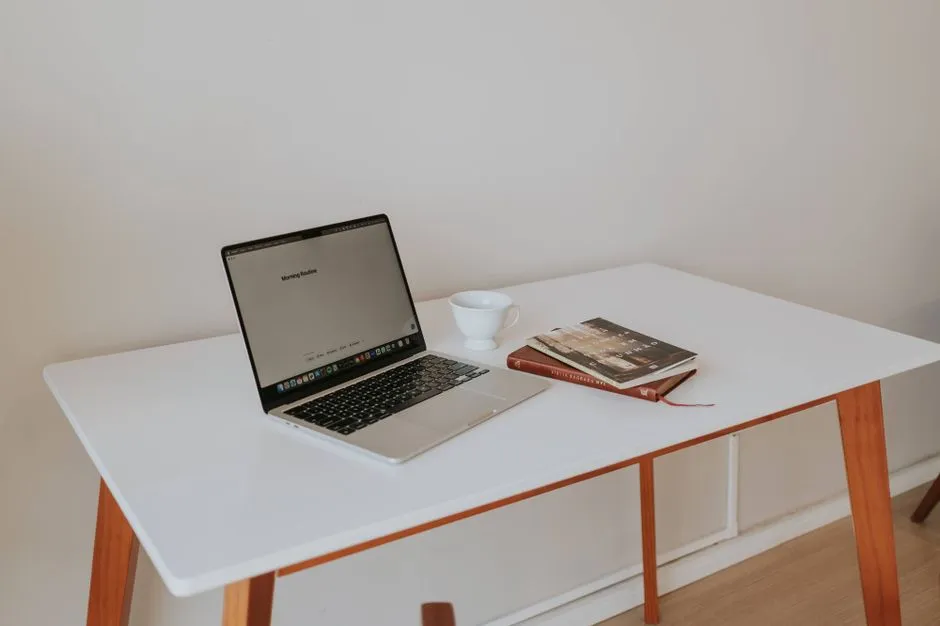
About a quarter of burglars said they would search a home office or study for valuables. This room often holds laptops, external hard drives, financial documents, and sometimes cash kept for convenience. Bedrooms, living areas, hallways, and home offices are the most visited rooms during a home break-in, with living areas and home offices frequently containing tablets, laptops, and TVs.
The main bedroom is the most commonly targeted room, followed by home offices, bathrooms, and kitchens, since these are the typical hiding places for cash, medication, and personal documents. A home office that doubles as a storage space for important paperwork is, in a burglar’s eyes, a secondary jackpot worth a quick sweep.
The Living Room’s Role

About one in five burglars said the living room would be at the top of their list when they broke in. The appeal here is obvious: electronics are usually in plain view. Burglary studies indicate that intruders move from the master bedroom to the kitchen or living room to find mobile phones and electronics.
Phones and tablets left in full view of windows are a common target, and often the reason a thief selects a particular home in the first place. Burglars tend to target properties they know contain valuables, and this knowledge usually comes from peering into windows before choosing to enter.
The Bathroom: Prescription Medications Are the Prize

Nearly one in six burglars said they have searched a homeowner’s bathroom for valuables. That might sound low, but the reason for bathroom visits is specific. Prescription medications can have a high street value, making a quick sweep of the medicine cabinet very lucrative.
Thieves will often dump entire bottles into a bag without even looking at the labels, choosing to sort through them later in a safer location. The medicine cabinet is another common place burglars look, specifically searching for painkillers or other pharmaceutical drugs that can be sold. Small jewelry items left on bathroom counters or in makeup bags are also grabbed in these quick sweeps.
The Entryway: Often Overlooked by Homeowners, Not by Burglars
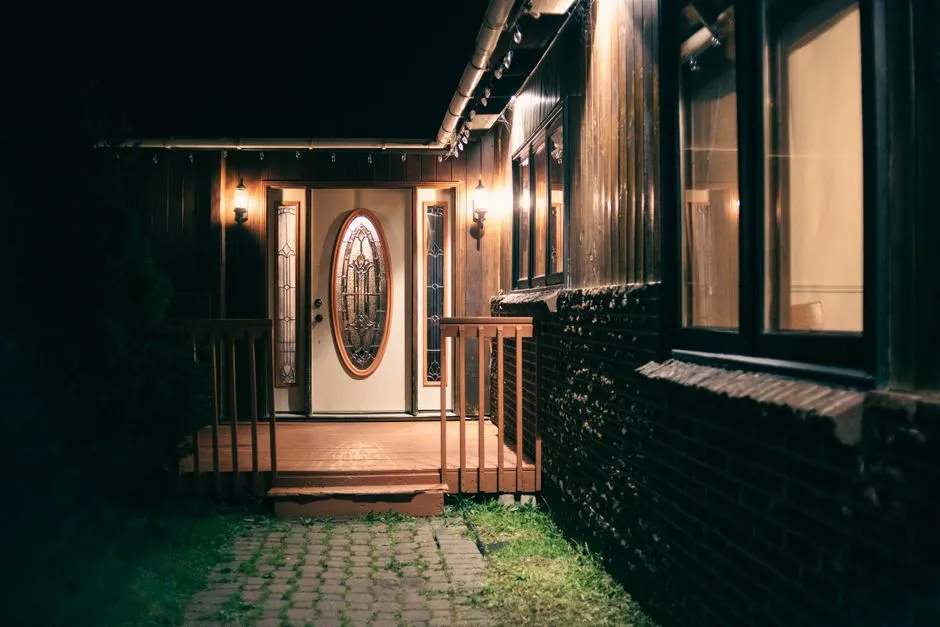
If a thief enters through the front door, they may not always have time to reach high-target areas like the master bedroom. Instead, they rummage through drawers and cabinets near the front door, where items most often found include car keys, backup cash, and personal documents.
Most burglars head to the main bedroom first, but the entryway is usually checked on arrival for car keys and loose cash. If an intruder finds car keys quickly, they may use the homeowner’s own vehicle to haul off larger items, and statistics show that about four in five home robberies begin on the first floor where these high-traffic storage areas sit.
What Burglars Are Actually Stealing

The vast majority of burglars steal cash and jewelry first, with electronics, firearms, and prescription medication also featuring prominently on the list of most commonly taken items. Speed drives every decision a thief makes. Cash and small valuables like jewelry are usually the first target, since burglars aim to find portable, high-value items quickly and leave within minutes.
Burglars favor items that are simple to carry and quick to resell. That explains why large furniture, artwork, or heavy appliances rarely disappear in residential break-ins – the time-to-reward ratio simply doesn’t work in a thief’s favor. Anything small, light, and sellable is the real target.
Where Valuables Are Actually Safer
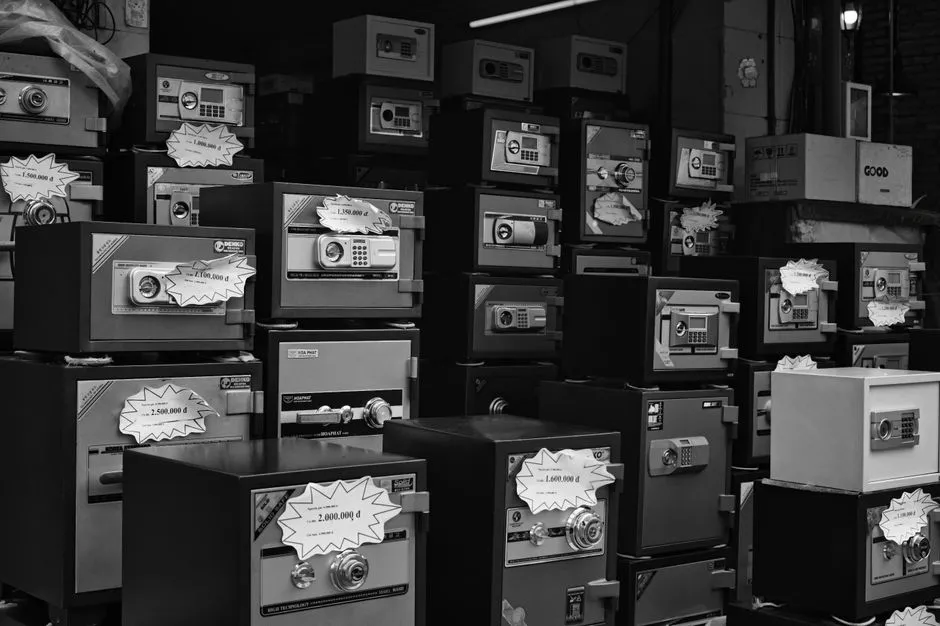
The best hiding places are unexpected, low-interest areas that require effort to access. Time and difficulty are your biggest advantages during a break-in. Consider storing a safe in places that may seem less obvious to a burglar, like in the floor, behind wall art, in a kitchen cupboard, on bookshelves, or inside a loft.
Lofts are hard-to-reach places. Even if gaining access is straightforward, burglars will want to complete their in-and-out job quickly, so storing valuable items in a loft offers a real advantage. Items wrapped in plastic and stored in the back of a freezer is another option that works – it’s also a practical spot for documents and paper currency in case of a house fire.
A properly installed safe is still the most reliable option for high-value items. A floor safe in a bedroom closet, while not a hidden location, requires a burglar to exert significant time and energy to break into, and its weight makes it very difficult to carry off whole. That friction alone is often enough to make a thief move on.
The Takeaway

The pattern across all of this research is remarkably consistent: burglars move fast, they follow the same mental map in almost every home, and the master bedroom is always their first destination. If your security plan involves hiding valuables anywhere inside the master bedroom – under the mattress, in the nightstand, at the top of the wardrobe – you are placing them in the same room your intruder heads toward the moment they enter your home.
Areas that burglars tend to overlook are often the least convenient ones, such as entryways or utility spaces, and most burglars search predictable places first: bedrooms, drawers, and closets. The simplest protection strategy is to think like someone who has ten minutes and needs to grab the obvious things. If your valuables aren’t in the obvious places, they’re already safer than most.
AI Disclaimer: This article was created with the assistance of AI tools and reviewed by a human editor.