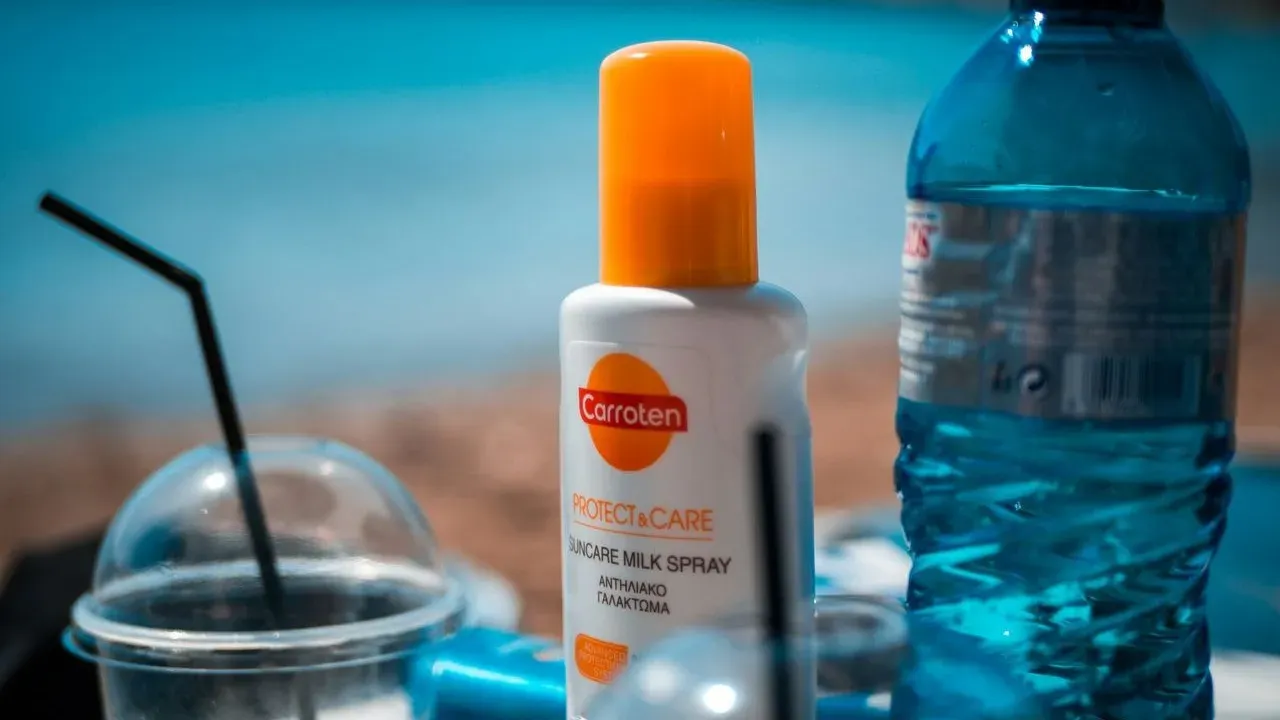

Gardeners and anyone who spends extended time outdoors now have access to a long-awaited advance in sun protection. The Food and Drug Administration approved bemotrizinol, also known as BEMT, earlier this year as the first new sunscreen active ingredient permitted in the United States since 1999. Products containing the filter began appearing in stores this month. ([1])
A Long-Overdue Addition to Daily Protection
For decades, American consumers have had fewer sunscreen options than people in Europe or Asia because the FDA treats these products as drugs rather than cosmetics. That regulatory approach requires extensive safety data before any new ingredient can be used. The approval of BEMT marks the first meaningful expansion of the permitted list in more than a quarter century. The new filter offers broad-spectrum coverage against both UVA and UVB rays while showing low absorption through the skin. Regulators have determined it meets the standard of being generally recognized as safe and effective for adults and children six months and older. This development directly benefits people who work or relax outside for hours at a time, where consistent, comfortable sun protection matters most.
Why the Ingredient Matters for Outdoor Routines
BEMT stands out for its efficiency. Formulators can achieve strong protection levels with lower overall concentrations of active ingredients compared with many older filters. The result is often lighter textures that feel less greasy on the skin and remain transparent after application. Chemists note that the ingredient features two distinct absorption peaks, one in the UVA range and one in the UVB range. That profile helps defend against both immediate sunburn and longer-term skin aging. For gardeners who reapply sunscreen multiple times during a day outdoors, these practical improvements can make daily use more consistent.
Early Products and What Comes Next
The first BEMT-containing sunscreens reached U.S. stores in September. They combine the new filter with established ingredients to deliver full-spectrum protection. Examples include formulas designed for acne-prone or oily skin as well as daily facial options with added antioxidants. More products are expected as manufacturers incorporate BEMT into additional lines. The expanded choice gives consumers and dermatologists more tools to address the high lifetime risk of skin cancer, which affects one in five Americans. Continued modernization of sunscreen regulations could bring further options in the years ahead.
AI Disclaimer: This article was created with the assistance of AI tools and reviewed by a human editor.