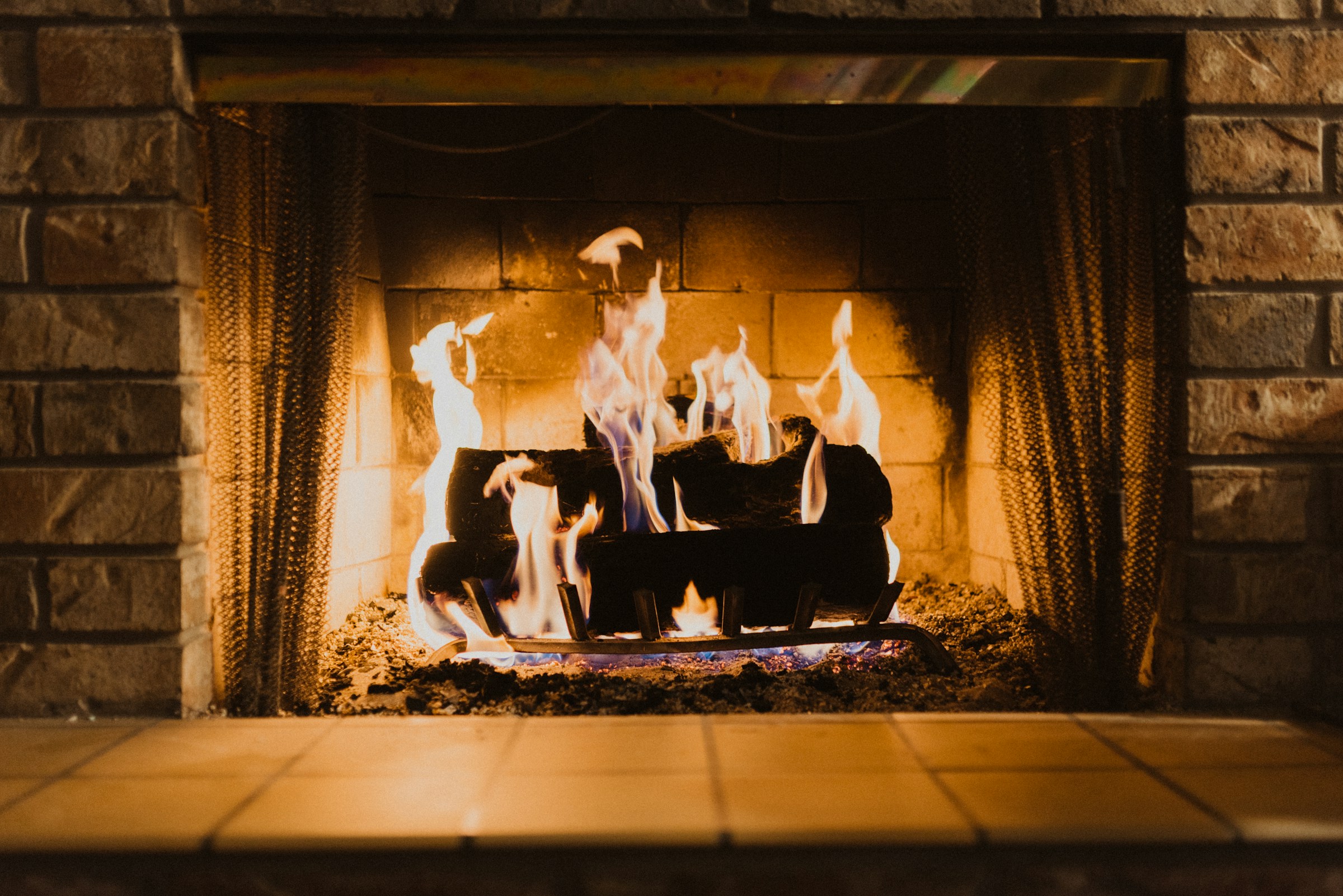

Embers Don’t Die When the Flames Do
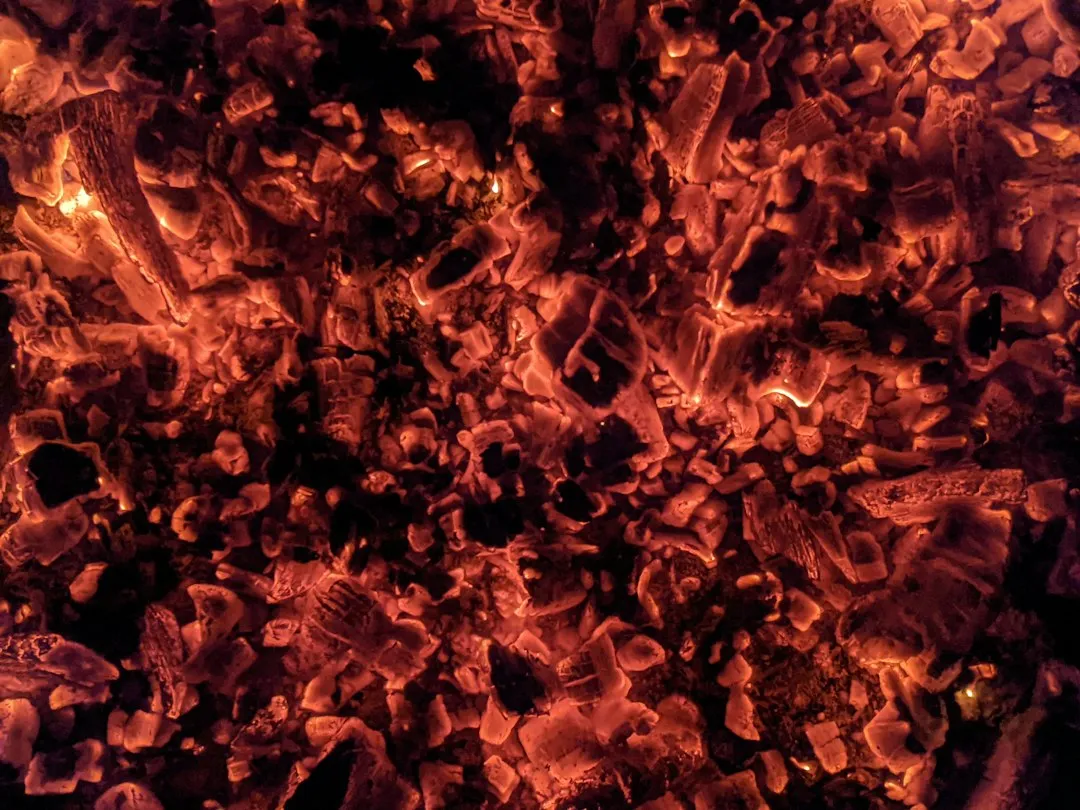
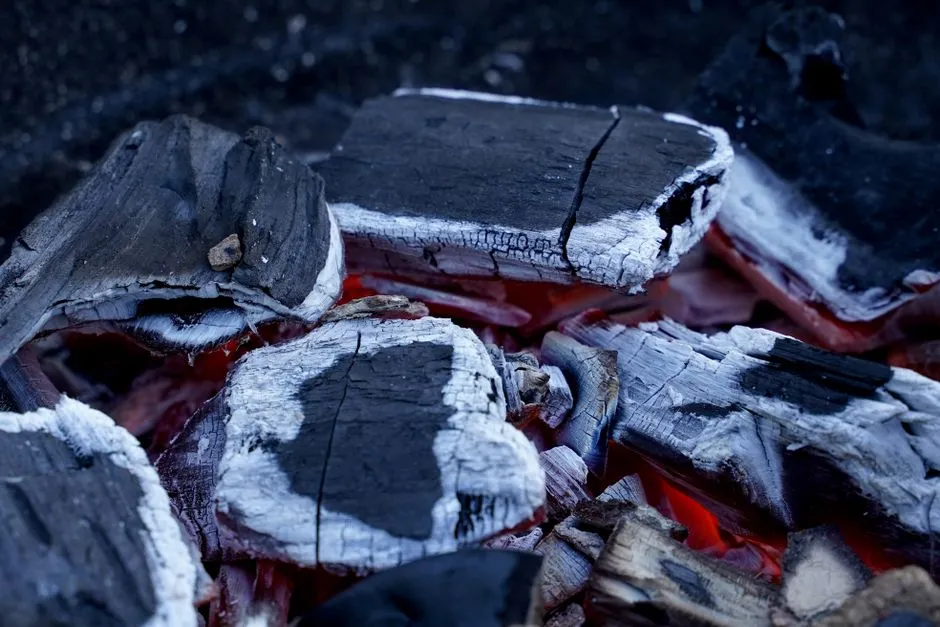
Embers can remain hot and capable of igniting a fire for more than five days after a fire has gone out, and they stay hidden beneath the ash layer, making them invisible to the naked eye. This is the core of the problem. The fire looks dead, but it isn’t.
Ashes themselves, even if not giving off any smoke, can stay hot for days after the fire goes out. Even if you can’t feel any heat radiating off them, it’s still possible there are hot coals deep underneath the ash, because ash acts as an insulator for those coals, helping them stay warm without burning themselves out for a long period of time.
Ash Works Like a Blanket for Heat
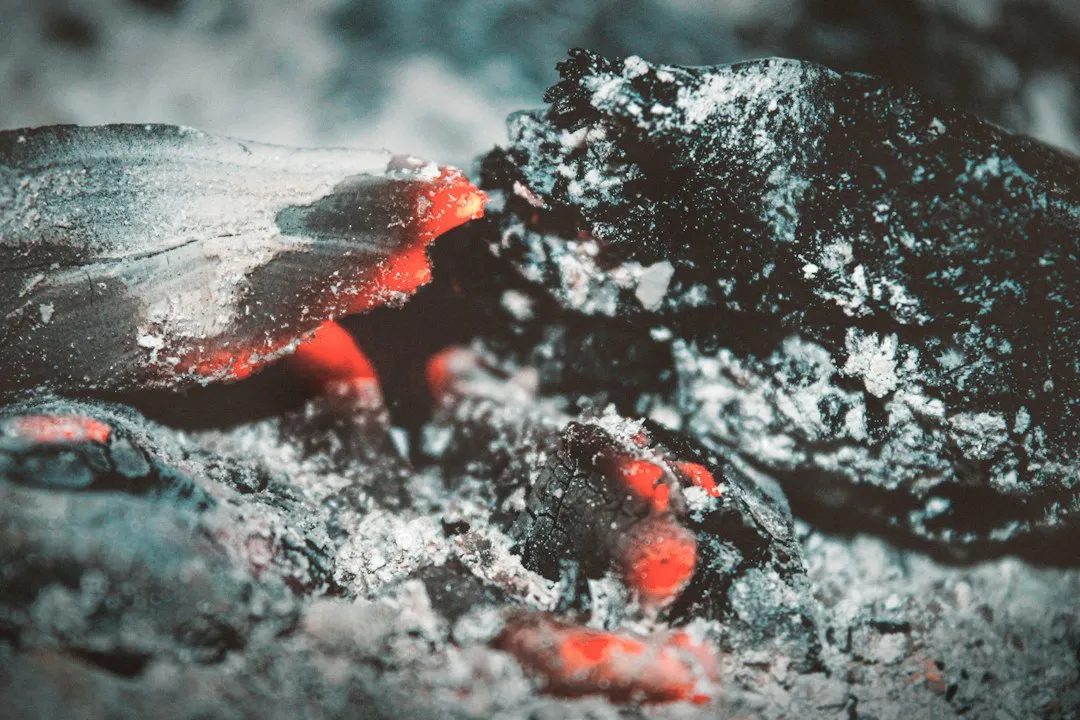
Cooled ash will insulate interior embers, keeping them hot for several days, even in storage. Think of it like wrapping a hot coal in a thick wool blanket. The surface feels cool to the touch while the inside stays dangerously active.
Hot coals, hidden in a pile of ashes and thus well insulated, can stay hot for up to four days because the ash acts as an insulator that keeps the coals from burning out. All these coals need to flare up again is more oxygen. A gust of wind or an open container lid is often enough to provide it.
The Most Common Mistake: Dumping Ash Too Soon
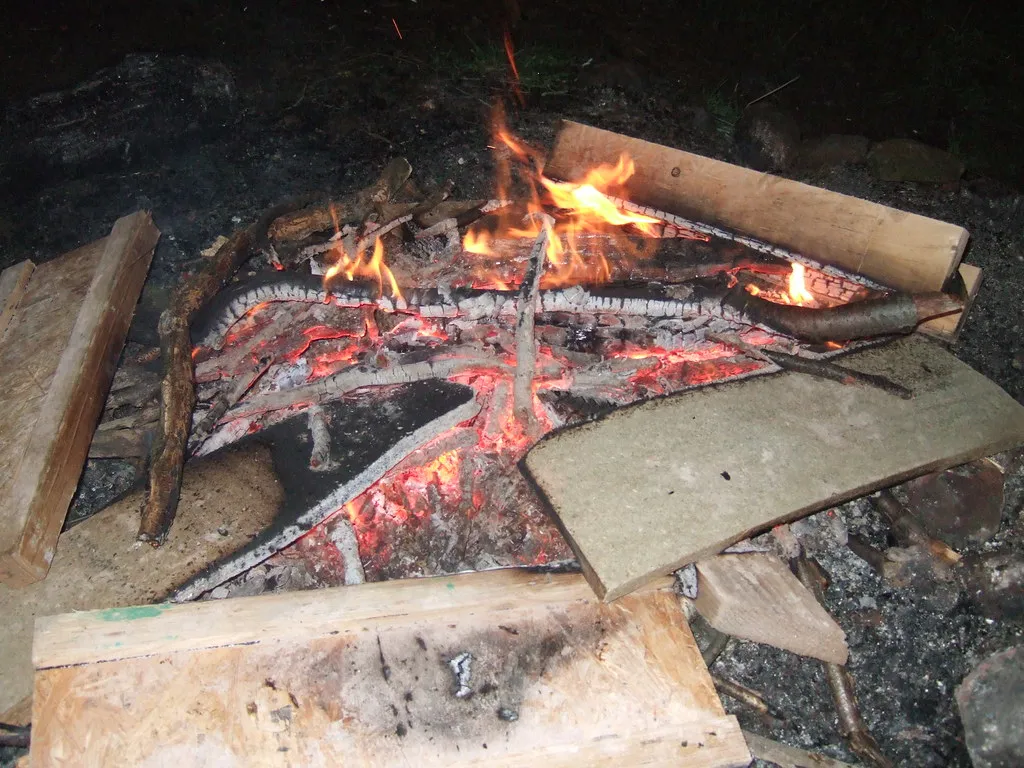
Many people do not allow enough time for the embers to cool, and this is also the case in many wildfires when people do not completely put out their campfires. Sometimes you can’t even really tell that there’s one tiny ember that’s still burning in there.
In one documented incident in Boise, homeowners had a recreational fire around 9:30 p.m. on Christmas Eve and the ashes were not put into a trash can until 5:30 p.m. the next day, nearly 24 hours later. The homeowner really thought those ashes were out when he dumped them into his trash can, but they were not.
Paper Bags and Plastic Bins Are a Serious Hazard
Never use a plastic bucket, a cardboard box, or a paper bag for collecting ashes. A hidden hot ember can easily melt through plastic or ignite paper and cardboard, leading to a disastrous fire. This is one of the most frequently repeated errors firefighters see in the field.
In 2011, a family in Connecticut was celebrating Christmas Eve when one household member removed the ashes from the fireplace, placed them in a paper bag, and put them in the mudroom. Tragically, the wood ashes ignited a fire in the mudroom that quickly spread throughout the house, resulting in the loss of their young children and grandparents on Christmas Eve.
Snow and Cold Weather Offer No Protection
Many homeowners believe that winter weather neutralizes the risk. Snow on a deck, frost in the air, freezing temperatures outside: none of it is enough to cool an ember that’s been insulated by a thick layer of ash. Cold conditions can create a false sense of security.
A firefighter shared the story of a woman who cleaned out her ashes and placed them in a metal container, then set the container on her back porch, which had about 18 inches of snow on it. Hours later, a smoke detector in the house went off. She didn’t smell or see smoke and assumed it was a false alarm. It wasn’t until many hours later that the fire department received a call from the same house.
As it turned out, the ash bucket contained hot embers. The bucket melted through the 18 inches of snow on the deck and came to rest directly on the wooden deck surface. The smoke detector had gone off the first time because the deck was already smoldering from the hot ash container.
The Scale of the Problem Nationally
Improper ash removal from fireplaces and wood-burning stoves causes thousands of fires in the U.S. every year. According to the NFPA, almost 10,000 fires are caused yearly due to improperly removing and discarding ashes. That figure puts ash disposal fires in a category most homeowners would never expect.
In 2024 alone, an estimated 329,500 home structure fires occurred nationwide, equating to a home fire being reported approximately every 96 seconds. Home fires accounted for roughly three quarters of civilian fire deaths and injuries. Ash disposal fires are a real slice of that total.
Wind Is the Hidden Accelerant
Coals and ashes from fires can remain hot enough to start a fire for days or even weeks after you think the fire is out. The exact amount of time for complete extinguishment and cooling depends on many factors such as how hot the fire was, what was burning, and how much unburned fuel remains.
High winds can uncover still-hot embers and start a wildfire. Don’t dump ashes outside on a windy day. The wind can whip up what may have seemed like cool embers, making them fiery hot and sending them traveling to ignite nearby combustibles. This risk multiplies dramatically in dry winter conditions.
A Real Wildfire Caused by Fireplace Ash
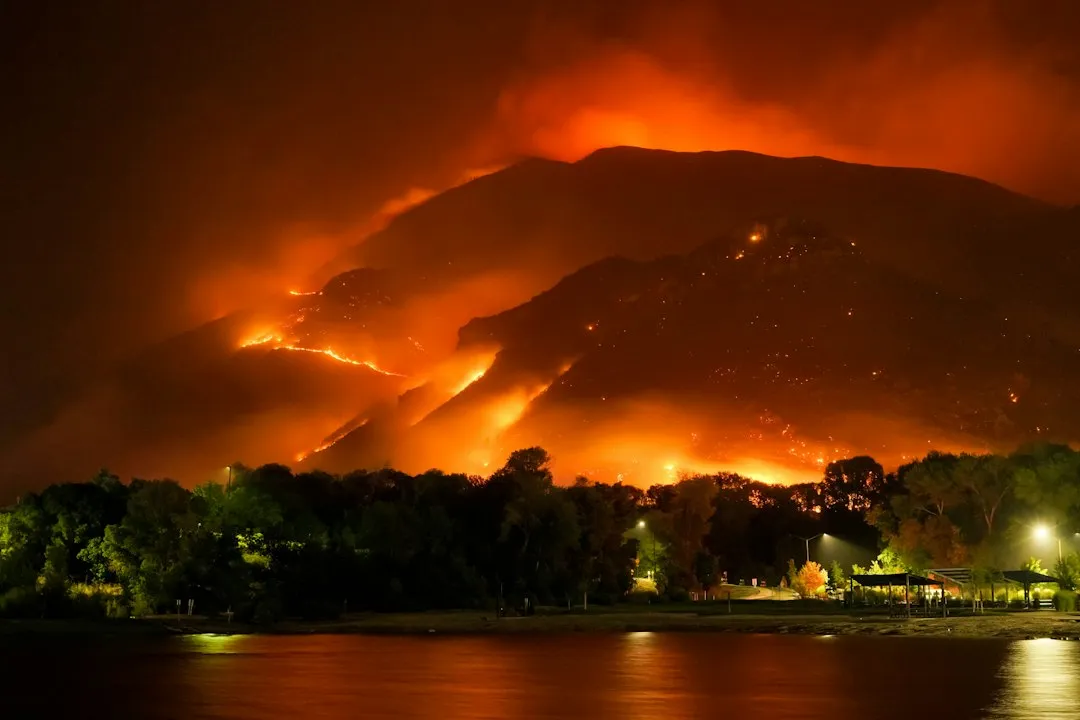
The danger extends well beyond the living room. Improperly discarded ash has ignited large-scale wildfires with devastating consequences for entire communities.
The Washoe Drive Fire, which burned near Washoe Lake in Pleasant Valley, Nevada in January 2012, was started due to improperly disposed fireplace ashes. The fire grew to over 3,000 acres, destroyed 28 structures, caused one civilian death from smoke inhalation, and forced approximately 10,000 people to evacuate. One household’s oversight created a regional emergency.
The Right Way to Store and Dispose of Ash
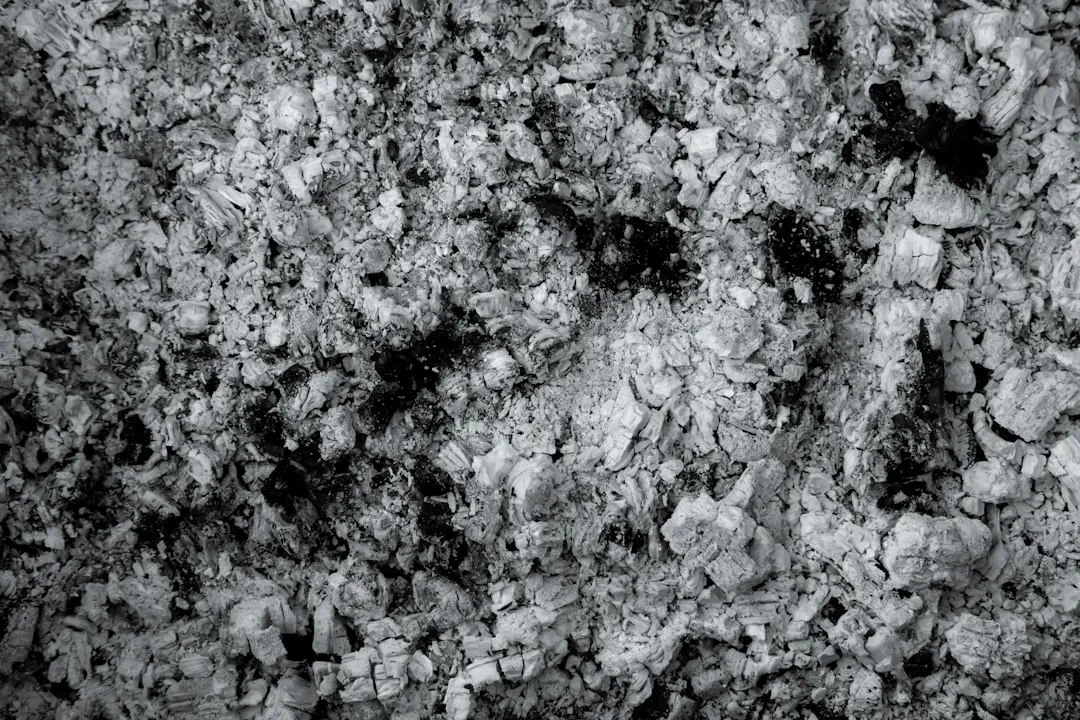
Ashes should always be handled with caution, stored outdoors in a metal container with a tight-fitting lid, and given several days to cool before disposal. Safe ash disposal means allowing ashes to cool for several days before discarding, using a metal container with a tight-fitting lid rather than plastic, cardboard, or paper, and storing the container outside, away from buildings, decks, porches, garages, sheds, and dry vegetation.
Store ash containers on a non-combustible surface, such as concrete or brick, and away from flammable materials. Keep the container at least 10 feet away from your home or any other structures, ensuring that any residual heat or embers do not pose a fire risk.
How Long Should You Actually Wait?
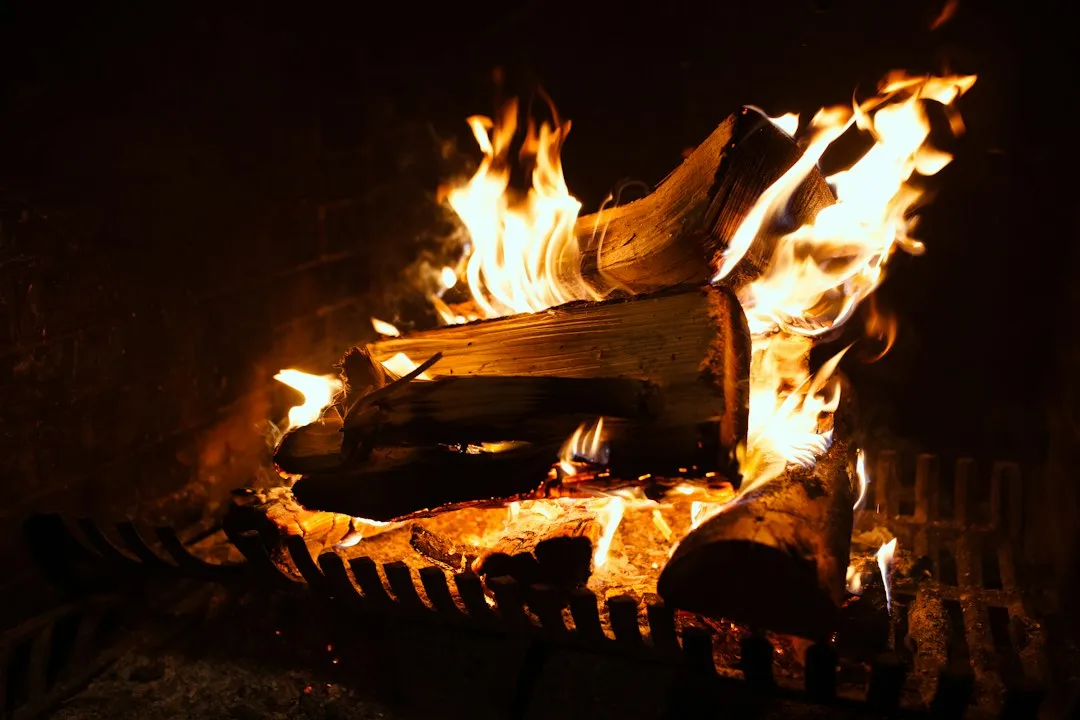
There is no single definitive number, but the consistent guidance from fire safety authorities is measured in days, not hours. Waiting until the next morning is not enough. Neither is waiting 24 hours in most cases.
Stored ash will need a few days to fully cool and no longer pose a fire risk. Fireplace ash has the potential to hold live embers between 24 and 72 hours, depending on variables. You should wait at least three days, preferably longer, after using your fireplace to ensure the ashes have cooled to a temperature safe to handle. When in doubt, add water carefully to the ash before disposal, and treat the container as live until proven otherwise.
The Takeaway
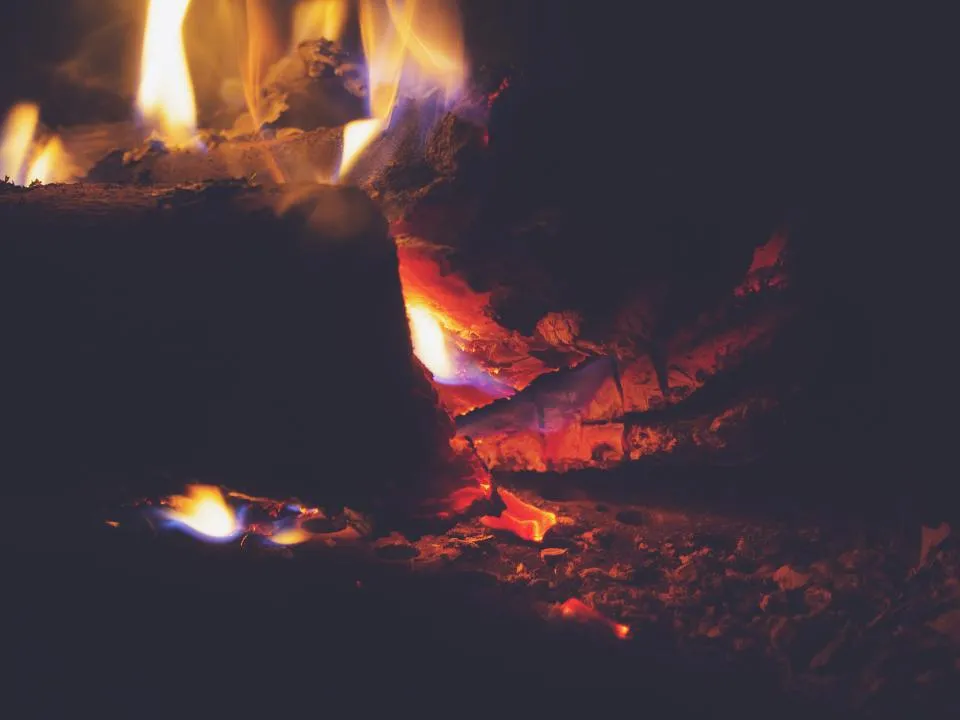
The fireplace ash mistake that starts fires days later is not complicated or rare. It is the ordinary, well-meaning act of cleaning up too quickly, using the wrong container, or placing the ash near something combustible. The fire looks finished. It often isn’t.
A few simple changes cost almost nothing: a metal ash bucket with a tight lid, a concrete or brick surface for storage, and three to five days of patience before final disposal. Fire safety officials continue to alert residents after fires are traced to ashes from fireplaces or woodstoves that had not been safely extinguished or properly stored, and as winter temperatures drop and home heating increases, following critical safety steps becomes especially important. The quiet pile of grey powder sitting in your hearth deserves more respect than it usually gets.
AI Disclaimer: This article was created with the assistance of AI tools and reviewed by a human editor.