
Most homeowners who fertilize their lawns do so with good intentions. They want thicker grass, a richer green, and a yard that holds up through summer heat. The problem is that one subtle but consistent mistake, getting the timing wrong, can undo all of that effort silently and quickly beneath the surface long before the damage becomes visible above ground.
What’s particularly tricky is that root damage from poor fertilizer timing doesn’t always look like what you’d expect. By the time brown patches appear, streaky discoloration runs across your turf, or entire sections feel brittle underfoot, the roots have already been compromised. Understanding why timing matters so much is the first step toward protecting the lawn you’ve worked hard to maintain.
What Fertilizer Burn Actually Does to Roots
Fertilizer burn isn’t a chemical burn in the traditional sense. It’s a form of stress caused by excess salts in the soil, and most fertilizers contain salts that help deliver nutrients to plants. The trouble starts when those salts accumulate faster than the lawn can process them.
When too much builds up in the soil, those salts pull water away from plant roots, keeping plants from getting the moisture they need. The result, as Pennington’s lawn care resource notes, looks a lot like drought damage, even when the soil itself isn’t dry.
Low osmotic pressure occurs when there is a higher concentration of salts outside the root cell membrane, so water will not move across the membrane. Water may even leave the root system in an attempt to equalize the concentration of salts in the soil, causing a fertilizer burn by starving the plant from water.
The Timing Problem Most Homeowners Miss
Fertilizer is most effective when applied during periods of active growth. Applying it at the wrong time, such as during extreme heat or dormancy, can increase the risk of damage. This is a point that gets glossed over on most fertilizer packaging, which tends to focus on quantities rather than conditions.
Timing your fertilizer application is crucial. Fertilizing at the wrong time of year can encourage excessive top growth at the expense of root development, leading to weak, thin grass.
Applying nitrogen when the grass is dormant can force growth the roots cannot support, and will also encourage weed growth. This is one of the more counterintuitive aspects of lawn care. More fertilizer at the wrong moment doesn’t feed the lawn. It stresses it.
Soil Temperature Is the Real Signal
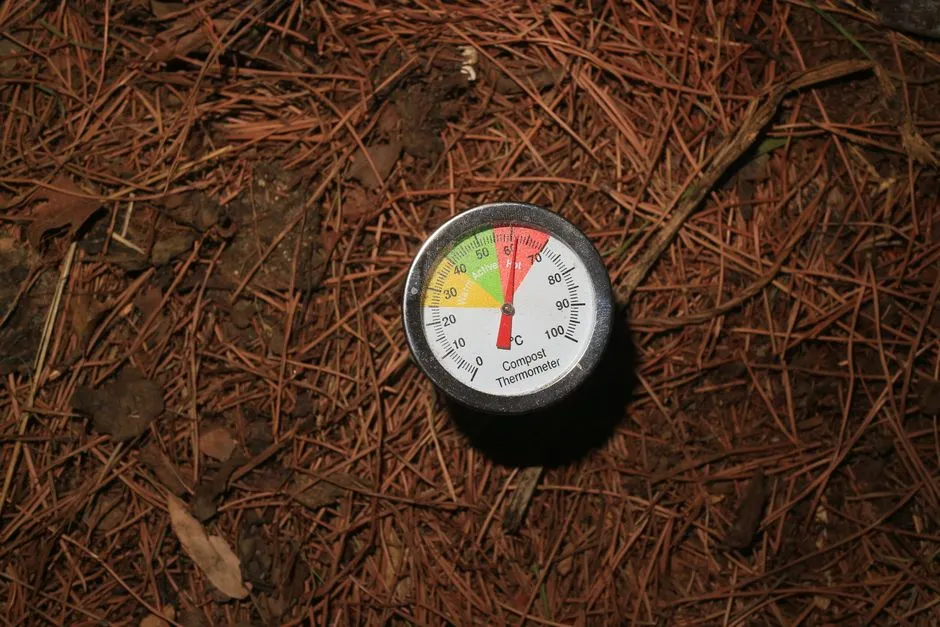
The best time to fertilize grass is when it is actively growing: cool-season lawns get a light spring feeding and their heaviest meals in fall, while warm-season lawns get fed from late spring through summer. Soil temperature is the trigger, roughly 55°F and climbing for cool-season grass and 65°F for warm-season grass.
Fertilizer applied when grass is not actively growing stresses plants, wastes money, and increases runoff risk. Many homeowners rely on the calendar instead of a soil thermometer, which is where the mistake begins. A warm afternoon in early March doesn’t mean the soil is ready.
Nitrogen pushed during heat or dormancy increases disease, thatch, and drought sensitivity. According to Purdue University Extension, lawns fertilized in sync with growth cycles require less total nitrogen per year for the same or better quality. That’s a meaningful finding. Less fertilizer, better timed, actually produces better results.
Summer Fertilizing and the Heat Trap
Skip applications when daytime air temperatures are pushing past 85 to 90°F, since fertilizer salts plus heat stress is a recipe for burn. This is especially relevant during heatwaves, which have become more frequent in recent summers across much of North America.
In mid-summer heat above 80°F, grass growth slows, and fertilizer can burn the lawn or promote disease. Cool-season grasses are particularly vulnerable during this period, since they’re already under heat stress and have reduced capacity to absorb nutrients safely.
Fertilizing during hot, dry weather and forgetting to water the fertilizer in after application are key everyday mistakes. Summer lawn fertilizer treatments can be especially tricky. The combination of high temperatures, low soil moisture, and concentrated salts creates conditions where root damage can occur within hours rather than days.
Fertilizing on Dry Soil Accelerates Damage
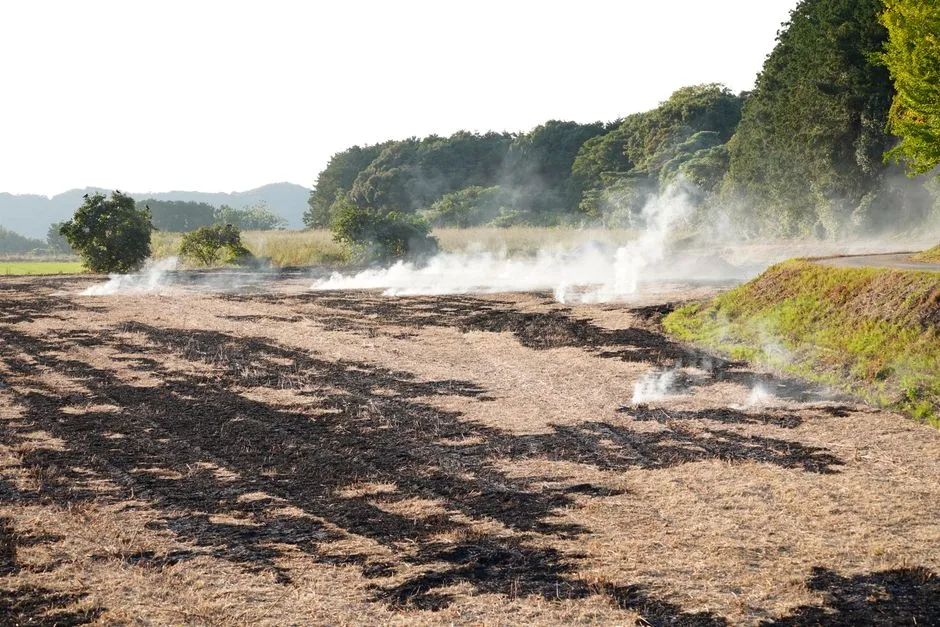
Fertilizing when the soil is dry can quickly lead to dehydration and burn because the grass is already moisture-stressed. When the roots are already working hard to find water, introducing a heavy concentration of salts makes an already difficult situation significantly worse.
Water plays a major role in whether fertilizer helps or harms your lawn. Without enough water, fertilizer can sit on the grass blades and cause burning. With too much water, nutrients can be pushed past the roots before they’re absorbed. Getting the balance right matters more than most guides acknowledge.
If you don’t water after a fertilizer application, the fertilizer will sit on the grass blades and be of no help to your lawn. It needs to get into the soil to be of use. Additionally, you risk fertilizer burn if you don’t water after fertilizing. Granular fertilizer sitting on grass blades in the hot sun can scorch your lawn within hours.
What Root Damage Actually Looks Like Up Close
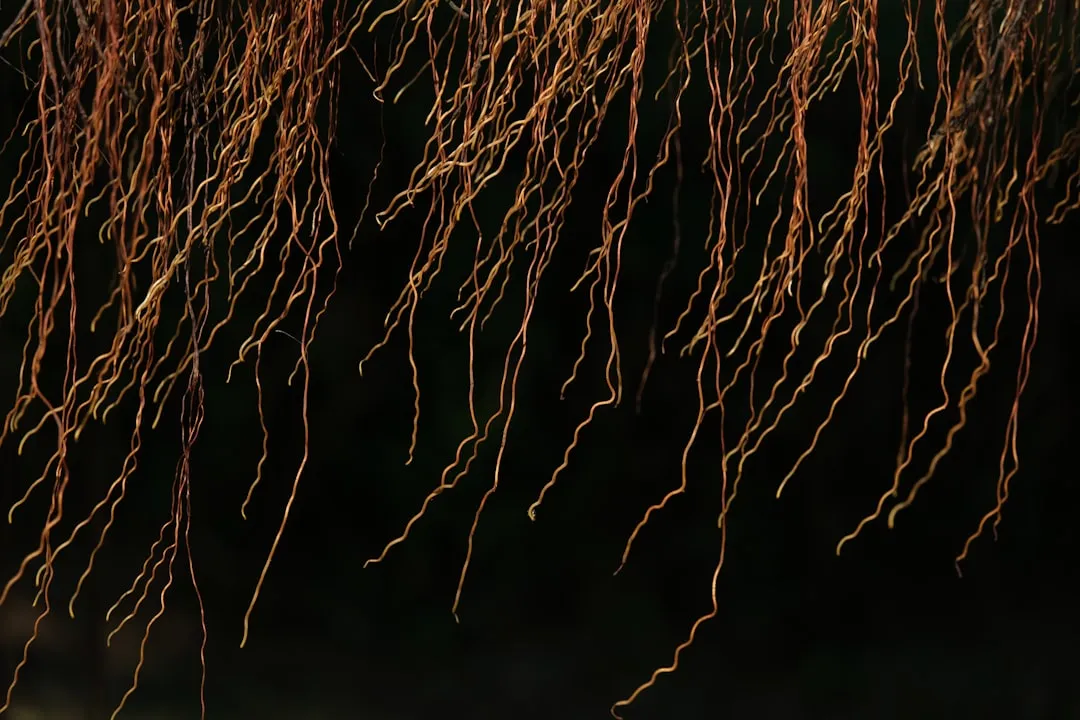
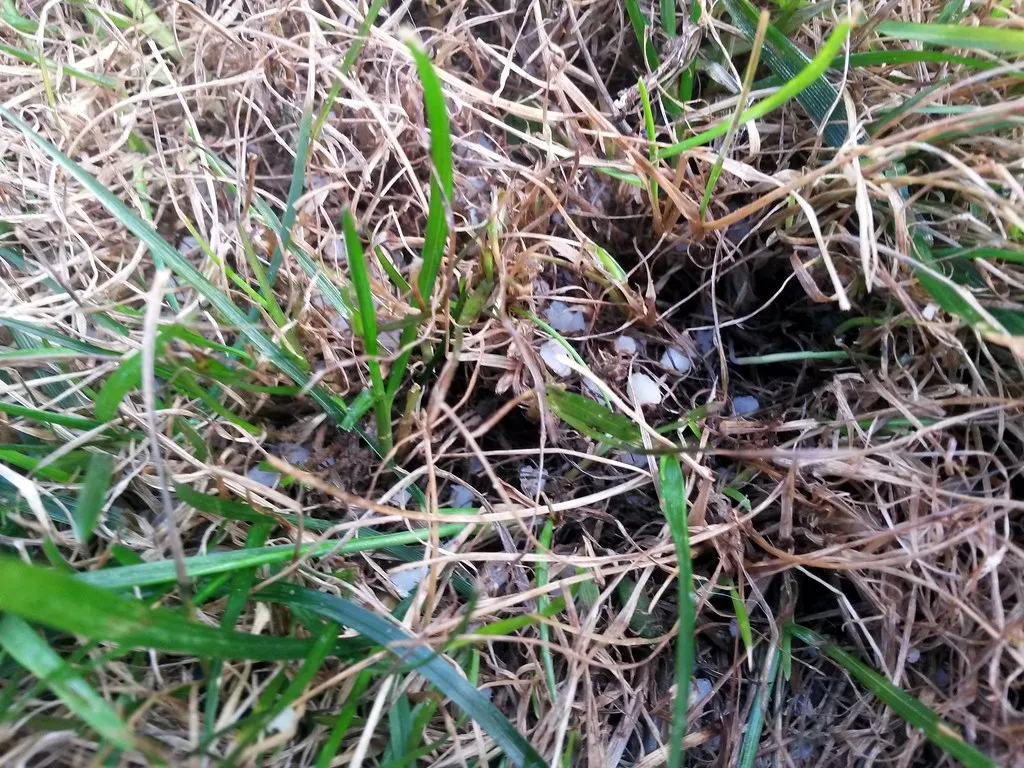
Inspect the grass roots for damage by cutting a section out of the ground and examining its condition. Healthy roots will look white, long, and dense. Grass roots suffering from fertilizer burn will be brittle and dry.
You can tell the difference between fertilizer burn and other lawn problems this way: with fertilizer burn, the grass will typically be crispy or crunchy to the touch. You might also see root rot and impaired growth. You might notice a salt crust on top of the soil.
In lawns and turf applications, fertilizer burn leaves distinctive yellow or brown streaks that closely follow the pattern in which the fertilizer spreader was moved, a clear visual indicator of misapplication. If the damage lines up with where you walked and turned, timing and technique are very likely the culprits.
Quick-Release Fertilizers Raise the Timing Stakes
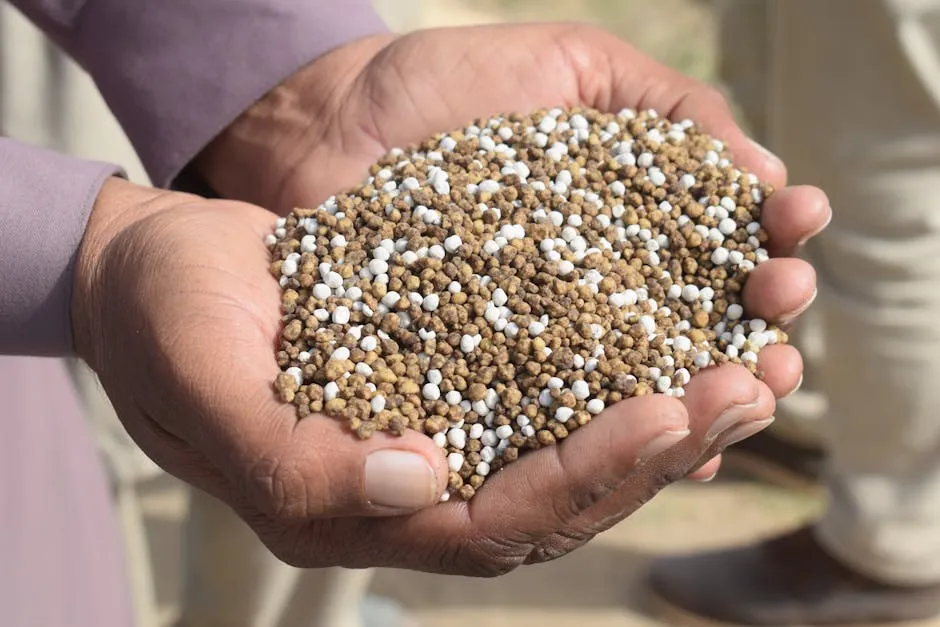
Quick-release products that aren’t watered in properly or that are applied in hot weather are a common cause of fertilizer burn. They deliver a large dose of nitrogen rapidly, which is useful when conditions are right but risky when the lawn is already stressed or the temperature is climbing.
Slow-release fertilizers are less likely to cause burn than quick-release varieties. They provide a steady supply of nutrients over time, reducing the risk of oversaturation. For most homeowners, especially those new to lawn care, slow-release formulas offer a meaningful safety margin when timing is uncertain.
Slow-release nitrogen feeds plants over time. This reduces the chance of nutrient overload and lowers the risk of burn. Deep watering helps move nutrients into the soil and can dilute excess fertilizer salts that may harm grass or plants.
Overfertilizing Quietly Compounds the Problem

Excess nitrogen forces rapid top growth that the root system cannot support. At the same time, salt buildup interferes with water uptake, leaving grass stressed even when soil moisture is present. This combination of fast growth and dehydration is what causes visible fertilizer burn.
High levels of nutrients, especially nitrogen, can trigger rapid top growth that the roots can’t support. This imbalance can lead to weakened turf, discoloration, and increased susceptibility to stress. Instead of strengthening your lawn, overapplication often leaves it more vulnerable.
Even if plants are not immediately damaged, excess fertilization may encourage other problems. Aphids, mites, and other pests often thrive on the lush, tender growth resulting from heavy fertilization. The damage, in other words, can extend well beyond browning grass.
Recovery Is Possible, but Takes Longer Than Expected
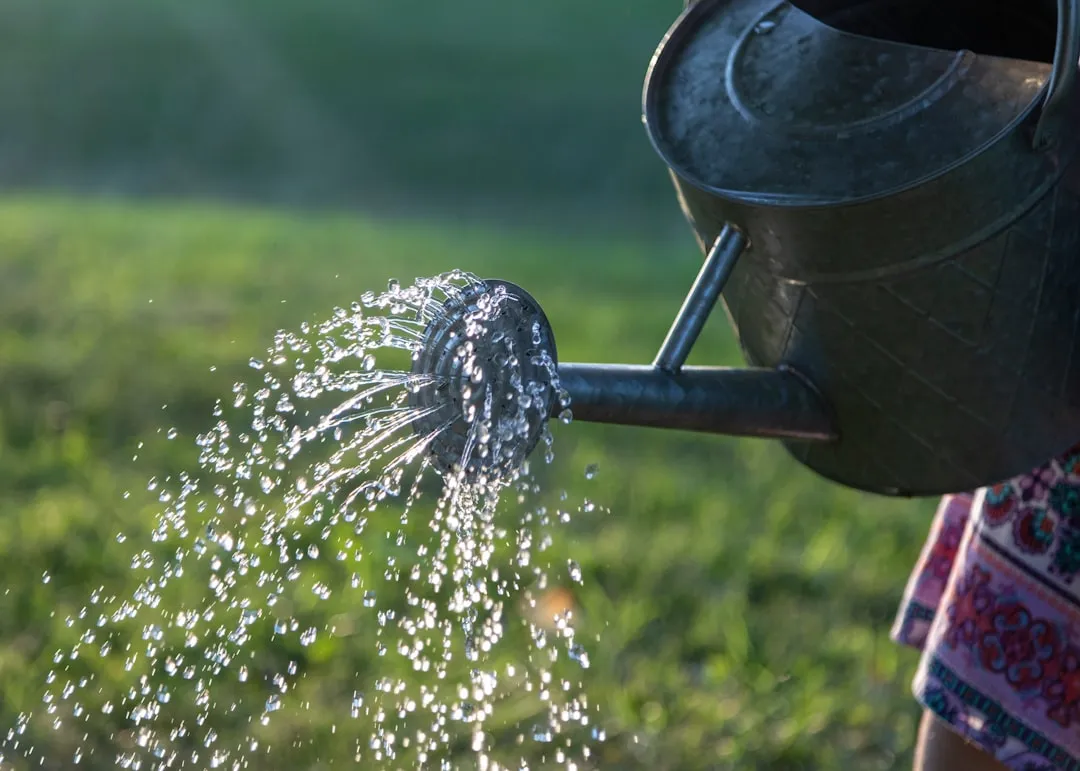
The key to recovery is simple: flush the excess salts out of the soil so the roots can start functioning normally again. This means sustained, deep watering over several days, not a single quick pass with the hose.
The time it takes for your lawn to recover from fertilizer burn depends on the degree of the damage. Depending on the severity of the burn, the grass can take from one week to one month to recover. Or, if it has died, you’ll need to remove the grass and plant grass seed or lay sod.
Wait at least four to five weeks before applying fertilizer again. Use slow-release formulas and follow label instructions carefully. Rushing back into feeding a recovering lawn is one of the more common ways homeowners extend the damage unintentionally.
How to Time Fertilizer Applications Correctly Going Forward
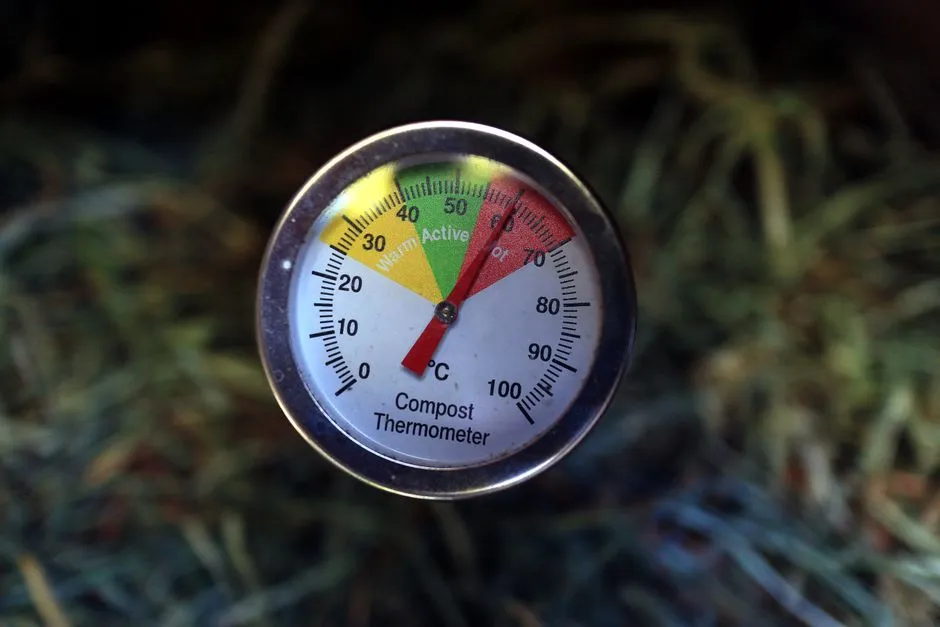
Fertilize cool-season grass in early spring and again in the fall once soil temps reach 50 to 55 degrees F. Warm-season grass needs to wait until late spring or early summer when soil temperatures are above 65 degrees F. A basic soil thermometer costs very little and removes the guesswork entirely.
The best time of day to fertilize is early morning or late afternoon into evening, when temperatures are cooler and you can water the product in. Midday applications during warm months significantly increase the risk of surface burn before the product even reaches the soil.
Aligning fertilizer applications with your lawn’s natural growth cycle allows grass to absorb nutrients efficiently, reducing stress and minimizing the chances of burn or injury. Soil testing before each season also helps clarify whether fertilizer is even necessary, preventing the common habit of applying product on a fixed schedule regardless of what the lawn actually needs.
The Takeaway

Timing is not a secondary consideration in lawn fertilization. It is the primary one. The best product on the market, applied at the wrong moment, under the wrong conditions, can do more harm than good within a single afternoon.
The roots are where your lawn’s resilience lives. They anchor the turf, regulate water uptake, and determine how well the grass responds to heat, drought, and wear. Protecting them starts well before the spreader comes out of the shed. It starts with reading the soil, reading the season, and resisting the urge to feed a lawn that isn’t yet ready to receive it.
Getting the timing right isn’t complicated once you understand what the grass is actually asking for. Match your application to your grass type, watch soil temperatures rather than dates, and water thoroughly after every feeding. That discipline, practiced consistently, is what separates a lawn that looks good from one that genuinely thrives.
AI Disclaimer: This article was created with the assistance of AI tools and reviewed by a human editor.