
Most of us do it without thinking. The tap goes on, we start brushing our teeth or scrubbing a pan, and the water just keeps flowing. It feels harmless, almost instinctive. The truth is, this single daily habit is one of the most consistent sources of wasted water in the average American home, and the numbers behind it are genuinely hard to ignore.
Water bills are rising. The average monthly water bill hit $56.56 in 2025, a five-year high and a six percent year-over-year increase, according to utility research firm Bluefield Research. That makes understanding where your water goes more financially relevant than ever.
The Simple Habit Nobody Thinks About
Leaving the faucet running while you brush your teeth, shave, or rinse dishes is something most people do on autopilot. It seems like such a minor thing, a few minutes here, a few minutes there. But minor habits, repeated twice a day every day of the year, quietly pile up into something significant.
Turning off the tap while brushing your teeth can save 8 gallons of water per day and, while shaving, can save 10 gallons of water per shave, according to the EPA. That’s not a rounding error. That’s a meaningful volume of clean, treated water disappearing down the drain for no functional reason.
Tooth Brushing: The Daily Drain
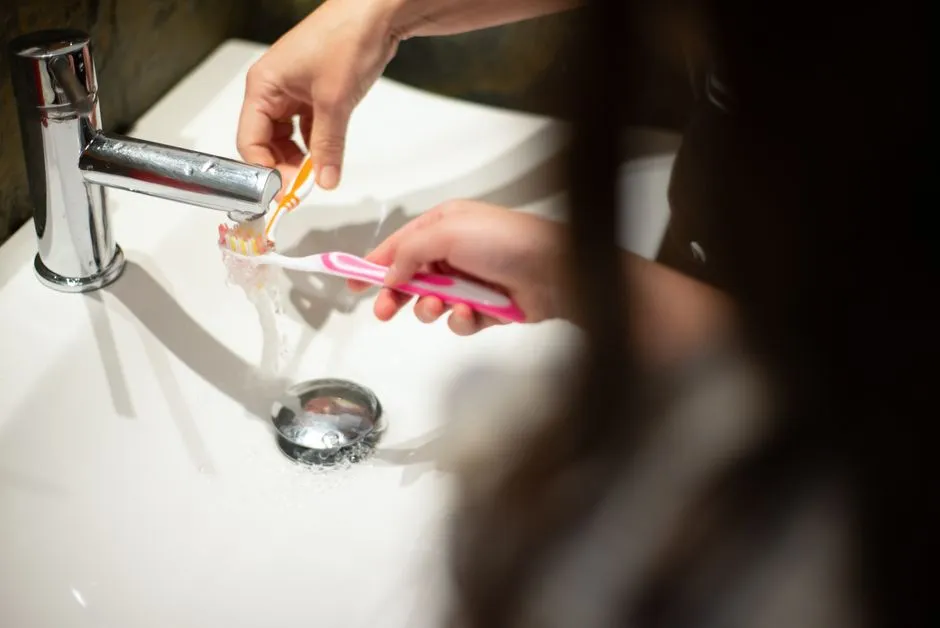
If you leave the water running while brushing, you can use as much as four gallons each time you clean your teeth, the EPA reports. Brush twice a day, and that works out to eight gallons a day, over 200 gallons every month, and over 2,400 gallons a year.
For a family, the math gets even more uncomfortable. The EPA states that leaving the water running while brushing wastes an average of four gallons per brush. In a four-person household where each person brushes twice daily, that’s 32 gallons of water running down the drain every day, or more than 11,000 gallons per year.
What Shaving Adds to the Total
The EPA notes that leaving the tap running while shaving can waste 10 gallons of water per shave. Assuming someone shaves five times per week and brushes twice daily, combining both habits means you could save nearly 5,700 gallons per year just by turning off the tap.
That figure alone is striking. Shutting off your faucet when you’re brushing or shaving can save one to two gallons of water per minute. The fix takes zero effort and costs nothing.
Hand Washing: A Smaller Habit, Still Measurable
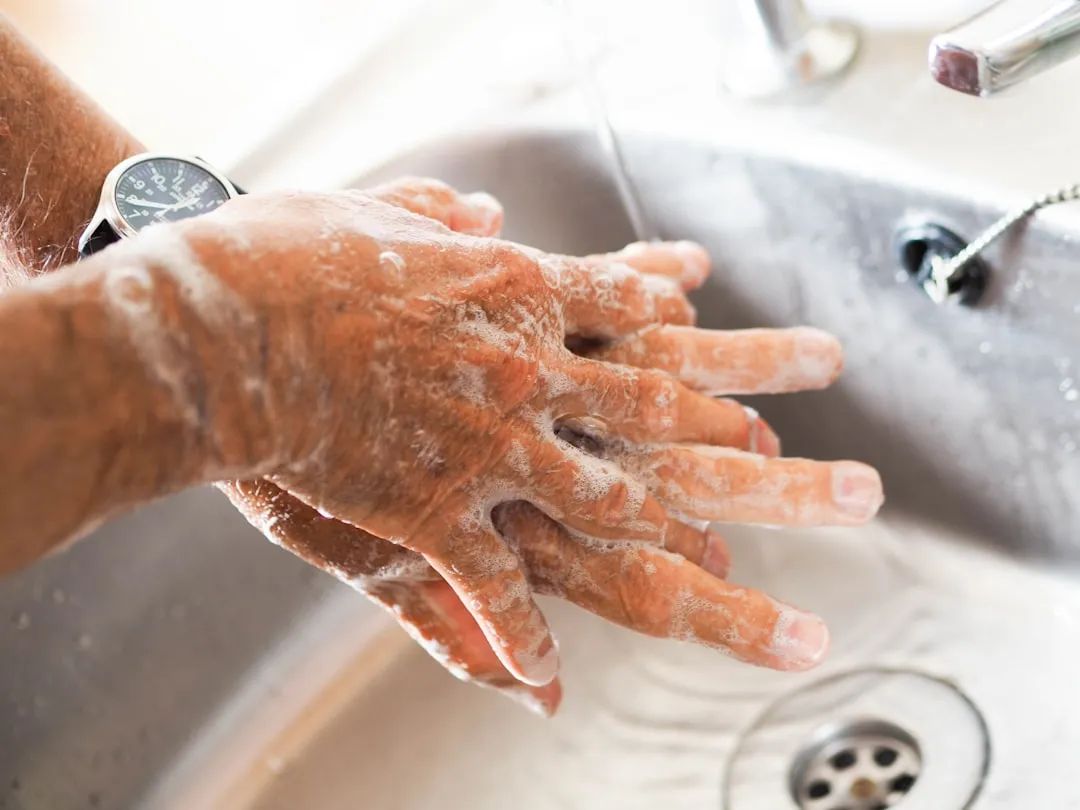
Washing your hands or face with the water running uses about four gallons. Turning the water off saves three gallons, using only one gallon each time you wash up. It’s the kind of saving that seems trivial until you multiply it across every person in your household, every day of the year.
Water-wasting habits like keeping the water running while brushing your teeth or shaving and taking long showers directly cause higher water bills. Hand washing fits squarely into this same pattern, even if it tends to get less attention than tooth brushing.
Dish Washing: Where Things Really Add Up
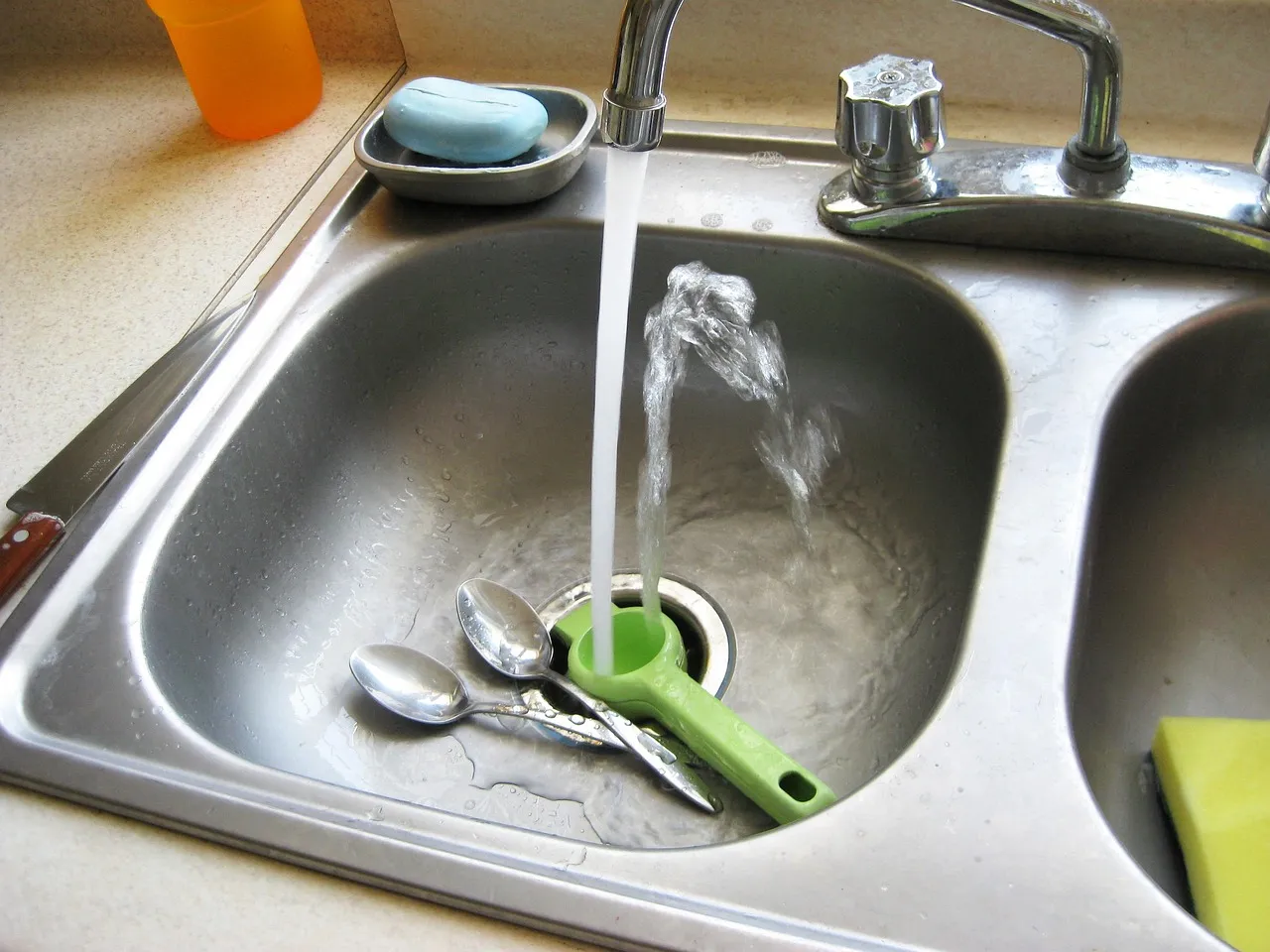
Letting your faucet run for five minutes while washing dishes can waste 10 gallons of water and uses enough energy to power a 60-watt light bulb for 18 hours. That’s the EPA’s own figure, not an estimate from a conservation group. It’s a lot of water for one sink session.
Washing dishes by hand uses up to 20 gallons of water total, while Energy Star-certified dishwashers use 3.5 gallons or less. So the machine that seems like the indulgent option is, in many cases, the smarter one from a water perspective. If you do hand wash, the advice from experts is consistent: fill the basin, don’t let the tap run.
The Dripping Faucet You’re Ignoring
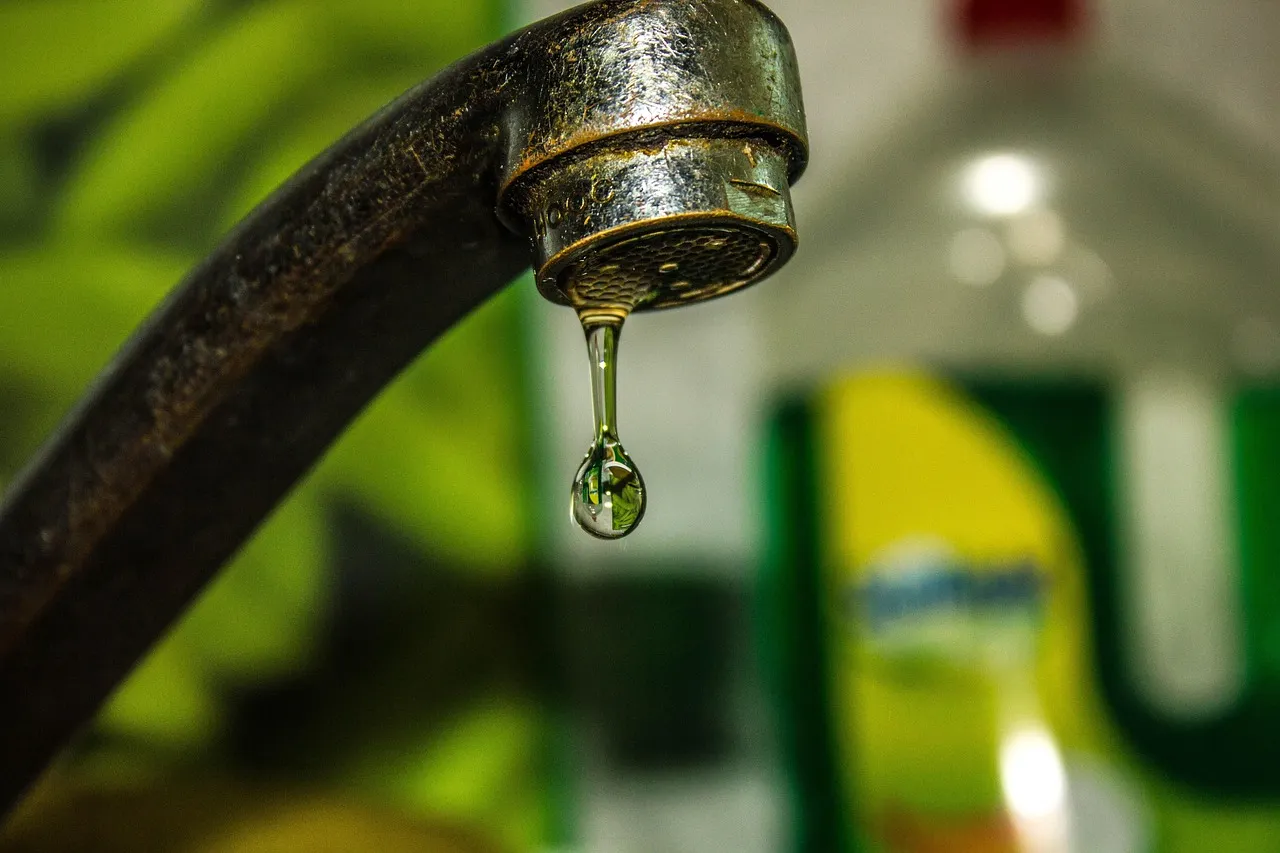
Running the tap on purpose is one thing. Ignoring a faucet that drips on its own is another category of waste entirely, and it’s remarkably common. A faucet dripping about once per second wastes roughly five gallons of water a day, which adds up to more than 2,000 gallons a year, and the EPA estimates the average household’s leaks can waste nearly 10,000 gallons annually.
It takes just over 15,000 drips to equal one gallon, but if you have just one faucet leaking at just 20 drips an hour, that single faucet will waste nearly 700 gallons in one year, according to the U.S. Geological Survey’s drip calculator. That kind of slow, invisible loss is exactly why so many households don’t notice it until the water bill arrives.
The National Picture Is Staggering
When you zoom out from individual habits to the national scale, the combined impact is hard to picture. Household leaks alone can waste approximately 900 billion gallons of water annually nationwide, according to the EPA. That’s equal to the annual household water use of nearly 11 million homes.
The average family can waste 180 gallons per week, or 9,400 gallons of water annually, from household leaks. Faucet habits and unaddressed drips together represent a quietly enormous share of that total. The scale of the problem isn’t driven by dramatic failures. It’s driven by everyday routines.
The Real Flow Rate of Your Faucet
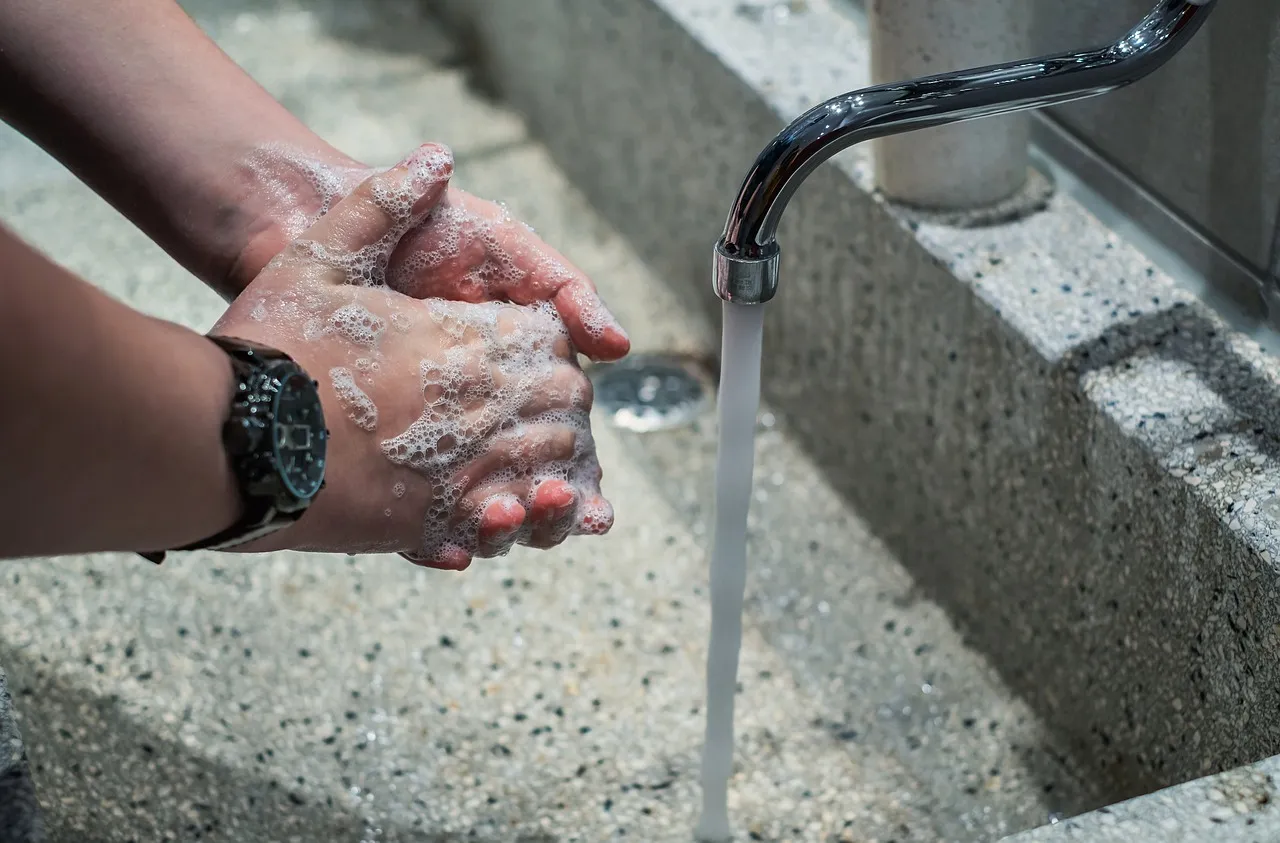
One reason people underestimate the problem is that they don’t know how fast water flows from a standard sink. Studies have shown that the flow rate of a typical faucet ranges between 1.5 to 2.2 gallons per minute. So every minute the tap is left running, roughly 1.5 to 2.2 gallons of water are wasted.
That number helps reframe the tooth brushing calculation quickly. A two-minute brush, which is the standard dental recommendation, means somewhere between three and four gallons gone. If everyone in a family of four leaves the water on while brushing their teeth for just one minute twice a day with a 2.5-gallon-per-minute faucet, as much as 600 gallons can be wasted each month.
What a Fix Actually Looks Like
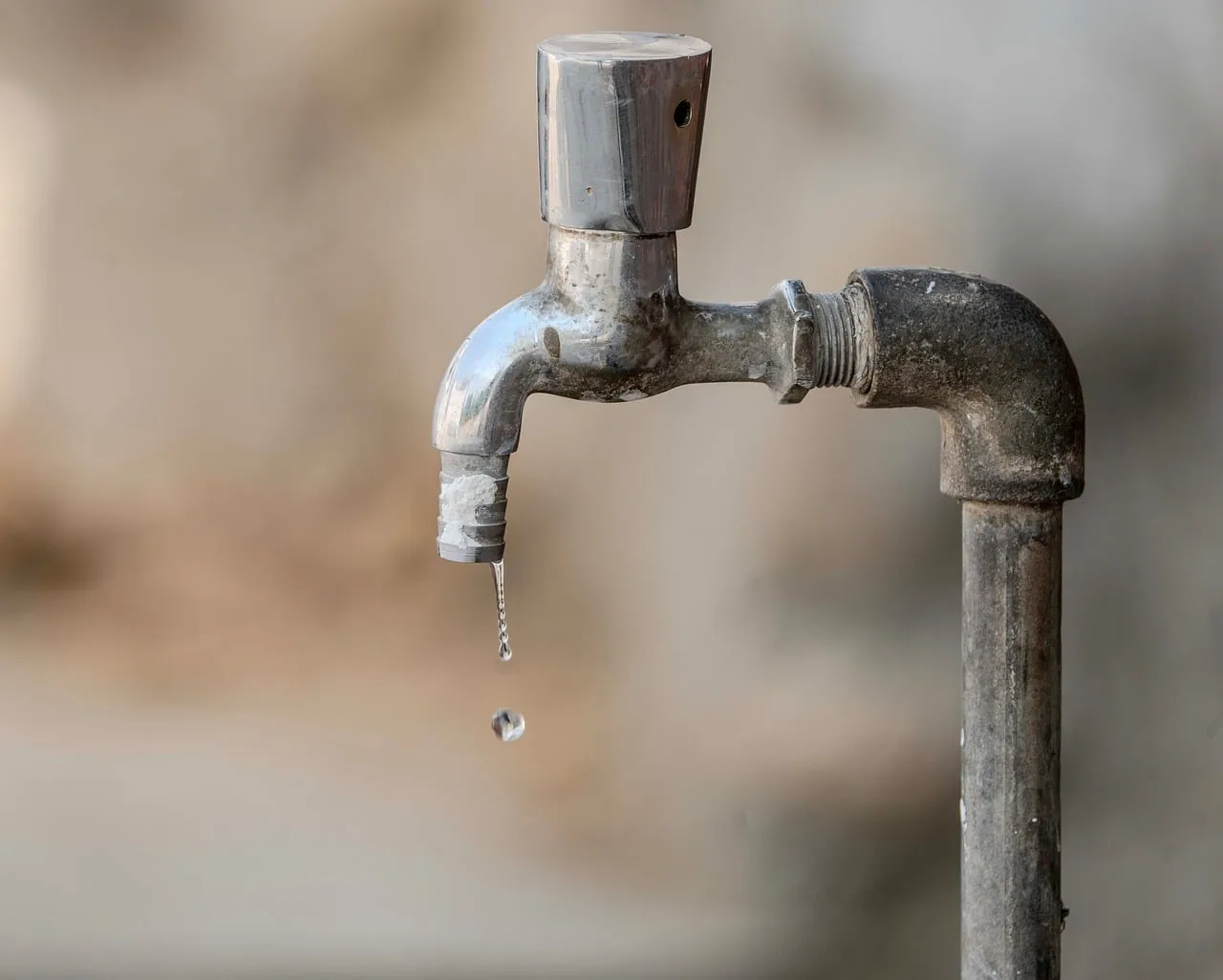
The good news is that no renovation or specialist is required. Turning off the tap is free. For dripping faucets, the repair is usually straightforward. The fix is usually a low-cost washer, O-ring, or cartridge replacement, and it stops the wasted water and the rising bill immediately.
For those wanting to go a step further with their fixtures, the upgrade options are simple and inexpensive. Faucet aerators are incredibly cheap, usually under five dollars, but can cut sink water usage by around 30 percent. Newer water-conserving faucet heads use about half the water per minute that older faucets use.
The Cost You’re Paying Without Realizing It
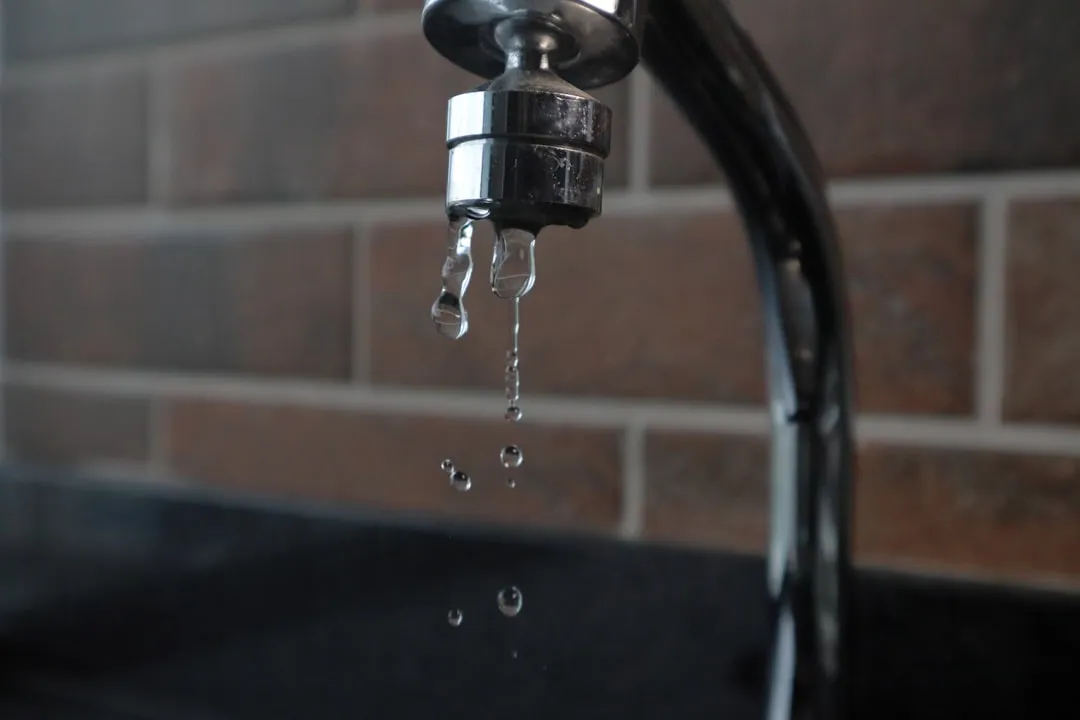
A dripping faucet runs continuously, adding to your water and sewer bill every single day. One drip is usually a few dollars a month, but multiple dripping fixtures or a faster drip rate add up quickly, and the underlying part will keep failing until it is repaired.
Most Americans leave their water running for too long when doing simple things like brushing their teeth, shaving, or even washing the dishes. Almost 6,000 gallons of water could be saved every year if people simply shut the faucet off while doing these daily activities. At current water rates, those savings translate directly into real dollars, not hypothetical ones.
Final Thoughts
There’s something almost counterintuitive about this issue. The habits causing the most residential water waste aren’t big, dramatic events like a burst pipe or a flooding washing machine. They’re the quiet, two-minute routines you repeat every single morning and evening without a second thought.
The faucet running while you brush, while you shave, while you scrub a pan: each one alone seems forgettable. Together, across a year, they represent hundreds or even thousands of gallons of treated drinking water sent straight down the drain. The fix doesn’t require a new lifestyle. It just requires the one small moment of awareness to reach over and turn the handle.
AI Disclaimer: This article was created with the assistance of AI tools and reviewed by a human editor.