

Most people picture a heart attack as something unmistakable – a sudden, dramatic event with crushing chest pain and an arm going numb. For many women, the reality is far quieter and, in some ways, much harder to catch. The warning signs can arrive days or even weeks before any cardiac event, wrapped in the very ordinary feeling of being tired.
Fatigue is one of those symptoms that is easy to explain away. Busy schedule, poor sleep, stress, a long week. What research has increasingly shown, though, is that a particular kind of exhaustion can mean something more serious is happening inside the heart – and that women are especially likely to miss it, or to have it missed for them.
Heart Disease Is Still the Leading Killer of Women

Heart disease is the number one cause of death for women in the United States and globally. That fact has been repeated many times across medical literature, yet it still surprises people. Heart disease kills more women than all cancers combined, causing one in five female deaths – and only roughly two in five women recognize it as their top killer.
Despite extensive public health campaigns, cardiovascular disease remains the leading cause of death among women worldwide, with women still being underdiagnosed, undertreated, and underrepresented in cardiovascular research. The gap between public awareness and clinical reality is still wide, and it costs lives every year.
Fatigue as a Warning Sign Before a Heart Attack
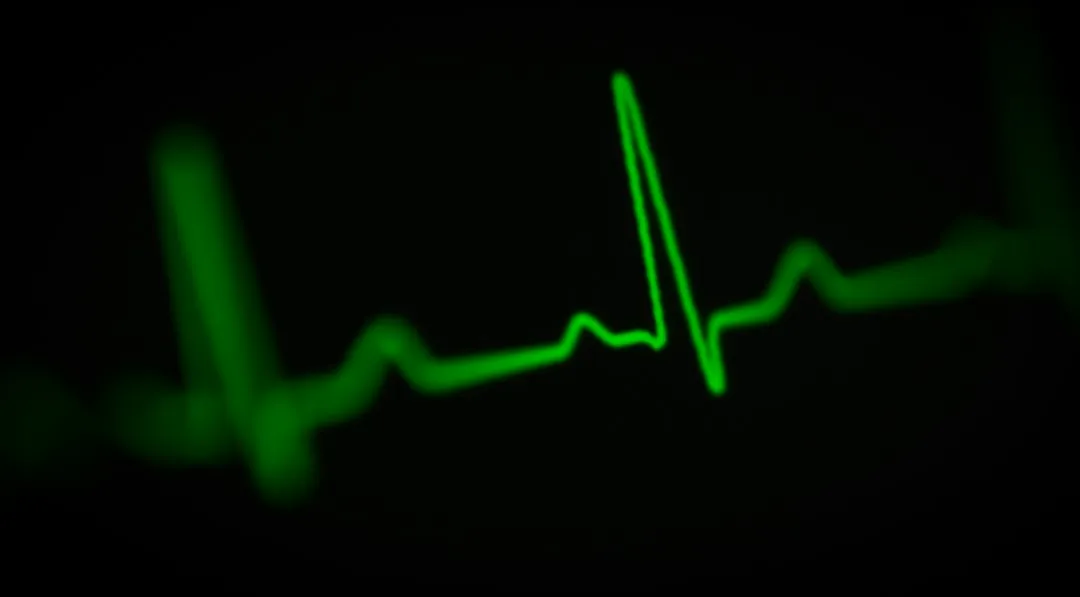
One of the most common warning signs for women is severe, unexplained fatigue, which research suggests can appear days or even weeks before a heart attack. This is not the familiar tiredness that follows a bad night’s rest. About seven in ten women report experiencing unusual fatigue in the weeks before a heart attack – and this is described as a profound exhaustion that makes even simple tasks feel overwhelming.
Unusual, crushing fatigue ranks among the most common signs of heart disease in women, and fatigue lasting days or weeks without a clear cause represents one of the earliest signs of heart disease. The key distinction is duration and proportion: unexplained fatigue that does not match your level of activity could be your heart struggling to pump efficiently.
Why Women Experience Different Symptoms

While chest pain remains the hallmark of a heart attack, women often present with a broader range of symptoms including fatigue, nausea, and back pain. The reasons behind this are still being studied, but biological differences appear to play a real role. The plaque buildup that causes many heart attacks is often accompanied by inflammation, and that inflammatory response appears to be associated with fatigue more commonly in women, although the reason remains unclear.
About three in ten women having a heart attack do not experience chest pain at all. That means a substantial share of women are going through one of medicine’s most time-sensitive emergencies without the symptom that almost every awareness campaign highlights. Women often have non-classic heart symptoms like fatigue, indigestion, and jaw pain, symptoms that can easily point the mind in a very different direction.
The Problem of Silent Heart Attacks
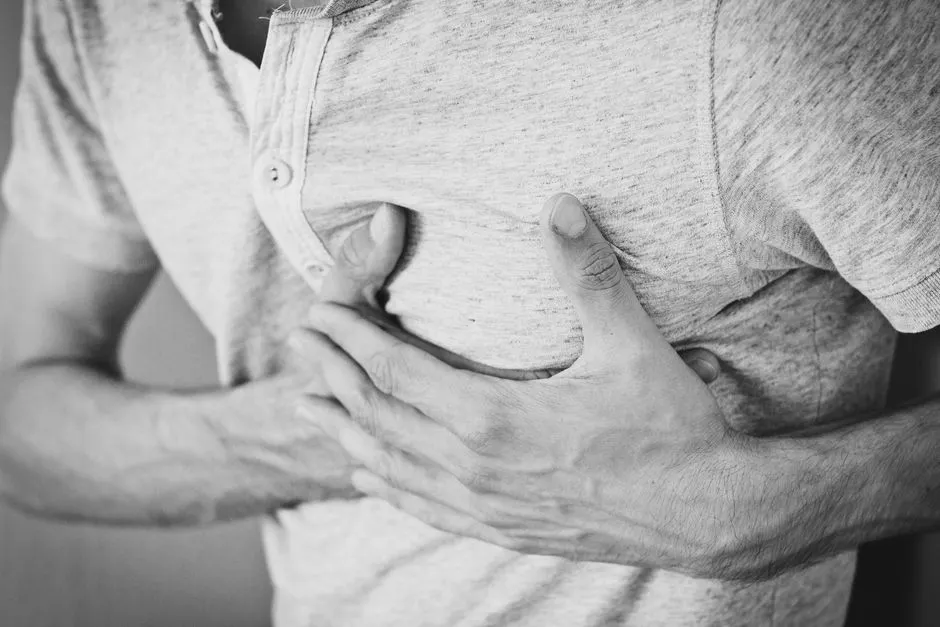
A study from the American Heart Association found that about one in five heart attacks is silent, meaning the damage is done but the person is not aware of it. Experts say women are at particular risk for this type of heart attack, and while silent heart attacks are acknowledged to be more common in women than men, the reason is not yet fully clear.
Silent myocardial infarctions occur without obvious symptoms or with symptoms so mild they are easily dismissed, and research suggests a significant proportion of all heart attacks may be silent, with women experiencing these hidden events more frequently than men. According to the Cleveland Clinic, silent heart attacks can be just as dangerous as heart attacks with intense symptoms. The heart muscle still sustains damage either way.
Other Symptoms That Often Accompany Fatigue

Atypical heart attack symptoms in women include jaw pain, neck pain, upper back pain, nausea, shortness of breath, lightheadedness, indigestion-like discomfort, and crushing fatigue. These symptoms can seem unrelated to each other, which makes them easy to dismiss individually. Instead of classic sudden chest pain, women may have shortness of breath, nausea or vomiting, back pain, or jaw pain – and since these symptoms can be attributed to other conditions, they can lead to delays in potentially life-saving care.
In the days and weeks before a heart attack, many women report unusual fatigue, disrupted sleep, anxiety, shortness of breath with mild activity, and vague chest or upper back discomfort. When several of these appear together, that combination deserves more than a passing explanation. If you have any of these symptoms without another known cause, especially if you have more than one, calling emergency services immediately is the right response.
How the Medical System Has Failed to Keep Up

Women’s heart attack symptoms get overlooked in part because medical research, diagnostic tools, and clinical training have historically been built around the male presentation of heart disease – and the landmark Framingham Heart Study, which shaped how we think about heart disease, began in 1948 and heavily favored male participants. That foundation still shapes how symptoms are recognized and ranked today.
These disparities contribute to delayed care, suboptimal treatment, and poorer short- and long-term outcomes in women. Current clinical practice relies on diagnostic tools developed for obstructive coronary artery disease, contributing to delays in diagnosis and uncertainties in treatment, and the persistent underrepresentation of women in cardiovascular research challenges the validity of current diagnostic criteria and risk prediction tools.
Women Are More Likely to Be Misdiagnosed or Sent Home

Studies show that women experiencing heart attack symptoms are significantly more likely than men to be misdiagnosed, and research published in the Journal of the American Heart Association found that women under 55 were seven times more likely than men to be sent home from the emergency room without proper cardiac testing. That number is striking and sobering.
Research by the National Institutes of Health shows that during a cardiac event, women are less likely than men to be referred for cardiac diagnostic testing, receive timely treatment, or be taken seriously – and as a result, heart disease in women is often detected later, when it is more advanced and harder to treat. Because these symptoms are less widely recognized as signs of heart disease, they are often mistaken for anxiety, indigestion, or stress-related conditions, and many women are sent home from emergency rooms or primary care visits without proper tests or follow-up care, which allows the disease to progress.
The Emotional and Social Layers That Complicate Things

In a large study of people under age 55 hospitalized for a heart attack, women were more likely than men to perceive their symptoms as simply stress or anxiety, and also to have seen a provider who did not attribute their symptoms to the heart. This dynamic is reinforced from both sides of the conversation. Many women second-guess their intuition, brushing off symptoms as just stress or something they ate.
In a study of about 3,000 patients with a recent heart attack, women were less likely than men to think that their symptoms were due to a heart condition – and women’s misperceptions of their own risk may hold them back from getting a doctor to check out possible symptoms of a heart attack or stroke. According to the American Heart Association, nearly two thirds of women who die suddenly of coronary heart disease had no previous symptoms.
Risk Factors That Raise the Chances for Women

Roughly six in ten women with heart attacks have a history of hypertension. Several other risk factors deserve attention too. If a woman has Type 2 diabetes, her risk of heart attack accelerates to be equivalent to that of men, even if she has not yet gone through menopause. Diabetes essentially removes the temporary cardiovascular protection that younger women tend to have.
Prolonged stress can increase heart disease risk in women due to the production of stress hormones like cortisol and adrenaline, which elevate heart rate and blood pressure. Menopause also matters significantly. Clinicians increasingly encourage women to track cardiovascular changes during perimenopause and menopause and to discuss pregnancy history as part of routine heart health assessments.
What to Do If the Fatigue Doesn’t Go Away
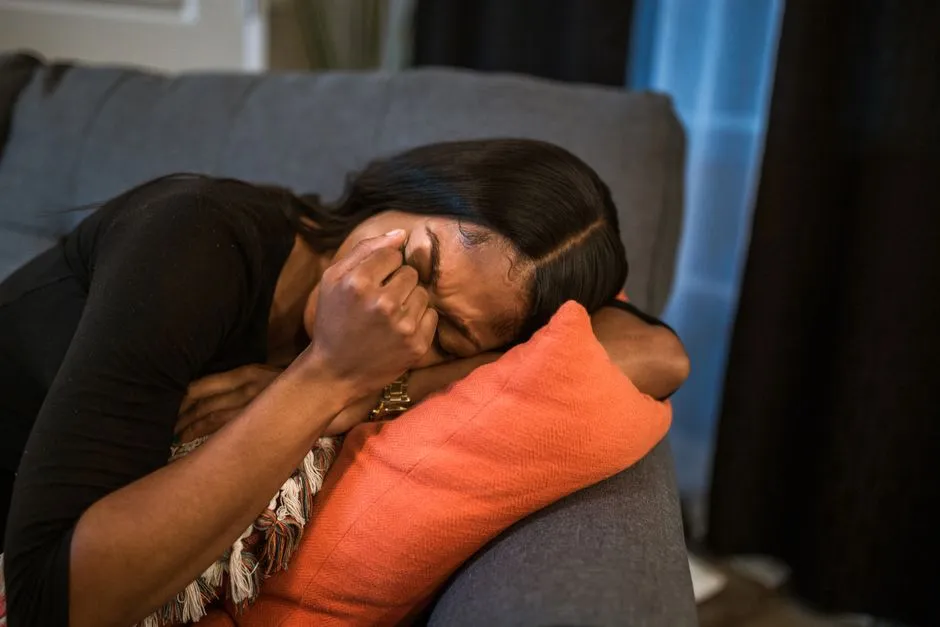
Fatigue that continues for several days or weeks without an obvious explanation warrants more attention than a short-lived period of tiredness. The body does not always signal danger in obvious ways, especially in women. Fatigue, poor sleep, and nausea are common symptoms with many possible explanations, but the evidence supports recognizing a broader range of possible heart attack symptoms – while avoiding the assumption that ordinary tiredness is always, by itself, a warning sign.
Depression also correlates with heart disease, with women experiencing depression facing significantly elevated cardiac risk – and if emotional changes accompany physical symptoms like fatigue or breathlessness, a comprehensive cardiac evaluation is worth considering. Symptoms like persistent fatigue or breathlessness should be evaluated, not dismissed, and stress, sleep quality, and social support should be treated as health factors rather than afterthoughts.
Final Thoughts

The conversation around heart health for women has shifted in recent years, but not yet fast enough. Research published through 2025 and 2026 keeps reinforcing the same core message: the symptoms that women experience before a cardiac event are real, they are measurable, and they are too often explained away before anything can be done about them.
Integrating the influences of sex and gender into diagnosis, prevention, and treatment strategies is essential to improve cardiovascular outcomes for women worldwide. On an individual level, the most important thing is to take persistent, unexplained fatigue seriously – not as a sign of weakness or overwork, but as a message worth listening to. When something feels consistently wrong, it usually is.
AI Disclaimer: This article was created with the assistance of AI tools and reviewed by a human editor.