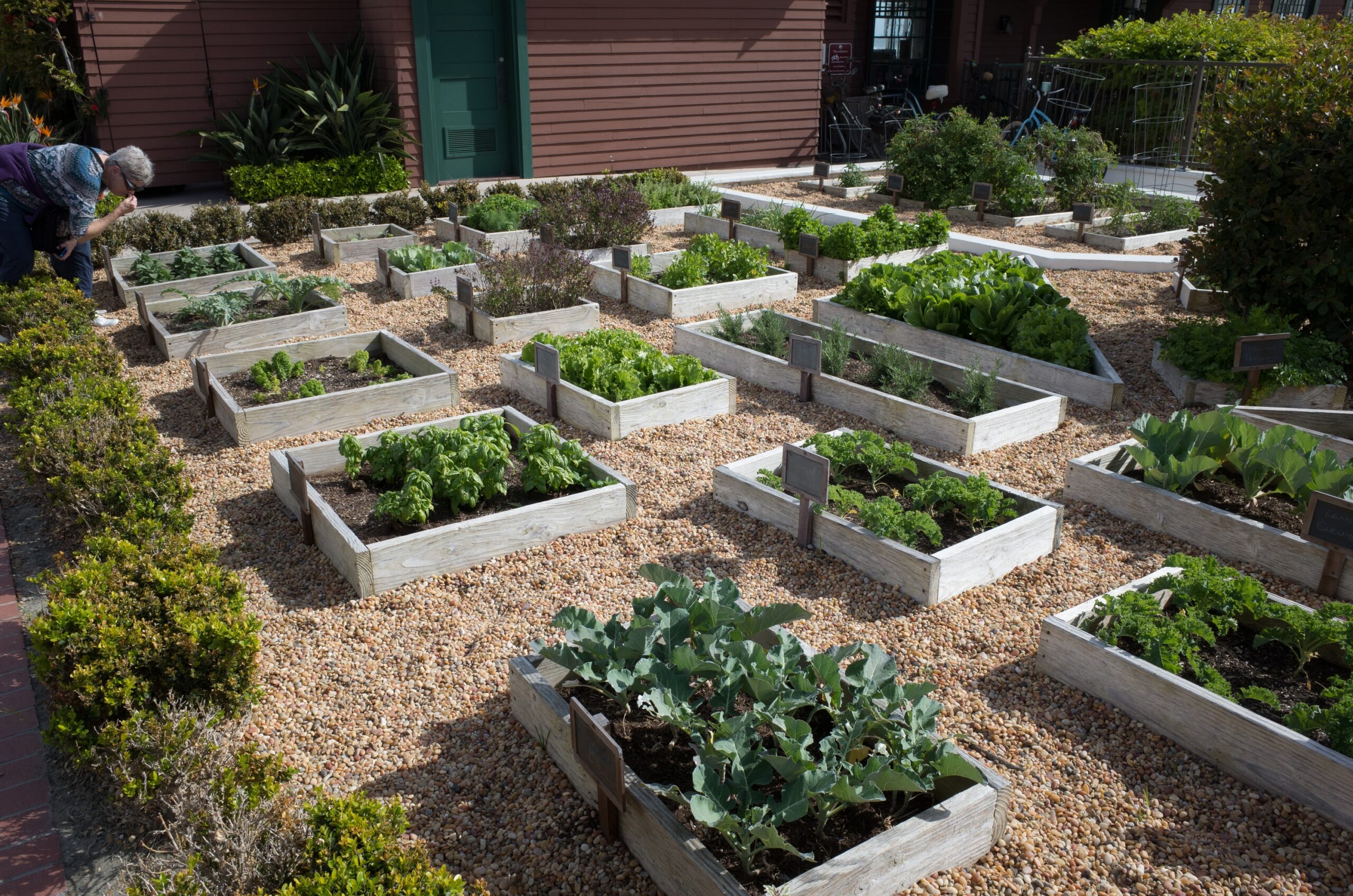

There’s something quietly satisfying about a farmhouse herb garden. It doesn’t try too hard. It’s not decorative in a showy way, and it doesn’t follow the rules of whatever trend is circulating on social media this season. It just works, season after season, the way it always has.
What’s remarkable is how little the core idea has changed over centuries. The same logic that guided those earliest rural gardeners, growing what you need, close to where you cook and eat, still holds up perfectly well today. That’s not nostalgia. That’s good design.
Rooted in History: Where the Layout Began

For centuries, herb gardens have been an essential household element. From medicines to seasonings to dyes for textiles, herbs have enhanced the daily lives of people worldwide. The concept is thought to have originated in medieval monasteries.
The earliest visual representation of a formal garden to survive the Middle Ages, found on the St. Gall plan, dates to the ninth century. This master plan for a Benedictine monastery includes a large, rectangular kitchen garden with 18 beds of vegetables and potherbs and a smaller square garden with 16 beds of medicinal herbs.
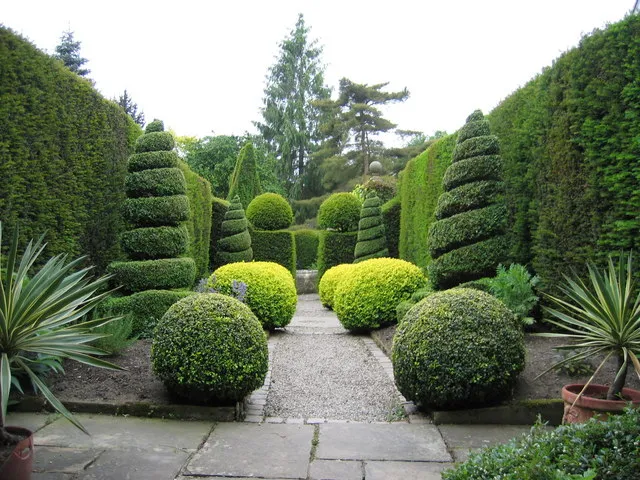
The medieval garden layout was strictly geometrical. Paths and alleys crossed at right angles, and flower and vegetable beds were laid between them in measured, symmetrical patterns. Symmetry was not only an expression of beauty, but also of order, discipline, and tranquility.
The Geometry Behind the Charm
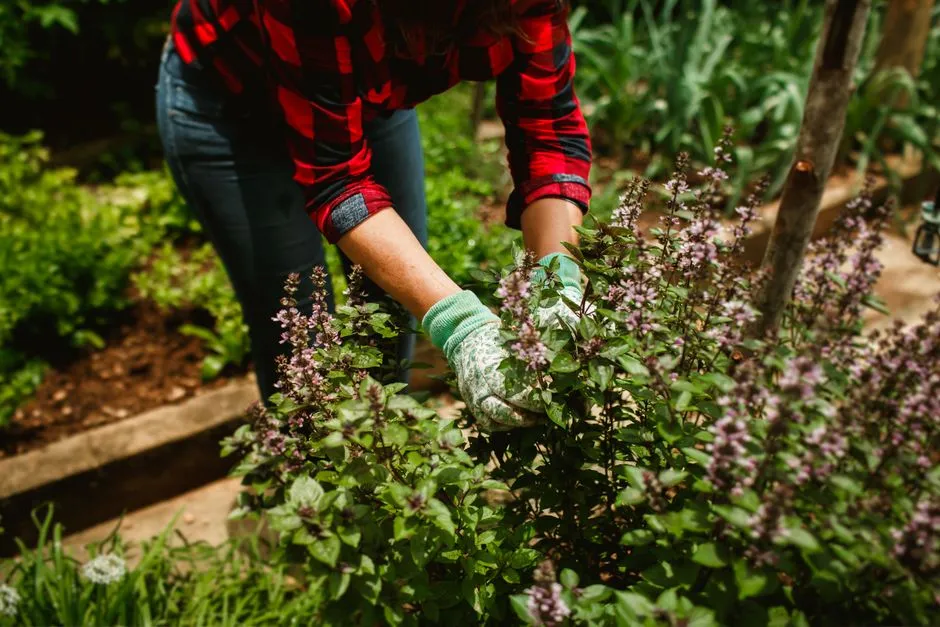
Garden layouts that date back to medieval and Renaissance Europe continue to strongly influence modern herb gardeners. Though we know very little about the dooryard gardens of simpler households, the ancestors of informal cottage herb gardens in which useful plants were grown close to hand in unstructured plantings, we do have some knowledge about the structured gardens of the great medieval monasteries.
Gardens were laid out in rectangular plots, with narrow paths between them to facilitate collection of yields. Often these beds were surrounded with wattle fencing to prevent animals from entry. The farmhouse version of this idea simply scaled things down. Smaller beds, closer to the kitchen door, same geometric logic underneath.
A geometric design within a square, rectangle, or circle was drawn on the ground, and each figure in the pattern was planted out with a single herb, closely clipped to maintain the design. That structural clarity is still visible in well-planned farmhouse gardens today.
Knot Gardens and the Renaissance Influence
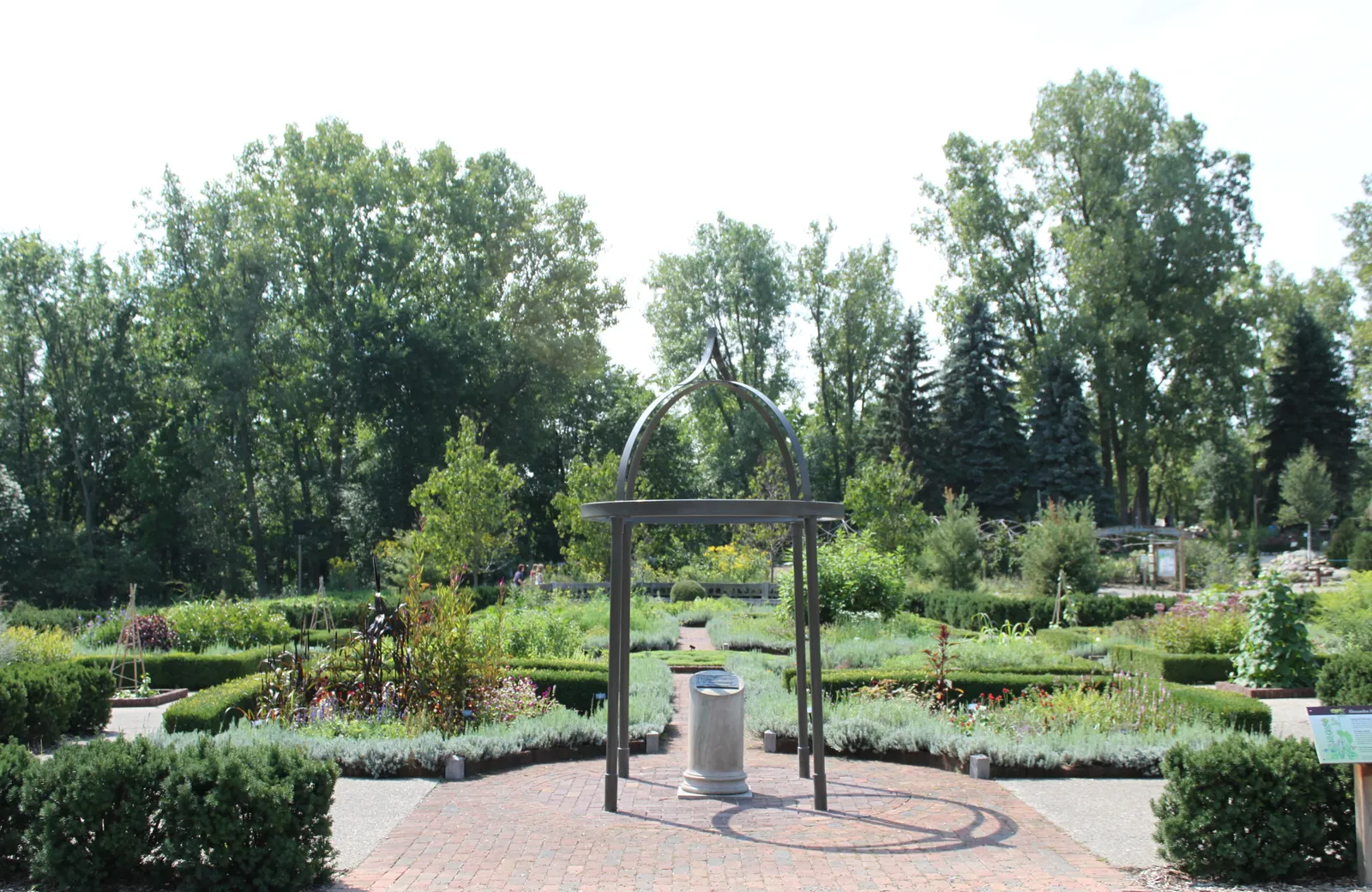
Knot gardens have a rich history dating back centuries, with origins in the medieval gardens of Europe, often associated with dynasties, power, and the ambitions of extraordinarily wealthy families. Initially conceived as functional and ornamental spaces within monastic and castle gardens, knot gardens gained popularity during the Renaissance, particularly in England and Italy.
A knot garden is a garden style popularized in 16th century England and is now considered an element of the formal English garden. It consists of a variety of aromatic and culinary herbs or low hedges planted in lines to create an intertwining pattern set within a square frame. The spaces between these lines are often filled with stone, gravel, sand, or flowering plants.
Boxed plants included lavender, rosemary, and hyssop, which were clipped to maintain the design. Herbs grown included germander, marjoram, thyme, southernwood, lemon balm, hyssop, costmary, acanthus, mallow, chamomile, rosemary, calendula, viola, and santolina. Many of these are still central to the farmhouse herb garden today.
The Farmhouse Aesthetic: Function Comes First
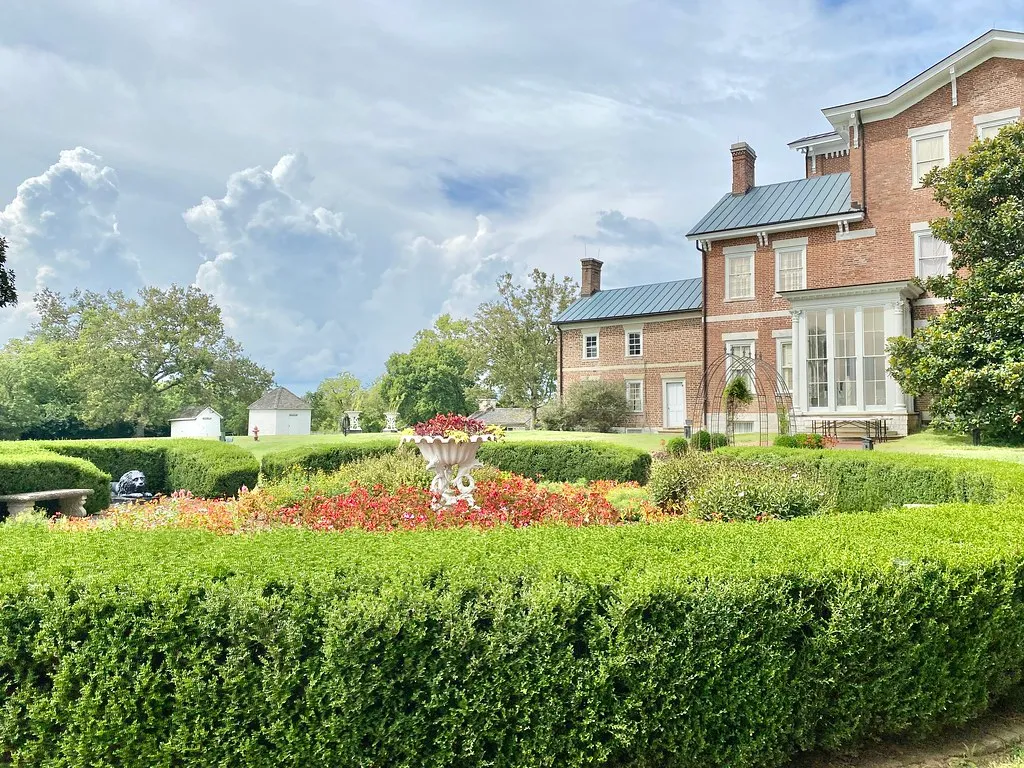
Farmhouse style in landscaping draws from rural traditions and agricultural roots. You’ll notice open layouts, useful garden spaces, and materials that age naturally over time. This is perhaps the defining feature of the farmhouse approach: beauty is a byproduct of usefulness, not the primary goal.
Garden beds often mix flowers, herbs, and vegetables, echoing the working history of farmhouse life. Colors usually stay muted and earthy, soft greens, browns, creams, and grays. That restrained palette is part of why the look ages so well. It doesn’t clash; it settles.
Rustic charm comes from using materials and features that feel authentic and a bit unpolished. Reclaimed wood, weathered stone, and wrought iron are all solid choices. These materials blend naturally into the landscape rather than announcing themselves.
Paths, Borders, and the Art of Accessibility
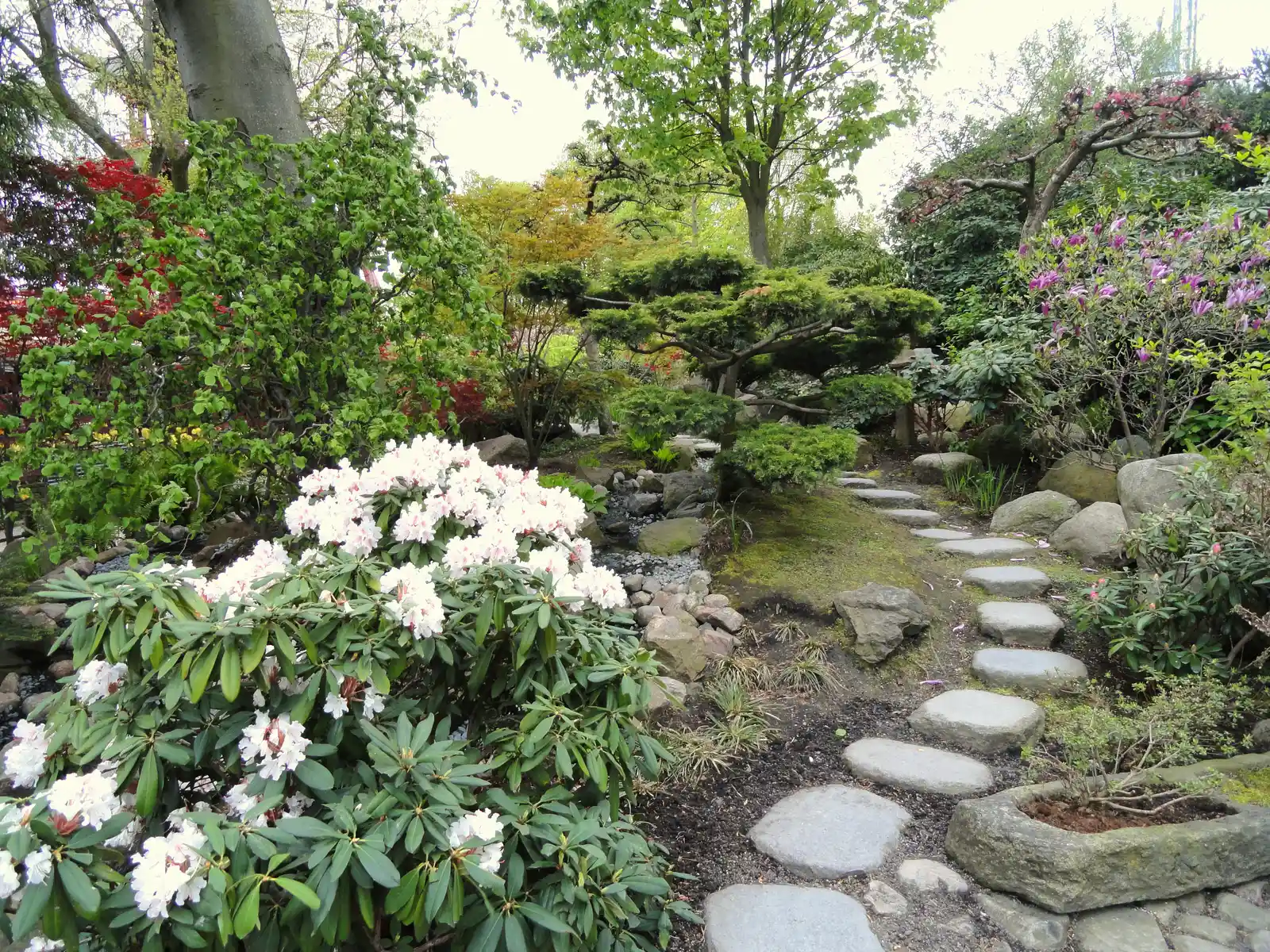
Paths might use gravel or stone, edged by wooden fences or hedgerows. In a traditional farmhouse herb garden, the path isn’t decorative. It’s how you get to the rosemary without trampling the thyme. Every element earns its place.
It’s wise to place frequently harvested crops like herbs, salad greens, or tomatoes closer to your home or the garden’s main walkway to make them more accessible. This practical principle is exactly what rural farmhouse gardeners practiced intuitively for generations, long before anyone wrote it down as a design rule.
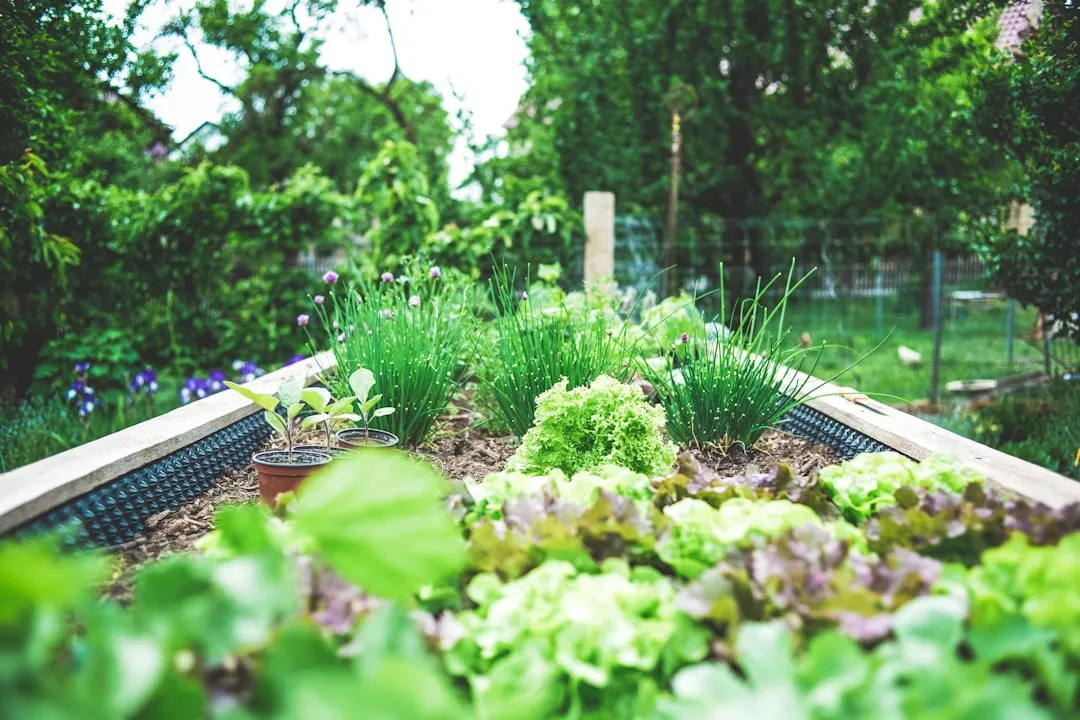
For gardeners who become fully captivated by wonderful, tasty, healing herbs, the ultimate layout features three raised beds, each measuring 10 by 4 feet, though you can adjust the size to fit your space. With room for both annual and perennial herbs, this garden supports long-term growth, experimentation, and abundant harvests.
Companion Planting: The Old Wisdom That Still Holds Up
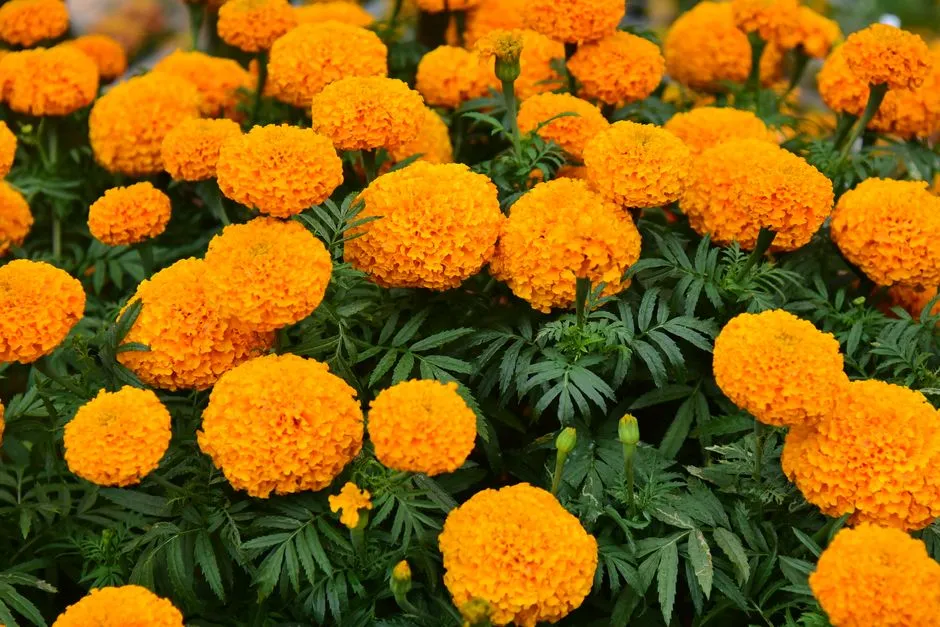
Companion planting means grouping different plants together that mutually benefit one another. While some pairings improve flavor, others attract beneficial insects, deter harmful pests, or simply grow well side by side because their growth habits are compatible.
Companion planting refers to the practice of growing certain plants together to enhance their growth, deter pests, and improve overall garden health. Rosemary benefits from being planted alongside other aromatic herbs like sage, thyme, oregano, and lavender, as they can enhance each other’s growth and repel pests.
Combining companion plants lets you grow more vegetables and herbs closer together, maximizing your space. Tomatoes and basil, for example, support each other well, since basil repels many of the pests that like to feed on tomatoes. This kind of ecological logic is built into the farmhouse garden’s DNA.
Height, Layering, and How to Arrange Your Herbs
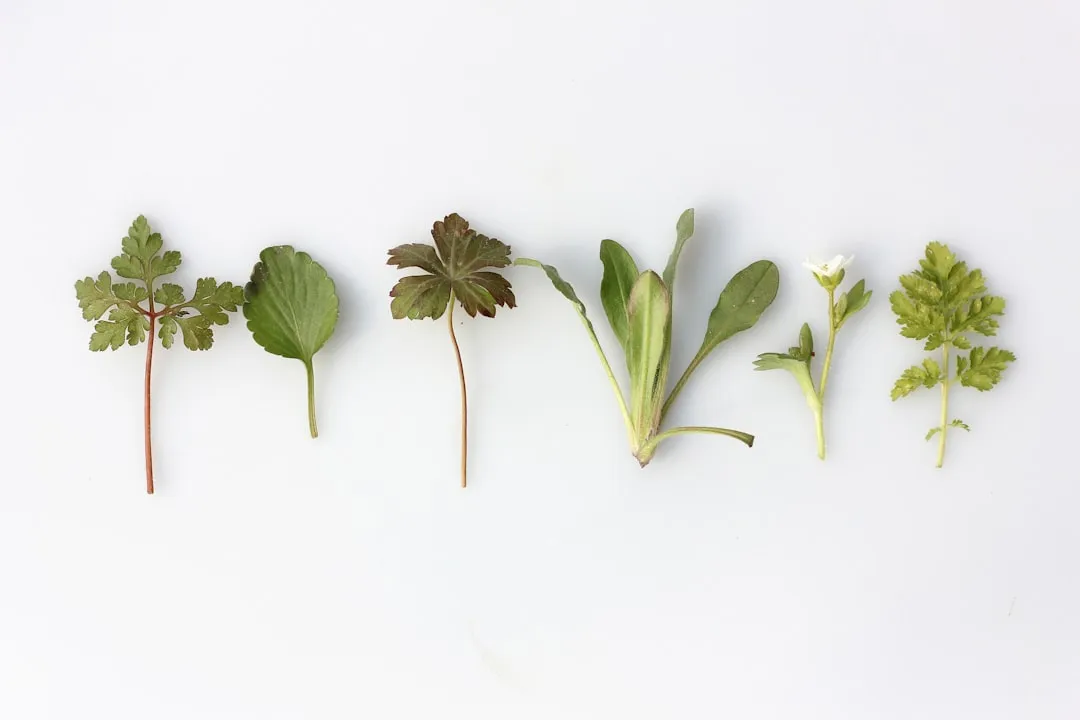
Plan your layout by considering the height and spread of each herb. Taller herbs like dill or fennel should be placed where they won’t shade smaller, low-growing herbs like thyme and oregano. This layering principle is one of the oldest planning strategies in gardening, and it still prevents more problems than any other single decision you’ll make at planting time.
Consider companion planting by grouping compatible herbs together. For example, you can plant rosemary, thyme, and sage in the same row, as they have similar growth requirements and can enhance each other’s growth.
Strong-scented herbs or flowers confuse insect pests or attract predators. Using fast-growing plants with slow growers helps fill in gaps while waiting for large crops to mature. A well-layered bed also looks full and lush from early in the season.
The Numbers Behind the Herb Garden Revival
A striking number of Americans, roughly seven in ten, reported planning to grow a food garden in 2025, with rural Americans leading the way at nearly eight in ten. That’s not a niche hobby; that’s a mainstream shift in how people think about their outdoor spaces.
The global fresh herbs market was valued at nearly six billion dollars in 2024 and is expected to reach over ten billion dollars by 2030, growing at a compound annual growth rate of around nine percent. The interest isn’t only in the garden. It’s in the product, fresh, flavorful herbs that people grew up wanting on their plates.
Roughly six in ten respondents said they grew a food garden in 2024 and estimated saving significant money as a result. Among 2025 gardeners, two in three are motivated to grow their own food to have high-quality produce, while another roughly half are explicitly trying to lower their grocery bills.
What the Best Farmhouse Herb Gardens Have in Common
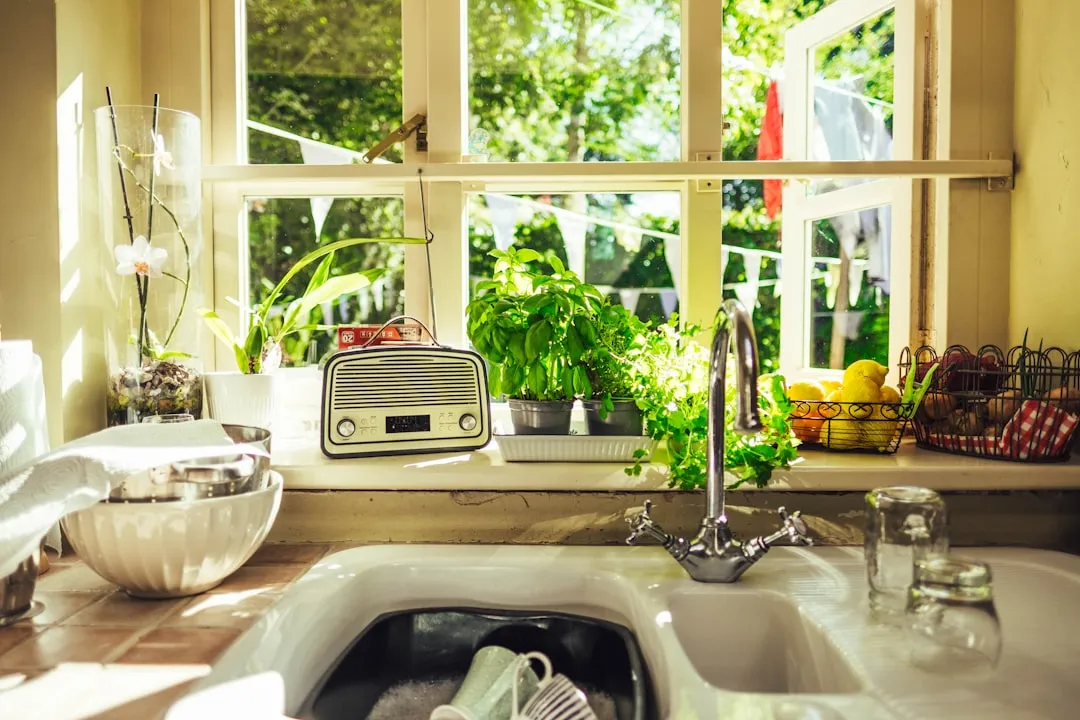
Herbs are easy-to-grow, accessible plants with delicious uses. Ornamental and delightful in the kitchen, freshly cut stems also offer a boost of aromatherapy fresh from the garden. Edible landscapes provide unique opportunities for beauty, pollinator resources, and growing fresh food.
Whether you have a backyard bed or just a few pots, you don’t need much space to grow a thriving herb garden. Herbs are forgiving, flavorful, and perfect for beginners. The farmhouse tradition never demanded perfection. It demanded participation, getting your hands in the soil and figuring things out season by season.
A well-designed farmhouse landscape brings together charm, function, and a natural flow that ties your home to its surroundings. Mixing rustic elements, practical layouts, and climate-friendly plantings creates a welcoming, timeless look.
Perennial Herbs and the Long Game
Perennial versions of many winter vegetables including broccoli, artichokes, and asparagus, as well as herbs like sage, thyme, mint, and rosemary, are quite popular, especially earlier in the year while temperatures remain low. Perennials are the backbone of the farmhouse herb garden precisely because they reward patience. Plant them once and they keep coming back.
With room for both annual and perennial herbs, a well-planned herb garden supports long-term growth, experimentation, and abundant harvests. It truly functions as a small herb farm, designed for someone deeply invested in both culinary and medicinal herbs, perhaps a cook who relies on fresh flavor, an herbalist who blends teas and tinctures, or a gardener who enjoys saving seed and growing specialty varieties.
Fresh produce, medicinal herbs, dwarf fruit trees, fruiting shrubs, edible landscaping, and high-density planting techniques combine to make the landscape work for you. In a good farmhouse herb garden, nothing is purely decorative. Everything earns its keep.
The Takeaway
The farmhouse herb garden has outlasted every trend that ever tried to replace it. The layout hasn’t changed in any fundamental way since medieval monastery gardens were scratching rectangular beds into the soil a thousand years ago. There’s a reason for that. The design works.
What keeps it alive isn’t nostalgia. It’s clear that gardening is more than just a hobby; it’s a thriving movement that’s reshaping how we live and connect with nature. With over half of American households now engaged in gardening, this pastime has seen a resurgence driven by a desire for relaxation, sustainability, and homegrown food production.
The farmhouse herb garden fits that desire perfectly. It’s low-maintenance enough to be realistic, productive enough to be satisfying, and beautiful enough that you’ll want to walk past it every morning. That combination has never gone out of style, and it’s hard to imagine it ever will.
AI Disclaimer: This article was created with the assistance of AI tools and reviewed by a human editor.