
There’s a particular kind of grief that comes not from losing a person, but from realizing you can no longer taste the thing they made every single holiday. The dish was always just there. Nobody thought to ask how it was made. Nobody grabbed a pen. And then, one day, the person who carried that knowledge was gone, and you were left standing in a kitchen trying to reconstruct something from a half-remembered smell.
This is not an unusual story. It happens in families across every culture, every income bracket, every part of the world. The recipe exists in someone’s hands and instincts long before it ever lives on paper, if it ever does at all.
The Long Tradition of Cooking Without Writing It Down
One of the most common ways culinary knowledge has survived across centuries is oral tradition. In many cultures, recipes and cooking techniques are passed down through generations by word of mouth, often within families or close-knit communities. These oral traditions carry not just the ingredients and methods, but the stories and meanings behind the dishes.
For many cultures, especially those without a strong written tradition, recipes were passed down by word of mouth. A pinch of this, a handful of that, with no measurements, just instinct and memory. That kind of cooking isn’t imprecise. It’s deeply embodied knowledge, carried in muscle memory and context, which makes it both beautiful and fragile.
Why Recipes Stayed Oral for So Long
Most traditional indigenous communities kept their recipes through oral tradition, often in secret, as colonizing powers sought to eliminate native culinary practices. Secrecy and orality weren’t failures of documentation; they were deliberate acts of protection. Writing something down could mean handing it over to the wrong person.
Staple recipes like collard greens, cornbread, and gumbo were adapted to include ingredients plantation owners demanded, but retained the flavors and techniques associated with Africa. The decision to keep those recipes unwritten preserved both their integrity and their cultural ownership. That history matters when we talk about what it means to finally put something on paper.
What “Heritage Food” Actually Means
Heritage food, while lacking a single standard definition, is generally understood as food that is inherited and embraces a culture. These foods are often historic family recipes passed down from generation to generation. The word “heritage” is doing real work here. It implies something earned, something worth protecting.
Recipes can be among the most cherished belongings that get inherited. When you think about it, it’s not really about the actual food, but rather keeping a connection to the past. That connection is exactly what slips away when nobody bothers to write the thing down.
The Danger of Assuming Someone Else Will Remember
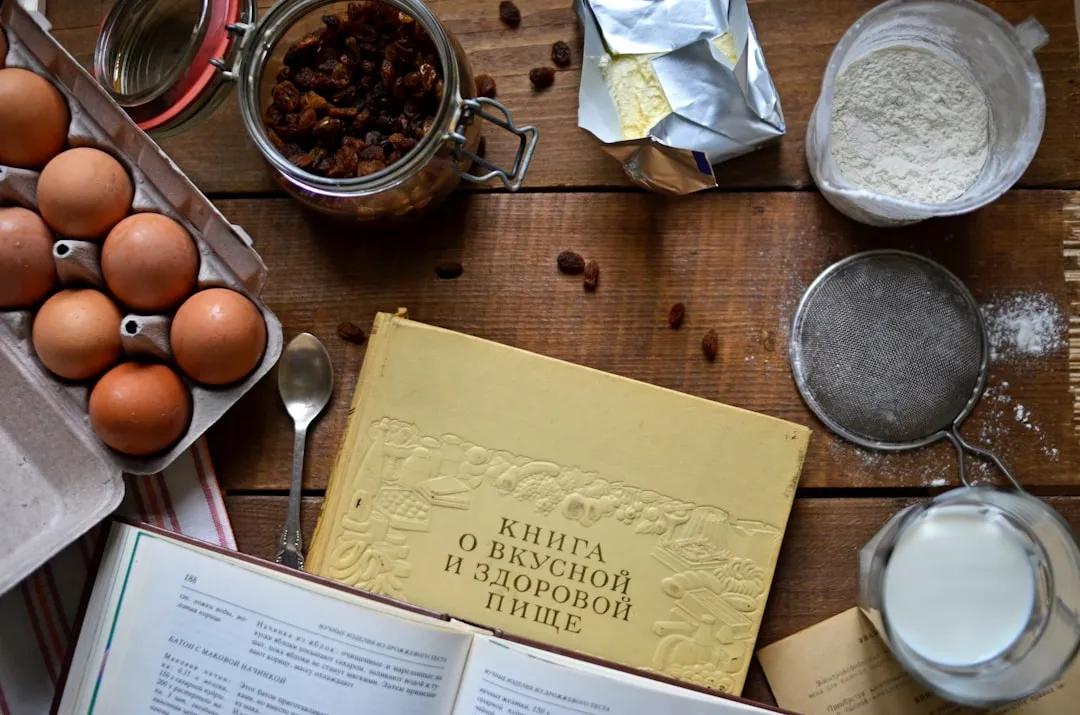
For home cooks who want to keep family cooking traditions alive, the hardest part is realizing how quickly a beloved dish can become a half-remembered story. Preserving family recipes sounds simple until the recipe card goes missing, the steps were never written down, and the “little bit of this” depends on the memory of one busy relative.
Food binds itself to memory through taste and smell. When we lose a recipe, we often lose access to those memories. There’s a compounding loss to this. You don’t just lose the dish. You lose a whole sensory gateway into a life, a person, a relationship.
A Danger Recognized at the Global Level
Food is not only nourishment but also memory, identity, and cultural continuity. Yet many culinary traditions are disappearing as global food systems become increasingly standardized. That standardization tends to hollow out the deeply local in favor of the broadly convenient.
As of 2024, nearly 40 culinary traditions worldwide have been inscribed on the UNESCO intangible cultural heritage list. However, like other forms of intangible cultural heritage, culinary traditions face ongoing challenges in preservation and protection. Variations in household-specific cooking methods, diverse family recipes, and reliance on oral or manuscript-based transmission of techniques all complicate safeguarding efforts.
When the Recipe Finally Gets Written Down
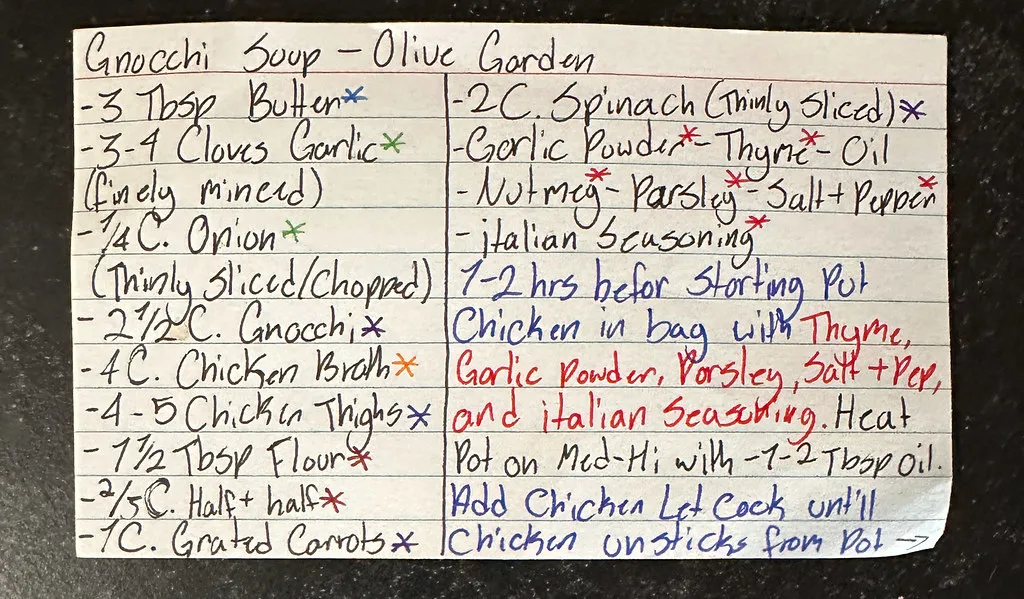
A handwritten card can tell you more than an ingredients list ever could. The smudge on the corner may have come from a rushed Christmas morning. The crossed-out sugar amount may reveal a health change, a taste preference, or a generation learning to cook with less. The act of writing it down, whenever it finally happens, carries the whole biography of the dish with it.
A stained index card or a notebook page with someone’s handwriting on it carries weight that a printed recipe never will. These cards often contain corrections, substitutions, and side notes scribbled in over years of use. That accumulated notation is its own kind of archive, layered and imperfect and alive.
The Role of Older Generations as Living Libraries

Elderly people have a lifetime of experiences and history which can unfortunately be lost over time. The question is how to preserve these stories for younger generations before they are lost to memory loss and death. With recipes, the urgency is the same as with any oral history: the window closes, and it closes without warning.
Family recipes carry more than just culinary instructions. They contain cultural heritage, personal history, and emotional connections that often remain accessible despite memory challenges. For individuals living with dementia, food-related memories frequently show remarkable resilience, offering valuable pathways to identity preservation and meaningful storytelling. That resilience is worth acting on, not waiting for.
Social Media as an Unlikely Archive
Social media has become a powerful tool in the food preservation movement. TikTok videos of traditional African stews, YouTube channels dedicated to Balkan cuisine, and Instagram pages featuring Armenian desserts are not just food content; they are living archives. The format is new, but the instinct behind it is ancient.
There is a growing movement to reclaim and celebrate traditional foods. Young chefs, home cooks, and food historians are diving back into the kitchens of their ancestors to revive old recipes. Indigenous ingredients and ancestral cooking methods are being reintroduced into modern kitchens. The energy behind this revival is real, and it’s gaining ground.
Digital Tools and the New Preservation Toolkit

As technology expands, from AI to digitalized recipe archives, it is providing new ways to share and preserve culinary traditions. Historical cookbooks are now being translated and adapted thanks to modern tools. The infrastructure for preservation has genuinely improved, though the will to use it still depends on individual families.
For families and communities looking to preserve both tradition and practicality, digitization is the bridge. When you combine careful scanning, respectful cleanup, and collaborative submission, a shoebox of clippings becomes a searchable, editable treasure. That is the promise of digital archiving in the kitchen: not less history, but more usable history.
How to Actually Rescue a Recipe Before It Disappears
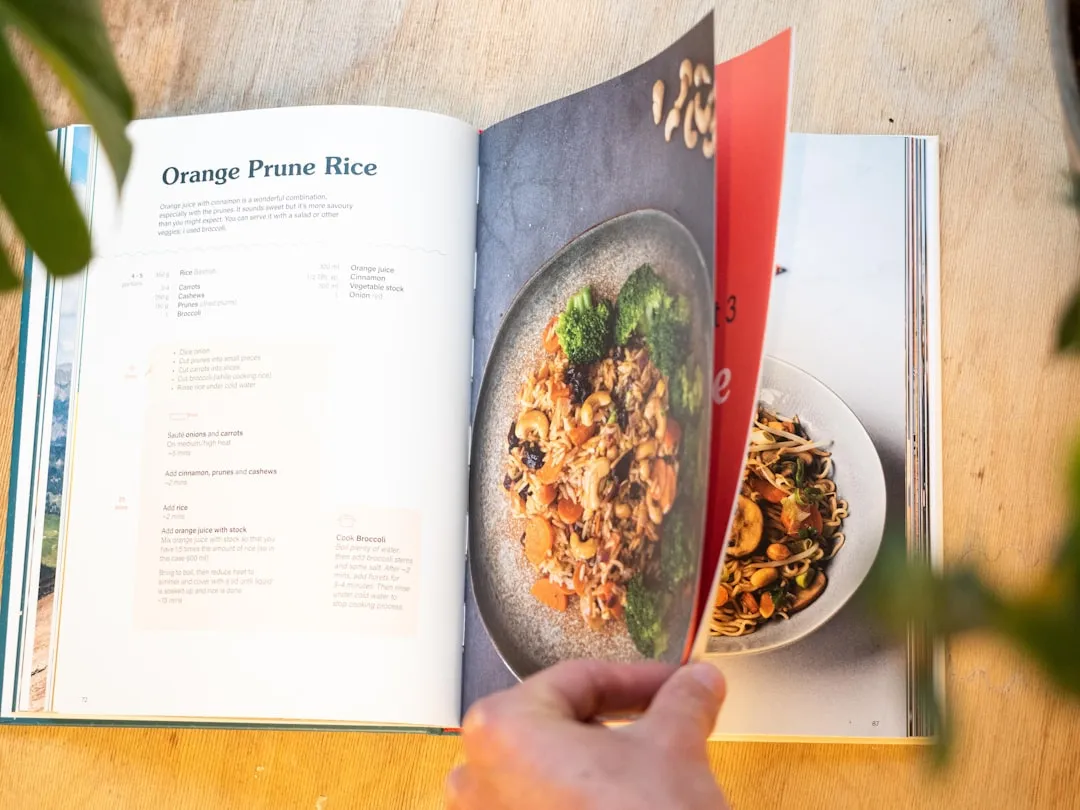
Genealogy and food history guides now actively encourage families to capture the oral layer of a recipe before it disappears. One archival guide for preserving family recipes recommends interviewing relatives, collecting oral histories, and conducting kitchen visits to document family food traditions from the everyday to special occasions. That advice reflects a growing awareness that the story behind a dish is often as fragile as the recipe itself.
Creating a family cookbook or recording recipes in a digital format ensures that they can be easily accessed and shared with future generations. This also allows for the inclusion of personal anecdotes and stories, adding an extra layer of meaning to the recipes. The practical mechanics are simple. The challenge is always doing it before it’s too late.
What Gets Lost Is More Than Flavor
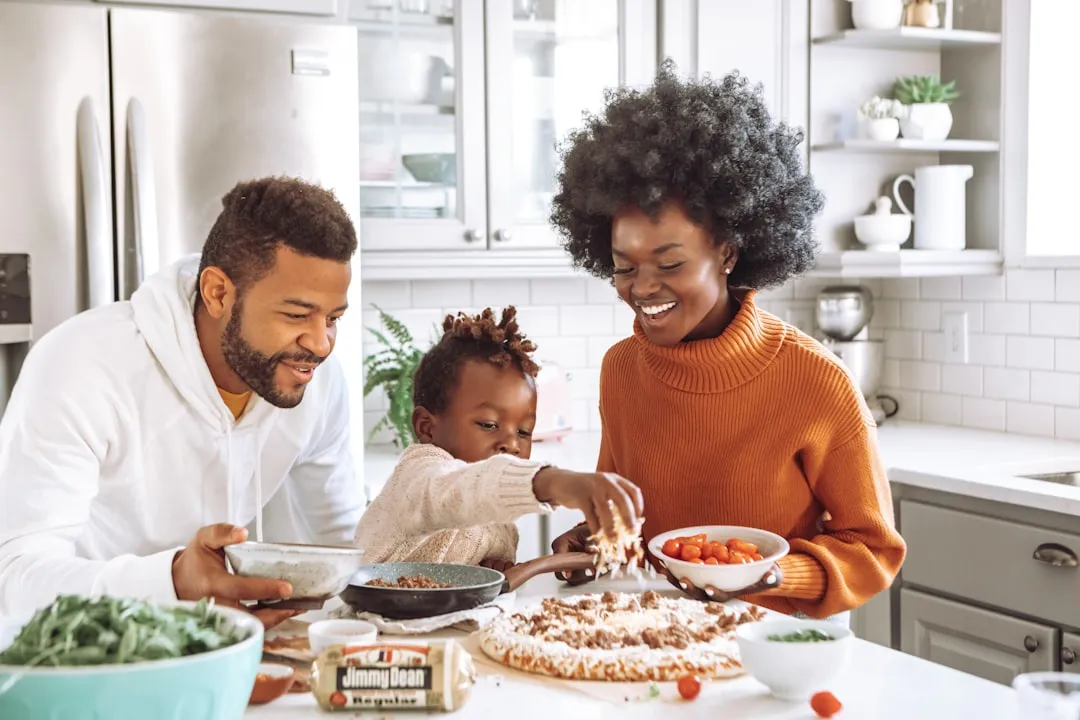
Food is much more than sustenance. It is a fundamental part of cultural identity and expression, with ingredients, cooking methods, and rituals that reflect historical, geographic, and social influences. Losing a family recipe, then, is not just losing a dinner. It’s losing a piece of lived history that no archive was ever designed to hold.
As we embrace technology for preservation, we have to remember that the flavor is only part of the recipe. The real value of heritage cuisine comes from understanding the cultural context and shared experience behind the dish. Writing a recipe down captures the what. Only the people who made it can tell you the why.
A Quiet Reckoning Worth Having Now
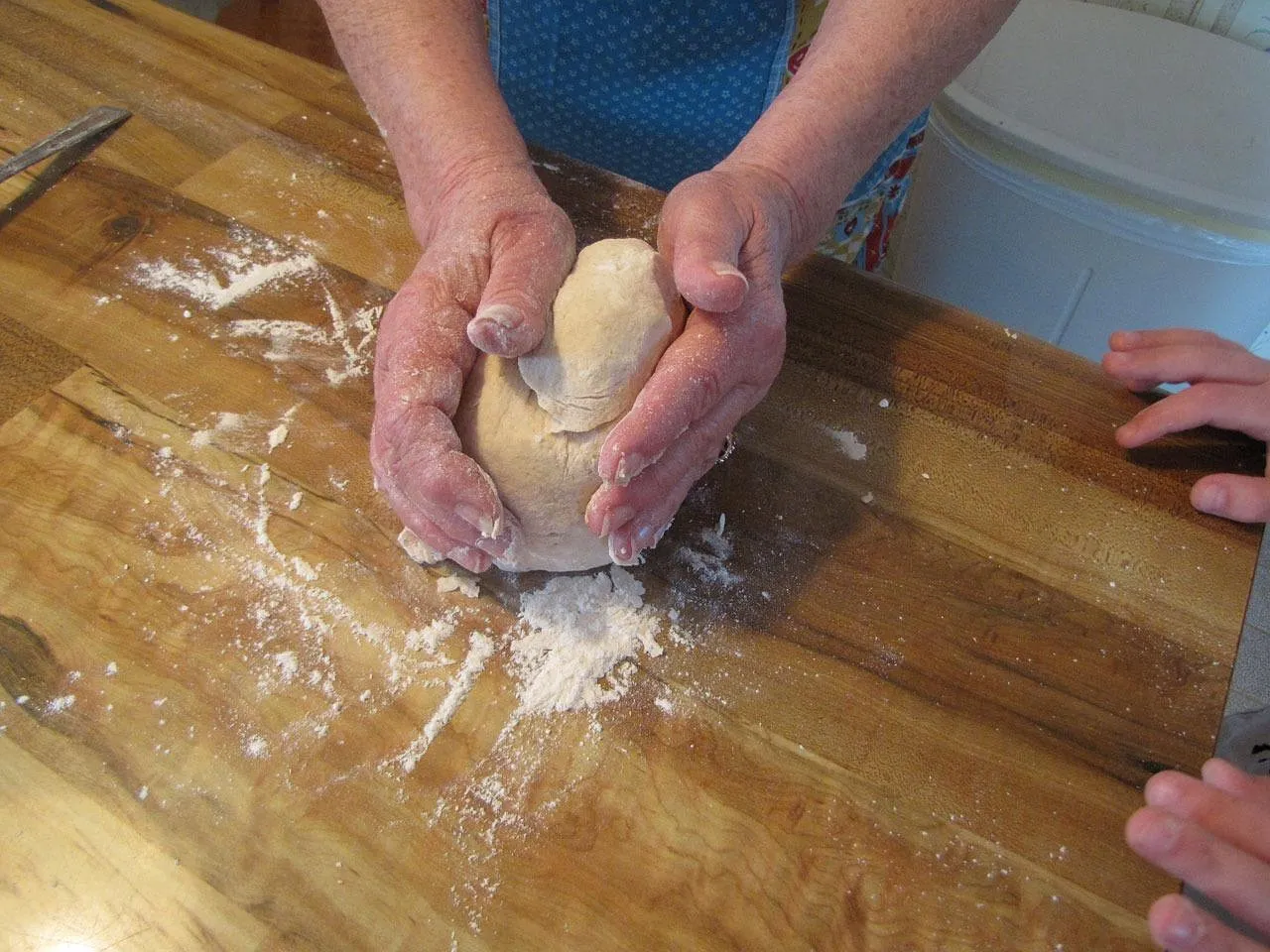
The urgency here isn’t dramatic. It’s quiet and domestic. It lives in the back of the pantry, in the smell of something frying, in the moment you realize you wish you’d paid closer attention. Most families have at least one dish that’s held together by one person’s memory, and that person won’t always be around.
When you preserve a recipe, you are preserving the evidence of how families adapted, celebrated, and improvised. If you are building a digital family archive, think beyond ingredients and steps. Think about who made it, when, and under what circumstances. The dish itself is often the smallest part of the story.
AI Disclaimer: This article was created with the assistance of AI tools and reviewed by a human editor.