

The Scale of the Problem Is Bigger Than Most People Realize

More families are fighting over inheritances today than at any point in the last decade. A recent national survey found that roughly 35% of adults have already experienced family conflict due to poor or nonexistent estate planning, often following the death of a parent.
A study by specialist will writers Farewill found that nearly 40% of individuals have experienced disagreements with siblings and other family members over inheritance. These disputes pose significant mental and financial strain and risk leaving a lasting toxic legacy within families.
The fallout often includes costly litigation, months or years of delayed access to funds, and lasting personal consequences: siblings who stop speaking, stepfamilies that divide, and relationships that fracture over decisions that clearer documents and better communication could have resolved.
Why Most Families Skip the Conversation

According to Trust & Will’s 2025 Estate Planning Report, only about 31% of Americans currently have a will, even though the vast majority acknowledge the importance of estate planning. That gap represents not only trillions in potential financial mismanagement but also years of avoidable family conflict.
Inheritance disputes don’t start in the courtroom. They begin quietly, long before anyone passes away, rooted in assumptions, vague promises, outdated documents, and the belief that a particular family would never fight over money.
Avoidance is comfortable, until it isn’t. One of the most effective ways to minimize conflict is to start conversations about estate planning as early as possible, since the longer families wait, the more difficult it becomes to address sensitive topics like inheritance and asset distribution.
The Core Purpose of a Family Estate Meeting

One of the biggest sources of conflict in estate matters arises from misunderstandings or a lack of communication. When family members are kept informed and understand the reasoning behind decisions, there is far less chance of disputes, and open dialogue can help address potential issues before they escalate.
Family meetings foster communication, create unified strategic thinking, and help set families up for continued financial success across generations. The goal isn’t to reveal every dollar figure. It’s to explain intentions, invite questions, and give everyone a shared frame of reference before emotions are running high from grief.
From a financial planning perspective, family meetings also increase transparency and efficiency. When children and grandchildren understand what is already in place, they can design their own estate plans in parallel, reducing the risk of duplicating efforts or inadvertently contradicting existing structures.
Who Should Be in the Room

A key consideration is deciding who should attend. While limiting the group to immediate family may seem simpler, excluding spouses or in-laws can unintentionally create mistrust or resentment.
Discussing roles clearly, such as who serves as trustee or healthcare proxy, ensures that everyone understands their duties before they are needed. People accept responsibilities far better when they have agreed to them in advance than when they discover them in a document after a funeral.
There is no perfect guest list, and family structures are rarely simple. Research from STEP, the professional body for trust and estate practitioners, found that roughly 41% of practitioners have noted an increase in disputes specifically within blended stepfamilies, with 71% agreeing that more complex family structures are the primary contributor to legal challenges over inheritance and business succession.
The Case for a Neutral Facilitator
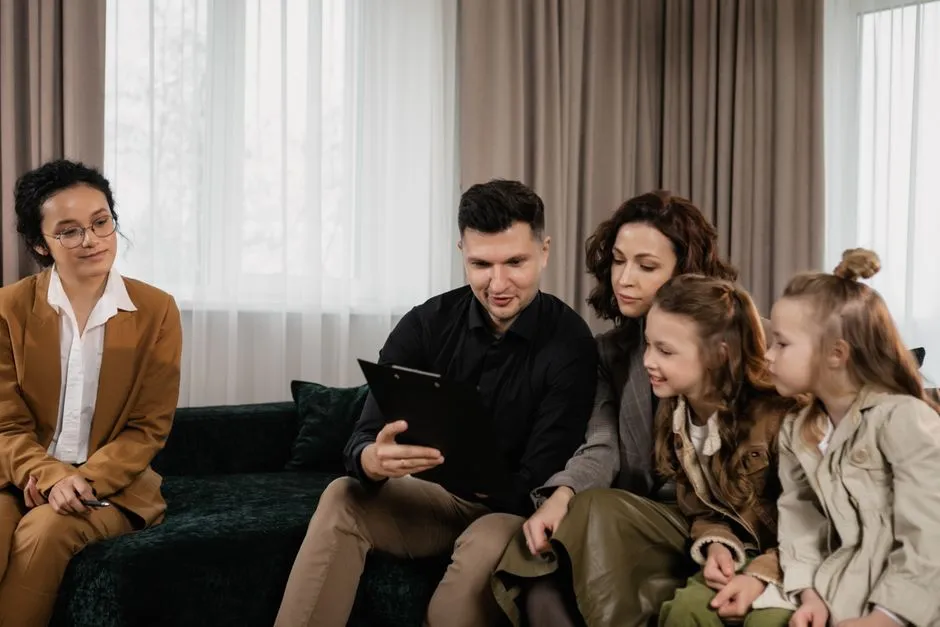
Careful preparation sets the tone for a meeting, and one of the most important early decisions is whether to engage a facilitator. Many families find that a neutral third party allows everyone to participate fully, without anyone feeling responsible for managing logistics or refereeing sensitive conversations. A facilitator can help set the agenda, encourage balanced participation, and keep the discussion focused and constructive.
Many successful families utilize third-party facilitators for sensitive topics, complex transitions, or when working through difficult family dynamics. This could be a financial advisor, an estate planning attorney, or a trained family mediator. The key is neutrality.
Consider including an estate planning attorney in family meetings to explain complex terms, answer questions, and provide reassurance about legal safeguards. Having a professional in the room also tends to keep the discussion grounded in facts rather than feelings.
Setting the Agenda: Structure Matters

Thoughtful preparation of an agenda prior to the meeting is critical. The agenda provides structure and focus, ensuring meetings will be productive, efficient, and achieve their intended outcomes.
Give advanced notice and transparency into the agenda and topics of conversation, though families don’t necessarily need to offer specific numbers upfront. Topics might include the overall purpose of the estate plan, the roles each person will play, how sentimental assets will be handled, and the family’s broader values around wealth.
Meeting regularly, even if only annually, matters enormously. It’s also worth remembering that there is so much more to inheritance than a dollar amount. Values, intentions, and family stories are part of what gets passed down, and those don’t fit neatly into legal documents.
Sentimental Assets Are Surprisingly Contentious

Some assets, like family businesses, vacation homes, or jewelry, carry sentimental value that can lead to disputes far out of proportion to their financial worth. These items are often the trigger point, even when the overall estate is distributed fairly in dollar terms.
A key source of problems is the impossibility of achieving fairness by the standards of all heirs and the impossibility of dividing some physical property equally. A family meeting creates the space to discuss this openly, letting people express preferences before the moment of loss.
While inheritance disputes may appear to center on money and property, the real battle is often about much deeper emotional needs, including perceptions of parental affection, childhood rivalries that resurface during grief, and a basic sense of fairness. Naming these dynamics in a calm setting, before they become charged, is part of what makes the family meeting so valuable.
What the Documents Should Reflect

Common causes of probate disputes include unequal distributions without explanation, outdated or ambiguous wills, lack of communication about estate plans, conflict over sentimental items, and distrust of the named executor, all of which can be prevented through proactive planning.
Critical components include wills and trusts that outline how assets will be distributed, powers of attorney to manage financial and medical decisions if incapacity occurs, healthcare directives that specify medical preferences, and beneficiary designations that should be regularly updated to reflect current relationships.
Contested probate cases can cost tens of thousands in legal fees, take two to five years to resolve instead of the typical nine to twelve months, and often cause permanent family relationship damage that prevents siblings from reconciling. The family meeting does not replace these documents. It makes them work.
After the Meeting: Follow-Up Is Not Optional

Following up in writing is essential. Summarizing the discussion and providing copies of relevant documents ensures everyone is aligned after the meeting concludes. Memory fades and details blur, especially in emotional contexts, so documentation matters even in informal family settings.
Having someone take notes or record all meetings, whether manually or using technology, is a practical step that prevents confusion later. A short written summary sent to all participants within a few days of the meeting gives everyone a common reference point.
For many families, frank discussions about inheritance are new, and getting it right requires practice. Time is needed to ensure that desires and wisdom are clearly communicated, and heirs need time to let the message sink in and understand what is expected of them.
Blended Families Need Extra Attention

A study by STEP found that inheritance disputes are on the rise, with families who have complex structures most exposed. Roughly 41% of the professionals surveyed reported an increase in conflicts within blended families, and 71% identified the complexity of these structures as the primary driver of legal and succession challenges.
Conflict between children or stepchildren and a surviving parent or stepparent is the most common source of friction in disputes according to 68% of practitioners, followed by unequal treatment of siblings and conflict between children and stepchildren.
For blended families, the family meeting isn’t just helpful, it may be the single most important step available. The best way to ensure wishes are followed and avoid future conflict and disputes is to plan carefully and communicate. Waiting until there is a crisis to have these conversations almost always makes things harder.
The Takeaway

Most estate disputes stem from unclear intentions, poor communication, and inadequate planning. A comprehensive estate planning strategy addresses these potential conflicts before they arise, providing clear guidance that protects both a family’s legacy and its relationships.
The family meeting is not a legal instrument. It won’t replace a will, a trust, or a power of attorney. What it does is something those documents cannot do on their own: it gives everyone a shared understanding, a chance to ask questions, and a sense of being respected rather than surprised.
Transparent communication doesn’t just clarify logistics, it builds trust. It allows heirs to see intentions clearly, minimizing surprises when the will or trust is eventually executed. That kind of trust is harder to build than a legal document and far more valuable in the long run.
AI Disclaimer: This article was created with the assistance of AI tools and reviewed by a human editor.