

It Builds Emotional Resilience in Children

Children who grow up sharing regular meals with their families tend to be more emotionally balanced as adults. A 2024 review found that frequent, friendly family sit-downs are linked to mental health resilience into young adulthood. That’s a meaningful outcome tied to something as ordinary as passing the bread.
Mental health experts say the real magic of sit-down mealtime happens when families gather to talk, laugh, share their struggles, and support each other. These moments of connection nurture a sense of belonging, which feeds directly into stronger self-esteem and self-confidence.
It Reduces the Risk of Depression and Anxiety

Eating more family meals is associated with better overall mental health. Regular family meals are also linked to lower rates of depression, anxiety, substance abuse, eating disorders, tobacco use, and early teenage pregnancy, alongside higher rates of resilience and self-esteem.
Frequent family meals are inversely associated with disordered eating, alcohol and substance use, violent behavior, and feelings of depression or thoughts of suicide in adolescents. That’s a substantial list of risks that a consistent mealtime habit can help counteract.
Thirty-Five Years of Research Back It Up

More than 35 years of research and thousands of studies from around the world document that family meals, no matter how you define “family,” boost both physical and mental health. This is not a passing wellness trend; it’s one of the most consistently replicated findings in public health research.
Over three decades of research have shown that regular family meals offer a wide variety of physical, social-emotional, and academic benefits. Eating together is the only single activity known to provide all of them at the same time. That’s a remarkable claim, and the evidence holds it up.
It Connects the Whole Family, Not Just the Kids
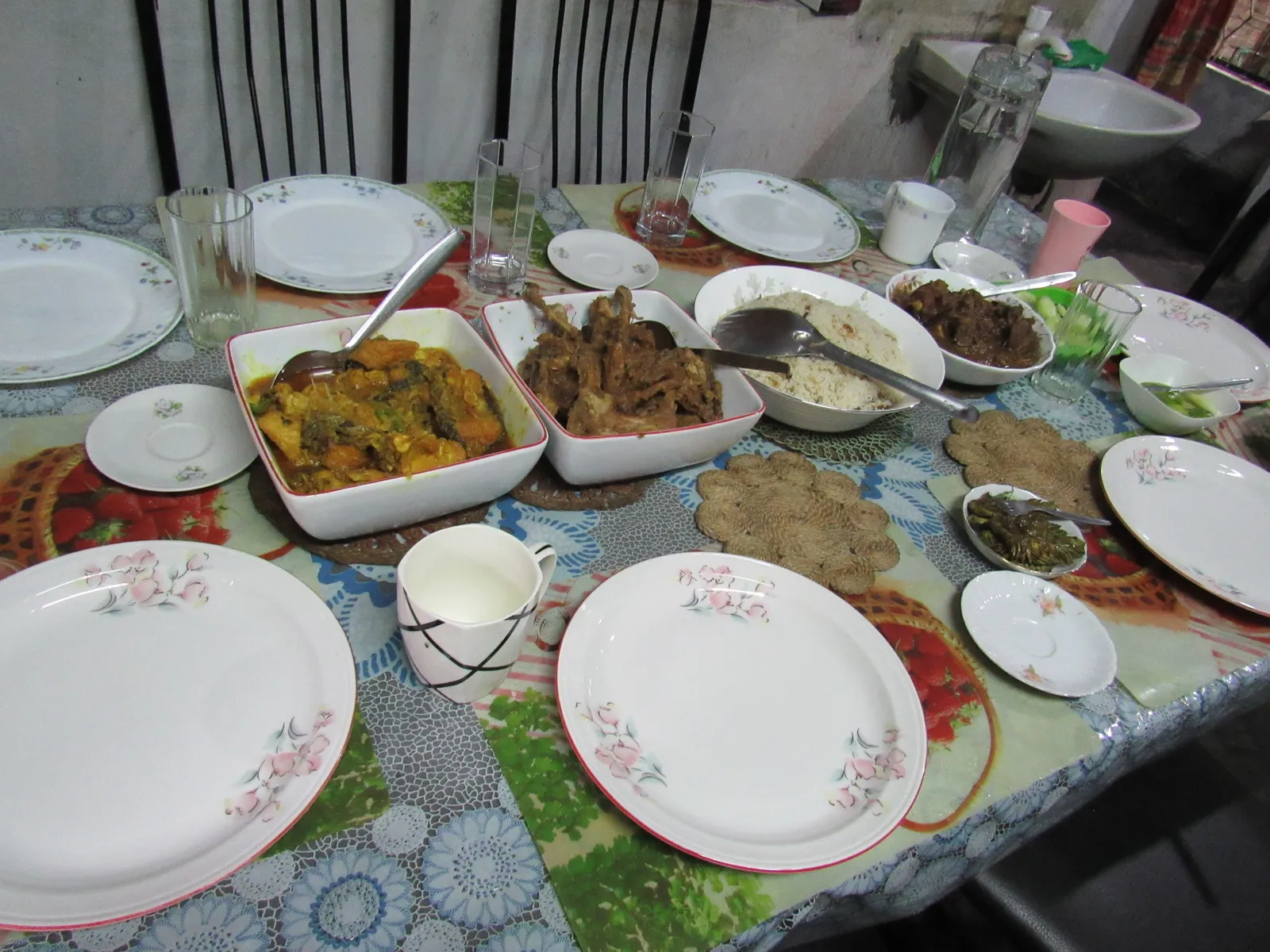
Research from Project EAT shows that parents who report frequent family meals also report higher levels of family functioning, greater self-esteem, and lower levels of depressive symptoms and stress. These findings suggest that frequent family meals may contribute to the social and emotional well-being of parents, too.
The data also shows that family meals help restore a sense of peace, with roughly one in three survey respondents saying family meals make them feel calm. Nearly four in ten believe family meals are relaxing and fun, enhancing overall quality of life. Everyone at the table benefits, not just the children.
It Supports Academic Performance

A consistent pattern has emerged between family dinner frequency and academic performance. Children who reported eating five to seven family dinners per week were more likely to receive mostly As and Bs in school and less likely to receive mostly Cs.
For children and teenagers, family mealtimes are linked to better academic performance. The opportunity to discuss ideas, ask questions, and share experiences fosters critical thinking and problem-solving skills. Conversations at the dinner table turn out to be informal lessons in thinking clearly.
The No-Screens Rule Was the Right Call

Family conversations help children develop vocabulary, listening skills, and confidence expressing themselves. Research has shown that televisions during family meals can reduce the amount and quality of conversation between parents and children. Grandma’s ban on TV at dinner was, in hindsight, ahead of the science.
Studies suggest that children who are regularly exposed to television during family meals may have lower language development scores, regardless of their total daily screen time. Screen use at mealtimes is associated with poor dietary and psychosocial outcomes in children. The distraction is not neutral.
It Improves Communication and Family Functioning

It has been shown time and again that family meals improve family functioning across several dimensions: connectedness, communication, expressiveness, and problem-solving. These are skills that children carry into friendships, classrooms, and eventually workplaces.
Sitting down for a meal allows families to share their day, celebrate successes, and provide support during challenges. This regular check-in fosters a genuine sense of security and belonging. The ritual of simply showing up, night after night, builds something that’s hard to replicate any other way.
Routine Itself Has Protective Power

Family meals are made up of both ritual and routine elements, each instrumental to a child’s positive developmental outcomes. Both routine and ritual practices act as markers for healthy family functioning, indicating greater organization and a stronger sense of belonging and closeness for children.
The act of gathering around a table creates a calming routine. Studies show that families who eat together experience lower levels of stress and improved resilience in the face of challenges. The predictability of it matters almost as much as the conversation.
It’s Linked to Greater Life Satisfaction

For the 2024 World Happiness Report, researchers surveyed nearly 150,000 people across the world and found that those who reported eating with others more frequently also reported higher levels of emotional wellbeing and greater life satisfaction. The relationship between eating with others and life satisfaction was comparable in strength with the influence of significant economic and social factors, including employment and income.
Researchers proposed that social interaction during meals, including conversation, companionship, and emotional support, could help reduce psychological stress and provide mental stimulation. The numbers suggest that shared meals are more than a comfort. They are a measurable contributor to how well people feel about their lives.
Therapists Now Recommend It Formally

Family meals and family therapy confer many similar benefits to family members. Both are settings in which families can connect and interact as a group, in a designated space and time. Family therapists can work with families in several ways to harness the benefits of family dinners as an extension of therapy.
Researchers have concluded that health care practitioners should educate families on the benefits of having regular meals together. A systematic review found further support that frequent family meals should be actively endorsed by clinicians and counselors alike. The dinner table has effectively become a therapeutic tool.
The Takeaway

Grandparents rarely cited peer-reviewed journals when they called everyone to the table. They just knew, the way generations before them knew, that something important happened when a family ate together. The rule felt rigid. It was actually a form of care.
The 2025 World Happiness Report found that from 2003 to 2023, rates of dining alone in the United States continued to grow across age groups, with roughly one in four adults eating all of their daily meals alone. That context makes the old rule feel less like nostalgia and more like urgent, practical wisdom.
The science has filled in what instinct already knew. Sitting down together, with the phones put away and the food shared, is still one of the simplest and most effective things a family can do for each other’s wellbeing. Grandma didn’t need a study to know that. We just needed the studies to finally agree with her.
AI Disclaimer: This article was created with the assistance of AI tools and reviewed by a human editor.