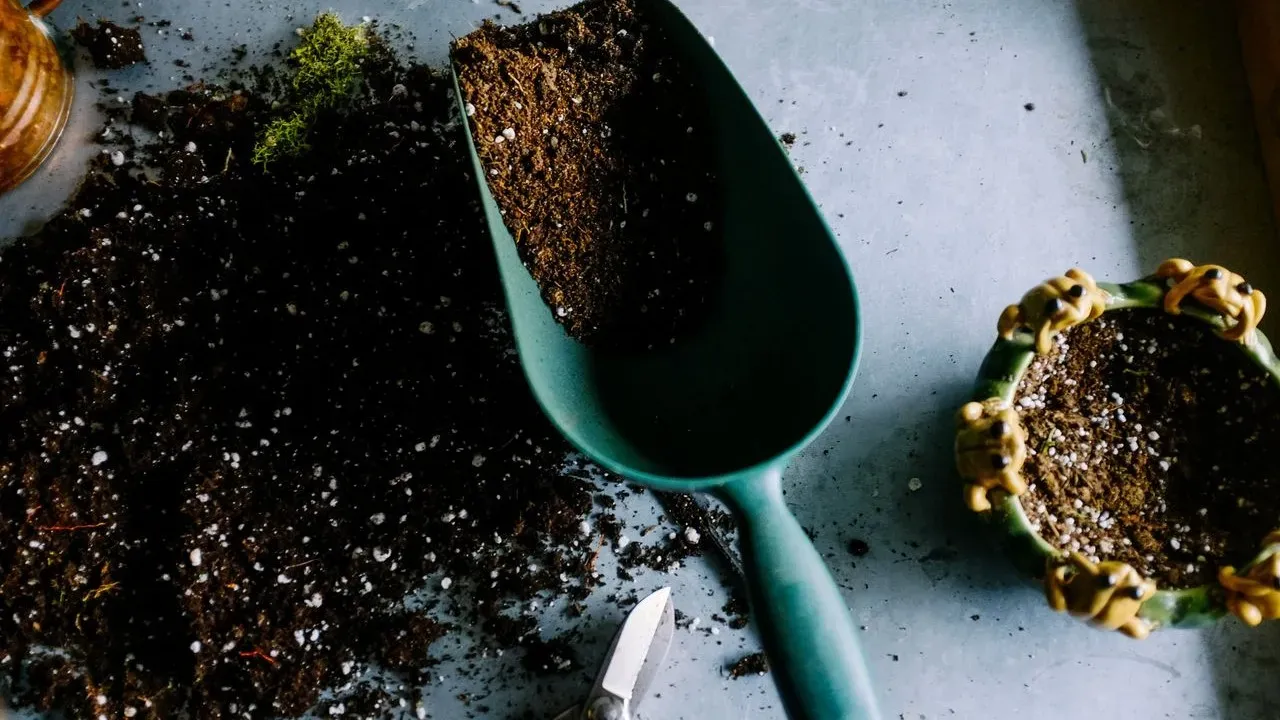

In July, when many gardens are at their peak with warm-season produce, a different kind of planning is underway. Gardeners who want fresh vegetables later in the year are already starting cool-season crops indoors. This timing allows the plants to mature during the milder conditions of fall rather than struggling through summer heat.
The Practical Edge of Midsummer Starts
Many gardeners assume fall planting begins in autumn. Yet the window for several key crops closes earlier because these vegetables require weeks of growth before cooler weather arrives. Beginning the process indoors now gives seedlings a controlled environment where temperatures stay suitable for germination and early development.
This approach also reduces pressure from summer pests and heat stress that can affect direct sowing. By the time transplants move outdoors, conditions often favor steady growth and higher yields. The result is an extended harvest period that stretches into months when outdoor activity typically slows.
How Cool-Season Crops Differ from Warm-Weather Favorites
Cool-season vegetables thrive when temperatures drop and daylight shortens. They tolerate light frosts and often improve in flavor after exposure to cooler nights. In contrast, many summer crops bolt or decline once heat intensifies or days shorten.
These plants generally need consistent moisture and protection during their earliest stages. Indoor starting provides that stability while outdoor beds remain occupied by existing plantings. Once established, the crops can handle the transition to garden soil as summer fades.
Key Steps for a Successful Indoor Start
Begin by selecting quality seeds suited to your local climate and expected first frost date. Use clean containers with drainage and a light seed-starting mix to avoid compaction. Maintain steady moisture without overwatering, and provide adequate light through windows or supplemental fixtures.
Monitor growth daily and thin seedlings as needed to prevent crowding. Harden off young plants gradually before transplanting to reduce shock. Keep records of sowing dates to refine the process in future seasons.
Looking Ahead to the Season
Gardeners who adopt this schedule often report more reliable production and less waste from weather-related losses. The method turns what might seem like an off-season lull into an opportunity for continued output. Planning at this stage supports a more resilient and productive garden overall.
Those new to the practice can start small and adjust based on results. Over time, the habit becomes a standard part of the yearly cycle rather than an afterthought.
AI Disclaimer: This article was created with the assistance of AI tools and reviewed by a human editor.