
What the Scam Actually Looks Like
You get an unexpected message that looks like it’s from a major retailer. It claims the company did a “routine quality inspection” and an item you recently bought doesn’t meet their standards or has been recalled. The message then offers you a full refund and says you don’t even need to return the item, as long as you click a link to request your money back.
In one widely circulated example flagged by Fox News, the message claimed that an item from a February 2026 order had been recalled, told the recipient to stop using it and click a link for a refund, and signed off as “Amazon Account Support Team.”
One telling detail that fraud experts noticed in real examples was that the text never actually named the product. It said “a product from your recent order” rather than specifying the item by name. That vagueness is by design. The goal is to cast a wide net across as many inboxes as possible.
Why This Scam Is Especially Hard to Spot

This scam has the perfect cover: real product recalls. There are legitimate recalls happening all the time, real companies contact customers about them, and some genuine recalls really do offer refunds.
What makes this particularly disarming is that the message isn’t asking you to send money. It’s telling you that they want to send money to you. Most phishing scams ask for something upfront. This one appears to give.
At first glance, the message may look convincing because it references a recent order and includes a refund offer. Criminals routinely scrape purchase data or simply use generic order numbers that sound plausible enough for many recipients not to question them.
The Scale of the Phishing Problem in 2025 and 2026
Roughly 3.4 billion phishing emails are sent every day, making phishing the single largest volume attack vector in the world. That staggering figure puts the fake recall scam in context. It isn’t a niche tactic used against a handful of targets.
According to FBI IC3 data, phishing and spoofing losses in the US reached over $215 million in 2025, a jump of more than two hundred percent compared to the previous year. The broader email fraud landscape, which includes business email compromise and impersonation scams, accounted for over $4 billion in losses in the US in 2025 alone.
Consumers reported losing $3.5 billion to impersonation scams in 2025 according to the FTC, including roughly $920 million lost to government impersonators. Nearly one in three fraud reports involved some form of impersonation scam.
How the Fake Website Steals Your Card Details
If a recipient clicks the link, they land on a fake website that, with today’s technology, may not look obviously counterfeit. The next step involves requests for personal information, login credentials, or credit card details. Depending on what gets stolen, criminals can make fraudulent purchases, access bank accounts, or commit identity theft.
The link typically leads to a fake page designed to look like the real retailer’s site. You may be asked to log in, which hands over your username and password. You may be asked for payment details under the guise of “processing a refund.” The page could also trigger a download that installs malware.
Some phishing pages even mimic the retailer’s branding and login screens to look entirely legitimate, complete with fake customer support numbers operated by the scammers themselves.
Amazon’s Official Warning to Shoppers
Amazon itself has warned consumers directly that bad actors are impersonating the company to send fake product recall notifications. These deceptive messages claim that a product you purchased has been recalled for safety reasons and pressure you to click a link to confirm whether your order qualifies for a refund. Those links go to third-party websites with no affiliation to Amazon, designed to steal login credentials, payment information, or personal data.
Amazon has also clarified that it does not send recall alerts via text message. That’s a simple but important detail. If a text arrives claiming to be from Amazon about a recall, it is not from Amazon.
In 2025, email remained the top contact method used by impersonation scammers based on customer reports, accounting for between forty and fifty percent of US customer reports. Tactics included scammers claiming order issues or account problems through fake product recall notifications featuring phony order numbers and phishing URLs.
The Red Flags Built Into Every Fake Recall Email
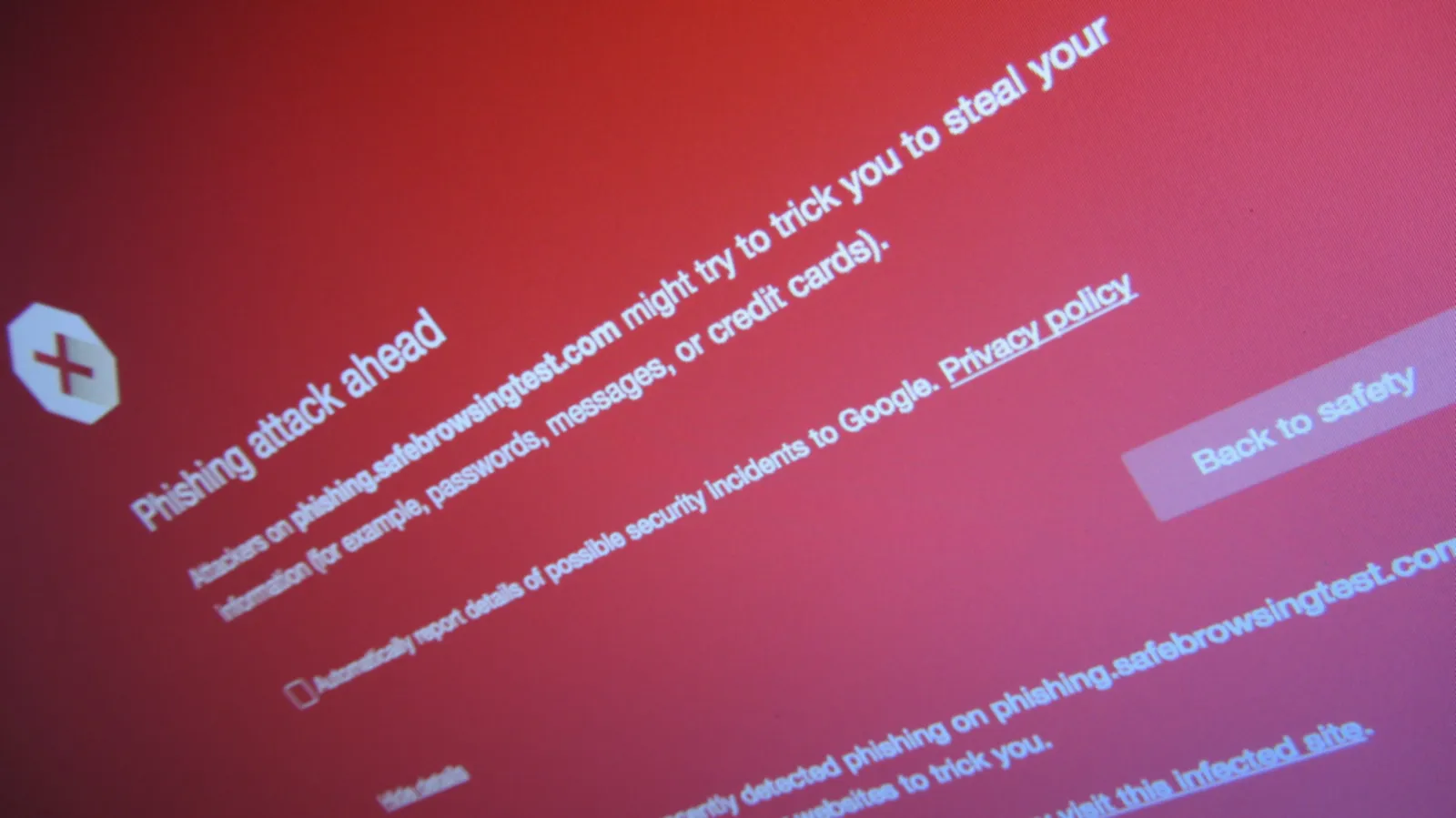
Fake messages frequently use urgent language such as “Immediate action required” or “Stop using this item immediately.” Urgency is the currency of scams. It compresses your decision-making time so that you act before you think.
Cybercriminals also frequently use shortened phishing links to hide the destination of the URL. Whenever a link in a message doesn’t spell out the full web address, that’s a reason to pause. Legitimate retailers don’t need to obscure where they’re sending you.
Real emails or texts from retailers like Amazon typically include more structured branding and consistent formatting. Generic sign-offs, mismatched fonts, and non-specific product references are all subtle tells that the message was mass-produced rather than generated by a company with your actual order history.
Text Message Scams: A Rapidly Growing Delivery Channel
In 2024, consumers reported $470 million in losses to text message scams, and the FTC noted that figure is five times higher than in 2020, even though the number of reports actually declined. Fewer people reporting, yet vastly more money lost, suggests individual losses are growing larger.
Zimperium’s 2025 Global Mobile Threat Report established smishing, meaning phishing via SMS, as the dominant mobile attack channel, accounting for roughly seven out of every ten mobile-targeted phishing incidents.
The shift toward text messages makes sense from a criminal’s perspective. People tend to treat text messages as more immediate and personal than email. That perceived intimacy makes recipients less likely to apply the same scrutiny they might give a suspicious email.
AI Is Making These Emails More Convincing

Research from KnowBe4 and VIPRE Security Group found that more than four out of every five phishing emails are now AI-generated. That has a direct consequence for quality. Older phishing messages were often riddled with spelling mistakes and odd phrasing. Many modern ones are not.
Cofense’s Phishing Defense Center reported an average of one malicious email every 19 seconds throughout 2025. In 2024, the reported rate had been one every 42 seconds. That near-doubling of speed shows just how much automation is accelerating the volume of these attacks.
The median time it takes for someone to click a phishing link is just 21 seconds, according to Verizon’s 2025 Data Breach Investigations Report. By the time most people feel something is off, the damage may already be done.
What to Do if You Already Clicked the Link

If you interacted with a suspicious message, the advice is to act quickly: run antivirus software to check for malware, contact your bank immediately if you entered any financial information, and change passwords for any accounts you may have accessed.
Keep any letters, notes, or emails related to the scam, as they can help prove you’re entitled to a refund if the credit or debit card company has any questions. Documenting what happened, as soon as possible, matters more than most people realise when it comes to recovering losses.
Suspicious messages should be reported to the Federal Trade Commission at consumer.ftc.gov and to the Better Business Bureau. You can also forward phishing emails to the Anti-Phishing Working Group at [email protected]. Reporting genuinely helps, since these agencies use the data to track patterns and issue warnings.
How to Verify a Real Product Recall
The clearest protective steps are straightforward: don’t click links in unexpected messages, go directly to the company’s official website or app to verify any claim, and check legitimate recalls through Recalls.gov. That government site is the most reliable central source for verified product safety recalls in the US.
The FTC urges consumers not to click the links in these messages. If you’re concerned about a product recall, check your account directly with the retailer through their official app or website. That’s the only reliable source.
Legitimate recall and refund information can always be verified independently, so there’s no reason to let an unexpected sender rush you. When urgency and apparent authority appear together in an unsolicited message, stop interacting and check the story yourself.
The Takeaway
The fake recall refund email works precisely because it looks helpful. It doesn’t demand anything. It just drops a link and lets curiosity do the rest. That’s the trap. The moment you feel a sense of urgency mixed with the prospect of money coming back to you, that’s exactly the moment to slow down.
Real retailers don’t need you to act in the next thirty minutes. Real recalls don’t disappear if you take an extra two minutes to log into your account directly and check. The scam only works because speed feels like safety. It isn’t.
Checking Recalls.gov, opening your account through the official app, or calling the retailer’s published number takes less time than most people think. That small habit is what stands between a frustrating moment and a genuinely costly one.
AI Disclaimer: This article was created with the assistance of AI tools and reviewed by a human editor.