
What Fake Cobwebs Are Actually Made Of
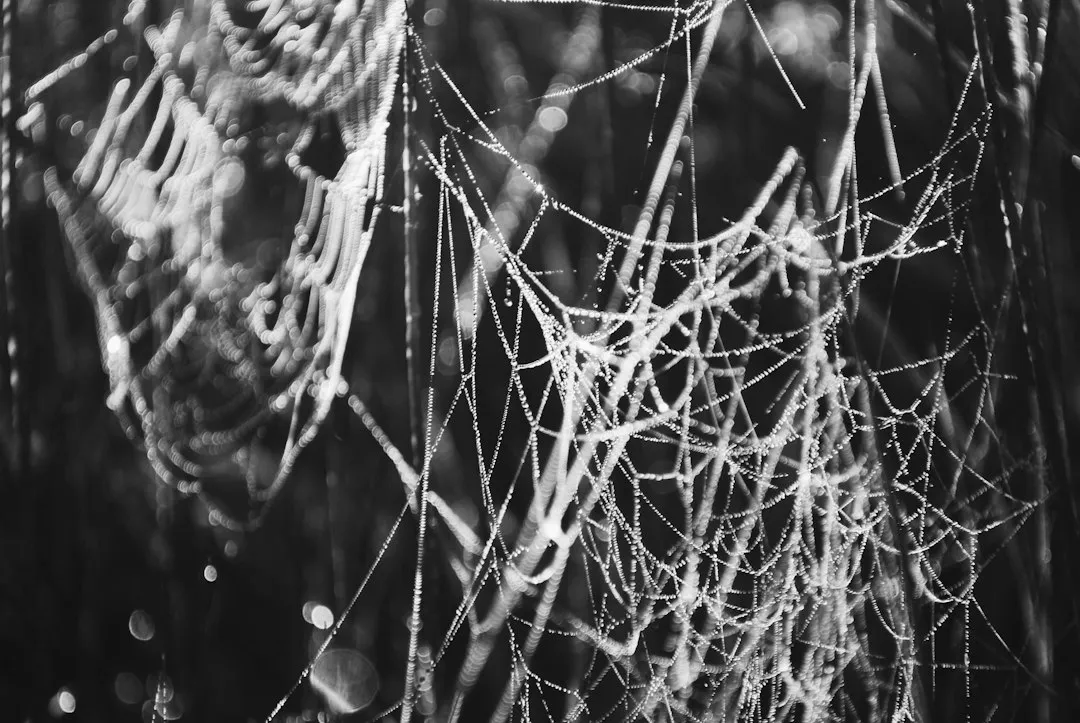
The white, stringy fake cobwebs sold everywhere during Halloween are often made from polyester or nylon, materials that pose serious risks to wildlife. These aren’t delicate fibers that snap under pressure. The fake webs are typically made with long strands of nylon, which in some instances can be as tough as fishing wire.
Made of strong, stretchy plastic, the webbing’s thin, hard-to-see strands can cling to animals and become wrapped around their bodies, posing a serious entanglement hazard. Real spider silk breaks down quickly in nature. Synthetic webbing does not. Fake spider webbing is made of stretchy artificial fibers that do not break easily and aren’t biodegradable, so when an animal or insect gets trapped in them, it is very difficult for them to get out.
Birds and Bats Are the Most Vulnerable Animals
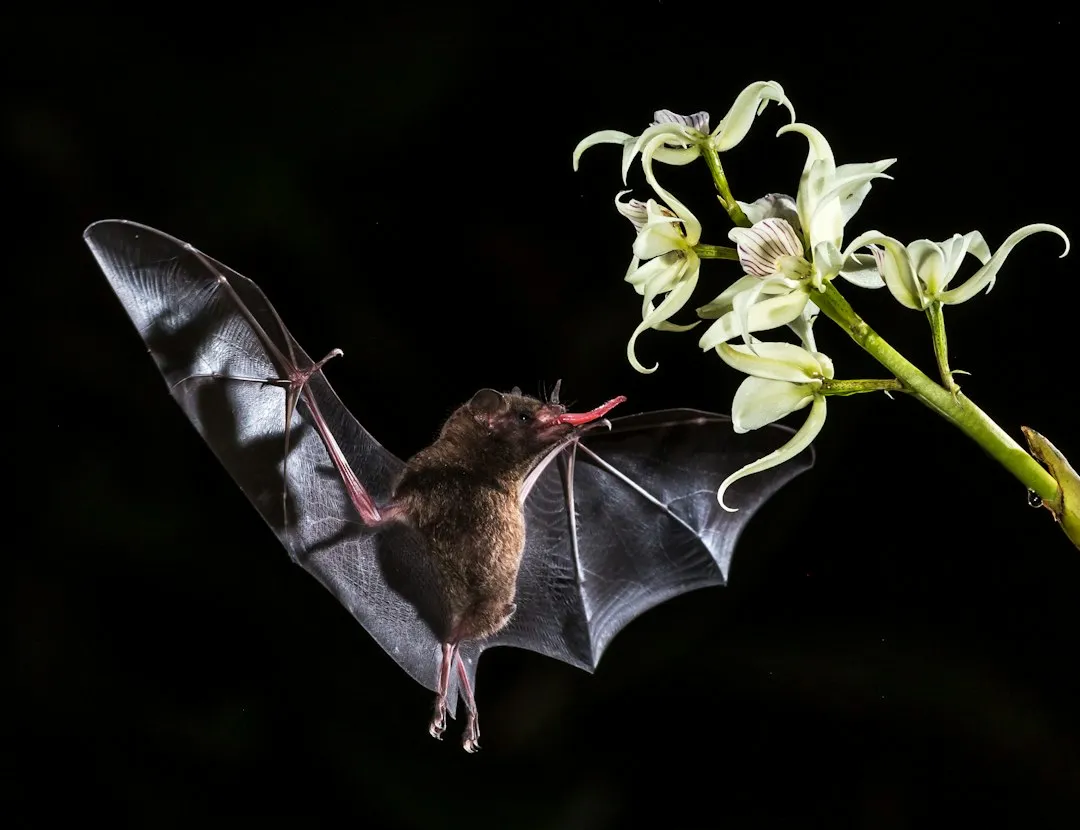
Birds and bats are the animals most likely to run into the artificial webbing, where they may become trapped and eventually die if they aren’t released. Both groups move frequently through suburban yards, especially at night, and neither can easily detect fine synthetic strands in low light.
Fake spider webs are a particularly concerning danger, as birds and bats can become easily entangled. The struggle to escape can lead to injury or death from exhaustion, broken bones, or strangulation. Smaller species are hit hardest. Animals most at risk with fake cobwebs are small birds, including hummingbirds and small owls, bats and reptiles like toads.
Why Bats Can’t Simply Echolocate Their Way Around It
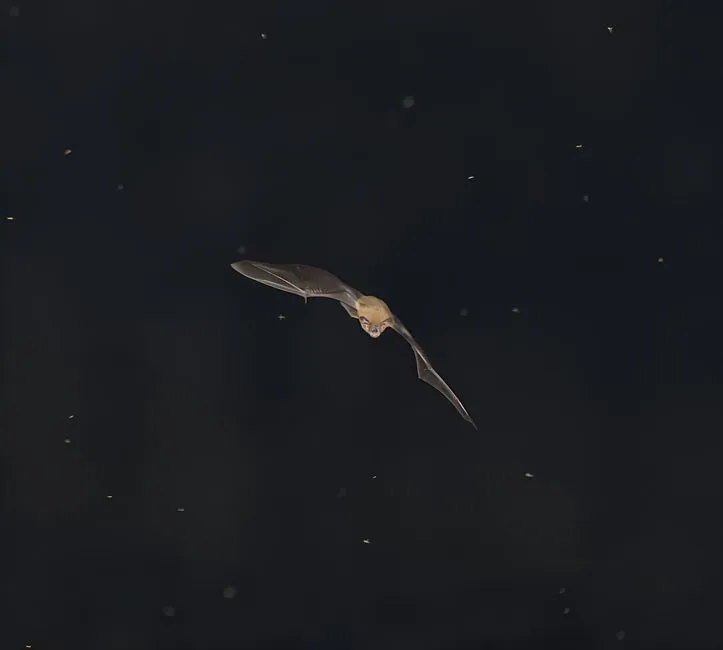
A common assumption is that bats, with their built-in sonar, should have no trouble avoiding a decoration strung across a yard. The reality is more complicated. Artificial webbing can be difficult for wildlife to avoid, even for bats, which use echolocation to navigate. Bats don’t always use echolocation. Sometimes they’re just going from point A to point B.
NorCal Bats has received calls about bats becoming tangled in artificial spider web decorations. One bat died, while another is being rehabilitated before it can be released. These aren’t isolated incidents. In low light, owls have trouble seeing the webbing too. Darkness, which we tend to associate with safety for nocturnal animals, actually makes synthetic strands essentially invisible.
The Injuries Are Often Severe
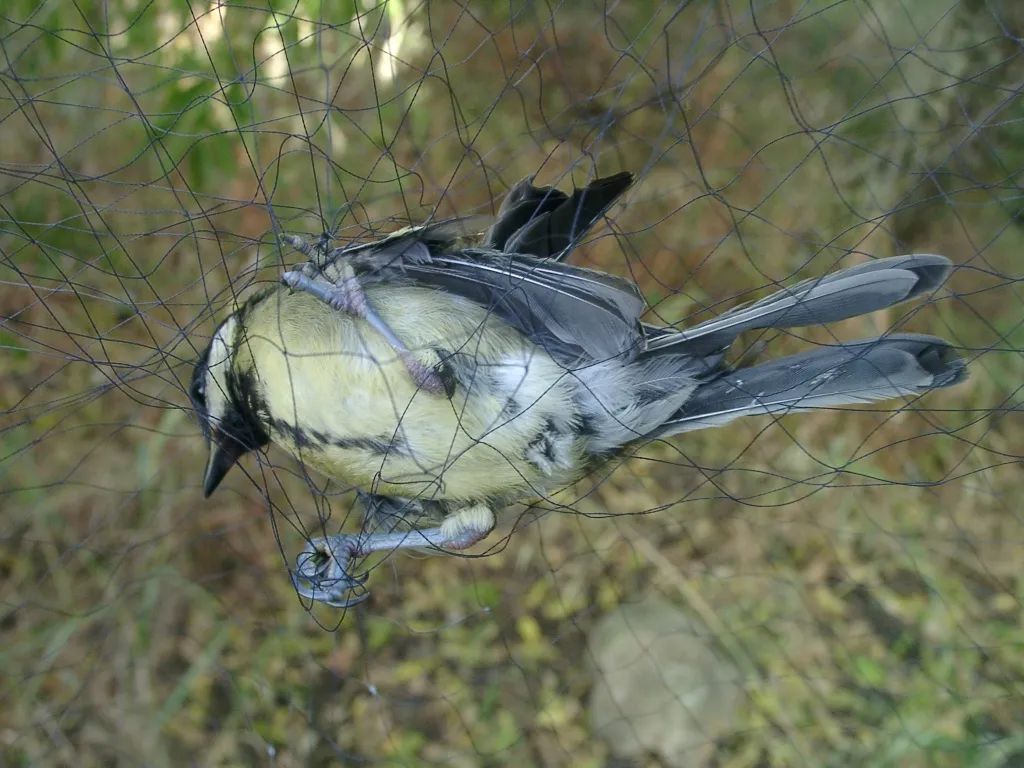
Injuries can include restricted blood flow and tissue damage, according to the National Audubon Society. When a bird or bat hits webbing at speed, the fine strands don’t give way. Trapped animals can go hungry, suffer constriction injuries, or even dislocate their limbs as they struggle to free themselves.
The thin fibres can wrap tightly around the limbs of birds and small mammals, making it very difficult for the animals to move, and even sever legs. That is not an exaggeration. Birds and opossums are among the animals most frequently treated for injuries caused by fake spider webs. The synthetic fibers can wrap around animals’ necks or toes, potentially cutting off the blood supply and causing severe harm.
Timing Makes It Worse: Halloween Overlaps with Migration Season
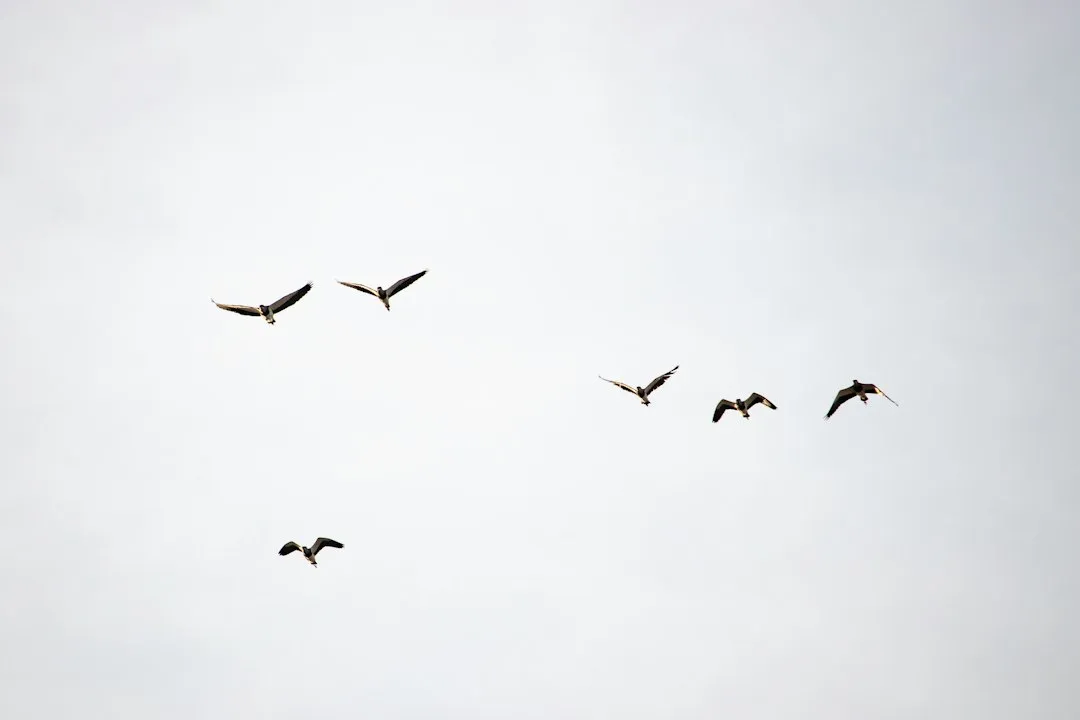
The threat to birds becomes even more severe around Halloween because fall marks peak migration time for many bird species. This is one of those unfortunate timing coincidences that compounds the danger significantly. The life-threatening entanglements are happening because the Halloween-decorating season overlaps with key migration periods, which affects creatures who rely on urban areas as part of their habitat.
The timing of fake spiderweb decorations is problematic, especially for birds. Fall is peak migration time for many birds, so just as homes are being turned into spooky spectacles, birds are traveling through in large numbers. Migration poses many risks to birds, and many die each year during their journey. Additional obstacles like those posed by the sticky strings from fake spiderwebs increase the danger of migration.
Where You Place Decorations Matters Enormously
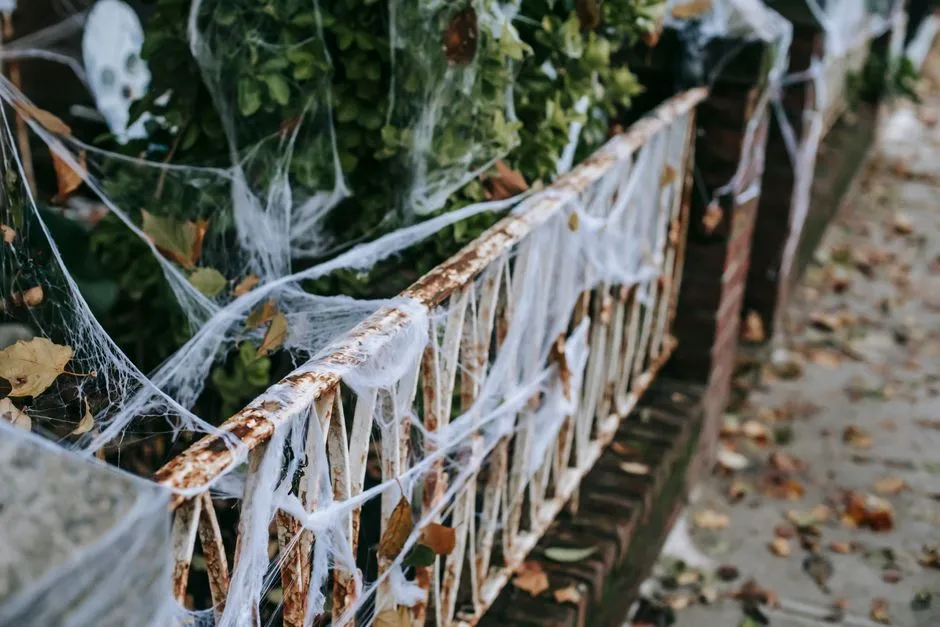
Birds, bats and small animals can get tangled and injured in things people leave outside, especially decorations like the fake cobwebs that stretch between areas where those animals might fly or around plants that they may move around, perch or peck on. Bushes and hedges are particularly risky spots. Certain bushes, like hawthorns, are very attractive to birds, and those are the ones where the greatest care should be taken.
If the synthetic webs are put into position while a bird is in the undergrowth, they may find themselves trapped and unable to leave in search of food during the day. Meanwhile, other birds returning to a roosting spot that has recently been covered in webbing might not see it and end up either getting entangled or unable to reach their roosting spot. The placement decision, in other words, can turn a decoration into a trap without any warning.
The Danger Doesn’t End on November 1st
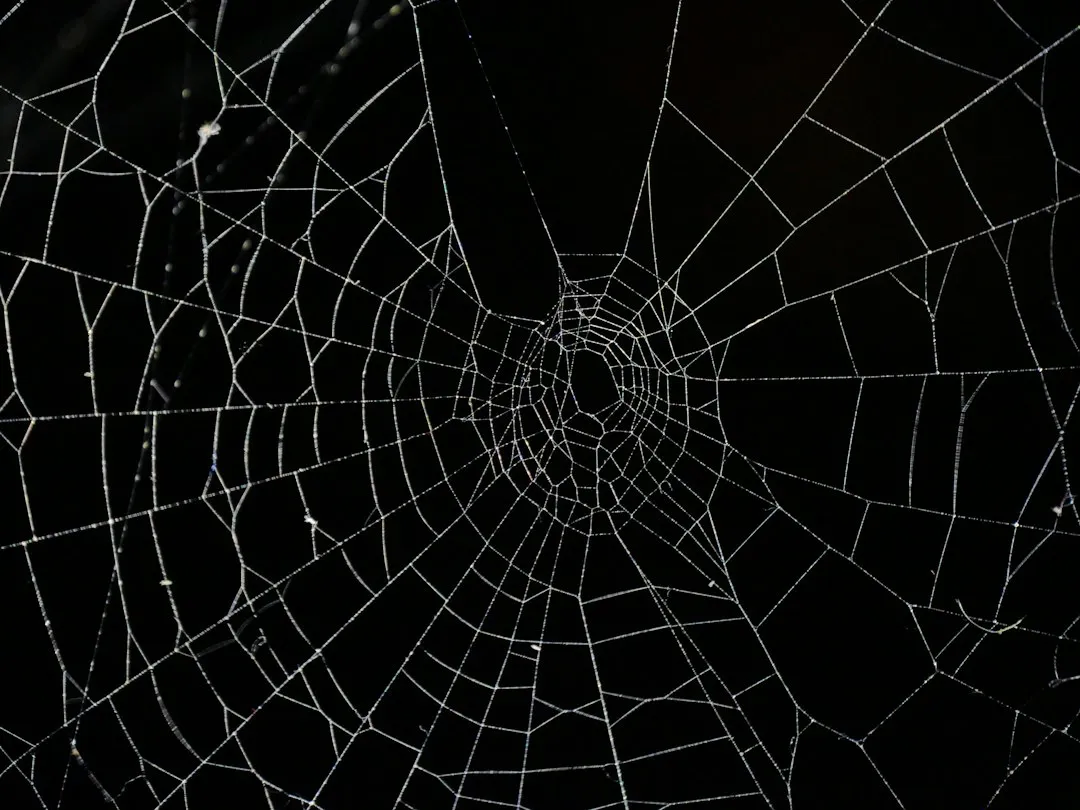
The danger of fake webs doesn’t immediately go away after Halloween. Webbing left outdoors continues to pose a threat for weeks. If not removed promptly after Halloween, these webs can continue to pose a threat for weeks.
Synthetic spider web decorations are made with plastic-based materials that aren’t biodegradable, which could pose a threat to wildlife if winds blow the fake webbing to other areas. A decoration that falls from a fence doesn’t disappear. The risks of Halloween decorations causing harm are exacerbated during stormy weather, when webbing and other harmful materials can easily be scattered widely. Fragments can travel considerable distances and snare animals far from where they were originally placed.
These Animals Were Already Struggling Before the Decorations Went Up
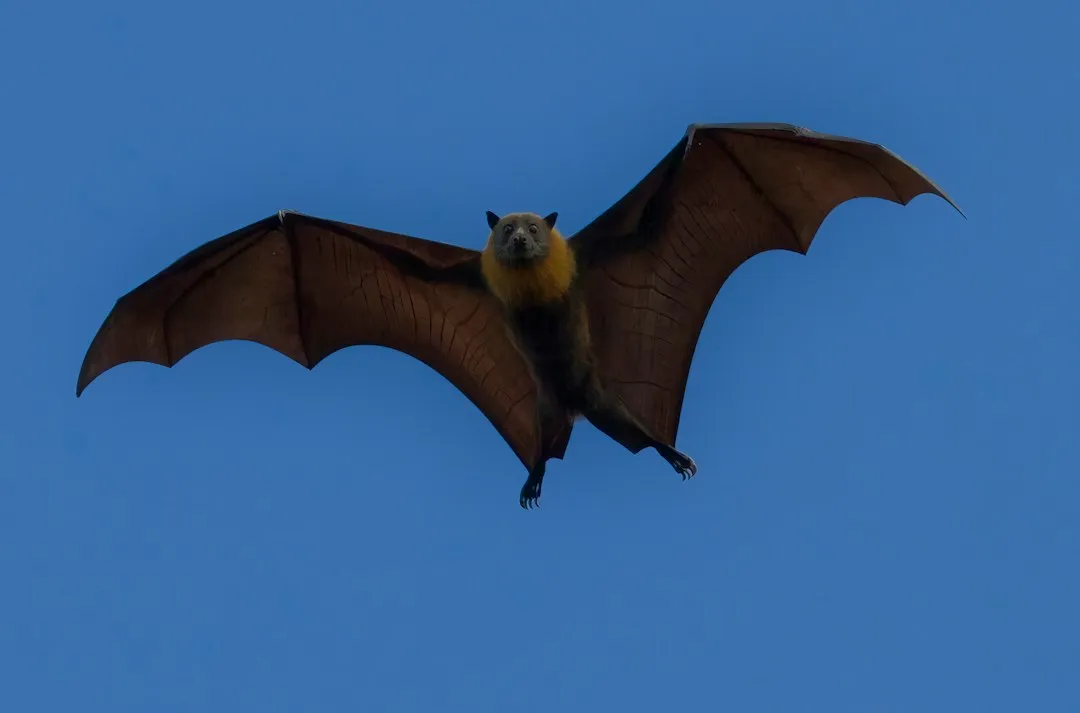
More than five years after a landmark study in the journal Science showed that North American bird populations declined by nearly 30% since 1970, a new report finds that the concerning trend is continuing apace. The 2025 State of the Birds report confirmed that losses are touching the majority of bird groups and habitats. Analysis of nearly 500 bird species across North America found that three-quarters are declining across their ranges, with two-thirds of the total shrinking significantly.
Bats are in a similarly precarious position. The North American State of the Bats Report, published by the North American Bat Conservation Alliance, delivered a startling statistic: 53% of bat species in North America are at risk of extinction. Adding even a seasonal entanglement hazard to that backdrop matters. Bats give U.S. agriculture a $3.7 billion annual boost by gobbling crop-destroying insects, according to the U.S. Geological Survey. Losing them has real consequences beyond conservation.
What Experts Actually Recommend
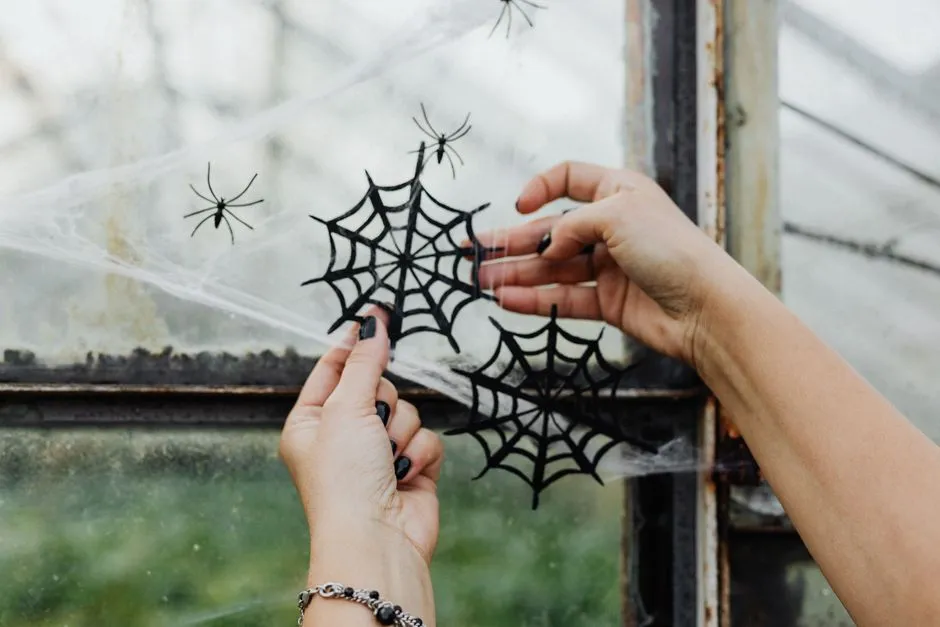
Experts recommend only using artificial webs indoors. Outdoor displays should avoid flight paths, trees and shrubs. If you want the cobweb aesthetic outside, there are safer paths. To get the spiderweb look without the stretchy strands, the best option is a solid web decoration made from rigid plastic or metal. Rope-style webs are safer than stretchy spiderwebbing, but they can still pose an entanglement risk.
If you do use stretchy or rope webbing outdoors, pulling it taut against a solid surface, such as your house, rather than across an open space where an animal could fly or travel through it, reduces the risk. The key principle is simple: keep it off vegetation, shrubs, and any open flight corridor. Thinking about the yard from the perspective of the animals you see in the area, and considering how they may interact with or be impacted by the display, is especially important if you hang bird feeders or have other things that animals may be drawn toward.
What to Do if You Find an Entangled Animal
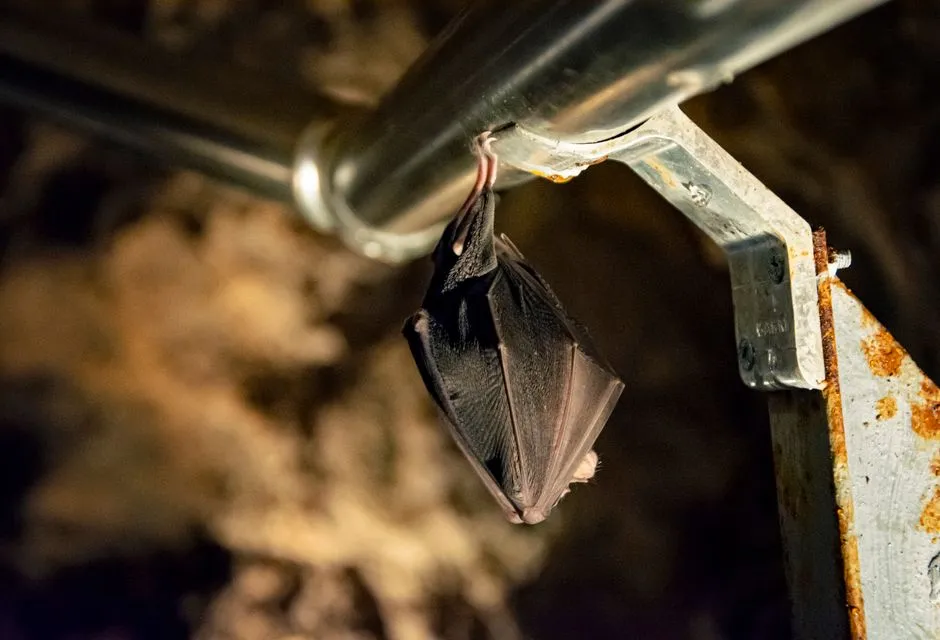
The danger is documented by wildlife rehabilitators, although the overall frequency of entanglements and deaths remains unknown. Anyone finding an entangled animal should contact a licensed rehabilitator rather than try to release it. This is important: pulling at synthetic fibers can tighten them further, causing more harm.
Health officials caution that people should never handle bats with their bare hands, whether the animal is caught in a Halloween decoration or found elsewhere. If you find a bat tangled in artificial webbing, contact a local wildlife rescue organization for guidance rather than attempting to handle it yourself. Speed matters. The Canadian Wildlife Federation notes that animals caught in the synthetic fibers may be unable to free themselves, leaving them vulnerable to predators, exhaustion and starvation. Every hour counts once an animal is ensnared.
The Takeaway
No one puts up Halloween decorations with harmful intentions. That’s precisely what makes this issue so worth raising. Wildlife organizations have seen an increase in animal visits to local rehabilitation centers for injuries related to outdoor holiday decorations. The pattern is clear, even if the full scale of harm is hard to quantify.
A few small adjustments can make a real difference: keep stretchy webbing indoors, skip the hedges and bushes, and take everything down promptly once the holiday passes. The RSPB warns that artificial Halloween cobwebs can entangle birds and other wildlife. The spooky season can still be fun. It just doesn’t have to cost a bat or a songbird its life to get there.
AI Disclaimer: This article was created with the assistance of AI tools and reviewed by a human editor.