

Most people open Facebook Marketplace the same way they scroll their news feed: casually, without a plan. They tap around, spot something interesting, message the seller with a generic “Is this still available?”, and wonder why they rarely land a genuinely great price. The truth is that consistent deal-getters on the platform follow a very specific set of habits, and those habits are repeatable by anyone.
By 2024, Marketplace had grown to 1.2 billion total users, with 1.1 billion of them visiting monthly. That is an enormous pool of sellers, which means competition among buyers is real. Knowing how to move smarter than the crowd makes a real, measurable difference.
1. Browse Early and Set Saved Searches

The way that you message a seller when buying on Facebook Marketplace can make a big difference in whether the seller decides to sell to you, because sellers often receive many messages in a short amount of time after listing an item. Getting there first is half the battle. The platform’s saved search and alert feature lets you set keyword notifications so that fresh listings reach you the moment they go live.
Sellers who are motivated to move an item quickly often price it most aggressively in the first few hours. Responding within minutes, rather than days, positions you as the easiest, most reliable buyer in the thread. That perception alone can win you the deal before negotiation even begins.
2. Research Comparable Prices Before You Message
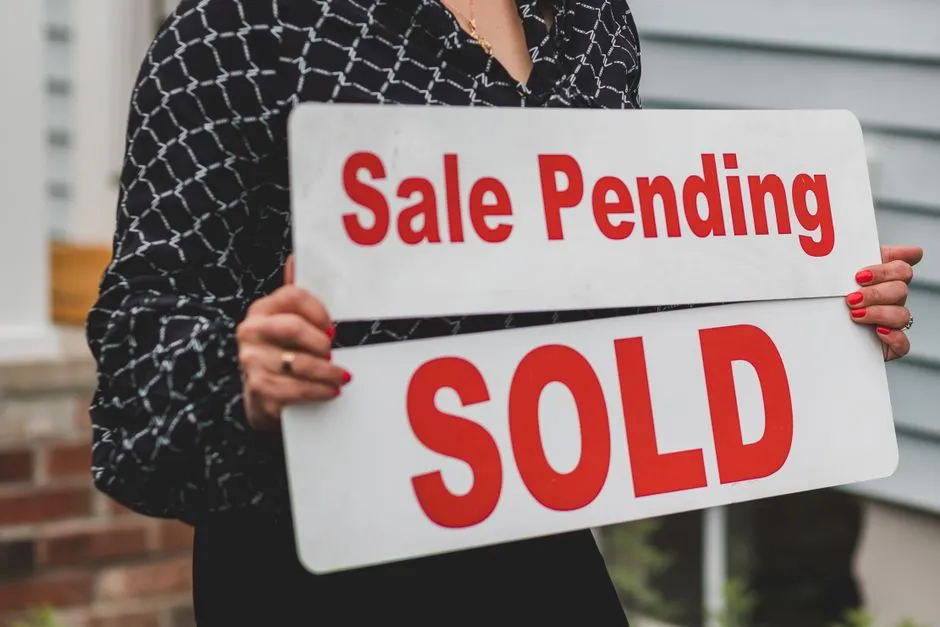
Doing your homework by checking prices for similar items ensures your offer is reasonable, and a good rule of thumb is to ask for about ten to twenty percent off the asking price. Showing up without that knowledge puts you at an immediate disadvantage. A seller who senses you have no frame of reference is unlikely to feel any pressure to budge.
Spend five minutes searching the same item on eBay sold listings, which show actual transaction prices rather than wishful asking prices. That data gives your offer credibility. When you can say, politely, that similar items have sold for a certain range, the conversation shifts from haggling to an informed discussion.
3. Write a Personal Opening Message, Not a Generic One

One way to let a seller know that you are serious about wanting to purchase an item is to start the conversation with your own message, rather than using the generic messages that Facebook Messenger automatically populates, and instead write your own message letting the seller know you are interested. This one small adjustment separates you from the wave of one-tap inquiries a seller typically receives.
A short, warm, specific message signals that you actually looked at the listing. Mention the item by name, confirm the detail that matters to you, and state your availability. Three sentences is enough. Sellers are people, and people respond better to people.
4. Offer to Pick Up Quickly

Sellers often appreciate a quick and easy transaction, so mentioning that you can pick up the item immediately can sweeten the deal considerably. For most private sellers, the goal is to clear the item from their home, not to maximize every dollar. Speed and simplicity are worth real money to them.
The core of an effective negotiation approach involves expressing interest in the item and then following up with a specific, lower offer and a proposed quick pickup time. Pairing a fair offer with an immediate pickup window creates the ideal conditions for a fast yes. The seller avoids the risk of a no-show and gets the deal done today.
5. Aim for the Right Discount Range

The negotiator typically aims for twenty to thirty percent below the listing price, unless the item is highly sought after. That range is wide enough to create real savings while remaining respectful enough that most sellers won’t simply close the chat. Going lower than that, especially on items in good condition, risks coming across as insulting and ending the conversation entirely.
The category matters too. Furniture, clothing and accessories, and electronics remain the most popular categories on Facebook Marketplace in 2025. In high-volume categories with plenty of competing listings, sellers tend to have less leverage, and your discount window widens accordingly. In niche or low-supply categories, that same aggressive offer might not land.
6. Keep the Negotiation Concise

Keeping communication concise is vital, and the goal is to send one, or at most two, messages, because excessive back-and-forth can lead to losing the item. Long negotiation threads create doubt. The seller starts wondering if you’re a serious buyer or just a chronic haggler who will find a reason not to follow through.
State your offer, explain it briefly if helpful, and give the seller room to respond. If they counter, decide quickly whether to accept or walk away. The seller might say yes, no, or respond with a counter offer, and it’s up to you whether you want to accept the counter or keep bartering. Indecision on your end rarely helps your position.
7. Check the Seller’s Profile and Ratings

Marketplace facilitates over three billion buyer-seller connections every month, powered by Facebook’s messaging system. With that kind of volume, not every listing is what it appears to be. Before you invest time in a negotiation, check the seller’s profile: how long they’ve been on Facebook, whether they have reviews, and whether their other listings look consistent and credible.
A seller with a strong rating history is far more likely to follow through on an agreed price at pickup, and far less likely to be running a scam. The five seconds it takes to check a profile can save a wasted trip across town. It also tells you whether you’re dealing with a regular reseller or a first-time private seller, which affects how much flexibility they usually have.
8. Use Timing to Your Advantage

Listings that have been sitting for a week or more are your best friend. When you see a post marked “listed 8 days ago” with no sold badge, the seller has likely already lowered their expectations. They’ve watched potential buyers come and go, and the item is still in their living room. That’s when even a modest offer can feel like relief to them.
Around one in four Facebook users between the ages of eighteen and thirty-four use Facebook Marketplace daily, while about eighteen percent of users aged thirty-five to forty-four shop daily as well. Weekend mornings and Sunday evenings tend to draw the most seller activity. Browsing on a weekday, when fewer buyers are active, can give you a quieter lane and a seller who’s more willing to deal.
9. Understand the Cost Structure Before You Commit

Local transactions are still free, but shipped orders now incur a ten percent selling fee with a minimum of eighty cents, a change introduced in 2024 that helps Meta cover payment processing, buyer protection, and logistics. Knowing this helps you understand why sellers of lower-value items often strongly prefer local pickup. That preference is leverage you can use.
For a seller listing a thirty-dollar item with shipping, the fee cuts into their margin noticeably. Offering to pick up locally, even if the listing mentions shipping, removes that friction entirely. Marketplace’s minimal cost structure makes it ideal for individuals and small sellers testing the waters, and with instant access to Facebook’s user base, they can reach more people faster. That accessibility means individual sellers often have more negotiating flexibility than a structured retail operation would.
10. Build a Reputation as a Reliable Buyer

Facebook Marketplace is not a fully anonymous platform. Your profile is attached to every message you send, and sellers notice. Buyers who show up when they say they will, pay agreed prices without last-minute haggling in person, and leave honest reviews quietly build a reputation that works in their favor over time.
When purchasing on Facebook, the vast majority of buyers prefer Marketplace over Facebook Shops or Messenger, confirming the uncontested dominance of Marketplace as a shopping avenue on the platform. With so many transactions flowing through the platform, sellers who’ve had frustrating experiences with flaky buyers actively look for signals of reliability. A complete, genuine-looking profile and a track record of positive interactions can be the tiebreaker when two people message about the same item at the same time.
One-third of users in the U.S. and globally rely on Marketplace as their default local buy and sell source. The buyers who consistently get the best deals aren’t lucky. They’re prepared, they’re respectful, and they show up. That combination is rarer than it should be, which is exactly why it works.
The Takeaway

Facebook Marketplace rewards a particular kind of patience: not the passive kind, where you wait and hope, but the active kind, where you monitor, research, and position yourself well before you ever send a single message. The platform is genuinely one of the most accessible deal-finding tools available to everyday shoppers in 2026, and it doesn’t require any special skill.
The habit that separates consistent deal-finders from everyone else is simply preparation. Know the market price, respond fast, be easy to deal with, and keep the conversation human. That combination, more than any clever script or tactic, is what actually moves the needle.
AI Disclaimer: This article was created with the assistance of AI tools and reviewed by a human editor.