
Methylisothiazolinone: The Preservative Most Parents Have Never Heard Of

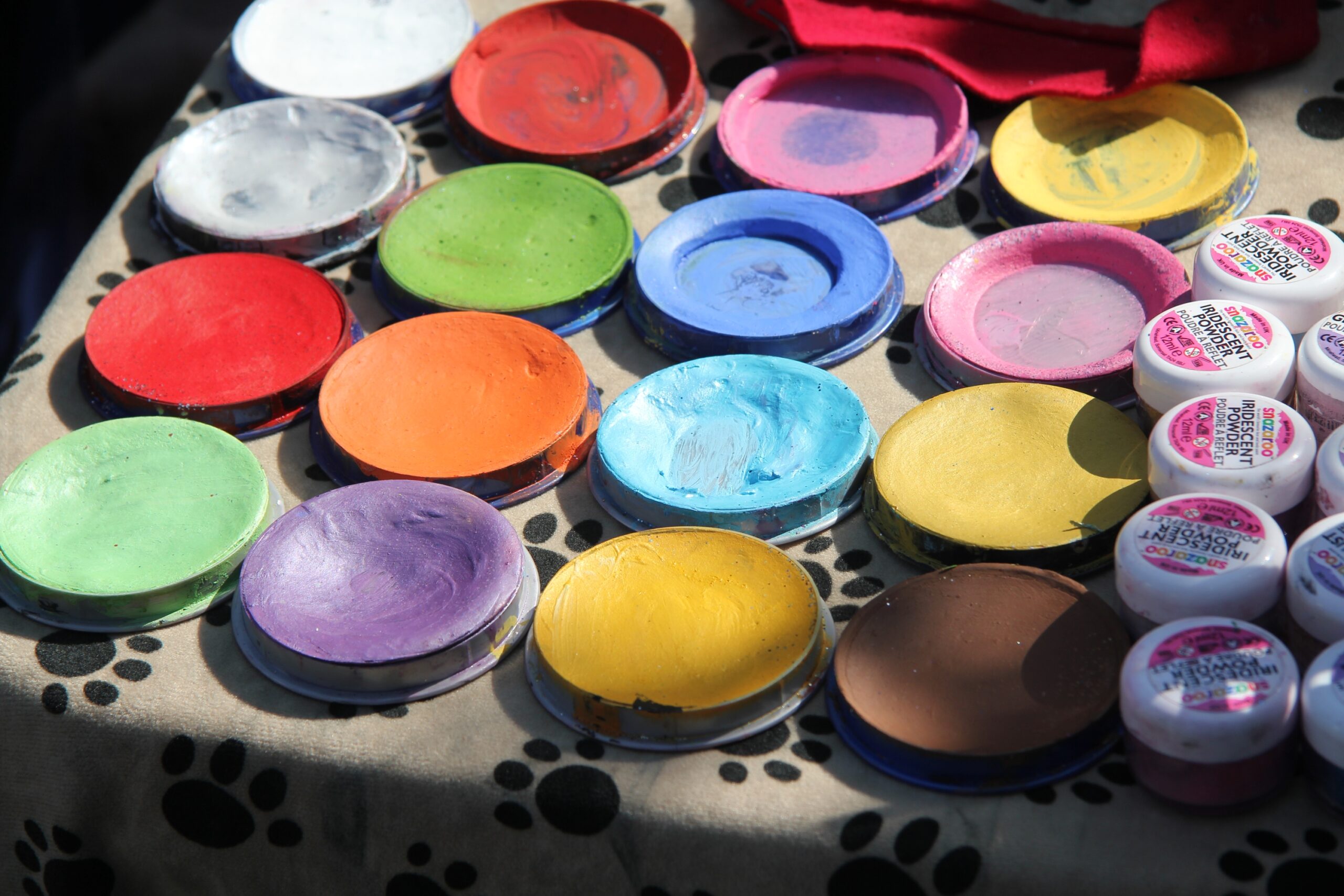
Methylisothiazolinone (MI) and methylchloroisothiazolinone (MCI) are preservatives used in water-based products, including many face paints. They prevent mold and bacterial growth in the formula, which sounds helpful, until you realize what they do to certain skin types.
These preservatives caused a genuine epidemic of contact allergy in North America that peaked around 2017 and 2018. The reaction is not just a mild flush. It can produce significant dermatitis that is difficult to resolve once it takes hold.
The 2019 to 2020 North American Contact Dermatitis Group report found that the MI patch-test positivity rate was 13.8%, second only to nickel, with high clinical relevance. For a preservative hidden in a children’s product, that figure is striking.
Lead: Still Showing Up Where It Shouldn’t
In 2014, the U.S. Food and Drug Administration tested 10 face paints for heavy metal contamination and detected lead in all 10 samples. This wasn’t a fringe study. It was a direct federal finding.
Lead exposure at extremely low doses can impair brain development and irreversibly lower a child’s IQ, cause learning and behavior problems, damage hearing, and slow growth. There is no corrective threshold once neurological damage occurs.
Manufacturers don’t list these heavy metals on the package because they’re unwanted byproducts, not actual ingredients, making it difficult for parents to know whether the face paint is safe. The label gives no warning because there’s nothing deliberate to disclose.
Arsenic, Nickel, and Cobalt: The Hidden Heavy Metal Cluster
Each of the 10 face paint samples tested by the FDA also contained nickel, cobalt, and chromium, all heavy metals that can cause skin allergies, and nine of the 10 contained arsenic. That is a remarkably consistent pattern across an entire batch of commercial products.
In one study by the Breast Cancer Fund, twenty-one of the paints tested positive for at least one heavy metal chemical, and some had as many as four. They also found that the darker the paint, the higher the concentration of heavy metals. So the deep blacks and rich reds often used for dramatic Halloween looks carry the greatest risk.
These toxic metals can contaminate face paint when manufacturers use low-quality mineral ingredients that were not tested before use. It is a supply chain problem, not always a formulation intent, but the effect on the skin is the same either way.
Fragrance: A Single Word That Can Mean Dozens of Chemicals

When shopping for items for a child’s costume, parents should read product labels and avoid those that list the mystery blend of chemicals simply called “fragrance,” since fragrance mixtures may contain various scent chemicals linked to skin allergies, dermatitis, and endocrine disruption.
There is no standard or definition for the term “hypoallergenic,” which means a product can carry that reassuring label while still containing fragrance compounds that trigger reactions in sensitive children.
Often a composite of dozens of undisclosed chemicals, “fragrance” usually contains phthalates that are hormone disruptors, among other potentially dangerous chemicals. The word sounds benign. The chemistry behind it frequently isn’t.
Formaldehyde-Releasing Preservatives
Formaldehyde is a volatile organic compound and is the most commonly used preservative in children’s paints. It can cause respiratory problems, skin irritation, and has been classified as a known human carcinogen.
Parabens and phthalates are common preservatives that can interfere with hormones, while formaldehyde-releasing preservatives can trigger allergic reactions, skin irritation, and have been classified as possible carcinogens. Both categories frequently appear together in lower-cost formulas.
Formaldehyde and parabens are associated with cancer, endocrine disruption, and developmental problems. Given that children wear face paint for extended periods, the exposure window is far longer than a typical rinse-off product.
Why Children’s Skin Absorbs More
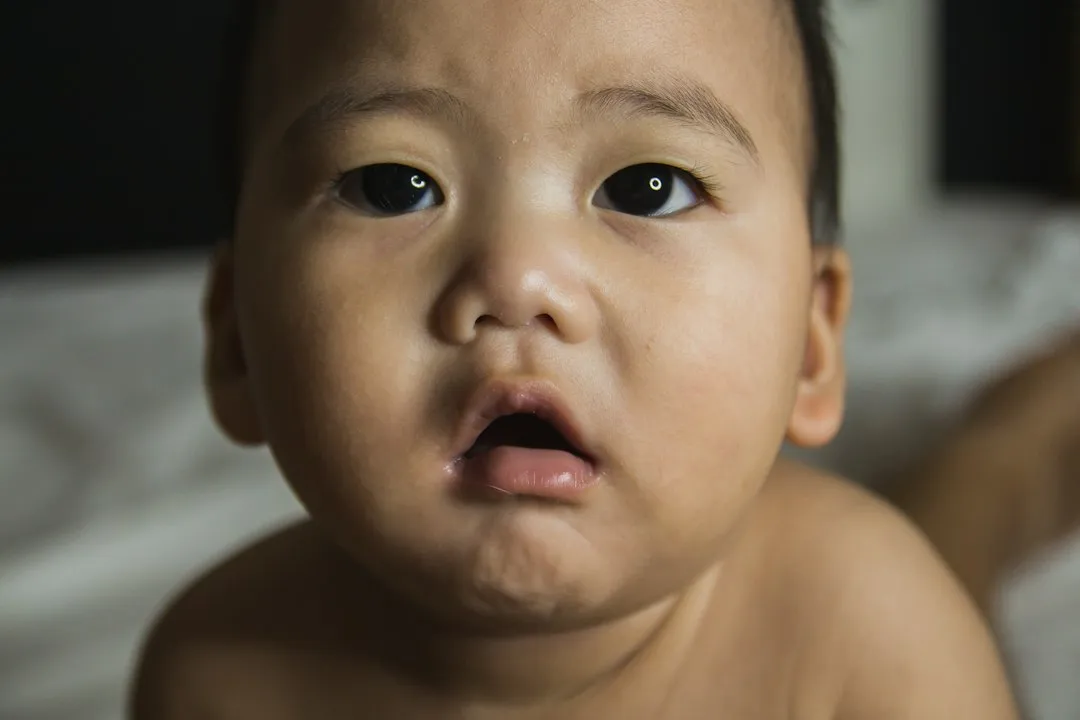
Children’s skin is thinner and more permeable than adults’, allowing for greater dermal absorption of chemicals. Prolonged skin contact with face paints increases the amount of toxins that can enter their bloodstream.
Children are particularly vulnerable to toxins because of their small size, higher metabolisms, and immature immune systems. A dose that causes only mild irritation in an adult can have a disproportionately greater impact on a child’s developing body.
Their skin barrier is thinner, they are far more likely to rub their eyes and mouth while wearing makeup, and a child with eczema already has a compromised barrier that lets allergens penetrate more readily. Eczema-prone kids, in particular, deserve extra care before any face paint goes on.
The Ingestion Risk Parents Rarely Consider
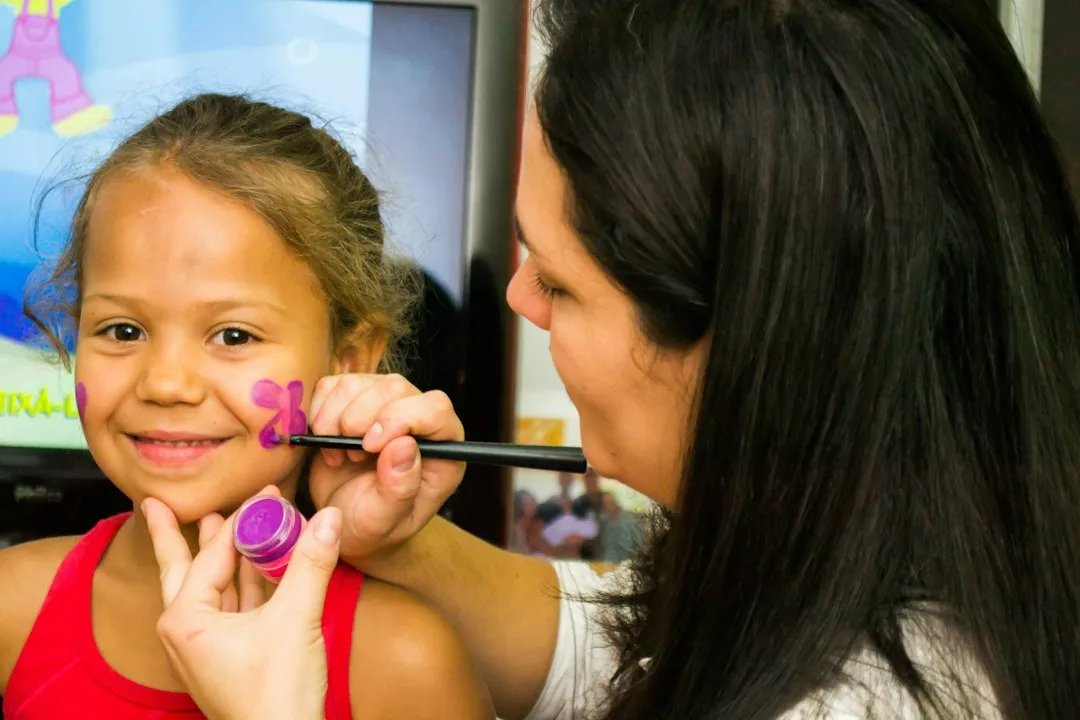
Kids often touch their faces and mouths, increasing the risk of ingesting face paint. Younger children are particularly prone to this behavior, and even small amounts of ingested toxins can be harmful to their developing bodies.
Children can ingest these metals when they apply makeup to their lips, touch their faces, and then their mouths. It happens constantly and almost entirely unnoticed, especially during long events where the paint has been refreshed more than once.
The sensitive eye area and mouth should be avoided during application. Kids tend to swallow products applied to lips, so it’s best to keep lips bare or use a product verified through a reputable safety database.
The Problem with “Non-Toxic” Labels
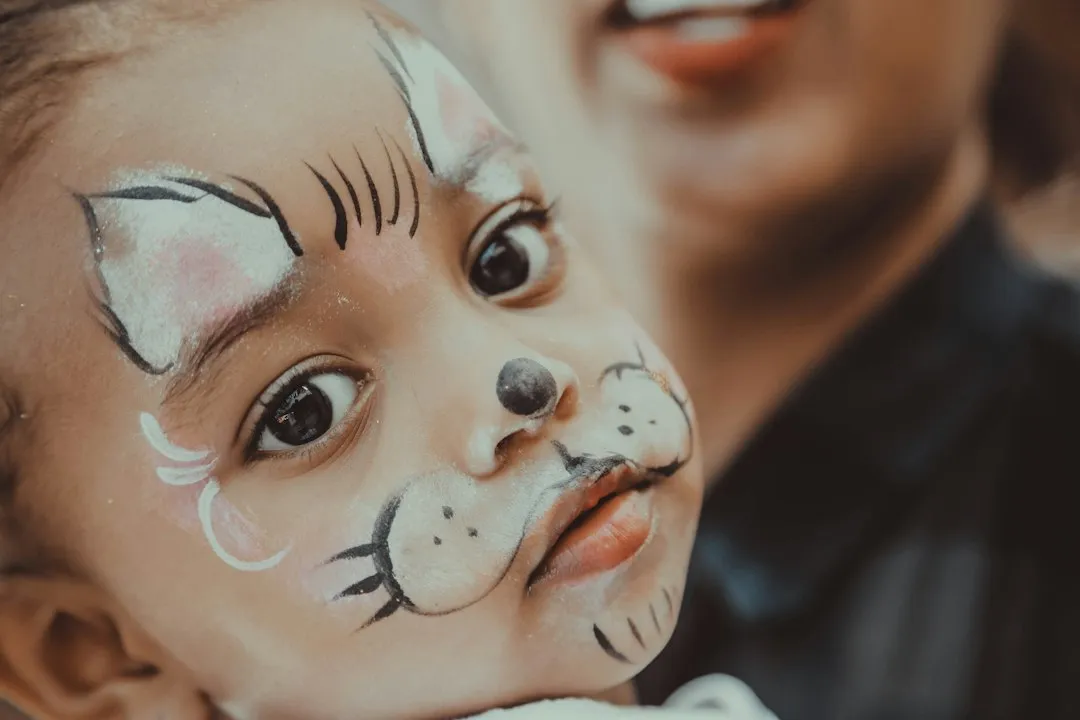
“Non-toxic” can simply mean “not poisonous if ingested,” which doesn’t guarantee skin safety. That distinction is important and is not explained anywhere on most product packaging sold to families.
Studies have shown that even face paints labeled as “safe,” “FDA-approved,” “hypoallergenic,” or “non-toxic” may contain heavy metals such as lead, nickel, cobalt, and chromium. The marketing language and the ingredient reality can be completely disconnected.
Products marketed as “gentle,” “sensitive,” “organic,” or “hypoallergenic” often contained MI, emphasizing the importance of consumer scrutiny of product choices. Trusting a label without reading the full ingredient list is a risk no parent needs to take.
How to Patch Test Properly
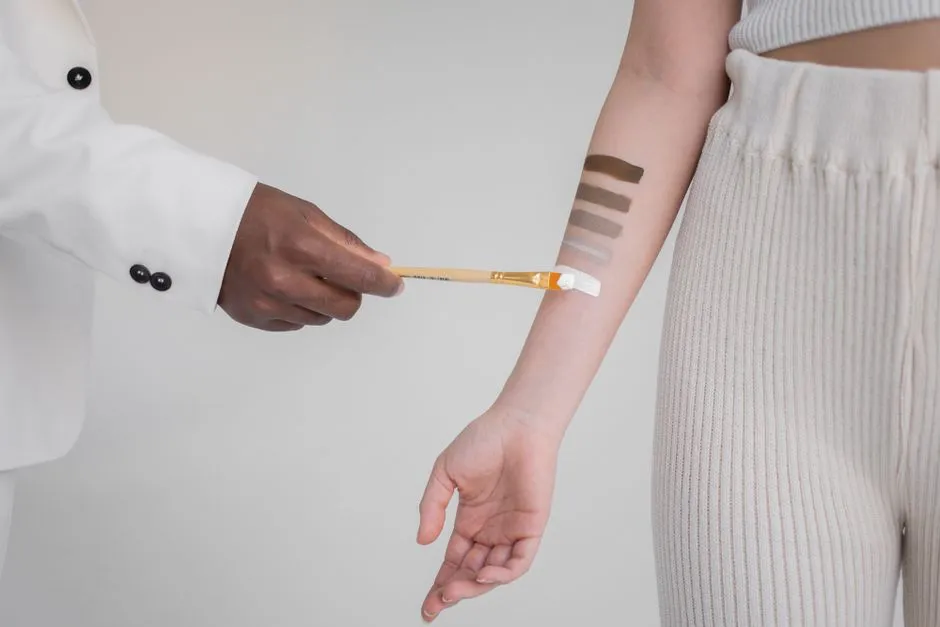
Before committing to a particular look, smear a little face paint on your child’s forearm to test for allergic reactions. If you see redness, swelling, or irritation, keep the paint off their face. A simple forearm test takes about 24 hours to be meaningful.
Children with eczema can usually tolerate quality face paint, but it’s important to avoid painting over active flare-ups or broken skin. Stick to areas where skin is currently healthy, and always do a patch test first.
Powdered face paints can easily become airborne, making them easy to inhale. Children’s higher respiratory rates mean they can inhale more of these toxins relative to their body weight, potentially leading to respiratory irritation and other health issues. Spray or powder formats deserve particular caution.
What Certifications and Ingredients to Look For
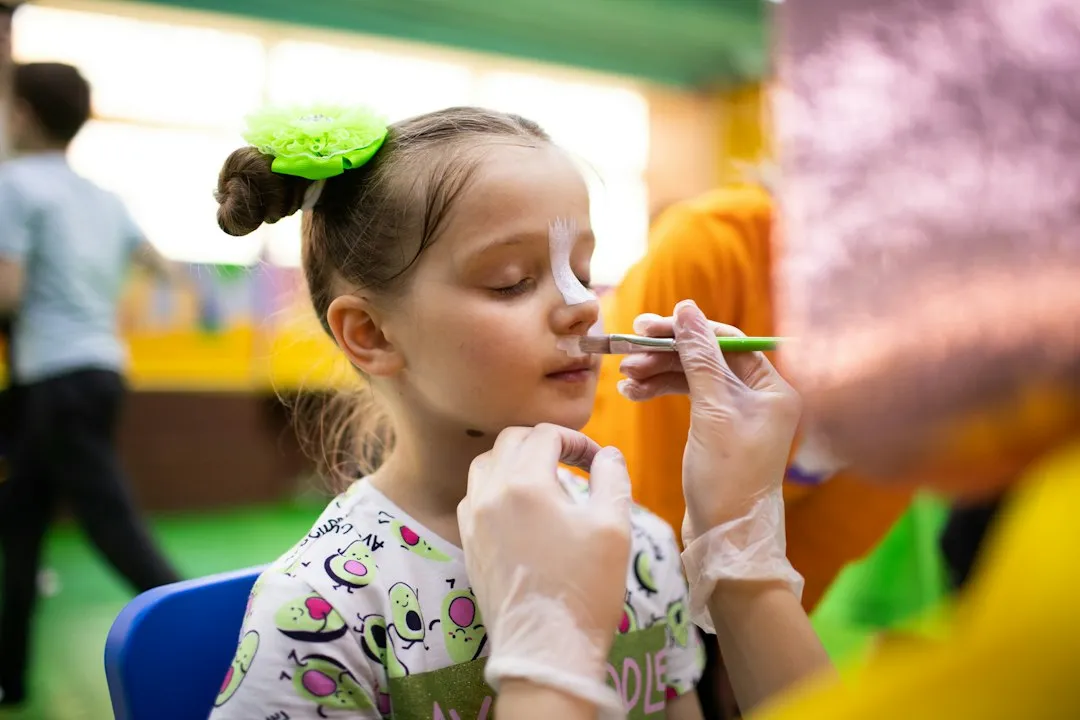
For true safety with face paint for kids, it helps to look for specific certifications. The ASTM D-4236 standard in the USA signifies that the product’s ingredients have been professionally evaluated for potential hazards. The EU’s CE EN-71 standard applies similar scrutiny under toy safety regulations.
Titanium oxide and zinc oxide are commonly found in Halloween face paints and are considered safe when they have not been micronized into nanoparticles. When choosing mineral-based face paints, look for the words “no nanoparticles” or “not micronized” on the label.
Professional-grade face paints are typically water-based, non-toxic and FDA compliant, hypoallergenic and dermatologically tested, free from harmful chemicals, and designed specifically for use on skin. These markers are a reasonable baseline when comparing products before purchase.
The Takeaway

The evidence is consistent: face paint can carry a meaningful set of risks for children, particularly from heavy metals, MI preservatives, fragrances, and formaldehyde-releasing compounds. The risks are not hypothetical. They have been documented by the FDA, the Campaign for Safe Cosmetics, the Environmental Working Group, and peer-reviewed dermatology research spanning more than a decade.
The good news is that safer options genuinely exist. Reading for ingredients such as “fragrance,” “parfum,” methylisothiazolinone, methylchloroisothiazolinone, and p-phenylenediamine and avoiding them is a practical step any parent can take in under two minutes at a store or online. A patch test adds another layer of protection before the whole face gets painted.
One careful read of an ingredient list is a small investment for something children may wear for an entire afternoon. The label won’t always warn you. That’s exactly why it’s worth looking.
AI Disclaimer: This article was created with the assistance of AI tools and reviewed by a human editor.