

What Normal Eye Discharge Actually Looks Like
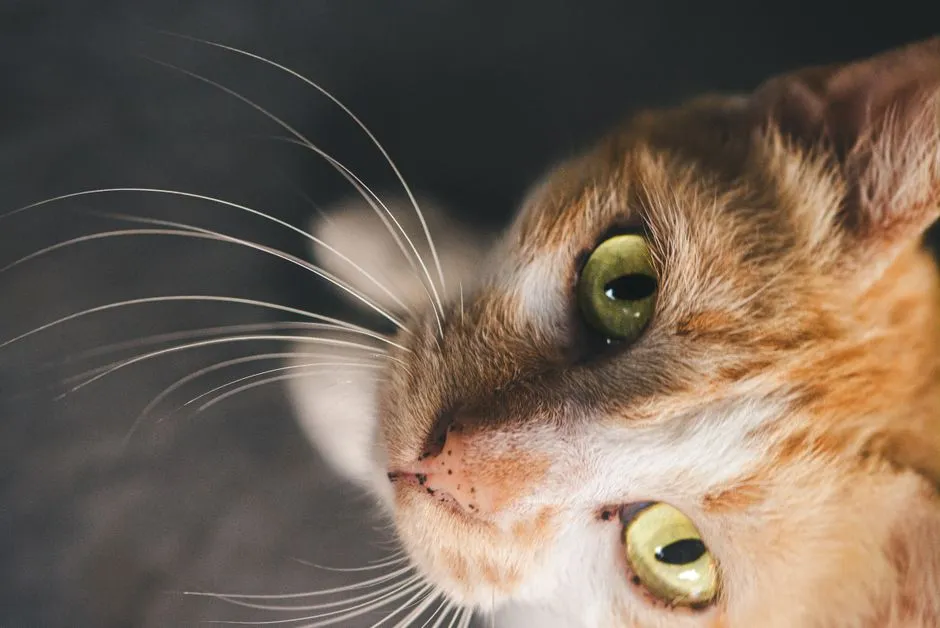
Small clear or reddish-brown flecks in the corners of a cat’s eyes after sleep, with the cat remaining comfortable, are considered routine and can simply be wiped away. This kind of minimal crusting is the feline equivalent of sleep in a human’s eye. It forms when mucus and debris dry overnight while blinking stops.
If your cat has white fur, tear stains may appear pink or reddish-brown due to pigments in their tears. That discoloration alone is not a warning sign. What matters more is whether the discharge is increasing, changing texture, or causing visible discomfort to the cat.
Yellow or Green Discharge: The Infection Signal
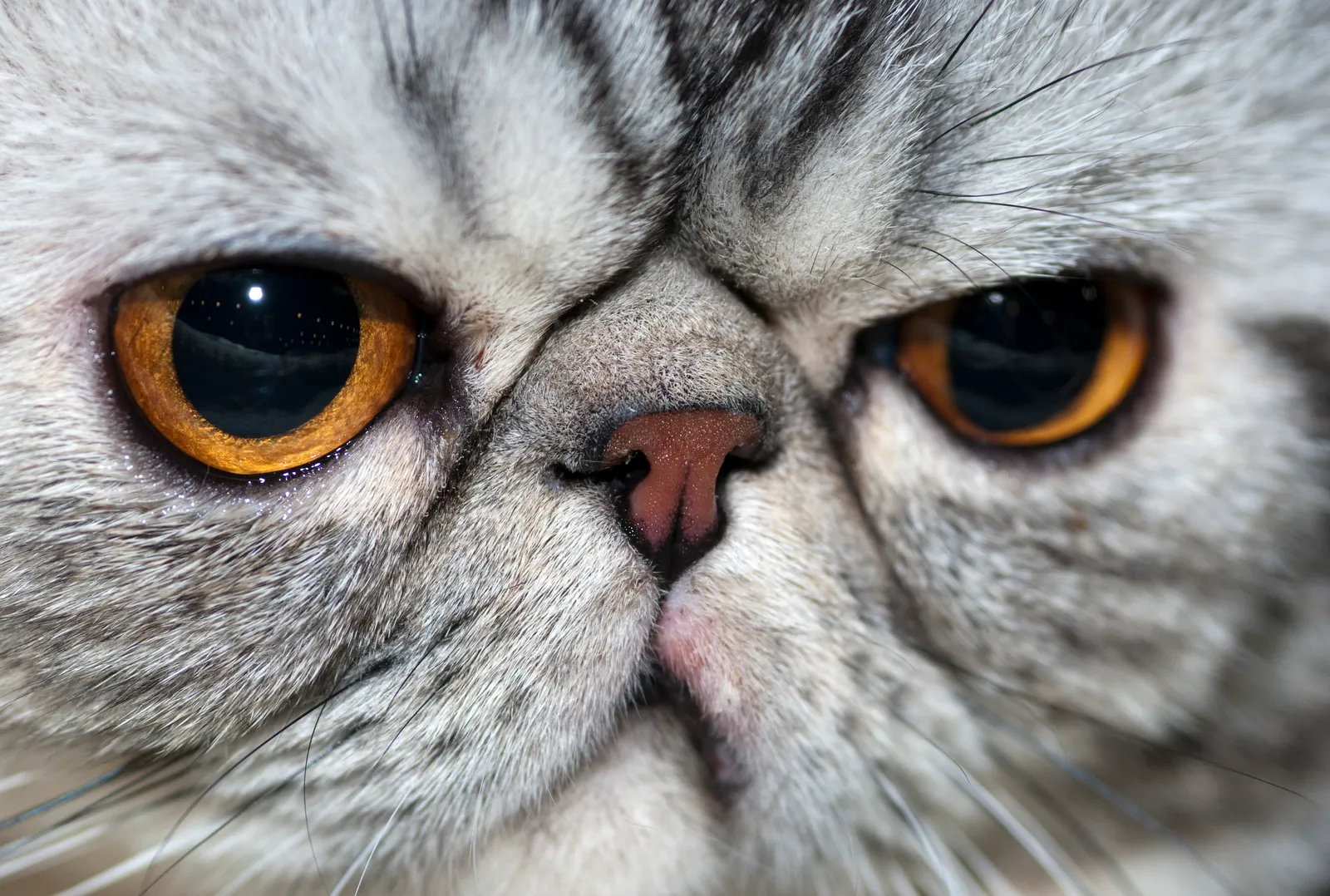
Eye discharge from an infection is usually yellow or green and is typically thicker or sticky. This kind of discharge almost always warrants a vet visit rather than watchful waiting. It tells you the immune system is actively fighting something, whether bacterial, viral, or a combination of both.
If the discharge is yellow, green, or white, it might indicate an infection or a more serious condition that needs veterinary attention. The same applies to discharge that keeps returning even after you clean it away. Recurrence within the same day is a meaningful pattern.
Feline Herpesvirus: The Most Common Culprit
Feline herpesvirus type 1 is a highly contagious virus that causes upper respiratory infections and eye disease in cats, and it is one of the most common causes of feline conjunctivitis worldwide. What makes this virus particularly difficult to manage is its persistence. Once a cat is infected, the virus stays.
In some areas of the world, 97% of cats have been exposed to the virus, and after exposure to feline herpesvirus-1, more than 80% of cats become latently infected for life. Stress, illness, or changes in environment can trigger a flare-up, which is why a cat that seemed perfectly healthy may suddenly develop discharge out of nowhere.
Upper Respiratory Infections and Eye Symptoms Together
Upper respiratory infections, often caused by viruses or bacteria, can lead to eye discharge and are common in cats, especially in multi-cat households or shelters, with symptoms including sneezing, nasal discharge, and eye boogers. When both eyes are involved alongside sneezing and reduced appetite, the picture usually points to cat flu rather than a purely localized eye problem.
Feline herpesvirus, calicivirus, Chlamydia felis, and Mycoplasma can all trigger eye discharge, often alongside sneezing or nasal discharge. Chlamydia felis specifically tends to cause pronounced redness and swelling. It typically causes a thick, mucoid to purulent discharge, significant conjunctival redness and swelling, and is effectively treated with specific antibiotic therapy, usually resolving within weeks.
Conjunctivitis in Cats: Common but Not Always Simple
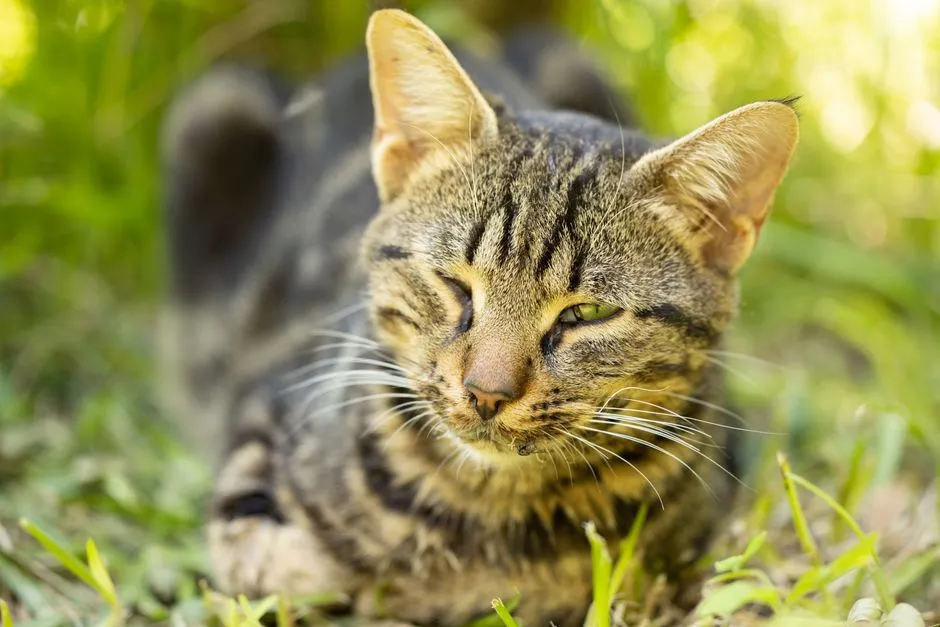
Conjunctivitis, or pink eye, is a common condition in cats that leads to red, inflamed eyes and significant eye discharge, and it requires veterinary treatment to relieve discomfort and prevent further complications. The term “conjunctivitis” covers a range of causes, from viral to bacterial to allergic, so the underlying trigger matters for treatment.
Signs of conjunctivitis in cats include squinting, excessive pinkness or swelling of the tissue, and thick, sticky eye discharge. According to Thomas Kern, DVM, associate professor of ophthalmology at Cornell University’s College of Veterinary Medicine, conjunctivitis in cats can go away by itself without medical intervention, but it usually causes discharge, so cat owners should consult a vet to rule out other ocular diseases.
Corneal Ulcers: When Discharge Becomes Urgent
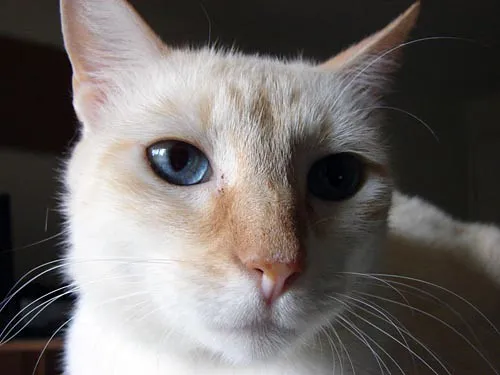
The clinical signs of corneal ulceration include inflammation of the tissue surrounding the cornea, seepage of discharge from the eye, clouding of the cornea, and apparent hypersensitivity to bright light, and an affected cat may squint, rub its eyes, and behave as if it is having vision problems. This is not a wait-and-see situation under any circumstances.
A corneal ulcer causes pain, squinting, excessive tear production, and sometimes a cloudy area on the eye, and is an urgent condition because untreated corneal ulcers can deepen and perforate the eye, causing permanent damage or loss of the eye. Corneal ulcers can deepen within hours, which is why vets consistently emphasize same-day care when this condition is suspected.
Blocked Tear Ducts and Breed-Related Discharge
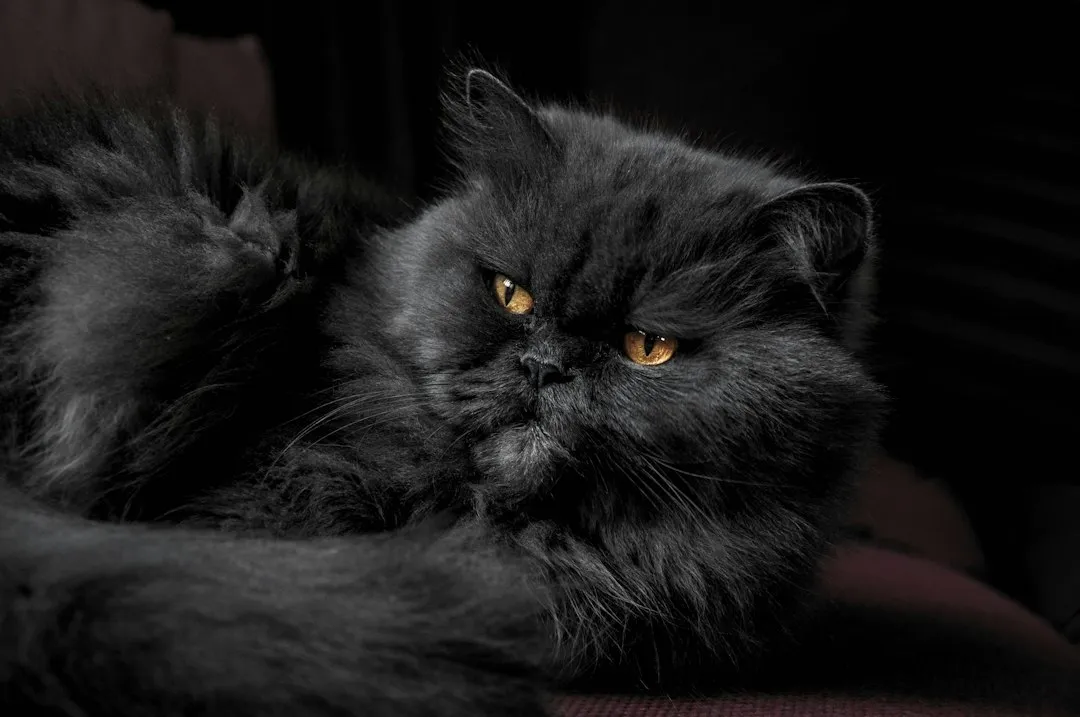
When tear ducts are blocked, tears can overflow and cause eye discharge. This is particularly common in flat-faced breeds. Brachycephalic cats such as Persians are predisposed to having chronic ocular discharge due to the compressed structure of their facial anatomy, which forces tears to spill outward rather than draining normally.
Eyelid abnormalities can cause discharge because they create constant mechanical contact with the eye surface, leaving the eye exposed, which leads to dryness, discharge, and chronic irritation. Owners of Persian, Himalayan, or Exotic Shorthair cats will often find that some degree of daily eye cleaning simply becomes part of routine care.
Glaucoma and Uveitis: The Serious End of the Spectrum
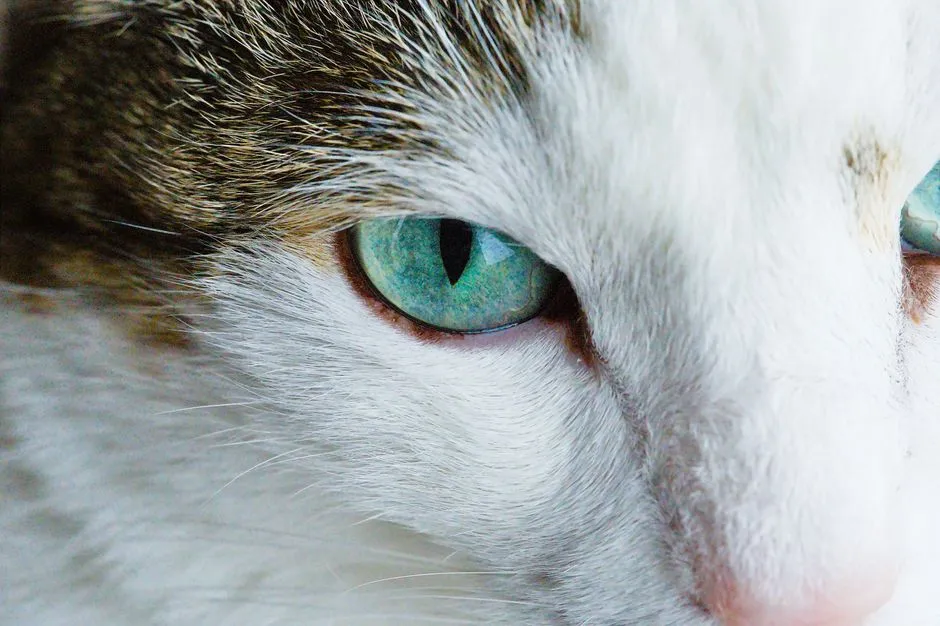
Glaucoma is technically a group of eye conditions, all damaging the optic nerve and leading to gradual vision loss when left untreated, and in cats it is a serious issue typically characterized by increased pressure within the eye, leading to pain, vision loss, and potential blindness. Eye discharge in this context is just one piece of a more alarming picture.
Glaucoma in cats causes acute cloudiness and pain and can cause rapid, permanent vision loss, and any sudden change in eye appearance combined with apparent pain is an ophthalmic emergency. If left untreated, uveitis can lead to glaucoma, cataracts, or blindness. Both conditions require same-day veterinary attention without exception.
Reading the Warning Signs: When to Act Immediately
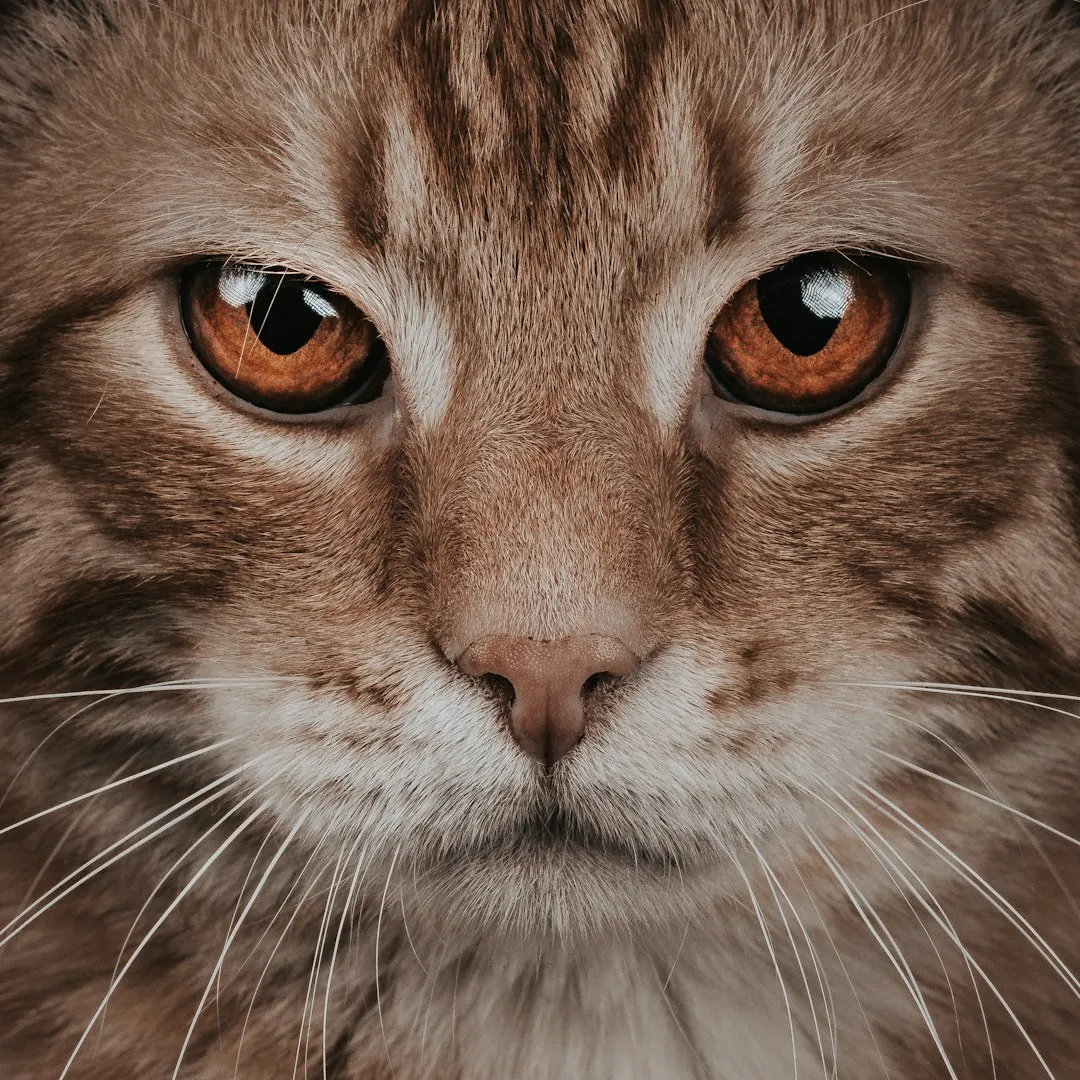
A suspected cat eye infection should be treated as an emergency, as symptoms like redness, swelling, discharge, squinting, pawing at the eye, or light sensitivity can signal conditions such as conjunctivitis, corneal ulcers, uveitis, or glaucoma, all of which can worsen within hours and threaten a cat’s vision.
Signs of eye pain that warrant same-day vet attention include squinting or keeping the eye closed, obvious cloudiness or opacity to the cornea, excessive tearing from one eye, pawing at the face or eye, and blue or red discolouration of the eye. Discharge coming from only one eye is also notable. Unilateral discharge with pain suggests a localised eye problem such as a corneal ulcer, foreign body, or glaucoma, and needs prompt assessment.
How Vets Diagnose the Underlying Cause
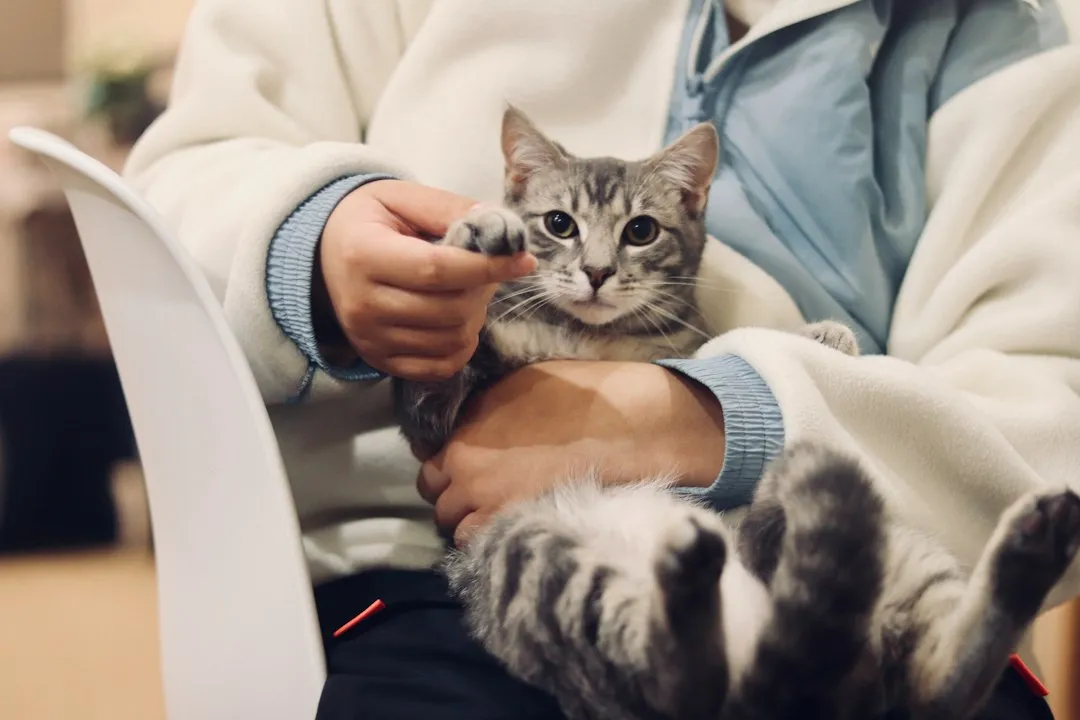
A vet may measure tear production and eye pressure, especially if dry eye, glaucoma, or uveitis is a concern. The diagnostic process is not just a visual check. Staining the eye is a key step when a corneal ulcer is suspected.
A tentative diagnosis of an ulcer will typically be confirmed by means of a test using eye drops containing a dye called fluorescein. If an ulcer is present, the dye will bind to any damaged tissue, leaving a clearly visible greenish coloration on the ulcerated area. From there, treatment depends entirely on the underlying cause, ranging from antiviral medications and topical antibiotics to surgery for structural problems.
The Takeaway
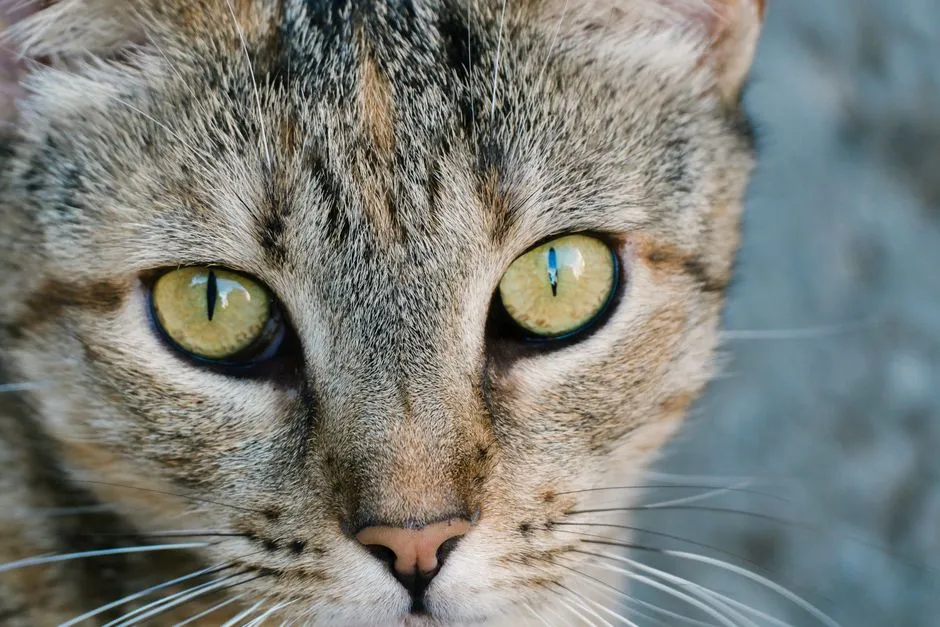
A cat’s eyes are remarkably expressive, and discharge is one of the clearest ways those eyes communicate that something is off. Eye discharge can happen for many reasons, including conjunctivitis, herpesvirus flare-ups, upper respiratory infections, corneal ulcers, irritants, allergies, eyelid problems, blocked tear drainage, glaucoma, or uveitis, and because some of these are much more serious than others, visible discharge is a good reason to have a cat evaluated if it persists or comes with redness, squinting, or discomfort.
The honest rule of thumb is straightforward: clear, minimal crusting after sleep in a comfortable cat is usually fine. Anything colored, sticky, worsening, or paired with squinting or pain deserves a phone call to the vet that same day. Catching the more serious causes early is almost always the difference between a smooth recovery and a long, difficult one.
AI Disclaimer: This article was created with the assistance of AI tools and reviewed by a human editor.