
1. Nitroglycerin: The Heart Drug That Degrades Faster Than Almost Anything Else
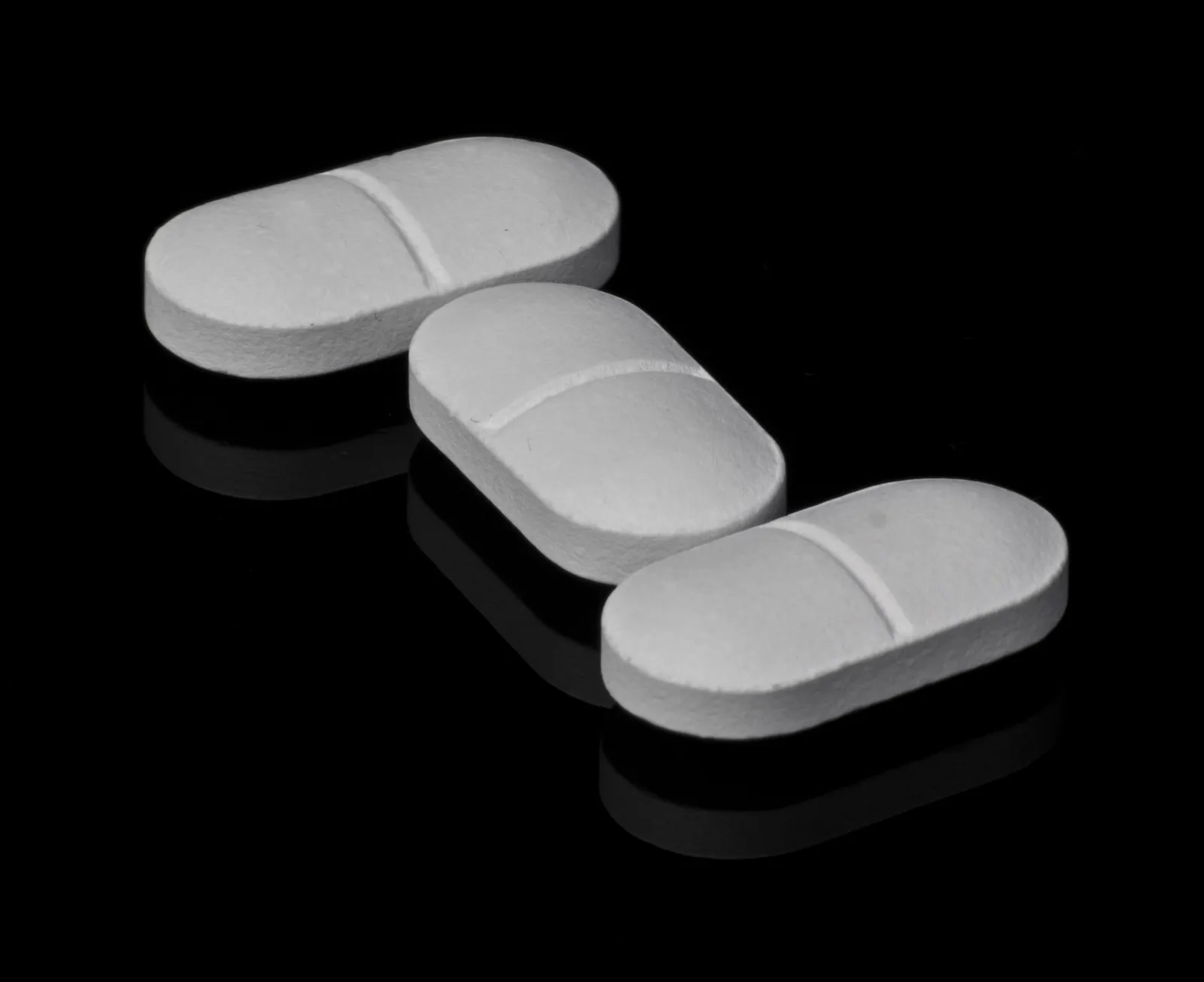
Nitroglycerin tablets for angina are notoriously unstable. They are sensitive to light, heat, moisture, and even air exposure, which is why they must be stored in their original dark glass bottle. Nitroglycerin tablets lose potency relatively rapidly even under correct storage conditions.
For a patient with coronary artery disease who depends on nitroglycerin for acute angina relief, using expired or improperly stored nitroglycerin that has lost significant potency is a genuine safety concern. Nitroglycerin should be replaced regularly according to the expiration date.
Nitroglycerin, commonly prescribed for heart-related chest pain, is highly unstable. Once expired, it loses its potency rapidly. This isn’t a case of gradual, mild decline. It’s one of the most time-sensitive drugs in any medicine cabinet, and the moment it fails is typically the worst possible moment for it to do so.
2. Insulin: When Structural Breakdown Becomes a Blood Sugar Crisis
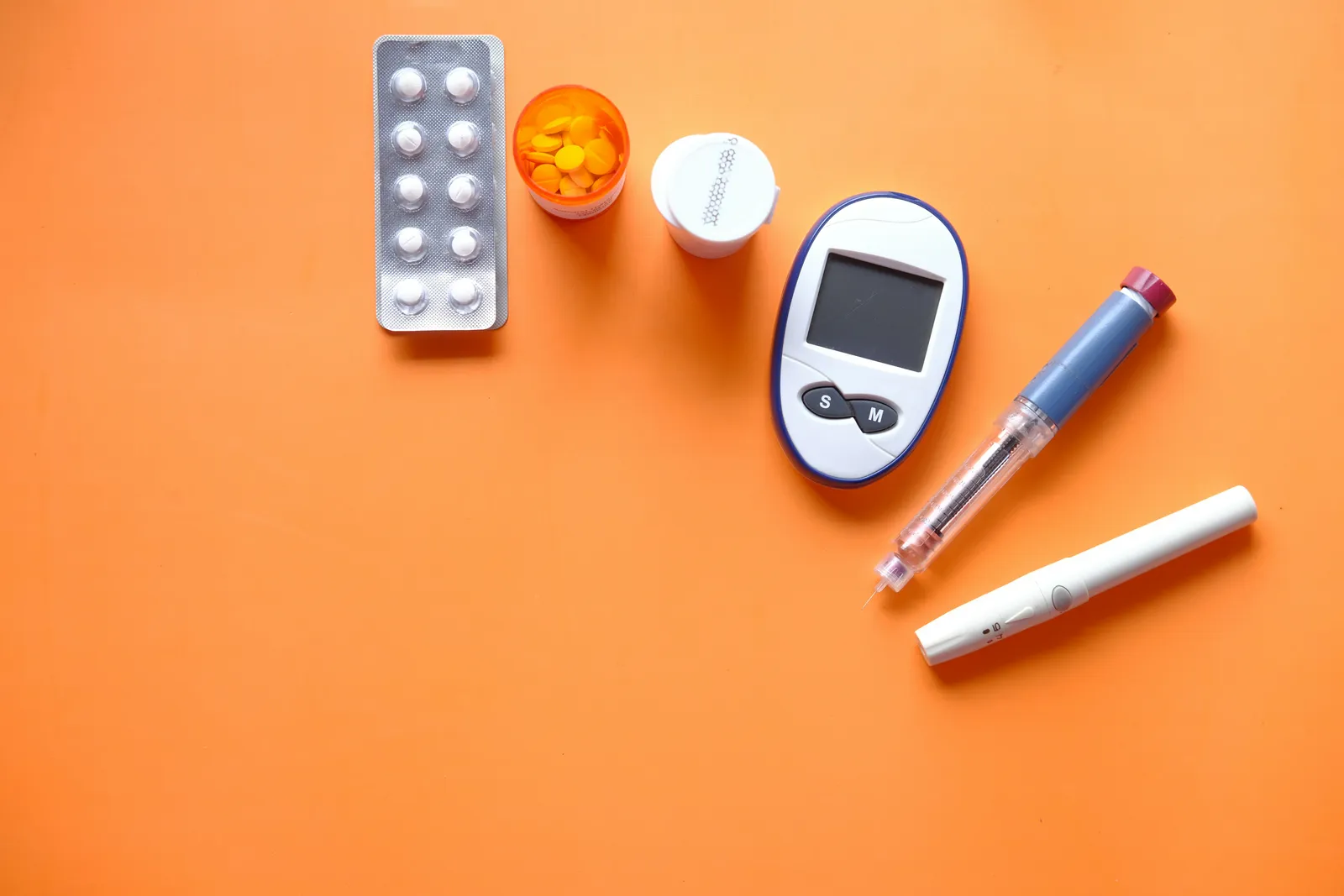
When insulin breaks down, it undergoes structural changes, causing it to become less effective in reducing blood sugar level. Using expired insulin is dangerous for people with diabetes.
If blood sugar levels are not lowered effectively, this may also lead to serious complications such as diabetic ketoacidosis. That’s not a theoretical outcome. Diabetic ketoacidosis can be life-threatening and may require emergency hospitalization.
A medication that doesn’t work as it should can put your health at risk, especially if you rely on it for a serious condition, like insulin for diabetes or nitroglycerin for chest pain. Insulin is the clearest example of a drug where there is no acceptable margin of error.
3. EpiPens: The Emergency Injector That May Not Deliver Enough
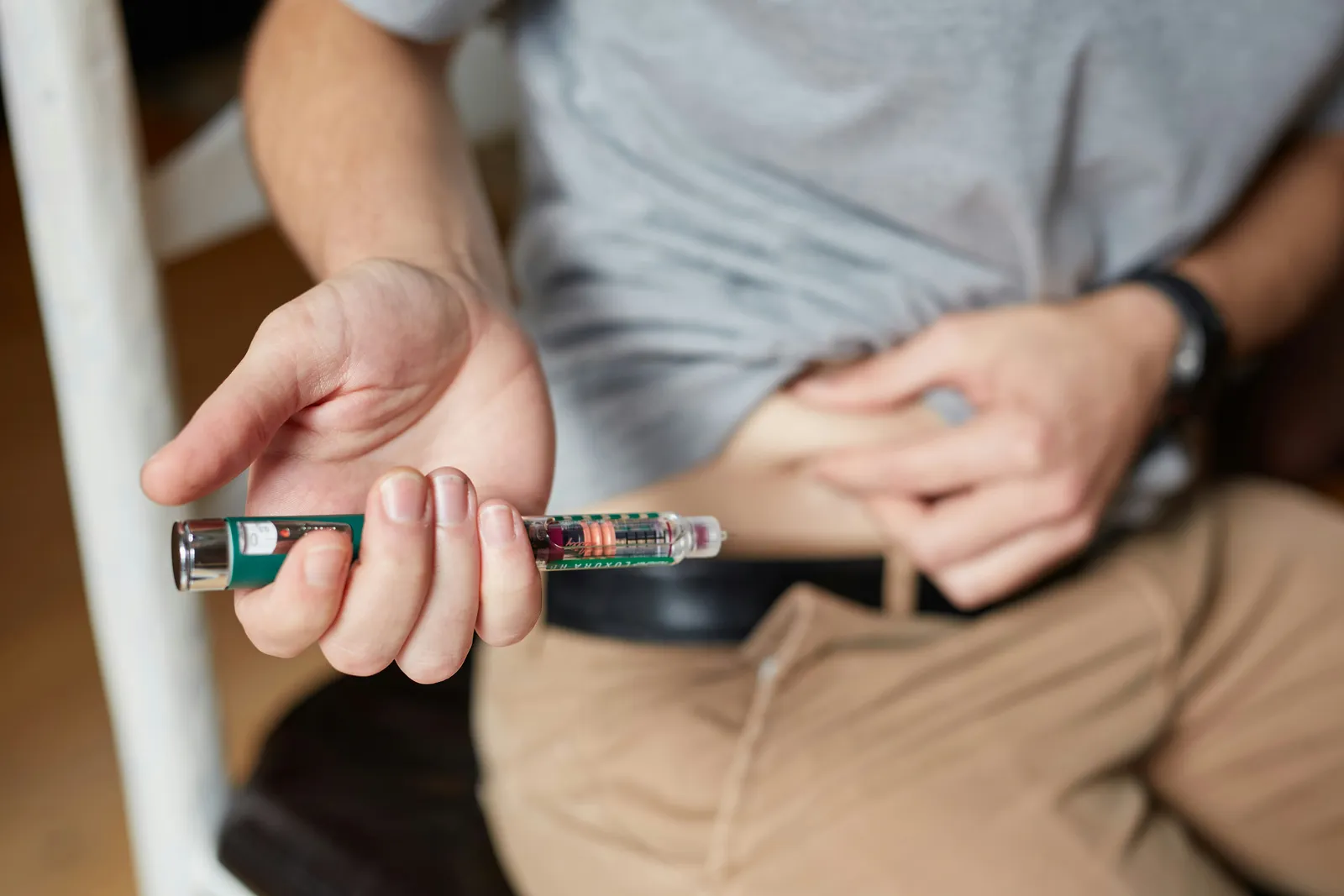
The manufacturer states that EpiPen autoinjectors should not be used after the expiration date as the epinephrine has been shown to lose its potency. Epinephrine is an unstable chemical subject to degradation.
Epinephrine degrades over time, and epinephrine auto injectors that are significantly past their expiration date may deliver a reduced dose. In a severe anaphylactic reaction where epinephrine is the critical life-saving intervention, a significantly degraded dose may be inadequate.
EpiPens are used in anaphylaxis, a life-threatening situation due to nuts and other foods, insect stings, or medications. There can be a major health threat or risk of death linked with an expired EpiPen. It’s worth noting: in a study of over 30 pens that had expired up to 7.5 years earlier, the decrease in epinephrine content was proportional to the number of months past the expiration date.
4. Liquid Antibiotics: A Breeding Ground for Bacteria
If the medication comes in liquid form, an injection vial, or it’s a biologic drug, avoid taking it if it has expired. These products are often less stable than tablets and capsules, and may carry a high risk of contamination.
Some antibiotics are unsafe to take after expiration because they lose their strength, and taking them can lead to antibiotic resistance. On top of that, when a drug degrades, it might become more vulnerable to the growth of toxic substances like bacteria, which can cause illness and infection if you take the expired medication.
Certain expired medications are at risk of bacterial growth and sub-potent antibiotics can fail to treat infections, leading to more serious illnesses and antibiotic resistance. That last point matters more than most people realize. Antibiotic resistance is a serious public health concern, and taking weakened antibiotics is one of the ways it’s made worse.
5. Tetracycline Antibiotics (Including Doxycycline): The Case Where Expiry Means Genuinely Toxic
It can be harmful to take certain antibiotics like tetracycline after their expiration date. Research from 2019 found that taking tetracycline past its expiration date led to kidney damage in some people.
Expired tetracycline antibiotics are the clearest case of expired meaning unsafe. Unlike many drugs where “expired” simply means “less potent,” older tetracycline formulations have been shown to produce breakdown compounds that are actively harmful to the kidneys.
Do not take expired tetracycline or doxycycline. This guidance is unusually direct for a pharmacist recommendation, and there is a specific reason for it that goes beyond a general caution about reduced effectiveness.
6. Blood Thinners: Where Too Little Dose Is Just as Dangerous as Too Much

Suppose you had a drug like a blood thinner where, if you get too much of it, you bleed and that’s potentially fatal. At the same time, if you don’t get enough of it, you clot and that’s potentially fatal as well.
Blood thinners are often prescribed after a blood clot or placement of a heart stent or valve and can lose their effectiveness over time, which can be fatal. This is a narrow therapeutic window in the truest sense. The target dose isn’t a rough approximation. It’s precise, and an expired product that delivers even slightly less than expected puts a patient at real risk.
Taking a medication that might not work can be especially risky with some medications, such as blood thinners used to treat blood clots, because reduced effectiveness can lead to serious health complications.
7. Seizure Medications: Precision Drugs That Leave No Room for Variability
If the medication is for an emergency situation, do not use an expired product. This includes EpiPens, insulin, seizure medication, and inhalers.
The EpiPen, blood thinners, and drugs for patients with seizures or profound heart failure could be very problematic if they weren’t very close to the potency that’s expected. Seizure control depends on consistent blood levels of anticonvulsant drugs. A dose that falls short can leave a patient vulnerable during a seizure event.
If a medication is essential for a chronic and potentially life-threatening disease, such as a heart condition, cancer treatment, seizure, or severe allergy, get a new prescription before it expires and keep up with refills as needed. With seizure medications especially, that advice is worth taking seriously.
8. Eye Drops: Small Bottles, Serious Bacterial Risk
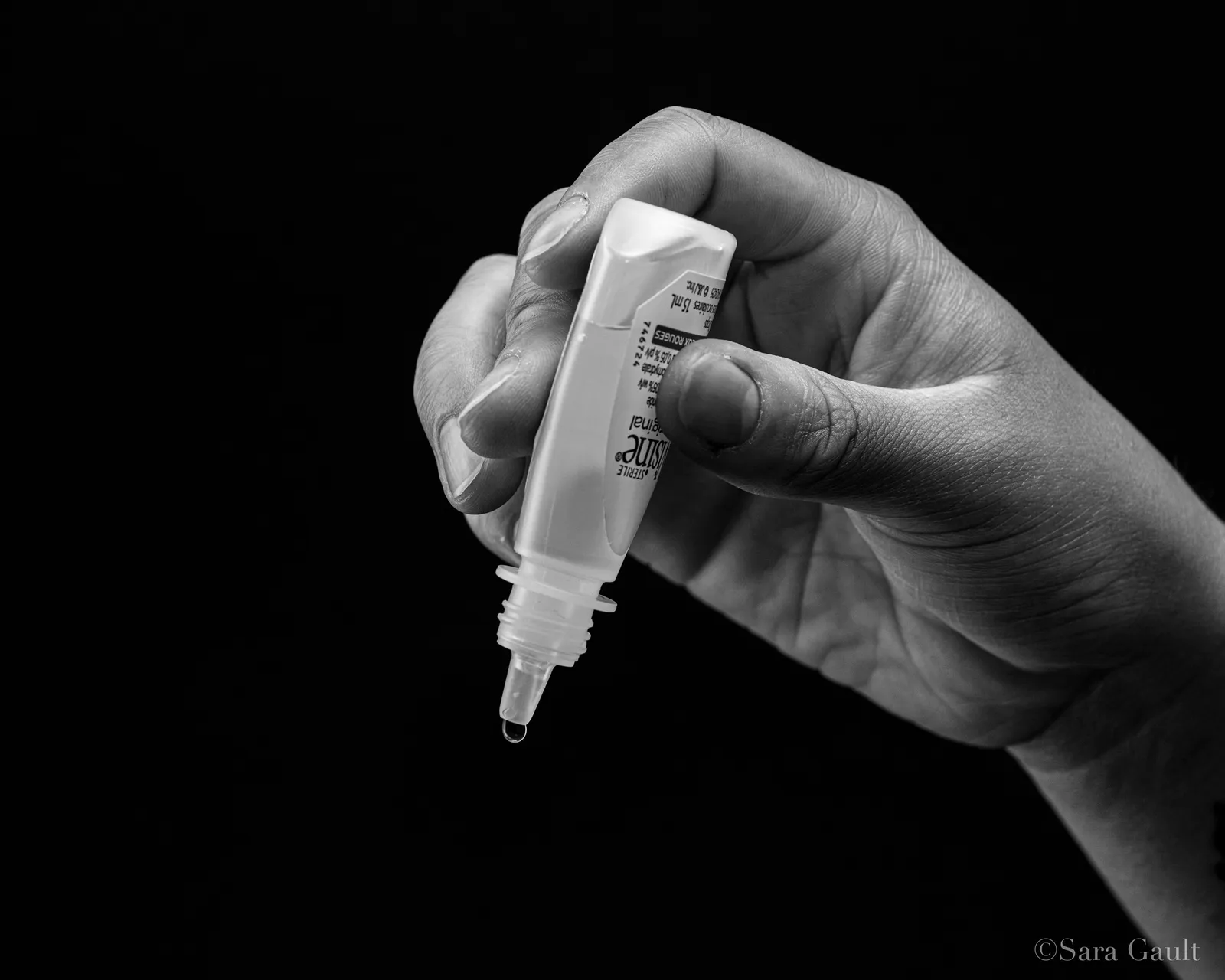
An example of concern for microbial growth would be eye drops. The eye is one of the most sensitive areas of the body, so you have this ophthalmic drop that will be isotonic, with balanced pH. It’s the perfect pH, the perfect salt combination to grow things.
Ophthalmic and otic preparations that have been opened are subject to microbial contamination over time. Expiration dates on opened eye drops are often more conservative than those on sealed products for this reason.
In the case of eye drops, patients can develop conjunctivitis, leading to itchy, red eyes, from expired liquid medication. That outcome may sound minor, but an eye infection in someone who uses prescription drops for glaucoma or a chronic condition is anything but routine.
9. Thyroid Medications: Silent Instability in a Long-Term Drug

Older thyroid medications may not be able to effectively stabilize thyroid-stimulating hormone (TSH). Thyroid disorders require consistent hormone levels to manage properly. An expired preparation that has degraded even slightly can throw off the delicate balance that keeps TSH within the target range.
The challenge with thyroid medication is that the symptoms of under-treatment are gradual. Fatigue, weight changes, and brain fog aren’t obvious alarm bells. A person might not realize their medication has stopped working as intended for weeks or even longer. Risky expired medications to separate and replace immediately include thyroid meds alongside insulin, EpiPens, nitroglycerin, antibiotics, and seizure drugs.
10. Inhalers for Asthma and COPD: When a Rescue Medication Fails at the Worst Moment
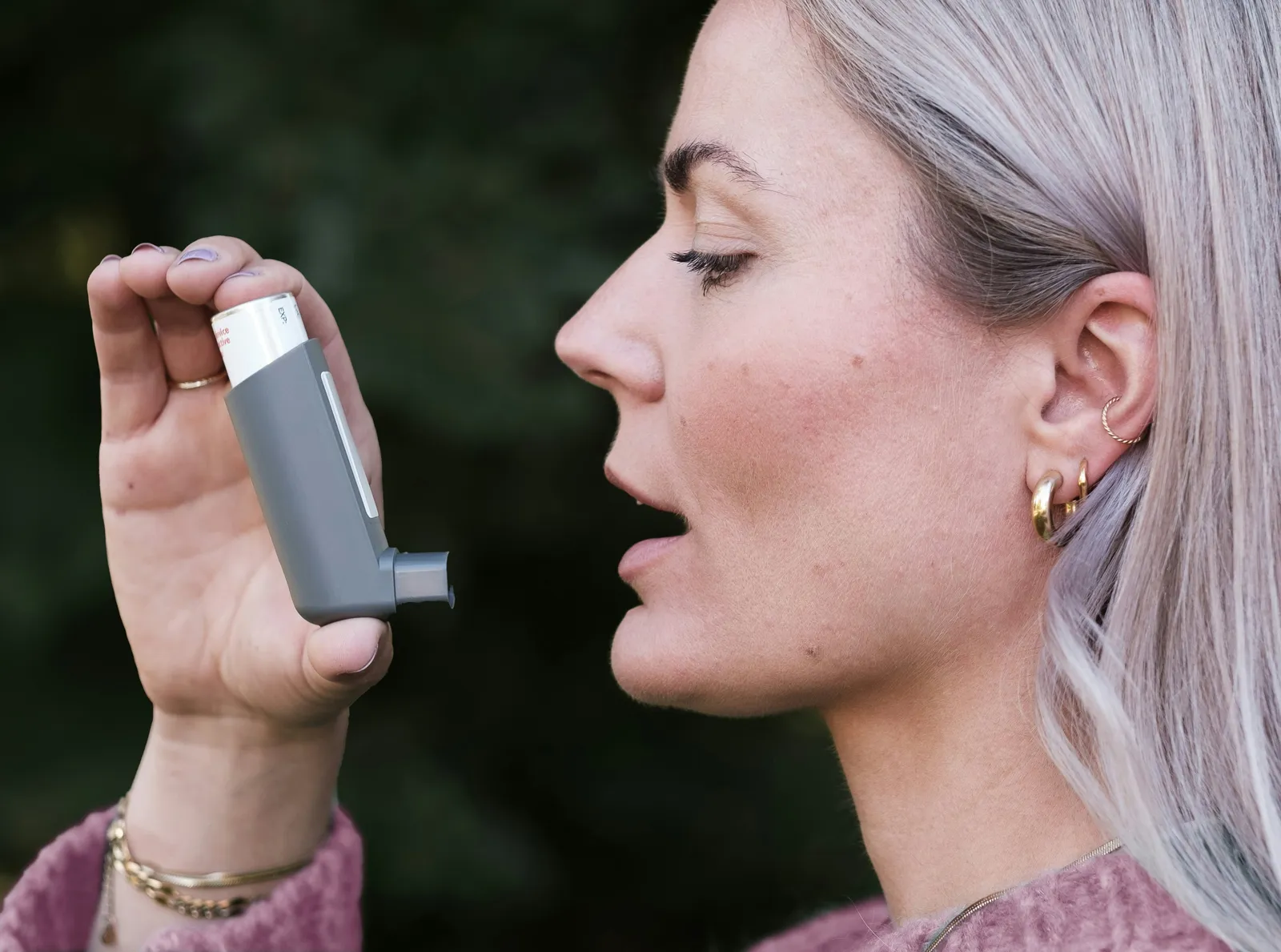
Some medications, especially those taken to treat or prevent emergency health issues, should always be taken before the manufacturer’s expiration date. Rescue inhalers fall squarely into that category. During an asthma attack or a COPD flare, a degraded dose of albuterol is not a theoretical concern. It’s a breathing emergency.
Emergency medications including EpiPens, insulin, seizure medication, and inhalers should not be used expired. A 2025 systematic review published in a peer-reviewed journal examined the efficacy of expired life-saving medications used in first aid settings, noting that first aid providers may face situations where only expired medications are available and evaluating the safety of those expired medications for emergency use.
In the case of medical emergencies like anaphylaxis, asthma attack, or chest pain, while expired medications like epinephrine, albuterol, and nitroglycerin may have lost some of their effectiveness, it is better to take these expired medications than nothing at all, but patients should immediately go to the emergency department because the medication’s benefits may not last.
The Takeaway: Not All Expiration Dates Carry the Same Weight
Taking expired medicine is usually not dangerous in the way expired food can be, but it does carry real risks. The main concern isn’t toxicity for most drugs. It’s that the medication may no longer work well enough to do its job.
The FDA and CDC advise against using expired medications and recommend safe disposal instead. Authorized take-back programs, services, and drop-off locations are the best, safest way to get rid of expired medicine. The practical step is straightforward: check the cabinet, separate the high-risk categories listed here, and replace them before the expiration date rather than after a crisis forces the issue.
Experts recommend checking your medicine cabinet every six months or when you change your clocks as a simple way to stay current. For medications like nitroglycerin, insulin, and EpiPens, the cost of a timely refill is minor compared to what can happen when a high-stakes drug fails at a critical moment.
AI Disclaimer: This article was created with the assistance of AI tools and reviewed by a human editor.