
There is something quietly remarkable about a seed that refuses to sprout until it has lived through the full weight of winter. Most of us assume that warmth and moisture are all a seed needs to get going. For a surprising number of plant species, that assumption falls apart entirely.
The mechanism behind this cold requirement has a name, a precise chemistry, and a long evolutionary history. Understanding it reveals not just how plants survive, but how carefully the natural world calibrates timing.
The Survival Logic of Waiting
Seed dormancy is an evolutionary adaptation that prevents germination under unfavorable conditions for plant growth. In regions where winters are brutal, a seed that sprouts in autumn faces near-certain death. The cold requirement is essentially a safety lock, a biological gate that only opens once winter has run its full course.
In temperate ecosystems, germination timing is tightly controlled by seed dormancy, an adaptive trait enabling seeds to delay germination until environmental conditions become optimal. This is not a flaw in the seed’s design. It is one of the most precise survival tools in all of plant biology.
What Cold Stratification Actually Means
Cold stratification is the process of subjecting seeds to both cold and moist conditions. Seeds of many trees, shrubs, and perennials require these conditions before germination will ensue. The moisture matters just as much as the temperature. A seed sitting in dry cold will not respond the same way as one sitting in cold, damp soil.
In the wild, seed dormancy is usually overcome by the seed spending time in the ground through a winter period and having its hard seed coat softened by frost and weathering action. By doing so the seed is undergoing a natural form of cold stratification or pretreatment. This cold moist period triggers the seed’s embryo; its growth and subsequent expansion eventually breaks through the softened seed coat.
The Hormone Chemistry Behind the Cold Signal
Among the different plant hormones, abscisic acid (ABA) and gibberellin (GA) are considered as major players in the regulation of dormancy and germination; ABA regulates dormancy induction and maintenance positively. Think of ABA as the “stay locked” signal and gibberellin as the “it’s safe to grow” signal. The balance between these two compounds determines whether a seed acts or waits.
The down-regulation of ABA biosynthesis genes and the dramatic up-regulation of ABA catabolic genes contributed to reduced ABA levels, while increased GA3 levels in cold-stratified seeds were due to the up-regulation of specific gibberellin-related genes. Cold temperatures, in other words, physically reset the hormone balance inside the seed, shifting the entire system toward readiness for growth.
Cold stratification at 4°C for over 70 days significantly alleviates seed dormancy, associated with changes in endogenous hormone levels. Auxin, gibberellin, abscisic acid, cytokinin, salicylic acid, jasmonic acid, and ethylene were identified as key players in these processes, confirming that the cold signal cascades through a remarkably wide network of chemical messengers.
The Evolutionary Origins of the Trait
Information from various fields of science has been combined with seed dormancy data to increase our understanding of the evolutionary and phylogenetic origins and relationships of the various kinds of seed dormancy and the conditions under which each may have evolved. The cold requirement appears most frequently in species that evolved in temperate and alpine zones, where the seasons are sharply defined and the cost of mistiming germination is high.
Seed dormancy is classified into five categories: physical dormancy, physiological dormancy, morphological dormancy, morphophysiological dormancy, and combinational dormancy. Cold-driven dormancy falls primarily under physiological dormancy, the category most tightly linked to hormonal regulation and environmental sensing.
Alpine Plants: Cold Stratification Taken to the Extreme
Over 70% of alpine plants require cold stratification and light for seed germination, whereas desert plants need water and temperature increases for seed dormancy release. That figure is striking. In high-altitude ecosystems, cold stratification is not a niche adaptation but the dominant rule. The harshness of alpine winters has effectively made cold tolerance a prerequisite for plant reproduction.
Seeds of nearly half of the species studied appeared unable to germinate until they were exposed to a cool, wet period at a constant 5°C, suggesting that cold stratification alleviated a physiological dormancy mechanism. Postponing germination until the following spring may enable seedlings to avoid establishing over or before the harsh winter, while also optimizing the short forthcoming growing season.
Spring Synchronization: Timing Is Everything
The germination responses of seeds to temperature, light, and cold stratification reveal the mechanism that delays germination from autumn and early winter, the time of seed dispersal, until spring, when conditions are favorable for seedling establishment. The seed is, in effect, using winter as a calendar. It counts the cold, and when the cold has passed a threshold, it reads that as confirmation that spring is actually arriving.
Seed germination represents a critical transition from the quiescent embryonic state to autotrophic growth, and its timing plays a decisive role in plant survival, fitness, and long-term population persistence. Seeds must precisely interpret environmental cues, including temperature, moisture, and light, to ensure that emergence aligns with periods favorable for seedling establishment.
Cold Stratification Requirements Vary Widely Across Species
Germination requirements are highly species-specific. This is why a gardener cannot treat all dormant seeds the same way. Some species need only a few weeks of cold exposure, while others require months. Some seeds need a warm stratification at first, which is then followed by cold stratification. The ideal temperature for warm stratification is between 15° and 20°C.
Typical vernalization temperatures are between 1 and 7 degrees Celsius. This relatively narrow temperature window reflects how precisely tuned the biological response is. Too warm, and the dormancy signal is never received. Too far below freezing, and the chemistry slows to a halt.
What Cold Does to the Seed Coat
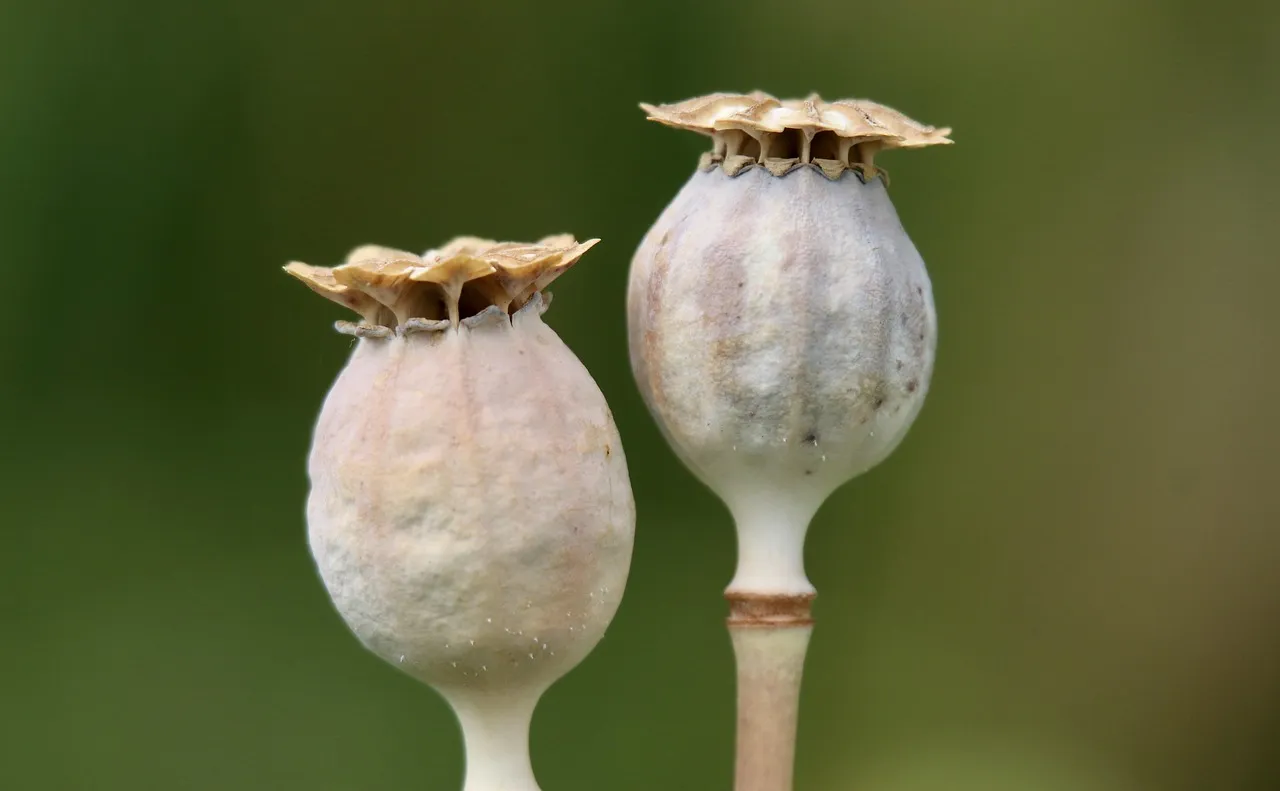
Cold stratification pretreatment expanded the temperature range suitable for germination and increased the germination percentage under unfavorable temperatures. Beyond the hormonal effect, cold physically alters the seed’s outer layers. Frost and weathering action gradually weaken the seed coat, which is often deliberately tough to protect the embryo during dispersal and the long wait through winter.
Some seeds fail to germinate even under favorable external conditions. Such seeds undergo a period of dormancy under endogenous conditions. Thus, they create hard and impermeable seed coats to avoid germination. This structural barrier means that even if temperature and moisture are perfect, the embryo simply cannot push through without the prior mechanical softening that winter provides.
Climate Change Is Disrupting This Ancient System
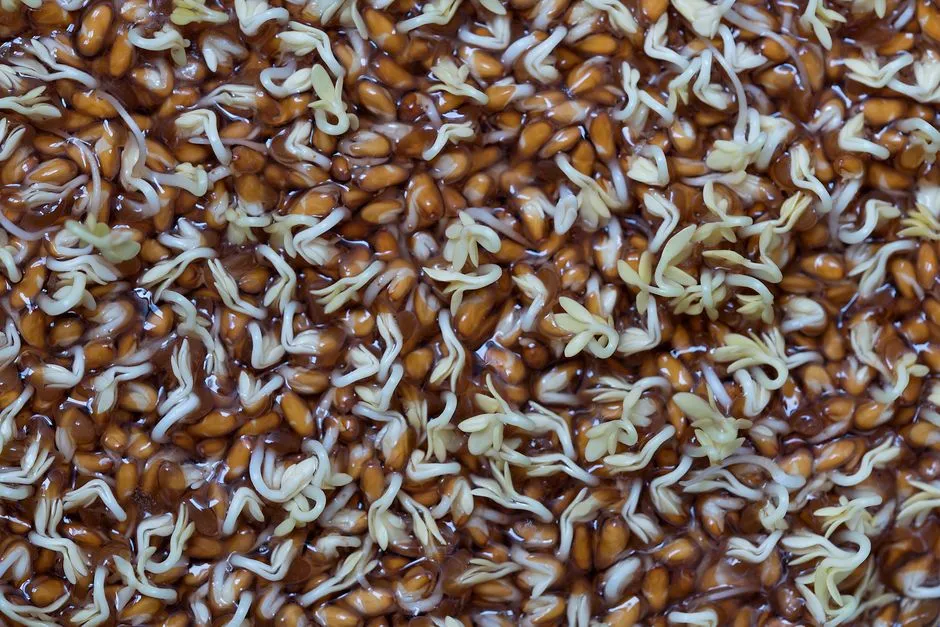
Cold stratification has a pronounced influence on seed germination, and climate change is altering cold stratification regimes across climatic zones. Therefore, it is urgent to explore how seed germination from different geographic provenances responds to these changes. Milder winters mean that some seeds receive fewer cold hours than their dormancy mechanisms require, which can delay or prevent germination entirely in the following spring.
An increasing warming climate will advance germination of alpine species by roughly 52 days on average, with potential disrupting effects due to the mismatch of favorable conditions and a decrease of germination success on cold-adapted alpine species due to their strict cold and wet stratification requirements for germination. A shift of nearly two months in germination timing is not a small adjustment for an ecosystem built around precise seasonal windows.
Seeds set in warmer conditions require less cold stratification during autumn and winter, suggesting that in warmer environments, lower dormancy at shedding helps to conserve the timing of germination in late winter or early spring. This points to an early adaptive response already underway in some plant populations, though whether it will keep pace with warming remains an open question.
Conservation and Restoration Implications
Research on northern Italian populations of the wetland endangered species Eleocharis carniolica showed that it produces dormant seeds and that germination is strictly related to seed vernalization, that is, cold stratification. For species like this, any disruption to winter cold conditions directly threatens reproduction and population recovery.
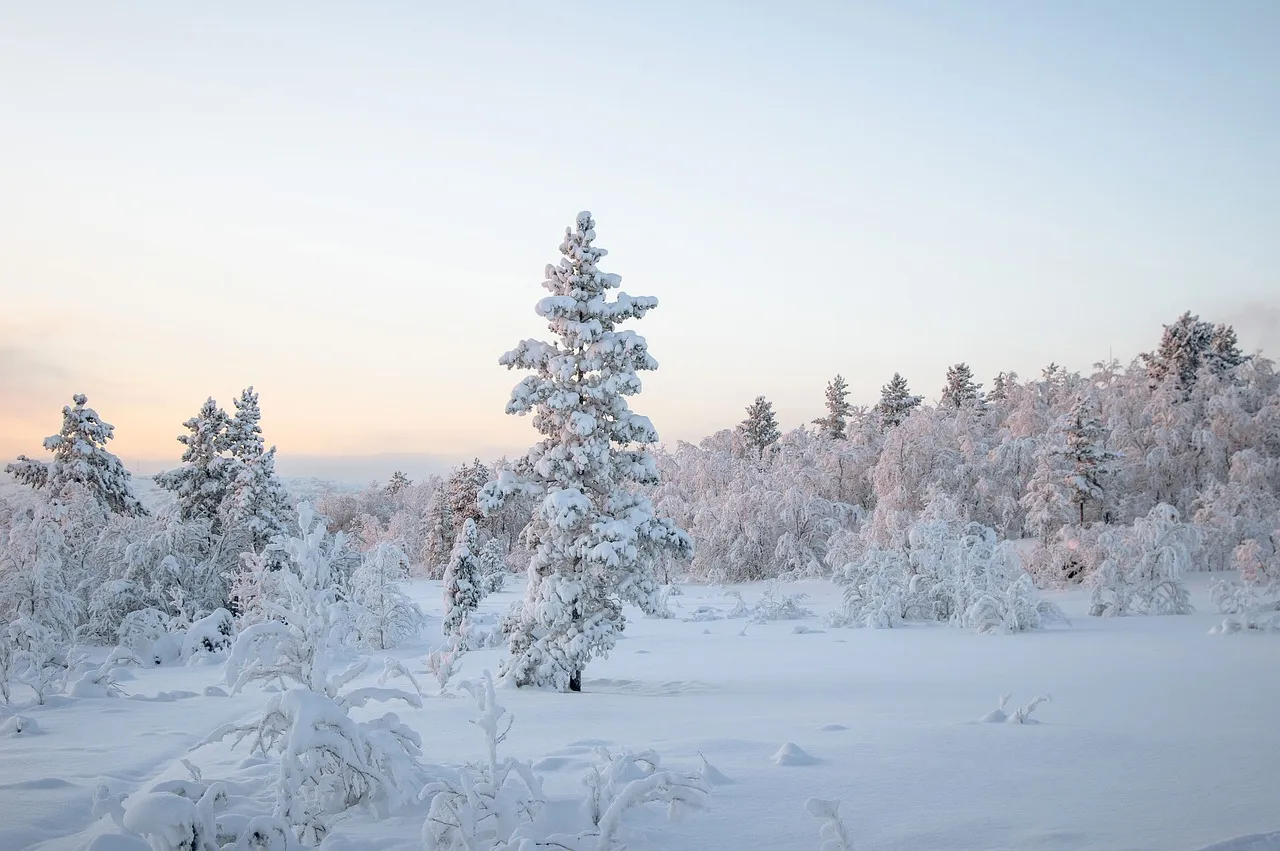
Cold stratification is essential for breaking seed dormancy in certain species, substantially improving propagation efficiency and offering valuable insights for nursery production, landscape practices, and restoration ecology. Conservation practitioners and seed bank managers now treat cold stratification protocols as a critical variable, not just a horticultural detail. Seeds can be sown in late autumn, before the winter snow, and thus receive natural cold stratification under the snowpack, potentially expanding the germination threshold and increasing germination rates.
A Winter That Plants Cannot Afford to Miss
The cold requirement in seeds is one of those biological features that looks unnecessarily complicated until you understand what it actually does. It is a security system evolved over millions of years, one that trusts winter more than any other seasonal signal.
As winters grow shorter and warmer across much of the world, the stakes become clear. Plants that evolved to read cold as a reliable cue are now operating in a landscape where that cue is becoming less consistent. The evolutionary logic remains sound. The environment it was built for is the part that is changing.
AI Disclaimer: This article was created with the assistance of AI tools and reviewed by a human editor.