
The Spice That Earned Its Reputation Over Millennia
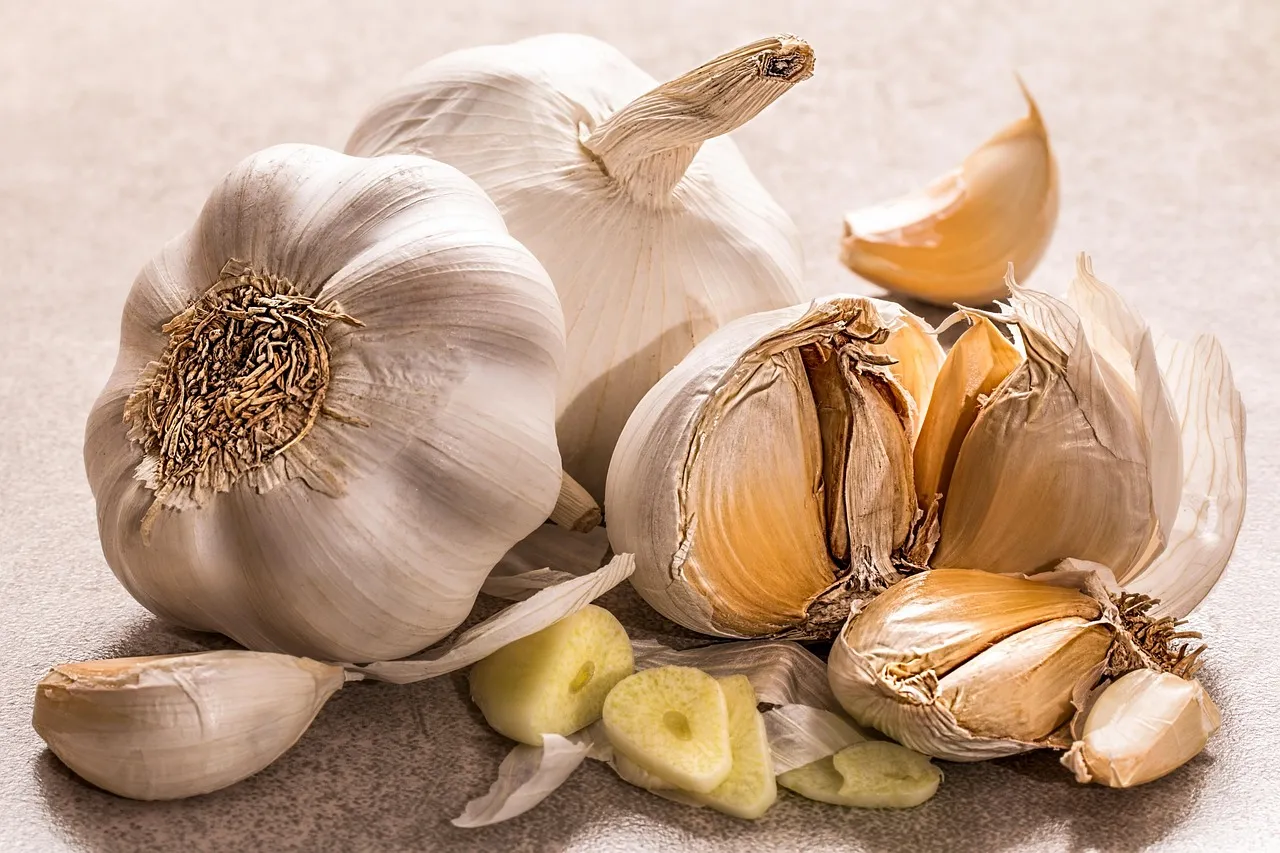
Garlic has been used medicinally for more than 2,000 years. Physicians in ancient Egypt, Greece, and Asia prescribed it for a wide range of ailments, and modern science is increasingly circling back to those same conclusions. What makes this particularly interesting is that garlic’s reputation wasn’t built on folklore alone. Garlic, a staple of the heart-healthy Mediterranean diet, has many other beneficial effects on arterial health, leading researchers to conclude that the pungent plant is a powerful weapon against cardiovascular disease.
Garlic is of interest for cardiovascular health mainly for its effects on blood pressure and blood lipids. Those two factors sit at the very center of heart disease risk. When cardiologists talk about what they actually cook with at home, garlic comes up again and again, and that alignment between professional knowledge and personal habit says a lot.
What Happens the Moment You Crush a Clove

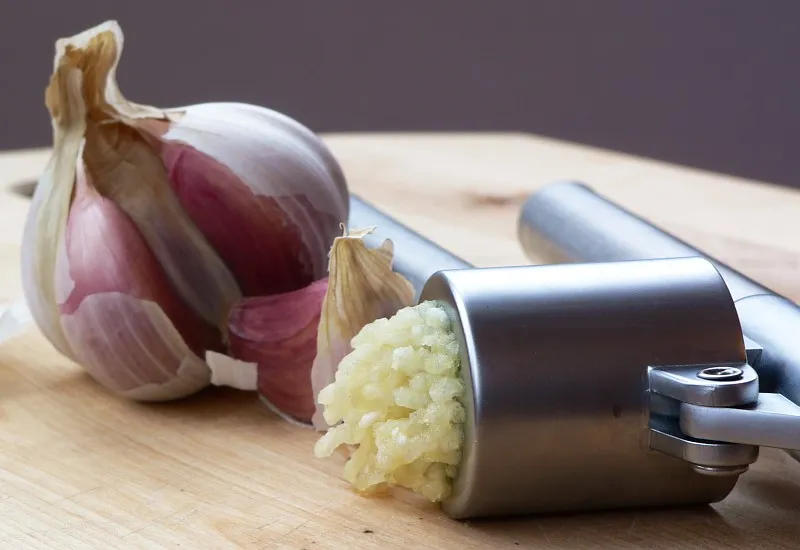
Garlic is rich in antioxidants, like allicin, known to help lower cholesterol and blood pressure. That compound, allicin, is actually what gives garlic its sharp, distinctive smell. Interestingly, the compound allicin isn’t present until garlic is cut or crushed, so while you prep your garlic for a recipe, you are simultaneously boosting the allicin levels.
This means the way you prepare garlic actually matters. Letting crushed garlic sit for a few minutes before cooking allows allicin to form more fully. Swallowing a whole clove won’t give you the same benefit. It’s a small detail, but one worth knowing.
The Blood Pressure Connection
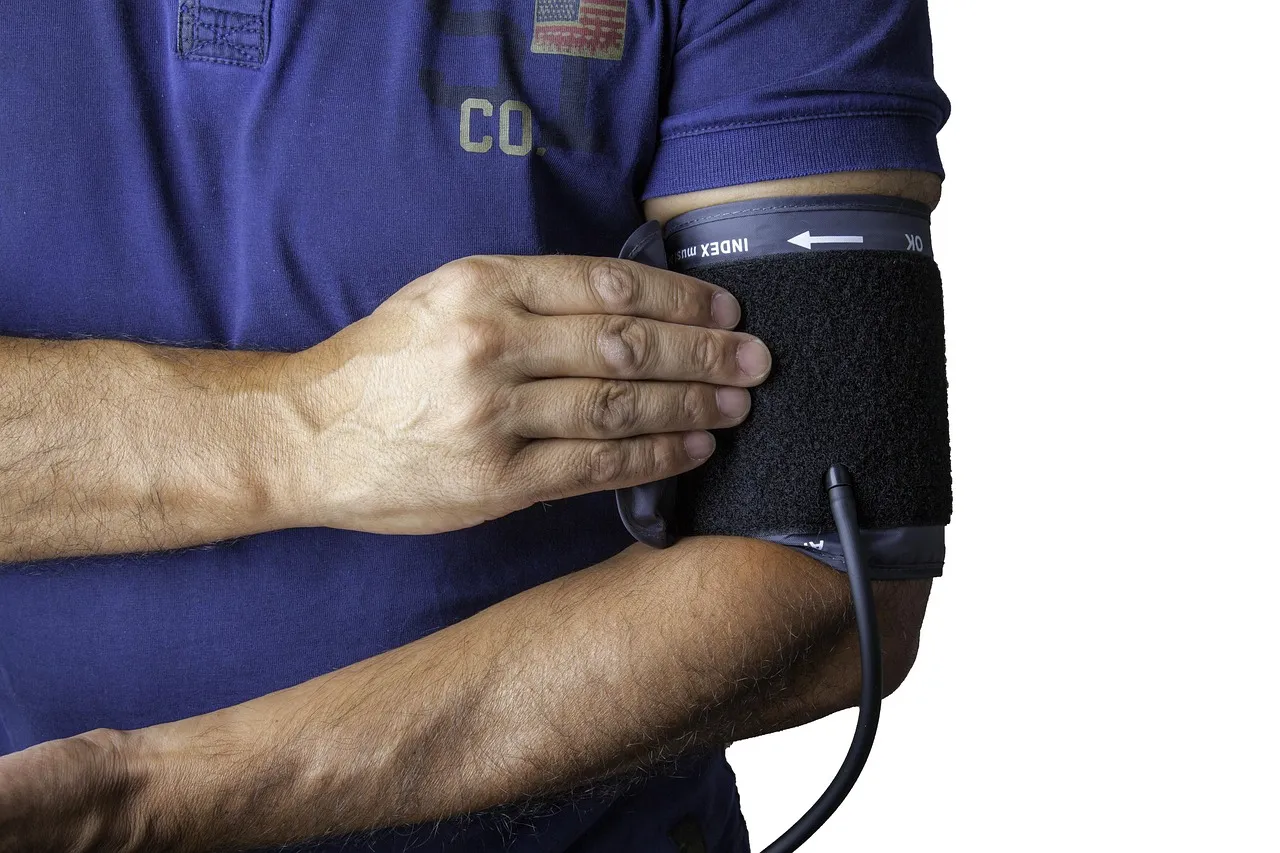
A 2025 meta-analysis found that garlic modestly reduced systolic and diastolic blood pressure by 4.21 mmHg and 3.13 mmHg, respectively. Those numbers might seem small in isolation, but in cardiovascular medicine, even modest reductions in blood pressure carry meaningful long-term risk reduction.
This meta-analysis suggests that garlic intervention has a significant effect on reducing blood pressure in certain populations, including those who are obese, aged 50 to 60, or have higher diastolic blood pressure. There is consistent evidence that garlic supplements lower blood pressure in hypertensive individuals. For people already on medications, these effects may complement rather than replace existing treatment, though any changes should always be discussed with a physician first.
What the Research Says About Cholesterol
There is strong scientific evidence that eating a half to one clove of garlic daily lowers total cholesterol levels by up to 9%, while taking aged garlic extract may reduce systolic blood pressure by 5.5%, according to a paper in Current Cardiology Reviews. That’s a meaningful reduction achievable through something most people already have on their kitchen counter.
A 2024 meta-analysis found evidence of a modest reduction in total cholesterol and LDL-C, and although they were statistically significant, the effects on triglycerides and HDL-C were negligible. The research is promising, though scientists are careful to note that study quality varies and more rigorous long-term trials are still needed.
Inflammation and Why Cardiologists Take It Seriously
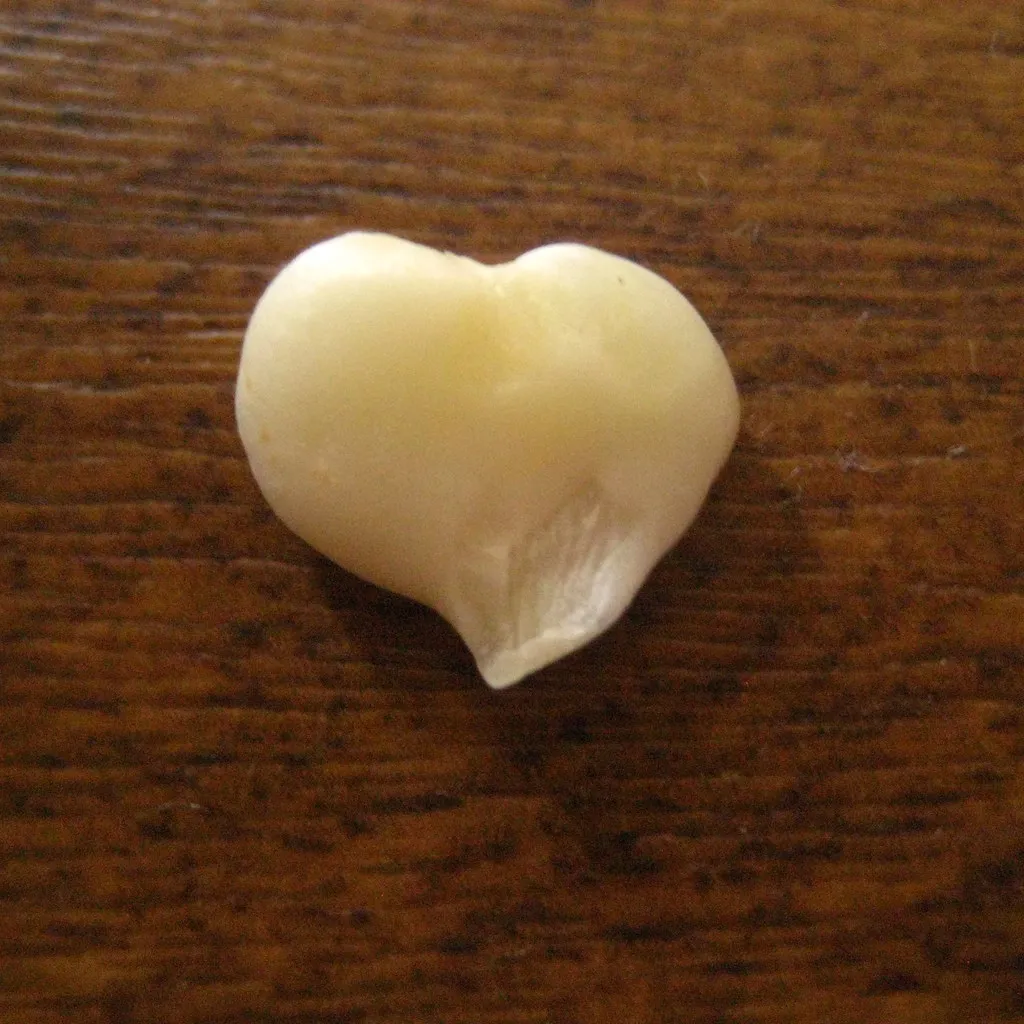
Inflammation plays an integral role in heart disease risk, so the anti-inflammatory properties of garlic can be particularly helpful. Chronic low-grade inflammation is now understood to be a key driver of plaque buildup in arteries, not just a side effect of disease but a cause of it. An analysis of clinical trials found that garlic supplements could lower markers of inflammation.
A meta-analysis supports the hypothesis that garlic has potential therapeutic benefits as an anti-inflammatory, anti-hypertensive, anti-hyperglycemic, and anti-hyperlipidemic agent. That’s a wide range of effects from a single culinary ingredient, which explains why it keeps appearing in conversations about dietary prevention of heart disease.
Garlic and Blood Vessel Health
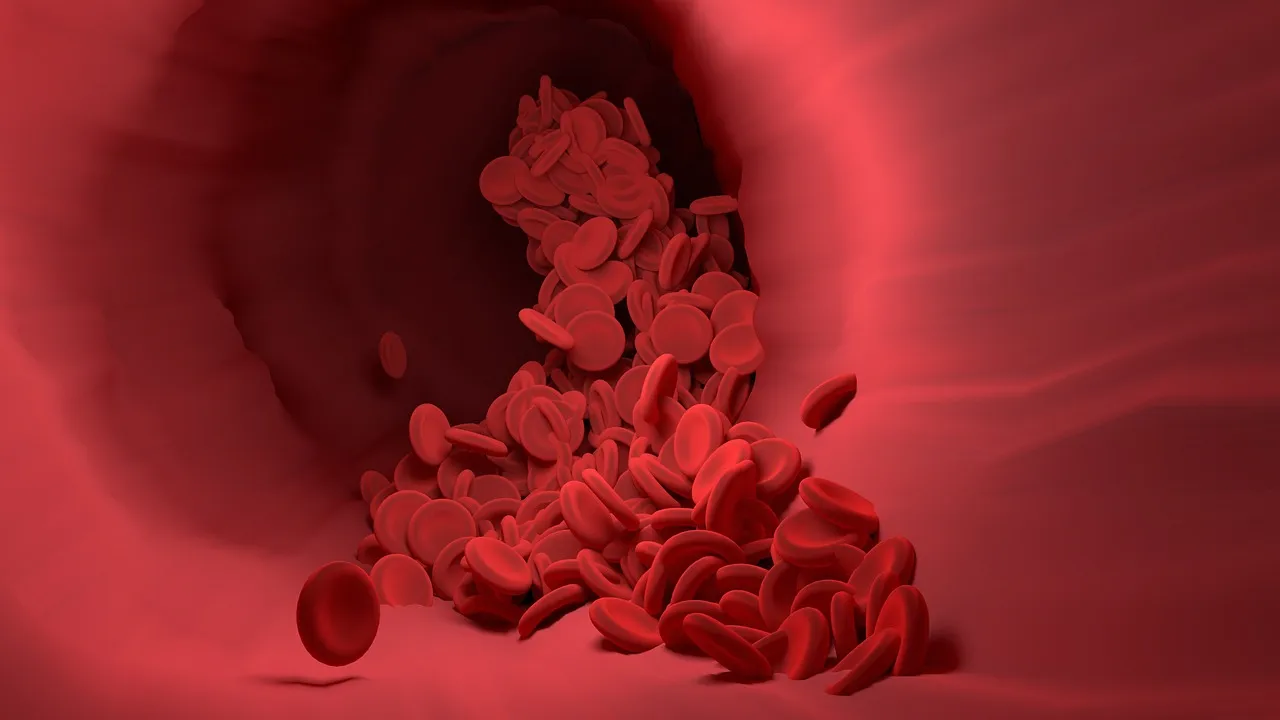
The whole cardiovascular system, which includes the entire network of blood vessels within the body, is involved in heart disease. Garlic’s antioxidant and anti-inflammatory properties are doubly effective for protecting blood vessel function. Healthy blood vessels are flexible, responsive, and free from the kind of stiffness that raises the risk of cardiac events.
Garlic was thought to improve elevated serum cholesterol, decrease the aggregation of platelets, and protect the vascular endothelium from damage by LDL. Platelet aggregation, when platelets clump together unnecessarily, is one pathway that contributes to dangerous clots. The fact that garlic may interfere with that process adds another layer to its cardiovascular appeal.
Aged Garlic Extract: A Step Further
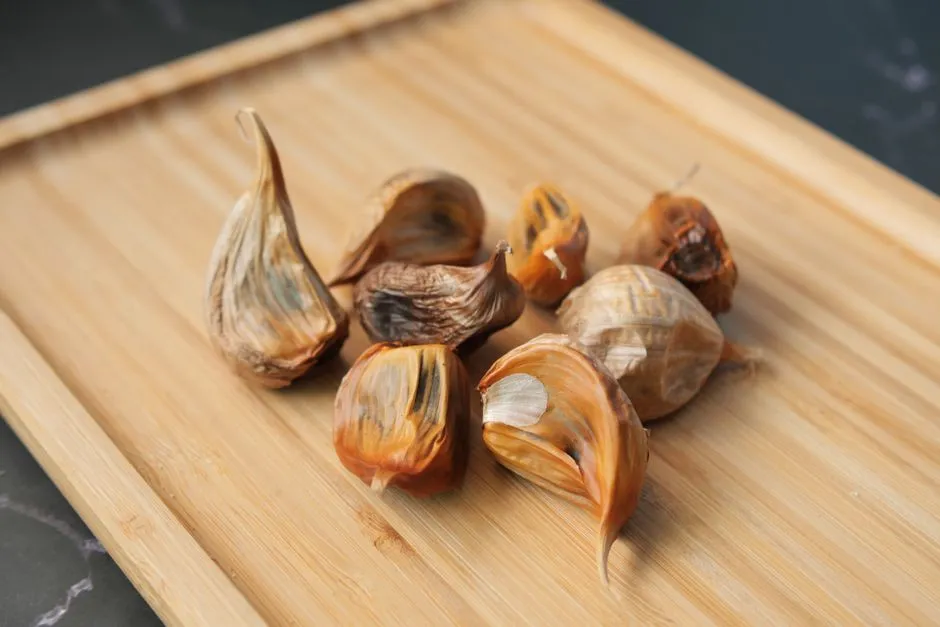
The most consistent benefits were shown in studies that used aged garlic extract (AGE). A few small studies that used AGE also showed favorable effects on markers related to atherosclerosis, including C-reactive protein and pulse wave velocity. These markers matter because they reflect how stiff and inflamed arteries actually are over time.
Garlic supplements are highly tolerated and may be considered as a complementary treatment option for hypertension, slightly elevated cholesterol, and stimulation of immunity. Still, it’s worth noting that whole food sources, including fresh garlic in cooking, remain the most studied and most accessible form for most people.
How Much Is Enough?

Eating a half to one clove of garlic daily is associated with measurable effects on cholesterol levels according to research published in Current Cardiology Reviews. That’s a genuinely practical amount. Half a clove stirred into pasta, a whole clove roasted with vegetables, a crushed clove in a salad dressing. None of this requires a major dietary overhaul.
Where things get slightly more complicated is with supplements. Curcumin from turmeric is not easily absorbed by the gut, and similarly, researchers note that the absorption dynamics of active compounds in spices can vary depending on what other foods are eaten alongside them. With garlic specifically, preparation method, dose, and form all influence how much of the active compound reaches the bloodstream.
Garlic Is Not a Cure, But It’s Not Nothing Either
It’s important to keep the evidence in proportion. Even the studies rated as having low risk of bias still had potential methodological shortcomings that could have biased the results, and the overall research still lacks the type of rigor that would justify a more definitive statement about garlic’s efficacy. Scientists are careful, and that caution is appropriate.
Still, the picture is consistent enough to explain why cardiologists reach for garlic routinely. Garlic supplementation has the potential for cardiovascular protection based on risk factor reduction, including hypertension and total cholesterol, along with surrogate markers of atherosclerosis, though larger studies are warranted to evaluate these effects further. An ingredient that may help across multiple risk factors, costs almost nothing, and adds flavor to nearly any dish is worth taking seriously.
How Cardiologists Actually Use It in the Kitchen
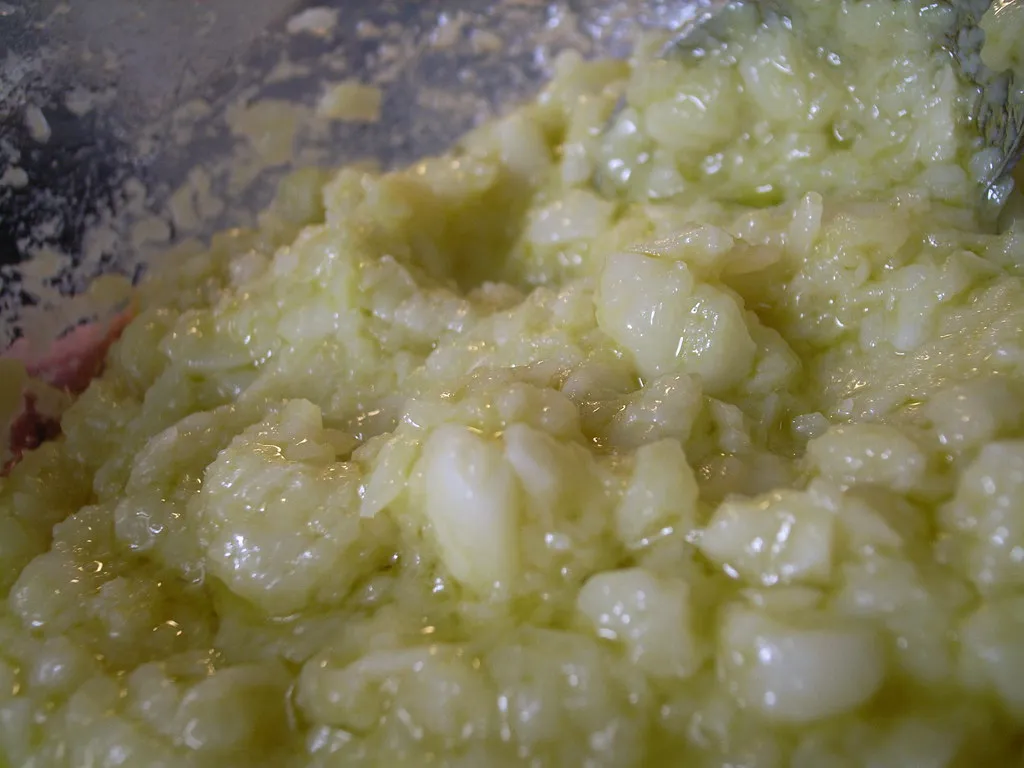
The practical insight here is less about supplements and more about habit. Cardiologists who incorporate garlic into their daily cooking aren’t usually doing it as a medical intervention. It just fits naturally into the Mediterranean-style dietary patterns that research consistently links to better cardiovascular outcomes. Garlic goes into olive oil, sautéed greens, bean dishes, fish, soups, and marinades without much effort.
Ginger, black pepper, and coriander also have well-established cardiovascular benefits, and researchers note these spices have the power to “turn an ordinary meal into an extraordinary experience.” Garlic belongs to that same category of everyday ingredients that quietly stack up health benefits without requiring anything dramatic from the person using them.
The Takeaway
Garlic won’t replace medication, and it won’t undo a poor diet on its own. What it does, supported by a substantial and growing body of research, is contribute meaningfully to the kind of dietary pattern that cardiologists recommend for long-term heart health. The fact that it also makes food taste better is, perhaps, the whole point.
When an ingredient is affordable, widely available, genuinely pleasant to cook with, and backed by multiple meta-analyses showing benefits for blood pressure and cholesterol, the question shifts from “should I use it?” to “why wouldn’t I?” That’s probably the same quiet logic cardiologists apply every time they reach for a clove.
AI Disclaimer: This article was created with the assistance of AI tools and reviewed by a human editor.