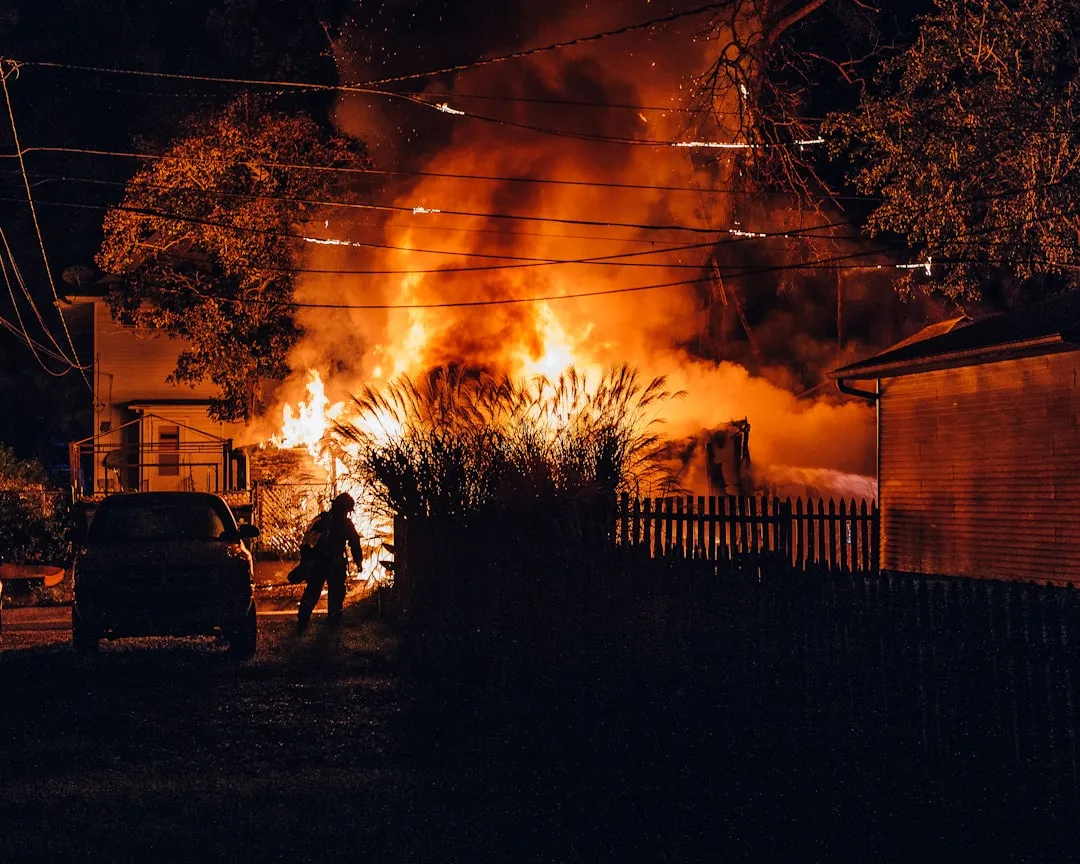

Most people worry about candles, space heaters, or an unattended stove when they think about fire risk at home. Yet tucked away in a laundry room or closet sits a machine that quietly starts thousands of fires every single year, often without anyone noticing a problem until it’s too late. It runs almost daily in most households, and its danger builds up literally one load of laundry at a time.
The Clothes Dryer’s Surprising Fire Record
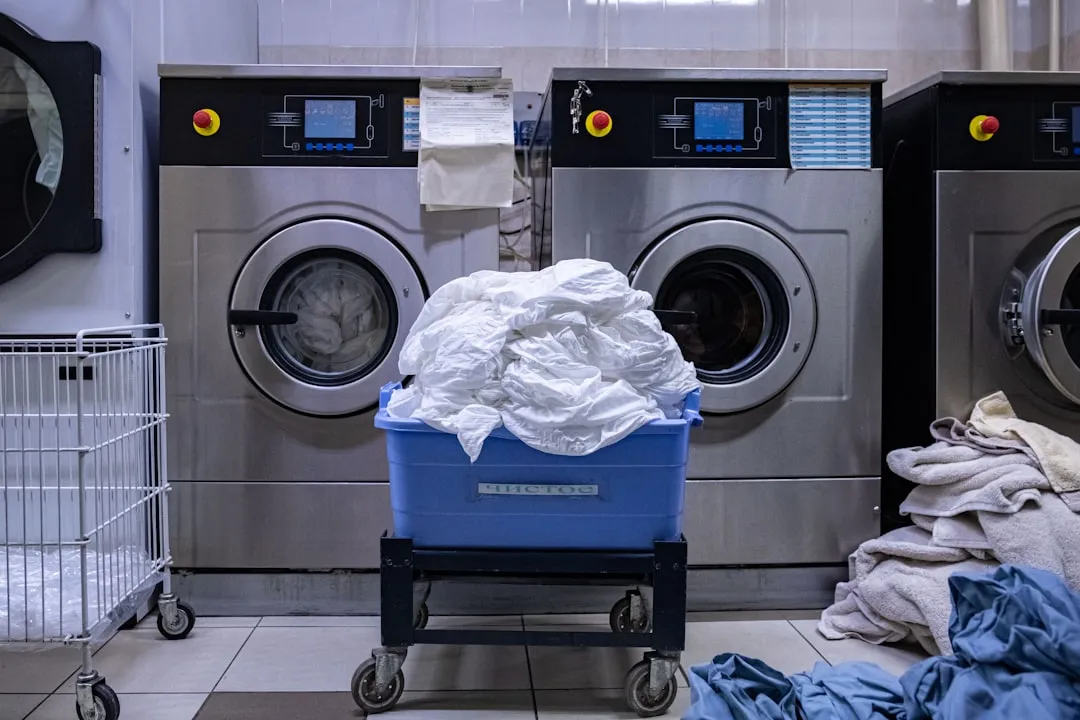
The clothes dryer is the appliance in question, and the numbers behind it are more sobering than most homeowners realize. Dryers cause about 4% of house fires, and between the years of 2014 and 2018, dryers caused an average of 13,820 fires each year. When washing machines are folded into the same category, the figure climbs even higher, with the National Fire Protection Association reporting that dryers and washing machines cause an average of 15,970 fires each year, with dryers causing 92% of them. Different agencies and time periods produce slightly different totals, but every reputable source agrees on one thing: this is not a rare event.
Lint Is the Common Thread
Almost every dryer fire traces back to the same culprit, and it is not a mysterious electrical fault. The leading items first ignited in clothes dryer fires were dust, fiber, or lint, followed closely by clothing itself. Lint is generated constantly as clothes tumble and dry, and it is astonishingly flammable once it accumulates in a warm, enclosed space. Homeowners tend to think of lint as harmless fluff, but fire investigators see it as fuel sitting inches from a heat source.
Skipping Maintenance Is the Number One Cause

Fire data consistently points to neglect rather than defective equipment as the biggest driver of these incidents. The leading cause, at 31%, of home clothes dryer and washer fires was failure to clean. That single behavior, or the lack of it, outweighs mechanical failure, electrical issues, and nearly every other factor combined. It is a strangely reassuring statistic in one sense, since it means the majority of these fires are preventable with a task that takes only a few minutes per load.
Electric Dryers Carry a Higher Risk
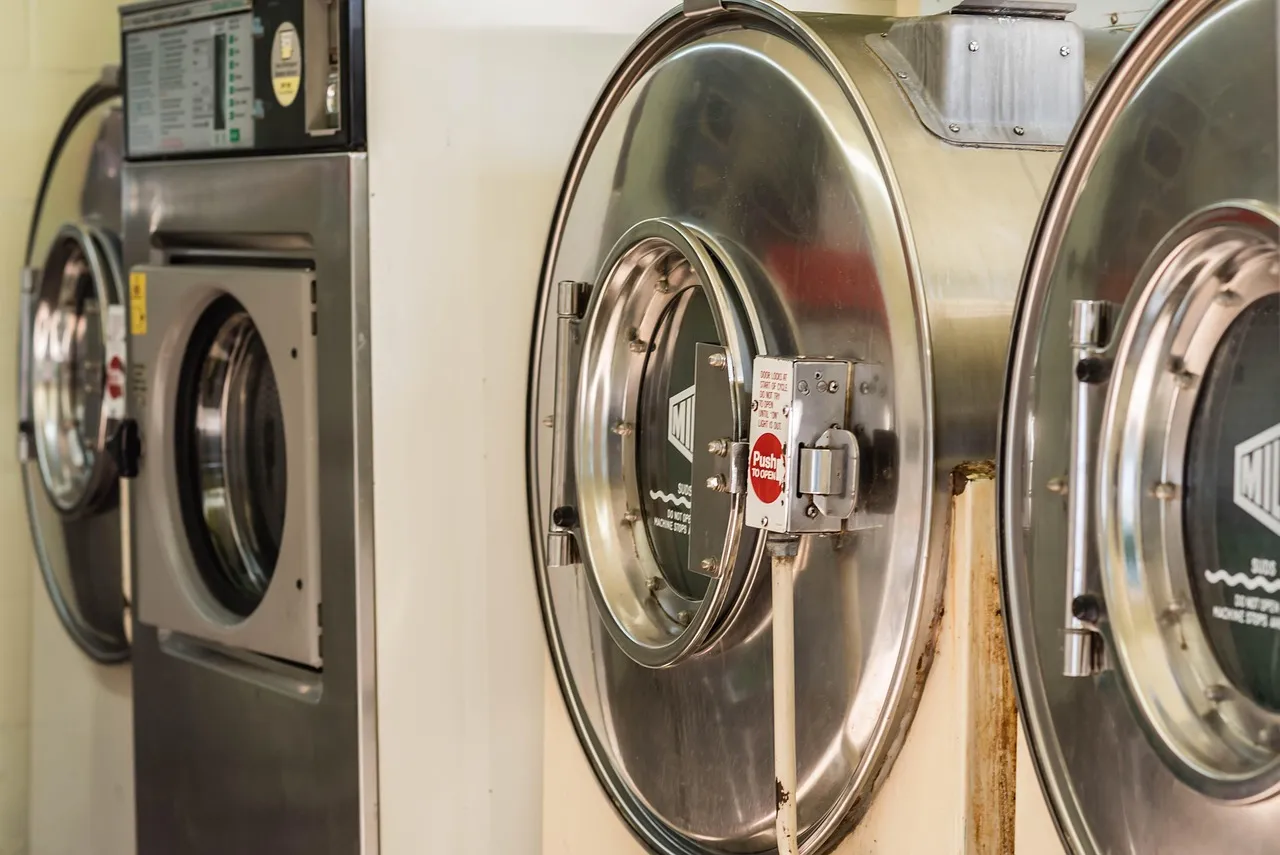
Not all dryers are created equal when it comes to fire risk, and the type of unit in your laundry room matters more than many buyers expect. Electric dryers are shown to be more than 2.5 times more likely than gas dryers to cause fires due to the higher heat discharge from electric dryers which increases the problem of lint buildup. Interestingly, this gap does not simply reflect how many households own each type. Two-thirds of fires started from electrical dryers, not gas models, but statistics show that only about 17 percent of households have a gas dryer and 71 percent use electric models, so neither technology can claim a better lint fire track record.
Clogged Vents Turn a Nuisance Into a Hazard
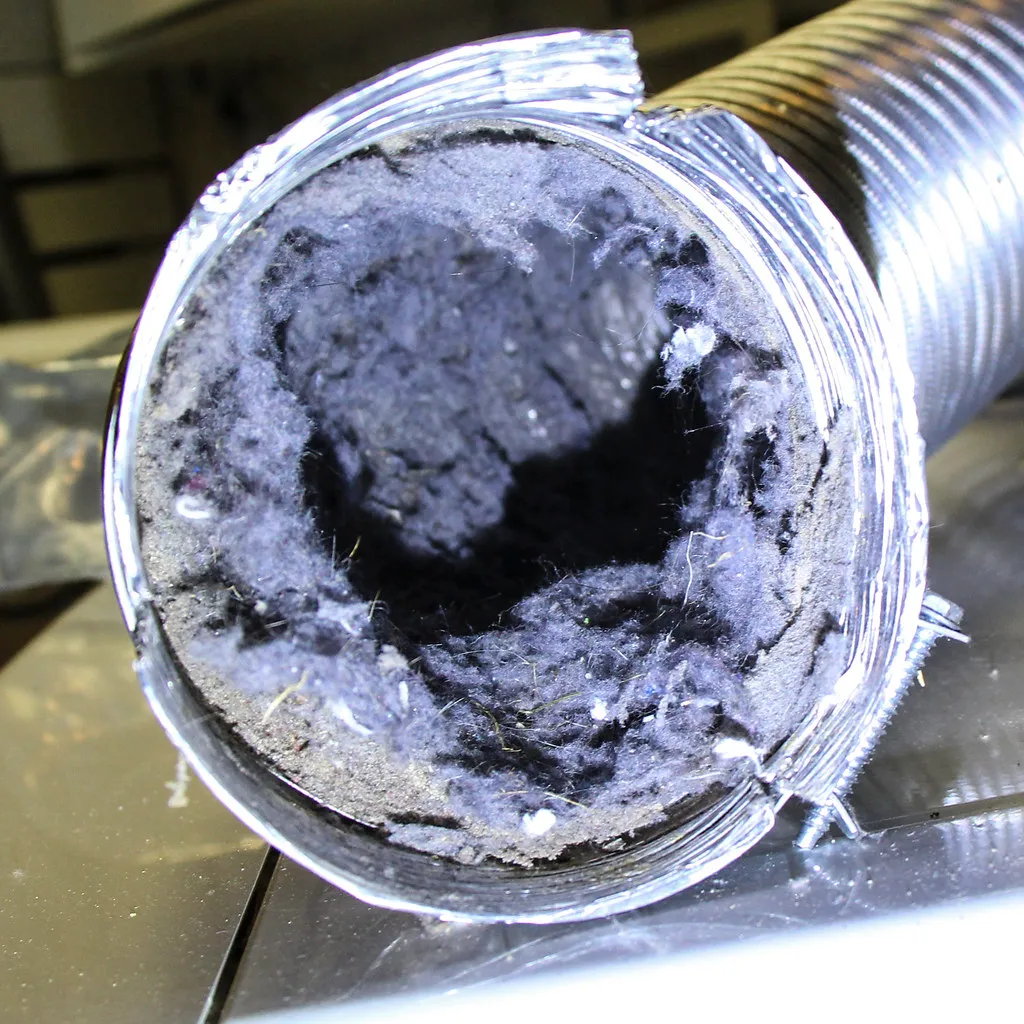
Beyond the lint trap itself, the exhaust vent running from the dryer to the outside wall is where many dangerous blockages form. Roughly 34% of home dryer fires are caused by clogged vents, and the mechanics behind that number are straightforward. A significant proportion of these fires, a startling 34%, originate from one preventable cause: clogged dryer vents. Airflow gets restricted, heat has nowhere to escape, and the trapped lint eventually reaches ignition temperature.
Winter Months Bring the Highest Risk

Dryer fires are not evenly spread across the calendar. The peak time for dryer fires is between October and March, correlating with increased laundry loads during colder months, and multiple sources point to January specifically as the worst month for these incidents. Heavier clothing, more frequent loads, and longer drying cycles during winter all combine to push lint accumulation and dryer runtime higher than at any other time of year. It is a pattern that lines up neatly with when people are also running furnaces and space heaters, adding to the overall fire load on households during colder seasons.
The Human and Financial Toll

These fires are not just property statistics; they carry a real cost in injuries and lives lost. According to the U.S. Consumer Product Safety Commission, 15,500 clothes dryer fires occur annually, resulting in an average of 10 deaths, 310 injuries, and over 84 million dollars in property damage. Earlier NFPA analysis using a narrower dataset found a smaller but still serious toll, with dryer fires resulting in an average of 13 civilian deaths and 444 civilian injuries in a given year. Whichever figures you use, the pattern is the same: a machine most people barely think about is quietly contributing to a meaningful share of home fire deaths and injuries every year.
The Wrong Ductwork Makes Things Worse
Not every vent setup is equally safe, and the material used for the ducting plays a bigger role than most homeowners assume. Dryer manufacturers clearly state in their manuals not to use plastic or flexible dryer ducts between the vent and the clothes dryer, as they can be a fire hazard, though many homes continue to use plastic and flexible ducts. Thin, accordion-style ducting tends to sag and fold, creating pockets where lint collects instead of blowing cleanly outside. Fire safety engineers generally recommend rigid or semi-rigid metal ducting instead, since it resists crushing and is far easier to clean out during routine maintenance.
Warning Signs Homeowners Often Miss
Dryer problems rarely appear out of nowhere; they usually announce themselves quietly before anything catches fire. The first sign of dryer lint buildup is often that clothes aren’t getting dry by the end of the cycle, and if cycles that used to be long enough no longer are, it’s time to get things checked out. A burning smell, a dryer that feels unusually hot to the touch, or reduced airflow at the outside vent opening are also signals that lint has built up somewhere in the system. Ignoring these clues for months or years is exactly how a routine laundry day turns into an emergency.
Simple Habits That Cut the Risk Sharply

The good news buried in all these statistics is that dryer fires are among the most preventable home fires out there. Cleaning the dryer lint filter after each drying cycle is a great safety measure against dryer fires, and pairing that habit with an annual professional vent cleaning addresses the two biggest risk factors at once. It also helps to avoid running a dryer overnight or while no one is home, since a fire caught early is manageable while one left unattended can spread through a house quickly. None of these steps take much effort, which makes the ongoing fire toll from this appliance feel less like bad luck and more like a solvable problem that too many households simply haven’t gotten around to yet.
A Familiar Machine Worth a Second Look

The clothes dryer earns its place on the list of everyday fire hazards not because it is poorly designed, but because it is so routinely overlooked. It runs in the background of daily life, tucked out of sight, until neglected maintenance finally catches up with it. A few minutes spent clearing lint and checking the vent each season is a small trade for avoiding a statistic that, year after year, keeps proving itself entirely preventable.
AI Disclaimer: This article was created with the assistance of AI tools and reviewed by a human editor.