
Growing perennial berry bushes is a long game, and summer is where that game is won or lost. The choices you make between June and August directly shape next year’s harvest, not just the one ripening in front of you right now. Blueberries, raspberries, blackberries, and their cousins are rewarding plants, but they ask for consistent attention during the hottest months of the year.
Getting the routine right doesn’t require professional training. It does, however, require understanding how these plants actually work. Once you do, the tasks make intuitive sense.
Understanding the Perennial Growth Cycle
Berry bushes aren’t annual crops you replant each season. They have a network of perennial roots that send up shoots or canes, which usually live for two years. In the first year, the canes are vegetative, producing only leaves. In the second year, those same canes bear flowers and fruit, then die at the end of the season.
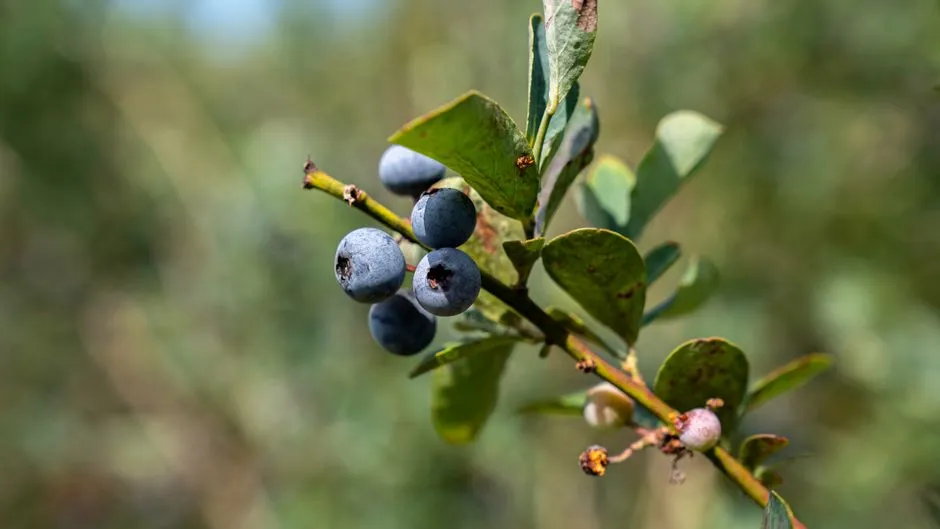
Blueberry plants are perennial woody shrubs with multiple stems and a shallow, fibrous root system. New shoots emerge from crown buds at the base of the plant in early spring, and plants typically produce several flushes of new top growth, especially during and right after flowering.
Fruits form on canes that are two to eight years old, with five-year-old canes being the most productive. Old canes are unproductive and should be pruned out at the crown. Plants can take up to ten years to reach their mature size, but well-maintained blueberry plants can live for over fifty years. That kind of longevity is worth protecting.
Getting Summer Watering Right
Most berry plants need one to two inches of water per week during the summer. Rather than sprinkling them daily, slowly soaking them once or twice a week throughout their growing period is far more effective, since deep watering promotes a healthy root system. During heatwaves and the fruiting period, they may require even more water.
Give them at least one inch per week during the growing season and up to four inches per week during fruit ripening. Insufficient water when the buds start to grow in late summer and when fruit is developing the following summer can lead to smaller berries. Too much water, on the other hand, can lead to large, bland fruit.
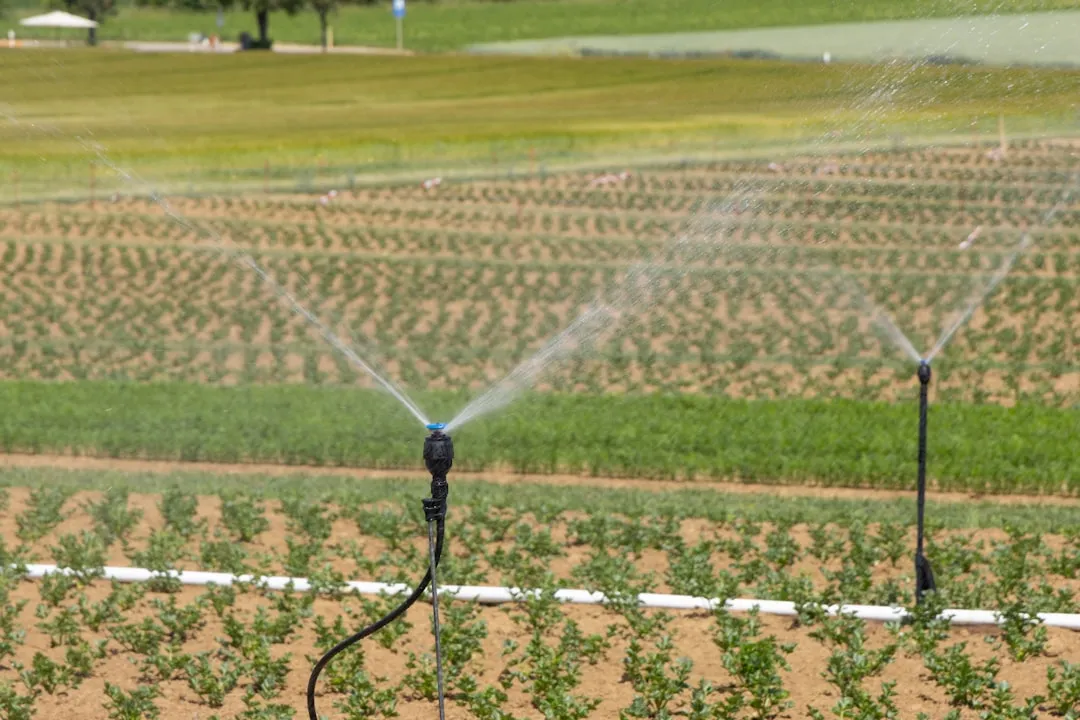
Raspberries particularly need irrigation during bloom and harvest. Watering plants early in the day and installing a drip or trickle system to avoid wetting the foliage is a great idea, since these systems place the water onto the root zone so plants receive moisture without encouraging weeds or wasting water.
The Importance of Soil pH Management
The most important thing about growing blueberries successfully is soil pH. Blueberries require a soil pH of 4.5 to 5.5. That’s significantly more acidic than most average garden soils, which tend to hover around neutral. Neglect this detail and even the best-watered, best-fed plants will struggle.
If leaves turn yellow, this often indicates iron deficiency caused by soil that is not acidic enough. Adjusting soil pH with sulfur or using an acid-loving plant fertilizer can help correct this problem. Plan to test your soil pH every year because it will change over time.
For established plants where the soil pH tests above 5.5, apply half of the required sulfur in spring and follow up in fall with the other half. Sprinkle the sulfur and fertilizer on the soil under the plant, water it in, and cover with mulch, applying both sulfur and fertilizer at the same time. Using an acidic fertilizer, such as those used on azaleas, hydrangeas, and gardenias, will help to keep the soil at the desired pH.
Smart Summer Fertilizing
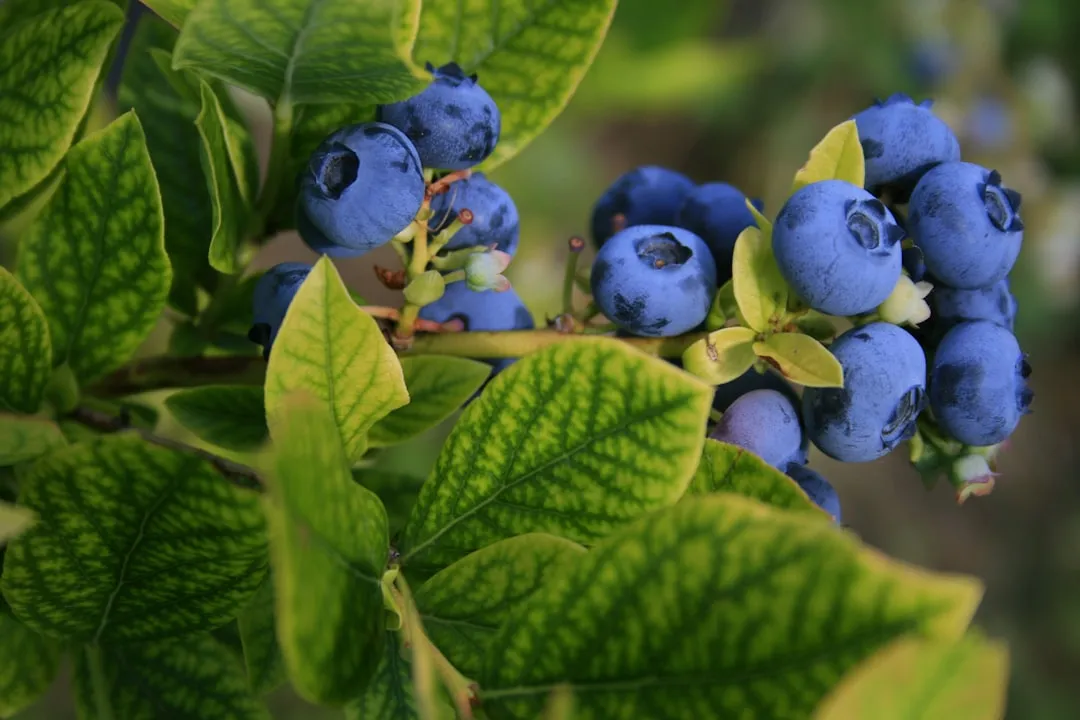
For both blackberries and blueberries, the first fertilizer application of the season should be made in late winter. After harvest, a second application can be made. A simple approach is to use one-half cup of 8-8-8 fertilizer per plant for mature blackberry plants and one cup of 8-8-8 per plant for mature blueberry bushes.
Do not fertilize raspberries in late spring or summer, as applications at those times encourage succulent growth which is more easily infected by diseases such as anthracnose. Similarly, avoid fertilizing in late summer, since tender new growth developing in response to late-season fertilization is susceptible to winter damage.
Regularly testing the soil’s pH levels ensures it stays within the optimal range for berry plants, and avoiding over-fertilizing is equally important, as excessive nitrogen encourages tender new growth that actually attracts pests. Blueberry plants prefer the ammonium form of nitrogen rather than the nitrate form, and ammonium sulfate is an excellent synthetic fertilizer for blueberries, while fertilizers formulated for acid-loving plants are also suitable.
Mulching for Moisture and Root Health
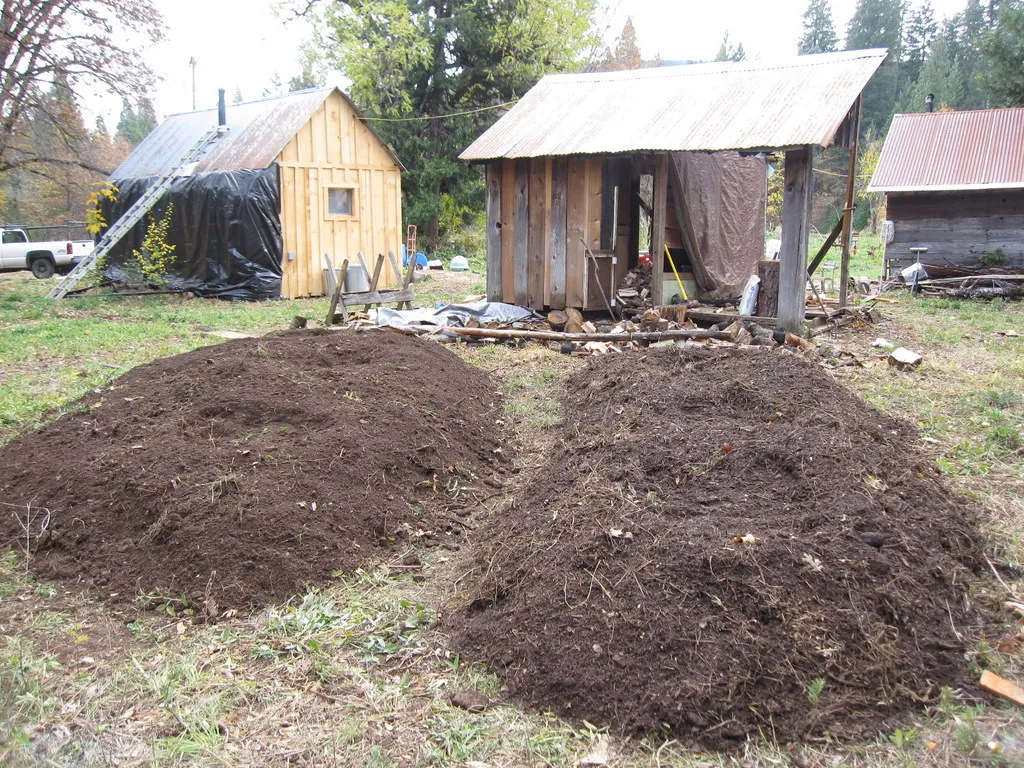
Mulch is essential for keeping shallow blueberry root systems moist. After planting, apply a two- to four-inch layer of wood chips, sawdust, or pine needles around the bush, but leave a gap around the trunk to allow for proper airflow.
Proper mulching helps retain moisture in the soil, keeps the roots cool in the summer and warm in the winter, and helps suppress weeds. It’s best to use an acidic mulch such as pine needles, oak leaves, or hemlock, as these mulches will help the soil pH stay in line with what blueberries prefer. Spread a two- to three-inch layer of mulch around the base of the blueberries, being careful not to pile the mulch against the stem of the plant.
Research at the University of Illinois has demonstrated that plants grown with mulch produce significantly larger fruit yields than plants grown without mulch. Mulch helps control weeds and keeps soil cool, loose, and uniformly moist. It should be four to six inches deep and cover a four-foot band centered on the plant row. Replenish the mulch as it deteriorates, since deteriorating mulch adds organic matter to the soil and creates a favorable environment for root growth.
Summer Pruning Without Hurting Next Year’s Harvest
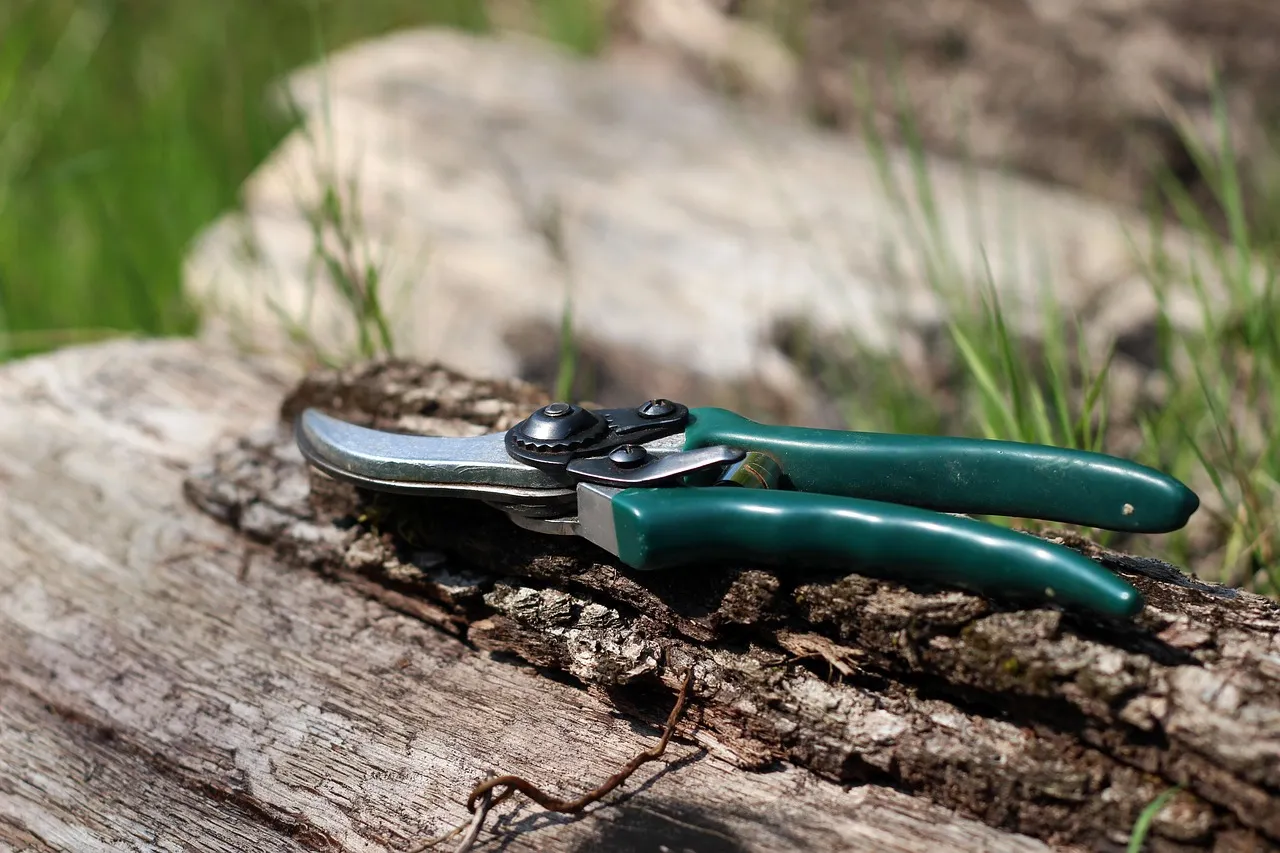
In blueberries, summer is the time to prune bushes to reduce height if needed, to make picking easier the following year. In regions with a long enough growing season, pruning blueberries after harvest allows for regrowth and flower bud development on that new growth. Waiting until wintertime to prune for height means cutting off already-developed flower buds that could have produced fruit.
Blueberry bushes should also be pruned annually in the dormant season to remove any dead, diseased, damaged, and rubbing wood. Those that aren’t pruned may produce more canes than they can support, causing smaller fruit and lower productivity, and have a tangled growth pattern that restricts light penetration and air movement, leading to increased potential for disease development.
The guiding principle behind blueberry pruning is renewal pruning: remove the older, decreasingly productive canes by cutting them out to force the growth of new canes. Pruning invigorates the plant, forcing vigorous replacement growth from the base. It will also increase fruit size and improve berry quality.
Managing Pests Organically During Summer
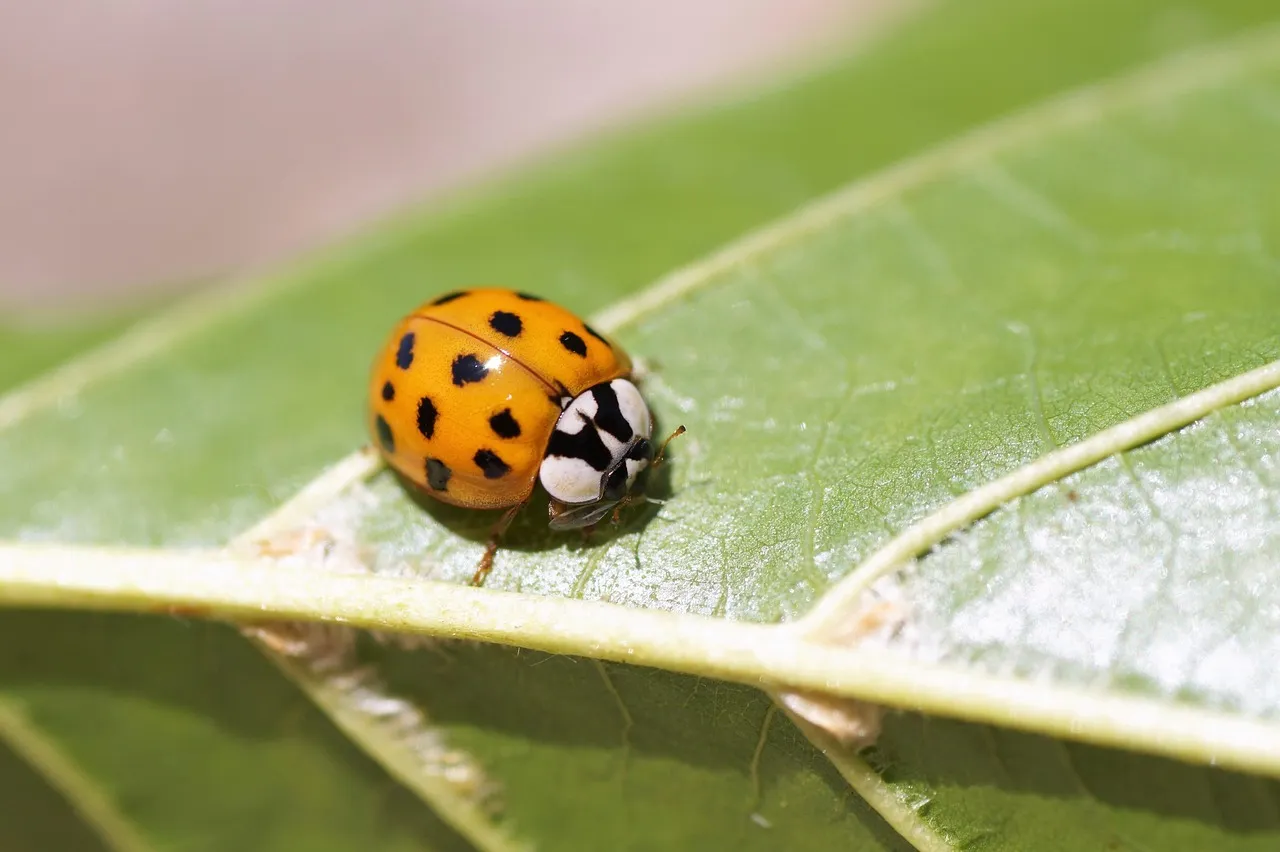
The first step in protecting your berry plants is knowing your adversaries. Common pests include aphids, spider mites, and Japanese beetles. Aphids are tiny insects found on the underside of leaves, often leaving behind curling leaves or a sticky honeydew-like residue. Spider mites are nearly invisible to the naked eye, but their damage is evident in stippled leaves and fine webbing between stems and leaves. Japanese beetles are shiny, metallic insects that chew through foliage and flowers.
Nature offers its own pest control methods in the form of beneficial insects like ladybugs, lacewings, and parasitic wasps, which feed on pest populations and keep them in check without the need for synthetic chemicals. Attracting these helpful insects is straightforward: plant a mix of flowers like yarrow, dill, and marigolds near your berry plants to provide a habitat and food source for them.
Spinosad is an organically approved insect control option, but it’s also harmful to pollinators such as bees. It should only be used when plants are not in bloom, such as when managing Spotted wing drosophila, which lays eggs after berries are formed.
Protecting the Harvest from Birds and Wildlife
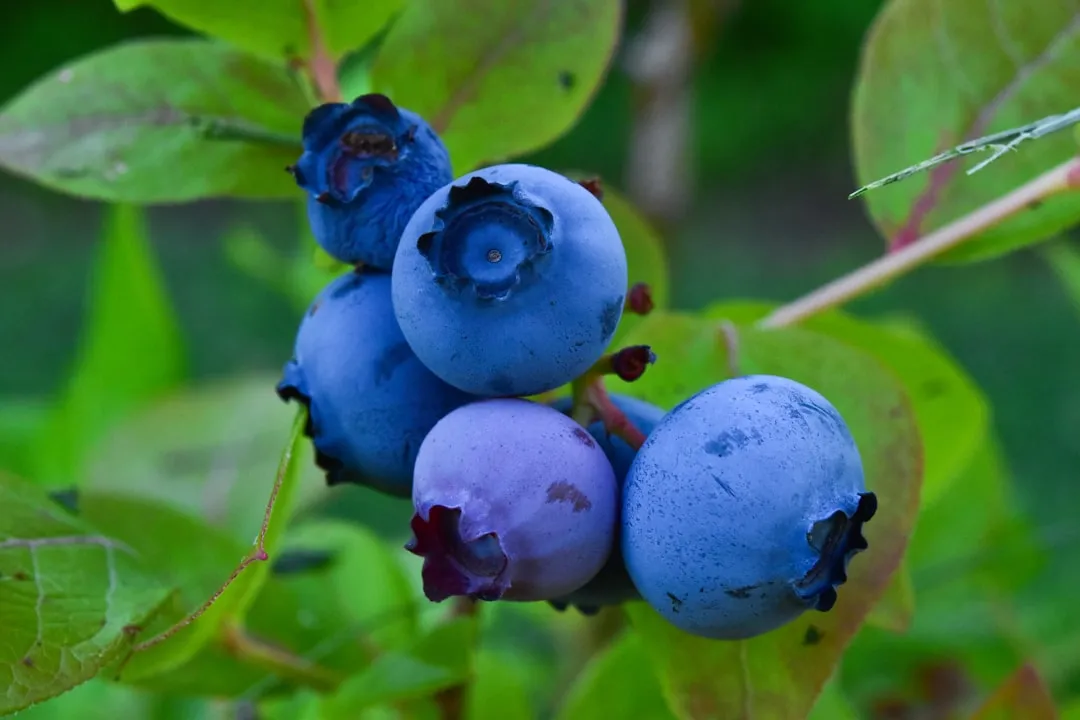
Birds are one of the biggest pests of blueberries and can quickly eat ripe fruit. To prevent birds from eating your crop, cover bushes with bird netting before berries ripen. Timing this correctly matters more than most gardeners realize.
Bird netting prevents birds from stealing your fruits from above. Wait to install bird netting until the berries and fruits start ripening, since if you install it too early, the plant will start to grow into and through the netting. Netting is the most effective solution overall. Put it on as the fruit starts to ripen and tie it securely around the base of the plants to exclude rodents as well.
It’s also good practice to harvest fruit as soon as it’s ripe, so pests don’t have a chance to get to it. Pre- and postharvest rots can be greatly reduced by timely, complete harvest of all ripe fruit on the bush, followed by rapid postharvest cooling.
Knowing When and How to Harvest
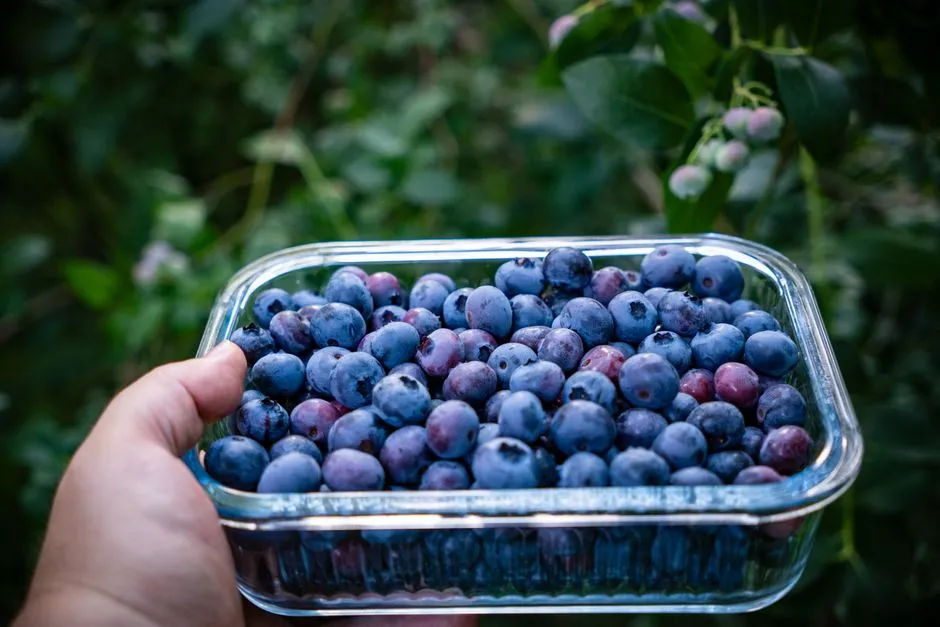
Harvest begins in June for early-ripening varieties and may continue through mid-September with late-ripening varieties. Berries turn blue three to six days before they attain maximum sweetness and flavor, depending on weather and cultivar. Blueberries do not ripen after picking.
After blackberries turn shiny black, wait a few days to let them soften and lose their shine. At that point they will be at the peak of sweetness for picking, and when fully ripe, the berry will detach easily. Harvesting in the morning on cool, dry days will result in a longer shelf life.
If possible, harvest berries in the morning after the dew has evaporated. Berries picked in the afternoon will contain field heat, which will reduce storage life. A three-year-old blueberry bush can produce two to three pints, and the yield will increase each year up to seven to ten pints from a ten-year-old bush.
Encouraging Pollination for Bigger Yields
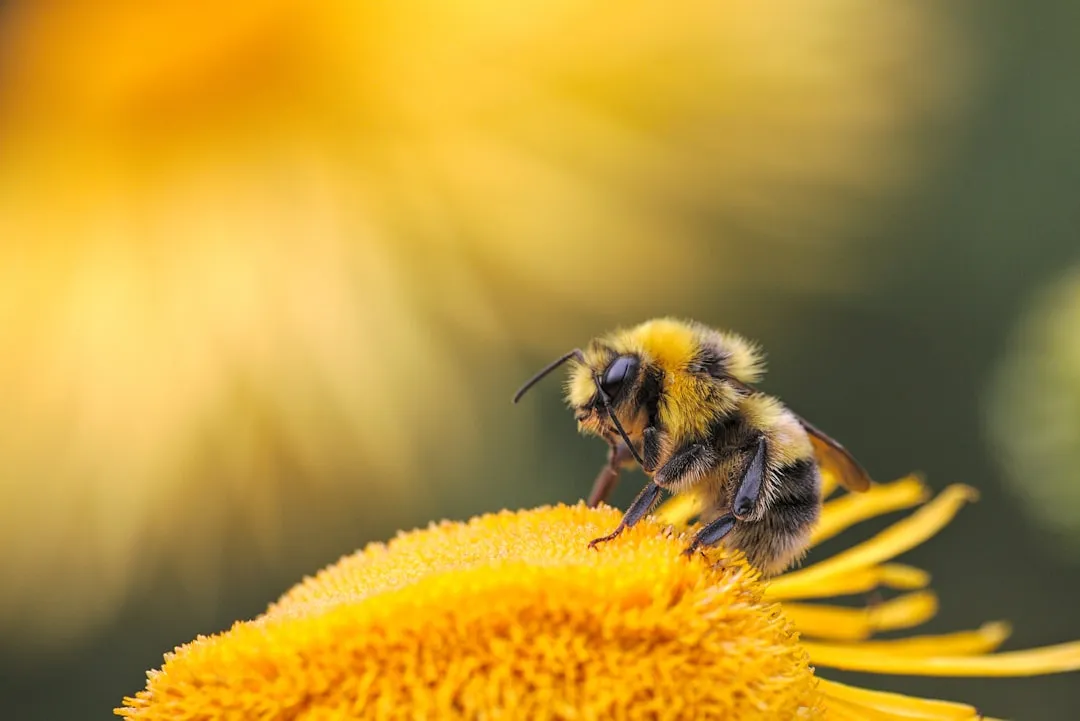
Without pollination, berries won’t form, so increasing pollination directly increases fruit production. Insects transfer pollen from one flower to another, pollinating most berry plants including strawberries and blueberries. This is why protecting pollinators throughout the summer is not just an ecological courtesy but a practical necessity.
Native bees like carpenter bees and bumblebees are more effective blueberry pollinators than honey bees. Blooms turn a wine color if not pollinated, while pollinated flowers drop after five to six days.
Blueberries can self-pollinate but will produce larger yields if cross-pollinated. To increase your yield, plant multiple varieties of the same species. If early, mid, and late season varieties are planted, this can extend the harvest period from late June through late August.
Conclusion
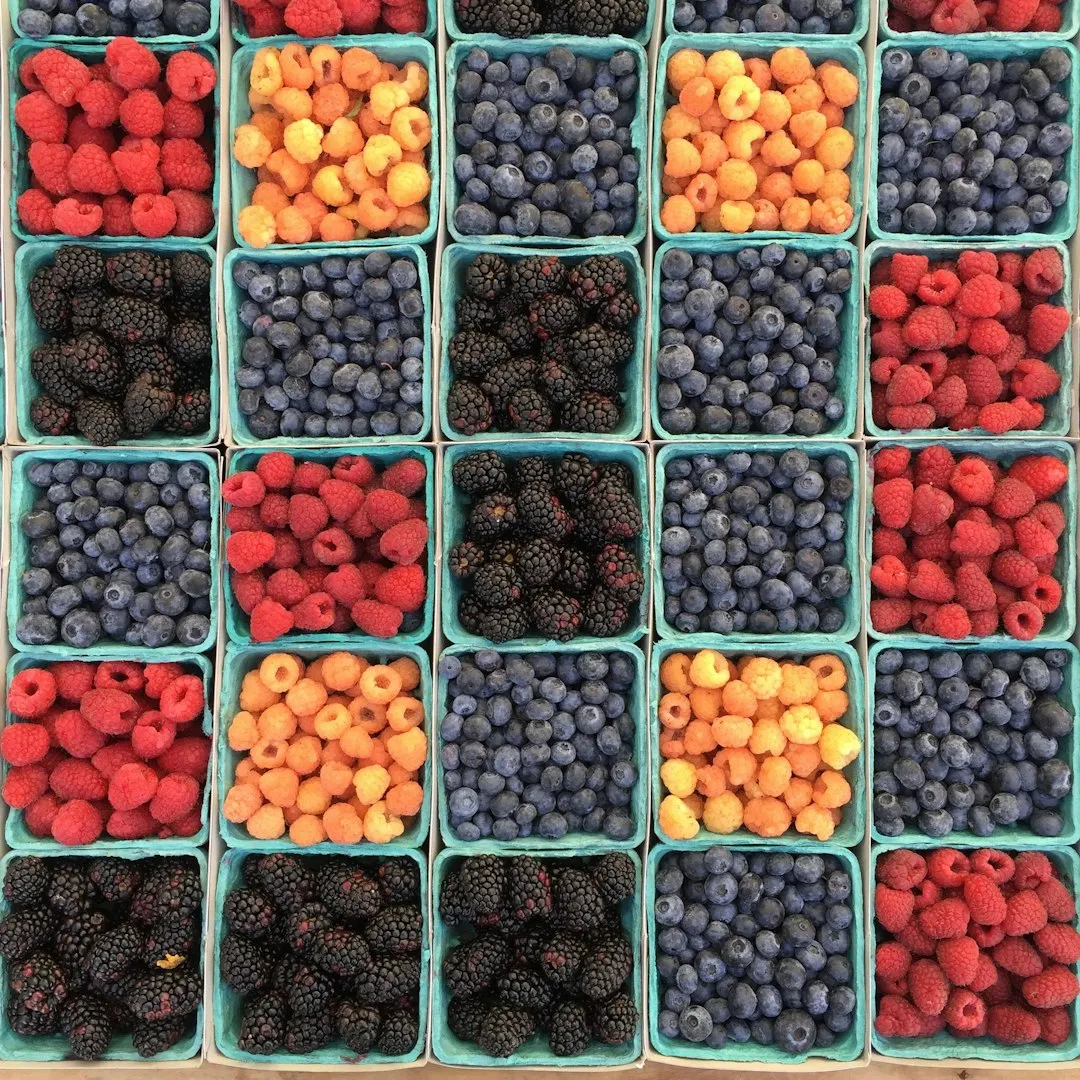
Summer care for perennial berry bushes comes down to a handful of well-timed actions: consistent watering, correct soil pH, judicious fertilizing after harvest rather than during, thoughtful mulching, and steady vigilance against pests. None of it is complicated on its own.
What makes the difference is doing these things together, consistently, rather than reacting to problems after they’ve taken hold. The plants you tend well this summer are quietly setting the stage for next year’s buds and canes right now.
Perennial berry bushes reward patience more than any other garden plant. Put in the work during these warm months and the returns, measured not in seasons but in decades, are genuinely extraordinary.
AI Disclaimer: This article was created with the assistance of AI tools and reviewed by a human editor.