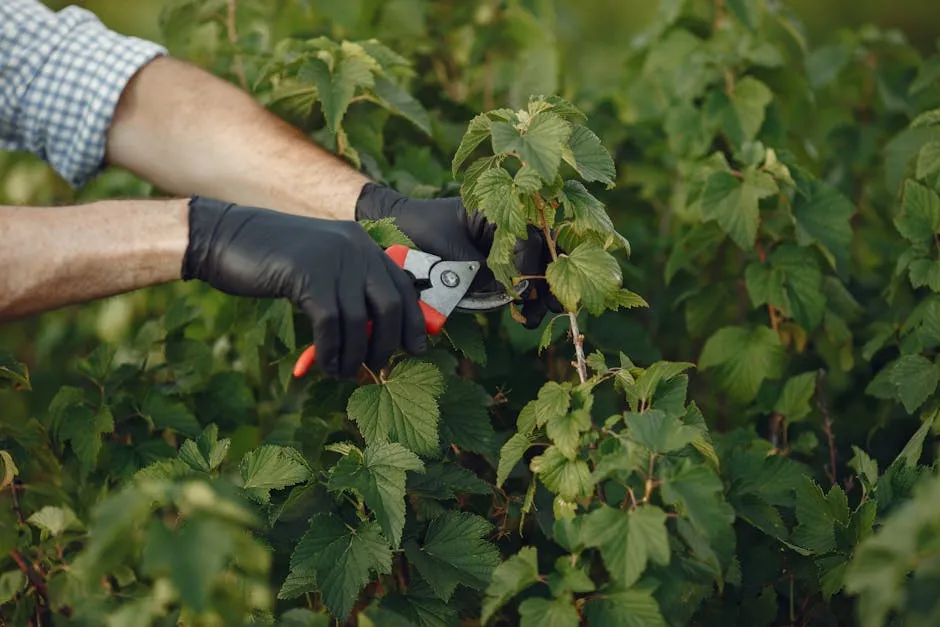

Most gardeners think pruning is a winter or early spring job. You wait for dormancy, grab your shears in February, and feel accomplished. What gets far less attention is the window opening right in the heart of summer, a quieter, more targeted kind of pruning that most home gardeners never bother with. The plants in your garden, however, notice the difference.
Mid-summer pruning isn’t about reshaping your entire landscape. It’s about making a handful of precise, well-timed interventions that influence plant health, fruit quality, disease pressure, and even next year’s bloom. The research supports it, even if the average garden calendar doesn’t mention it.
Why Mid-Summer Pruning Exists in the First Place
Summer pruning, which generally occurs from early spring through mid-summer, is primarily used to control excess vegetative growth. That’s the core reason it exists. When a plant grows too vigorously in summer, it diverts energy away from the things you actually want: fruit, flowers, and a well-balanced structure.
Excessive tree vigor can reduce flower bud formation, fruit set, and result in reduced fruit quality. Summer pruning, by removing the vigorous growing shoots, increases the light intensity in the cropping zone and color intensity. These aren’t marginal improvements. For anyone growing fruit or flowering ornamentals, the difference is visible and measurable.
Summer pruning controls height and reduces vigor, while winter pruning encourages strong new growth and is better for structural changes. Understanding that distinction is really the whole foundation of summer pruning logic.
The Water Sprout Problem Nobody Talks About Enough
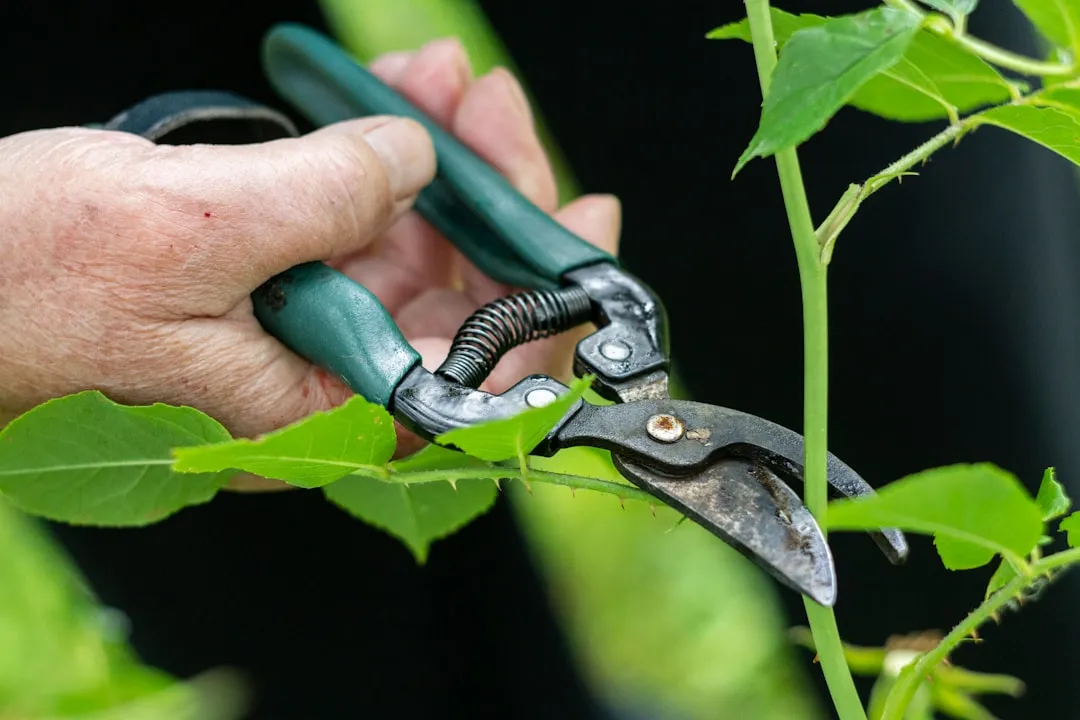
Watersprouts are fast-growing and have a tendency to grow vertically, either from the trunk or from an existing branch, and they block light and air circulation within the tree. This growth habit means watersprouts are in the way and they reduce the overall quality of potential fruit.
At the very least, they are unattractive and take away from the architectural framework of a plant. More importantly, they use water, nutrients, and energy that could be put to better use if not taken from the rest of the plant. Most gardeners glance at water sprouts, shrug, and walk away. That inaction compounds over the season.
Since suckers and water sprouts are excess and undesirable, pruning those during the summer means it is less likely for the tree to respond by regrowing new ones. It will instead redirect resources to elsewhere in the tree. This is the logic that makes summer the right moment, not winter.
The Difference Between Suckers and Water Sprouts
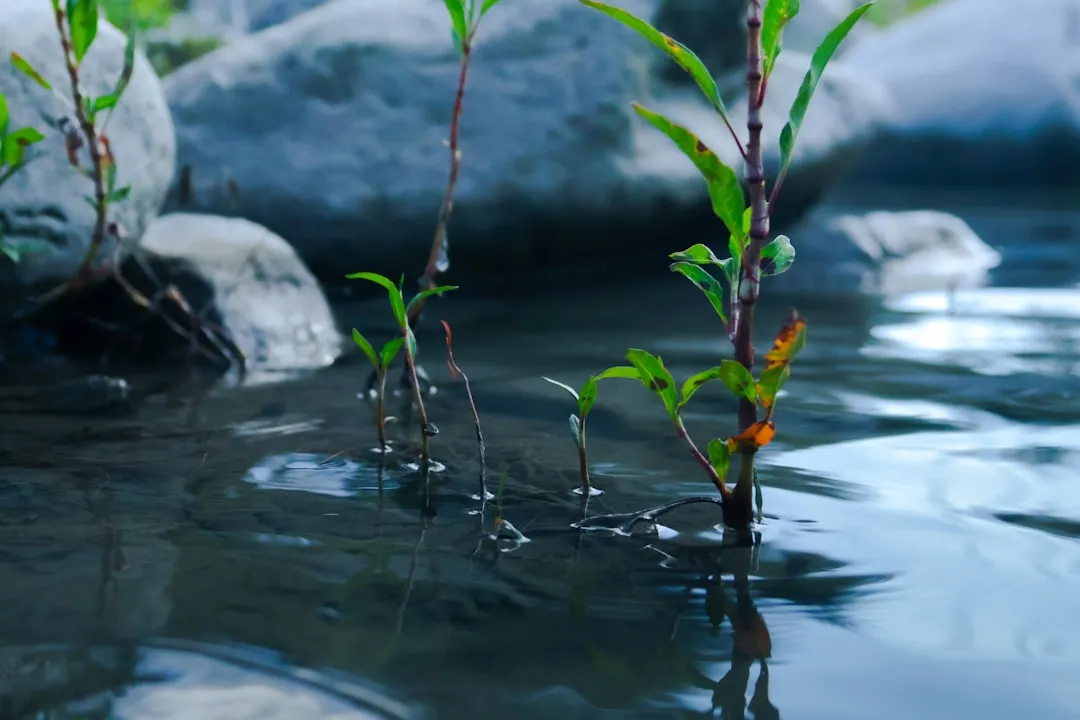
Water sprouts grow above ground from the trunk or branches, which is epicormic growth from latent buds in the bark. Suckers, or root suckers, emerge from the roots or below the graft union, often from the rootstock. They’re a bigger issue on grafted trees because they can outcompete the desired variety and produce inferior fruit from the rootstock.
Always remove suckers immediately, as they steal nutrients from your chosen scion, the fruiting part. Water sprouts are more of a canopy management issue. Both matter, but for different reasons, and treating them identically is a mistake.
Early summer, from late spring to midsummer when sprouts are two to twelve inches long, is often the gold standard for most fruit trees. Young sprouts are tender and can be rubbed or pinched off by hand with minimal wound, the tree heals quickly, and regrowth is dramatically reduced because energy reserves are already committed to summer growth.
How Summer Pruning Improves Fruit Quality
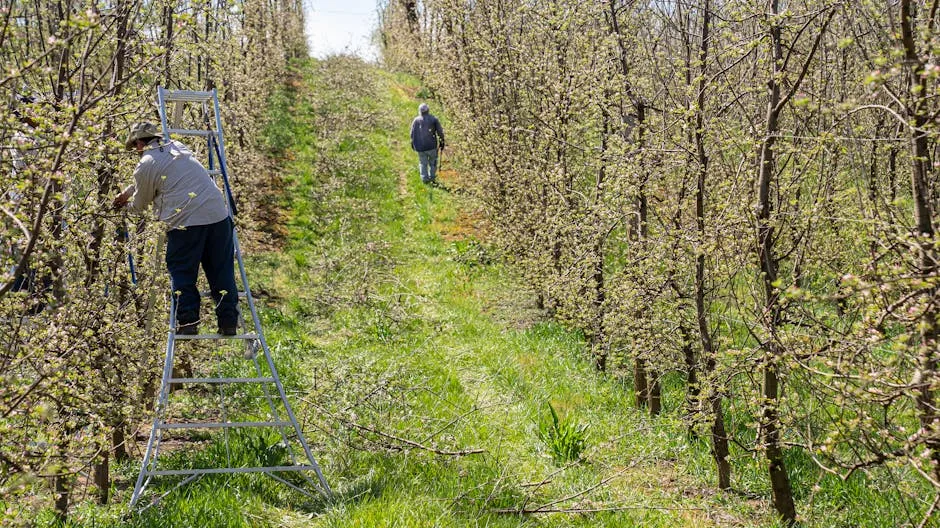
Increased light transmission within the canopy following summer pruning promotes anthocyanin synthesis in apples, which results in uniformly and deeply colored fruit skin, significantly improving the appearance of apples, especially red-skinned and red-fleshed varieties. Color is one of those qualities that buyers and home growers both notice immediately.
Intrinsic quality indicators such as total phenolic content, antioxidant activity, soluble solids, and flesh firmness are significantly increased in fruits from pruned trees, whereas acidity levels decrease. A 2025 peer-reviewed literature review published in PeerJ confirmed these findings across multiple studies spanning decades of apple orchard research.
Timely and appropriate application of summer pruning can control the vigorous growth of new shoots, promoting the differentiation of flower buds, enhancing early fruiting and yield of young trees, improving the ventilation and light conditions of trees, and reducing the occurrence of pests and diseases, thereby achieving superior fruit quality.
When Timing Mid-Summer Cuts Goes Wrong
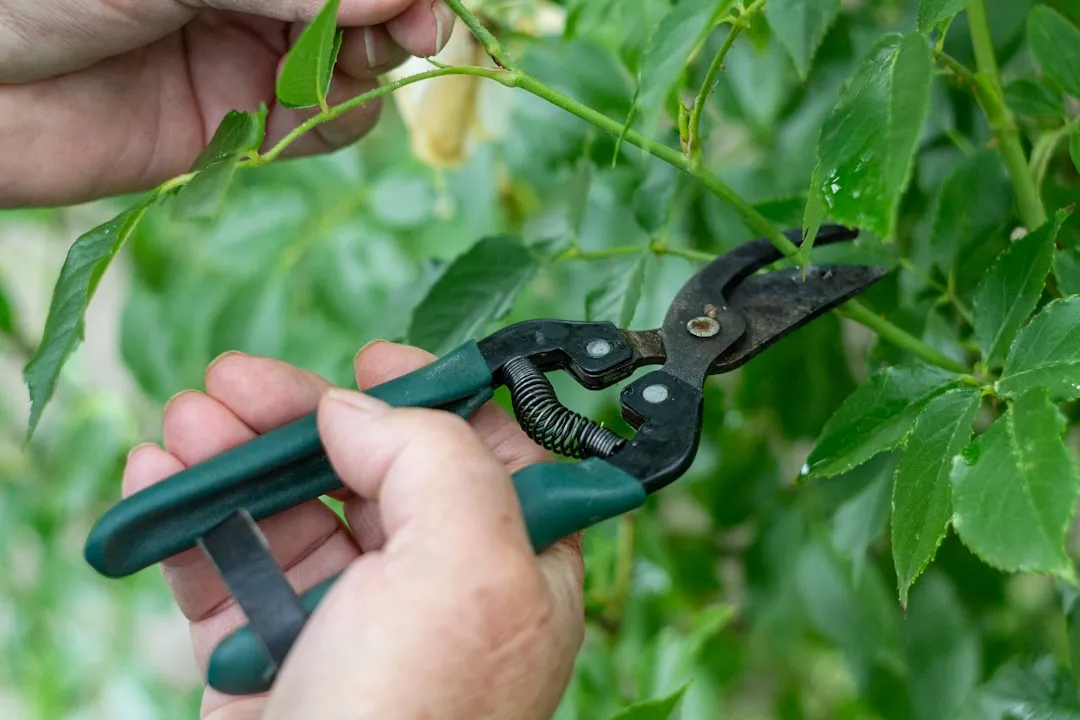
The only place where summer pruning may be especially beneficial is when light is the primary factor limiting fruit red color development. In those cases, selective removal of vigorous shoots three or four weeks before harvest may increase light enough to improve red color without reducing fruit size and quality.
It’s worth noting that not every type of summer pruning pays off equally. Penn State Extension research found that timing matters considerably, and cutting too late in the season yields diminishing returns. Summer pruning later than mid-July will have no effect on flower bud development. Mark that date on your calendar.
Avoid pruning during extreme midday heat. Early morning or late afternoon cuts are gentler on the tree’s vascular system and reduce the risk of sunscald on exposed bark. This is a detail most guides bury at the bottom, but it matters more in hot-summer climates.
Summer Pruning Roses: The Deadheading Myth
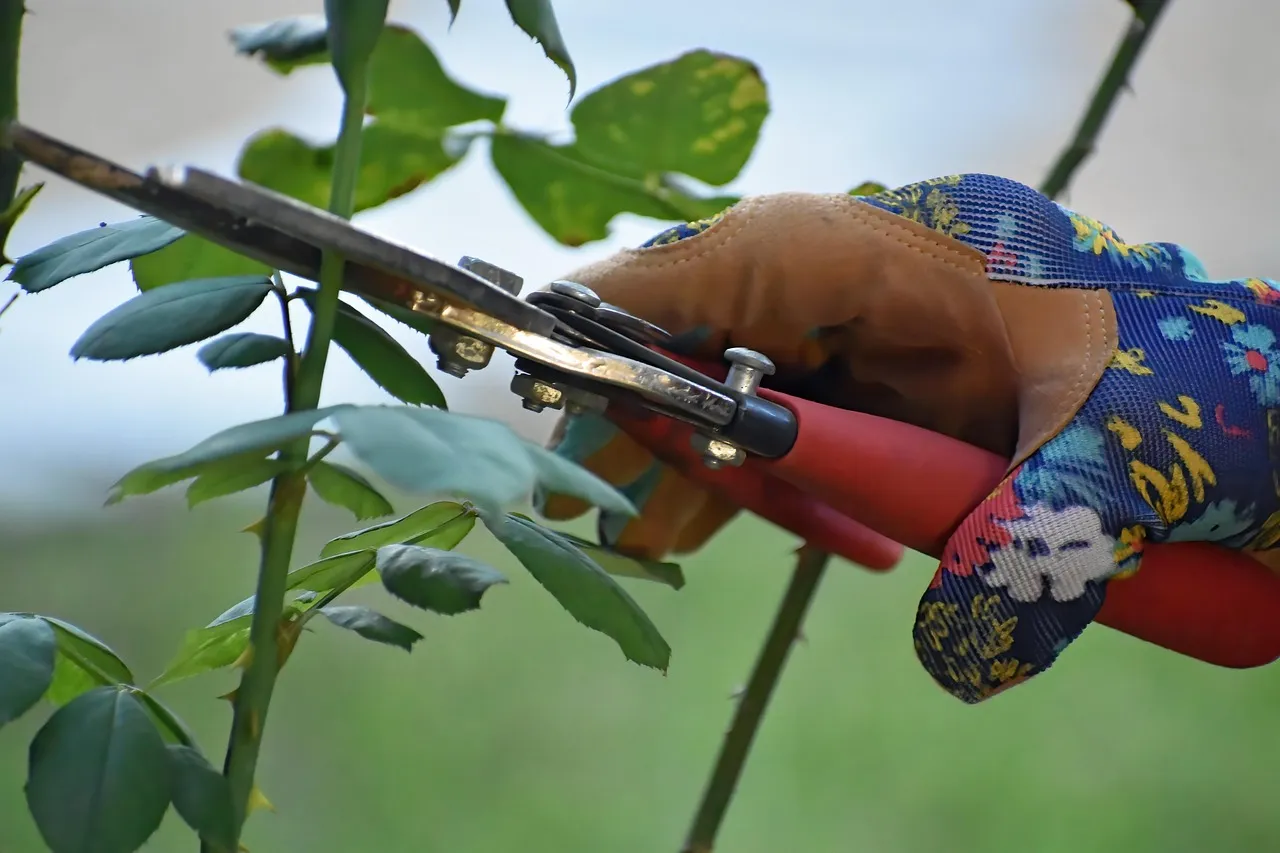
Many gardeners equate summer rose care with simple deadheading. That’s part of it, but it’s far from complete. Removing finished blooms signals the plant to redirect energy into forming new flower buds, especially in modern hybrid teas, floribundas, grandifloras, and many shrub roses.
Dense, humid foliage creates ideal conditions for black spot and powdery mildew. Thinning interior growth improves light penetration and air movement, reducing leaf wetness duration, which is a critical factor in spore germination. This is where summer pruning crosses from aesthetic work into genuine disease management.
Older varieties of shrub roses need a light summer prune once their first flush of flowers fades. This is not like the major cutting back done in late winter or early spring. It’s a light prune to remove spent flowers and encourage leafy, new growth. The key word is light. Restraint is the technique here.
Shrub Thinning: The Interior Cut Most Skip
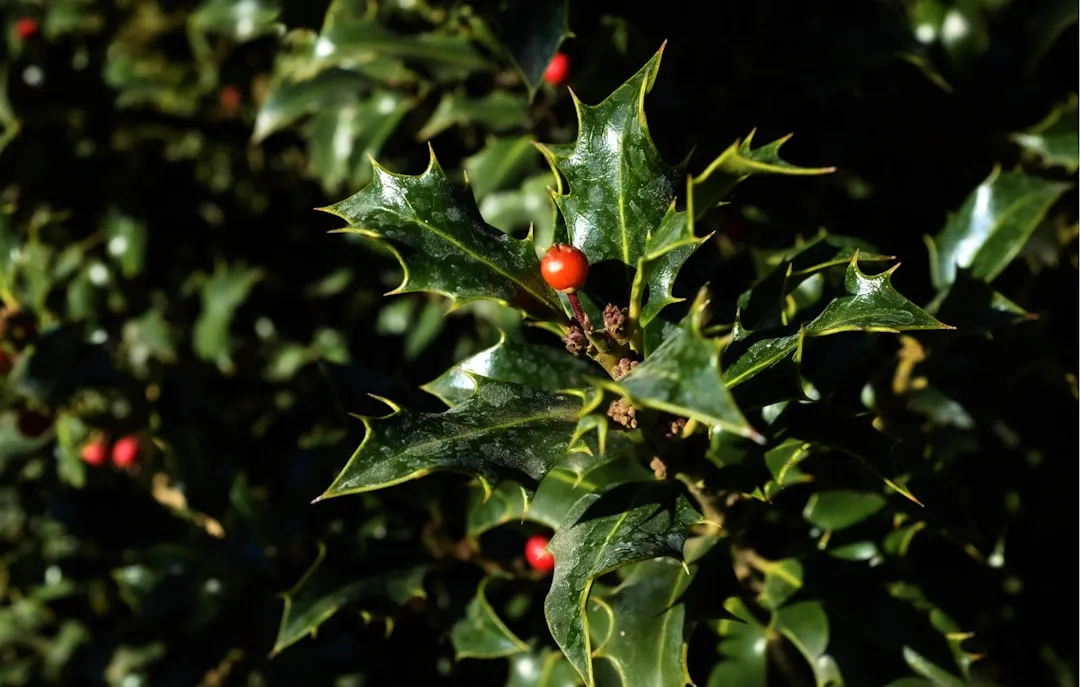
Selective thinning when shrubs become too dense improves light and air circulation. This promotes interior growth for a healthier plant with a natural appearance. Most home gardeners shape the outside of a shrub. They rarely reach inside it.
Trim shrubs in the summer as soon as possible after flowering to favor as many of next year’s flower buds as possible. The window closes faster than most people realize. Waiting a few extra weeks to get around to it can cost you an entire season of bloom on spring-flowering plants.
During summer, it’s easier to spot defective branches that have not leafed out properly. Full foliage actually works in your favor here. Dead wood becomes obvious in a way it isn’t during dormancy.
The One-Third Rule: Non-Negotiable Regardless of Season
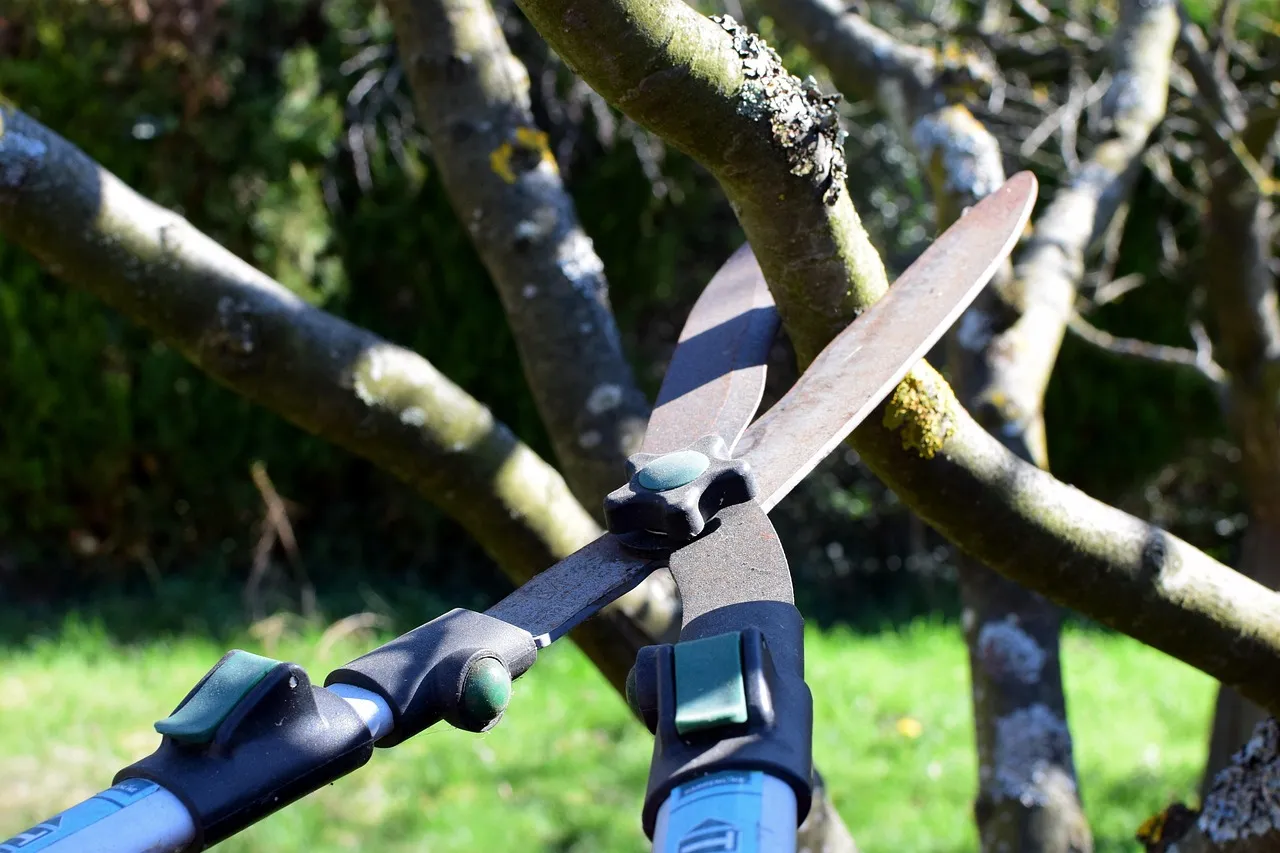
Every reputable horticultural source repeats a single rule about pruning volume, and mid-summer is no exception to it. Seldom is it advisable to remove more than one-third of the plant at one time. The phrasing is gentle but the principle is firm.
Practice the One-Third Rule of pruning, removing no more than one-third of wood per year. Any more than that and you could trigger a survival response that prompts the plant to generate more suckers and water sprouts. Ironically, over-pruning tends to create the exact problems it was meant to solve.
Excessive pruning negatively affects the tree’s strength, yield, and fruit quality. The research on apple trees from a 2025 PeerJ literature review makes this very clear. More is not better; targeted is better.
Tool Hygiene: The Step Everyone Forgets Mid-Session
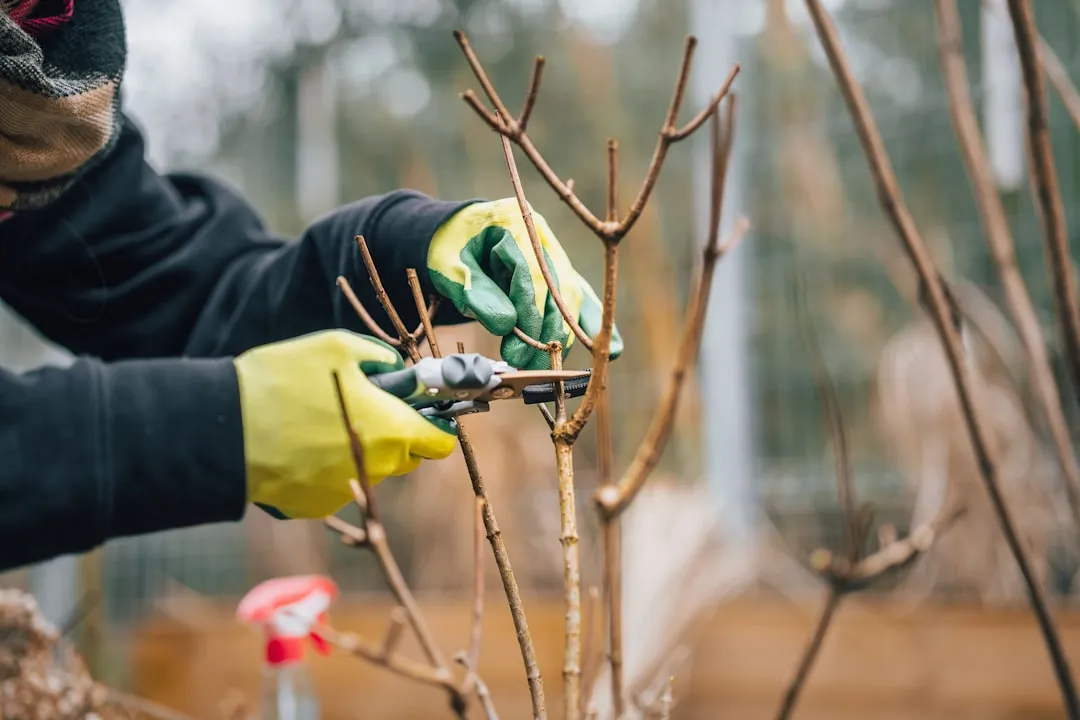
Always disinfect tools with rubbing alcohol between cuts to prevent disease transmission, especially during the dormant season from late fall through early spring when pruning is most effective. The same standard applies in summer, arguably even more urgently given that active growth means open wounds are exposed to more microbial activity.
Disinfect tools after each tree, or between major cuts, to prevent spreading diseases like fire blight. Dispose of clippings and don’t compost if diseased. This is where casual pruning can actually do real harm. A contaminated pair of loppers moved from one tree to the next is a disease vector.
Sterilize the blade of pruners, loppers, or saw with a solution of one part bleach to ten parts water, dipping the blade into the solution between each cut. It takes thirty seconds and can make the difference between isolated disease and a spread that costs you multiple plants.
What Not to Prune in Mid-Summer

Knowing what to leave alone is as important as knowing what to cut. Be sure to hold off on any major structural pruning until the dormant season. Mid-summer is for maintenance and targeted removal, not renovation.
Healthy green foliage is a photosynthetic factory. Removing more than about a fifth to a quarter of total leaf area impairs carbohydrate production needed for root storage and next season’s growth. Leaves aren’t just decoration. They’re doing critical work through the hottest months.
In hot summer areas, leave some interior growth to shade the graft and prevent sunscald. This applies especially to roses and grafted fruit trees. Opening up the center too aggressively in intense sun exposes vulnerable tissue and can cause real damage. Restraint, especially in peak summer heat, is the discipline that separates a knowledgeable pruner from an overzealous one.
Conclusion: The Quiet Season That Shapes Next Year
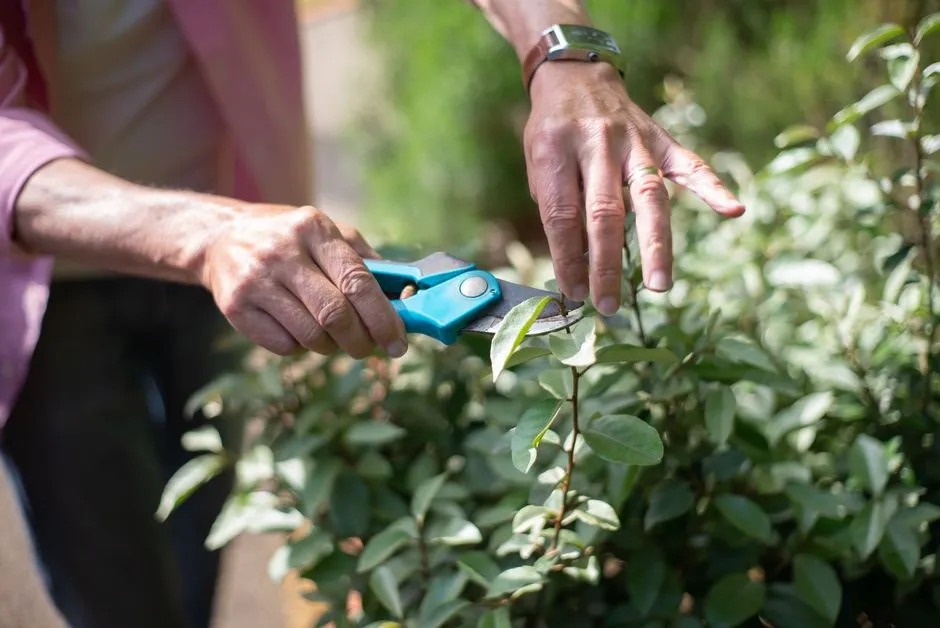
Mid-summer pruning won’t make headlines in gardening forums. It doesn’t deliver the dramatic before-and-after that a hard spring cutback does. What it delivers instead is quieter and more durable: cleaner canopies, better light, fewer pests, healthier wood heading into autumn, and fruit that actually looks and tastes like it was cared for.
The gardeners who skip this ritual usually aren’t being lazy. They genuinely don’t know it matters. Now you do. A few well-placed cuts between late June and mid-July, done with clean tools and a light hand, can shift the trajectory of a plant for the whole season. Sometimes the most impactful garden work is the kind that looks like almost nothing at all.
AI Disclaimer: This article was created with the assistance of AI tools and reviewed by a human editor.