

Most people check a price tag before buying a shirt. Very few check the environmental cost. Fast fashion has restructured the way clothing is designed, produced, distributed, and discarded over the past two decades, and the numbers attached to that shift are staggering. The industry now touches nearly every environmental crisis we’re facing, from water scarcity and chemical pollution to greenhouse gas emissions and microplastic contamination.
The good news is that the wardrobe choices available to consumers in 2026 are more practical and more accessible than ever before. Understanding what the industry actually costs the planet is the first step toward making those choices count.
A $150 Billion Industry That Keeps Growing

Fast fashion is now a $150.82 billion industry, having grown by more than ten percent from 2024 and estimated to reach $291.1 billion by 2032. That trajectory reflects an enormous appetite for cheap, trend-driven clothing that shows little sign of slowing down. Shein alone holds a fifty percent market share in the United States, a figure that has doubled since early 2020.
Social media platforms like Instagram and TikTok have significantly fueled this growth, allowing brands to connect rapidly with younger audiences. The business model is built on speed: trend to shelf in days, worn a handful of times, then discarded. That cycle is precisely where the environmental damage begins.
Carbon Emissions: More Than Flights and Shipping Combined

The fashion industry is now responsible for roughly ten percent of the global annual carbon footprint, exceeding the emissions from all international flights and maritime shipping combined. That comparison tends to surprise people, largely because aviation gets far more public attention. The industry is responsible for 1.2 billion tons of greenhouse gases annually, a figure predicted to increase by fifty percent by 2030.
Producing just one kilogram of fabric generates around 23 kilograms of greenhouse gases, largely due to reliance on fossil fuels. Long supply chains that depend on fossil fuels for transportation, combined with energy-intensive practices like manufacturing synthetic fibers, contribute heavily to fashion’s carbon footprint. The problem compounds the further down the supply chain you go.
The Water Crisis Nobody Talks About Enough
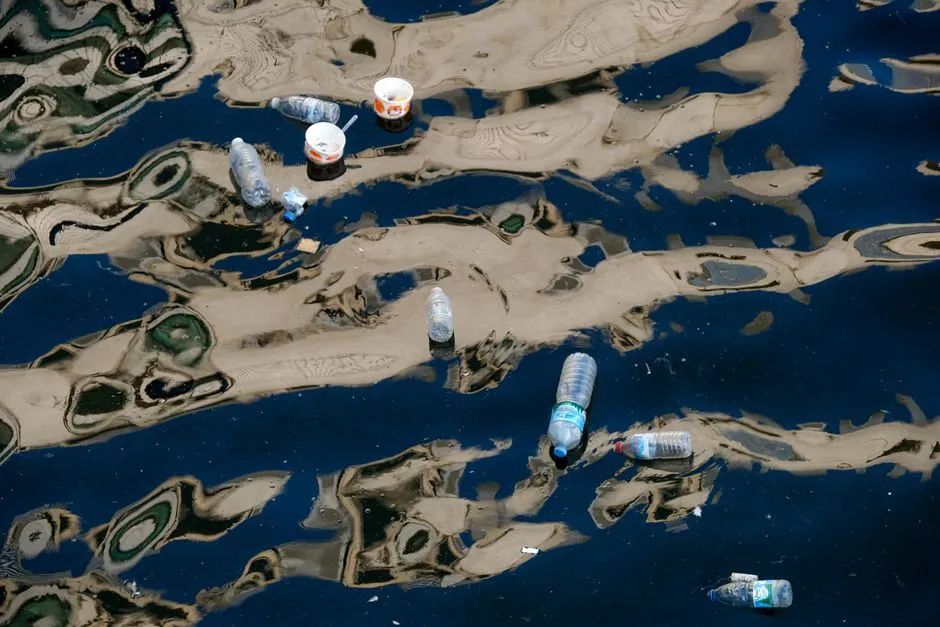
The fashion industry is the second-largest consumer of water among all industries, requiring about 700 gallons to produce a single cotton shirt and roughly 2,000 gallons to produce one pair of jeans. Those are not abstract numbers. They represent real pressure on water systems in countries where clean water is already scarce.
The fashion industry accounts for between seventeen and twenty percent of the world’s wastewater, according to the World Bank. Textile dyeing is considered the world’s second-largest polluter of water, with leftover water from the dyeing process frequently dumped into ditches, streams, or rivers. Rivers in major textile-producing regions have, in documented cases, run the colors of whatever dye was in production that season.
Textile Waste: A Mountain That Keeps Growing
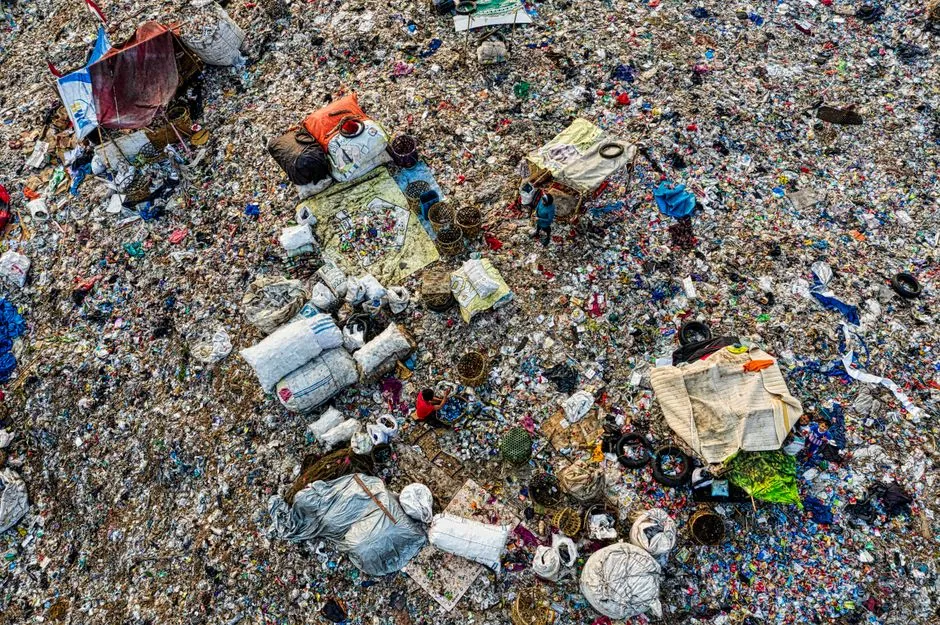
The fashion industry is responsible for 92 million tonnes of waste annually, a figure projected to rise to 134 million tonnes by 2030, according to UNEP. More recent estimates are even higher. Some reports suggest that textile waste has already reached 120 million metric tonnes per year, according to a Boston Consulting Group report from 2025.
Total textile waste in the United States alone exceeded 17 million tonnes in 2018, a tenfold increase from 1960, according to the Environmental Protection Agency. Meanwhile, eighty-five percent of all textiles end up in dumps each year. The scale of that waste is difficult to visualize, though satellite imagery of dump sites in the Atacama Desert in Chile has offered a grim illustration of what unsold and discarded clothing looks like when it accumulates without limit.
The Microplastic Problem in Your Washing Machine
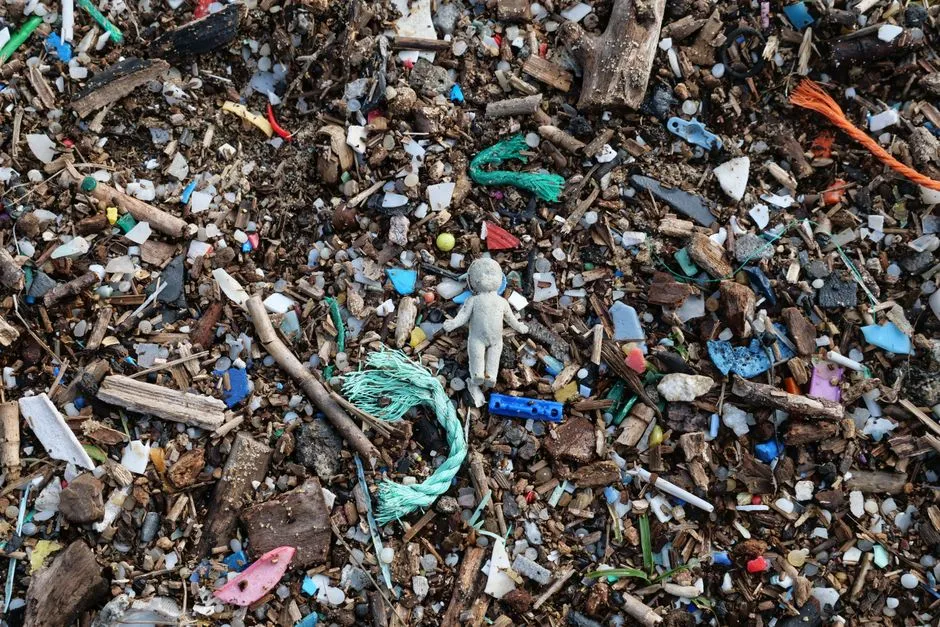
Research estimates that synthetic textiles are responsible for 35 percent of the microplastics in our oceans today, and as of 2024, scientists estimate there are 51 trillion microplastic particles in those waters. Every wash cycle contributes to that number. Washing one polyester shirt every two weeks can release approximately 52,000 microplastic fibers annually, and a single laundry load of polyester clothes can discharge as many as 700,000 microplastic fibers.
In 1960, ninety-five percent of textile fibers were natural and biodegradable. Today, demand for textiles has skyrocketed by over 650 percent, while the share of synthetic fibers has grown from three percent to sixty-eight percent. If current trends continue, an estimated 22 million tons of microfibers are expected to enter the oceans between 2015 and 2050. These particles don’t simply disappear; they move through the food chain and have been detected in seafood, drinking water, and human tissue.
The Recycling Gap: Almost Nothing Gets Reused
Less than one percent of the material used to produce clothing is recycled into new clothing, resulting in over $100 billion in material value lost annually, according to the Ellen MacArthur Foundation. The Circularity Gap Report on Textiles from 2024 found that only 0.3 percent of the 3.25 billion tonnes of resources used each year to produce global textile items comes from recycled sources.
In the 1960s to 1990s, the United States recycled roughly thirty percent of its textile waste. Today, less than one percent of old clothes are turned into new ones. Most recycled polyester in clothing actually comes from recycled plastic bottles, not from old garments. The circular economy that fashion brands often advertise is, for now, far more aspiration than reality.
Who Bears the Heaviest Burden
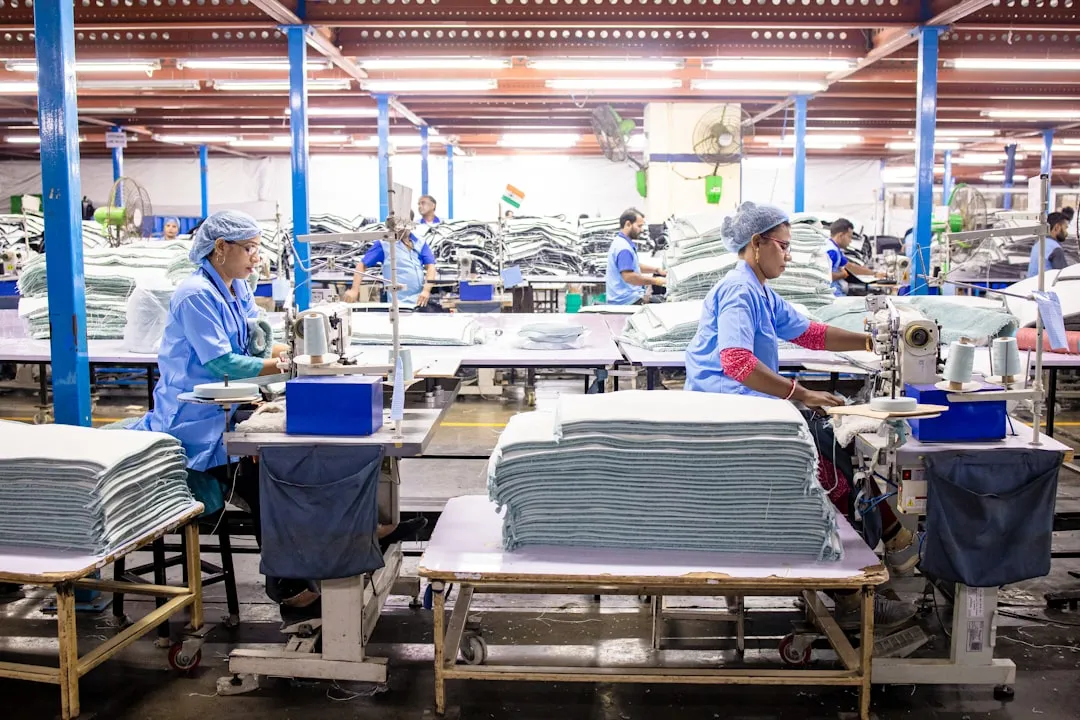
A 2020 report found that ninety-three percent of surveyed fashion brands failed to provide any evidence of paying a living wage to their suppliers, with poor working conditions and environmental degradation often going hand in hand as brands focus on cheap, rapid production. The communities closest to textile factories, dyeing plants, and landfill sites carry a disproportionate share of the health consequences.
Textile waste is frequently burned in landfills, and waste pickers in those sites often lack appropriate protective gear, making them vulnerable to toxic chemicals released during combustion, including conditions like asthma and lung inflammation. According to a report by Refashion in France, less than ten percent of collected reusable textiles are actually sold locally, with thirty-five percent exported to African countries and twenty-four percent to Asia. Donated clothes, in other words, frequently become someone else’s waste crisis.
Brand Transparency: The Accountability Gap
Just four brands out of the 250 largest fashion companies, specifically ASICS, H&M, Marks & Spencer, and Patagonia, disclose emission reduction targets that meet the level of ambition called for by the United Nations, which requires a fifty-five percent absolute reduction in emissions by 2030 from 2018 levels. Meanwhile, fifty-seven percent of brands show no clear progress on their climate targets at all.
Corporate secrecy among fashion brands has more than tripled since 2021, with over half of major companies failing to respond to sustainability surveys in part or in full, compared to seventeen percent in 2021. Greenwashing is real, and it makes informed consumer decisions harder. Certifications, verified supply chain disclosures, and third-party audits remain the most reliable ways to distinguish genuine commitment from marketing language.
Building a Sustainable Wardrobe: Where to Start
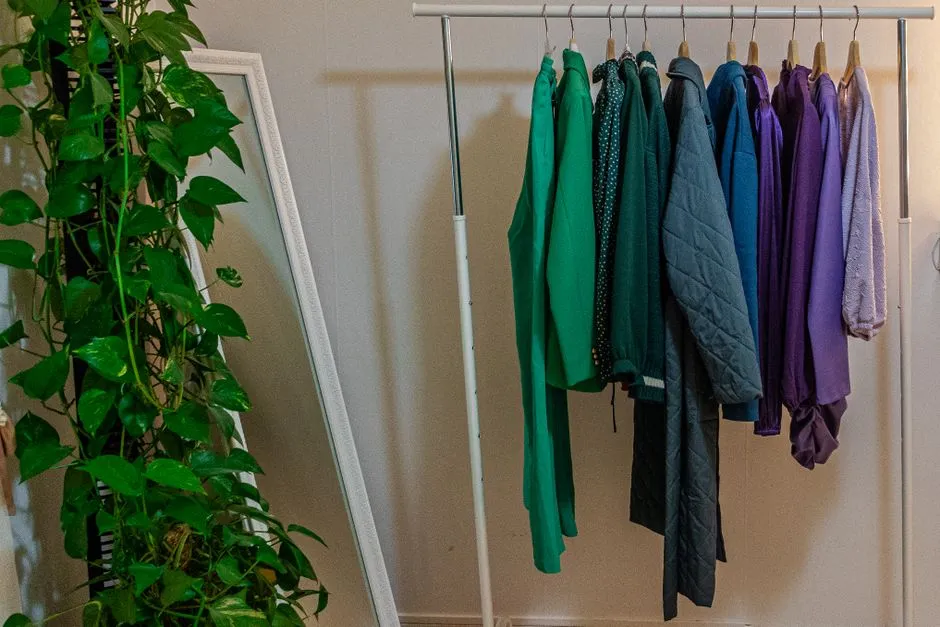
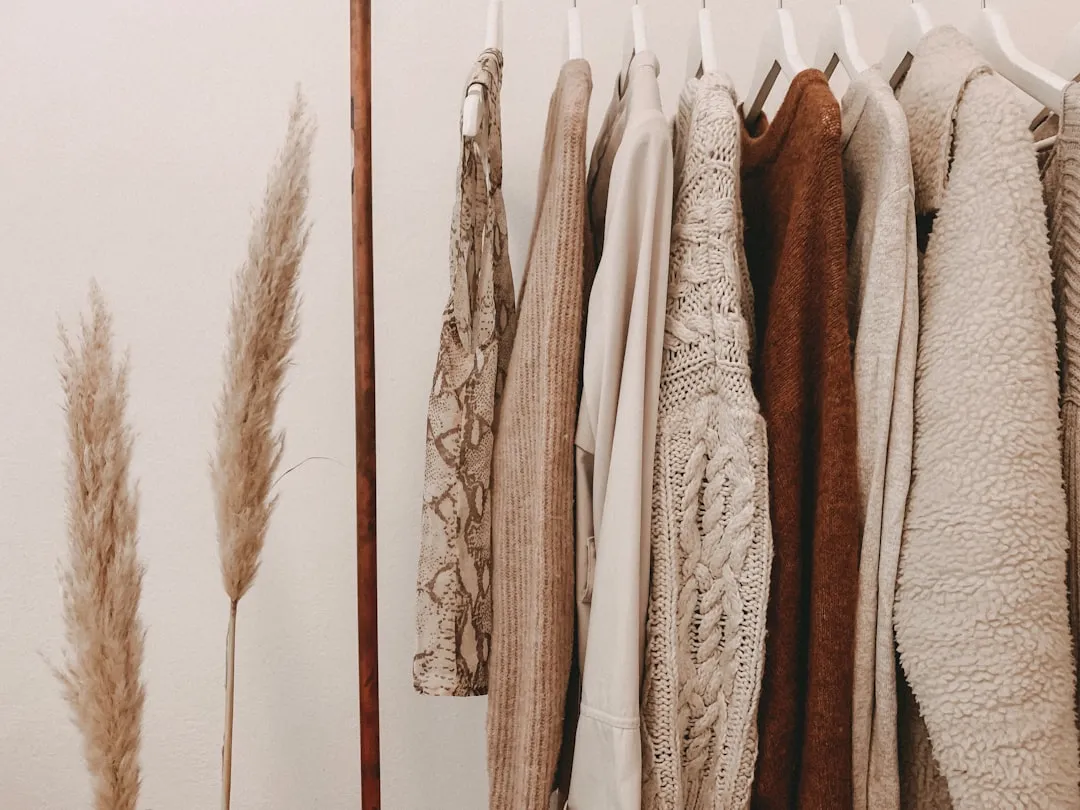
The shift toward a more sustainable wardrobe doesn’t require a complete overhaul on day one. Starting with a wardrobe audit is practical and free. Before shopping for new pieces, go through each item you already own and consider its condition, fit, and how often you actually wear it. Many people discover they already own far more than they use, which naturally reduces the impulse to buy.
A capsule wardrobe, built from a curated collection of versatile, interchangeable pieces, emphasizes a minimalist and intentional approach to fashion that directly combats the overconsumption encouraged by fast fashion. When building out that wardrobe, prioritize brands committed to sustainable sourcing and fair labor practices, and choose garments made from organic or recycled fabrics that support eco-friendly production methods.
Practical Alternatives That Make a Difference
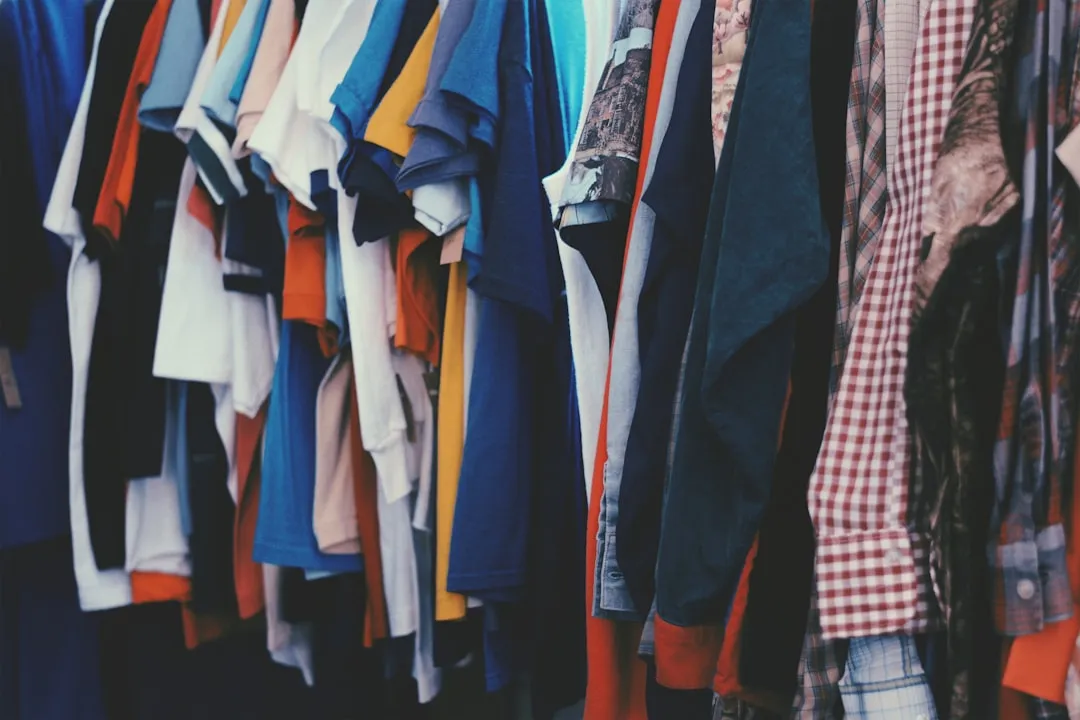
Research shows that the secondhand clothing industry could save around 20 trillion gallons of water over the next decade, the equivalent of 30 million Olympic-sized swimming pools, by offering an alternative to the manufacture of new clothes. Platforms like ThredUp, Depop, and Vinted have made secondhand shopping far more accessible than it was a decade ago. Thrifting and secondhand shopping are both eco-friendly and budget-friendly, offering stylish and unique items that help reduce fashion waste.
Organic cotton requires ninety-one percent less water and releases forty-six percent fewer emissions than conventional cotton. Choosing natural fibers where possible, washing clothes in cold water, and repairing garments rather than replacing them all reduce impact meaningfully over time. There’s no single approach to sustainable fashion that works for everyone, and progress, not perfection, is the goal. Small changes like choosing a fabric with a lower environmental impact or repairing instead of replacing add up over time.
Conclusion: The Cost of What We Wear
Fashion has always been a form of expression. It has also, for several decades now, been one of the planet’s most resource-intensive industries. The environmental case for changing how we consume clothing is well-documented and, at this point, hard to ignore. The data on emissions, water, waste, and microplastics points clearly in one direction.
What’s encouraging is that the alternatives are practical, growing in availability, and often less expensive than buying new. A wardrobe built on durability, versatility, and thoughtful sourcing doesn’t require sacrifice; it simply requires a different kind of attention. The clothes we choose to buy, or choose not to buy, are among the most tangible environmental choices most people make on a regular basis. That’s worth taking seriously.
AI Disclaimer: This article was created with the assistance of AI tools and reviewed by a human editor.