
The Official Baseline Is Already More Than Most People Store
The official FEMA recommendation for emergency water is one gallon per person per day. That sounds manageable, almost modest. A normally active person needs to drink at least two quarts, or half a gallon, each day, and people in hot environments, children, nursing mothers, and ill people will require even more.
You will also need water for food preparation and hygiene, which is where that one-gallon number starts to feel tight. The gallon covers the basics, but it leaves almost nothing left over for cooking a proper meal or washing hands adequately.
What “Adequate Stores” Actually Looks Like for a Family
A family of four needs 12 gallons for three days or 56 gallons for two weeks before added needs. Most people, if pressed, would estimate something far lower. A few cases of bottled water might feel sufficient, but each standard case holds roughly two to three gallons total.
For a two-week emergency supply, that’s 14 gallons per person. In hot weather or for active adults, plan for one and a half to two gallons per person per day. For a family of four living through a summer heat emergency, the actual number could be closer to 112 gallons, a figure that most garages simply cannot accommodate without deliberate planning.
Almost Nobody Has Enough, Survey Data Confirms
Though nearly three quarters of surveyed Americans have personally experienced a water-related issue, only seven percent of U.S. households have a detailed plan and large backup water supply in case of emergencies. That figure comes from the 2025 Kemira Water Index, which surveyed 4,000 U.S. adults across different states.
Barely one in three Americans have adequate stores of drinking water, at roughly 37 percent, based on a survey of 1,200 U.S. adults. Just five percent of homes report having a fully stocked emergency supply kit, and 20 percent have none of the recommended supplies at all.
The Hot-Weather Multiplier Most Plans Ignore
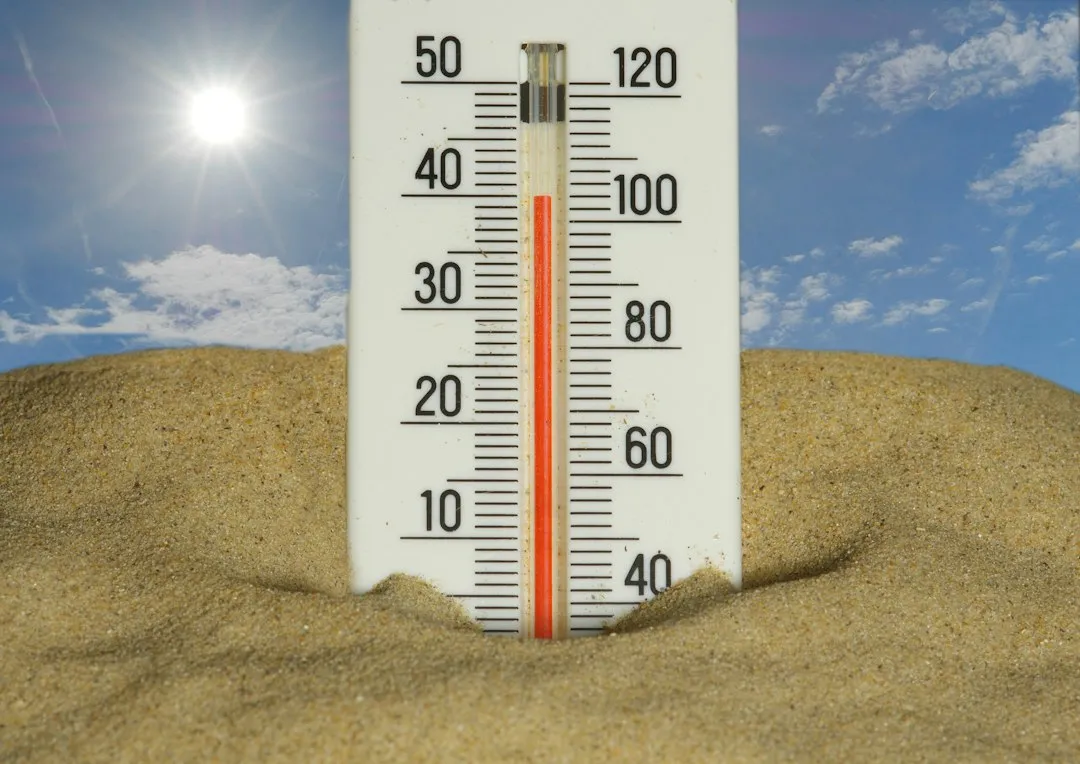
The CDC recommends doubling the per-person allocation when heat emergency conditions are in effect. This adjustment is easy to overlook during calm, temperate months when disaster planning feels more theoretical than urgent. Yet most U.S. regions face summer conditions that would trigger exactly that doubling.
If you live in Arizona, Texas, Florida, or any region with consistently high temperatures, plan for one and a half to two gallons per person per day. FEMA’s one gallon per day assumes a sedentary adult in moderate temperatures. Anyone moving, lifting, or working outdoors during a disaster response will burn through that baseline quickly.
Pets, Pregnancy, and Illness Change the Math Significantly
FEMA guidance does not include pets in the one gallon per person per day baseline. Dogs typically require one ounce per pound of body weight per day, and a 60-pound dog needs nearly half a gallon per day, which is non-trivial over a 14-day emergency period.
Plan on two gallons per person per day for pregnant or nursing women, for the ill, and for pets. These additions are not unusual in a typical household. A family with one large dog, one nursing mother, and one elderly parent with health conditions could easily need twice the standard estimate, or more.
The Two-Week Target Is the Real Benchmark
The Red Cross and many state emergency agencies recommend two weeks of water. FEMA’s minimum three-day supply is designed as a baseline for evacuation scenarios, not for sheltering in place through a prolonged infrastructure failure. Regional disasters, as the past several years have demonstrated, often last far longer than 72 hours.
FEMA recommends one gallon per person per day for “several days,” usually defined as 72 hours, while preparedness experts suggest storing at least 14 gallons per person and adding a serious water filtration system as a backup. The gap between those two positions is significant, and knowing about it matters before an emergency begins.
Stored Water Has a Shelf Life People Routinely Forget
Ready.gov recommends replacing water you bottle yourself every six months and advises not to ration drinking water unless told to do so. Water stored in improper containers or left for years can harbor bacteria or absorb chemicals from the container itself. Many households that believe they have emergency water stored haven’t actually checked it in some time.
CDC guidance recommends storing at least three days of water, with a two-week supply if possible, and advises cleaning containers with bleach and storing water at 50 to 70 degrees Fahrenheit. Temperature matters. Water stored in a hot garage can degrade containers faster than most people realize.
Sanitation Needs on Top of Drinking Needs
If flushing is possible but the water supply is cut off, add one to two gallons per person per day for toilet use on top of the consumption baseline. This is a category most household water estimates simply omit. During a boil-water advisory or partial outage, toilets may still function, but they will draw heavily on any stored supply.
A more cautious planning figure sets water at five liters per person per day: three for drinking and food preparation and two for basic washing. That approach, recommended by resilience researchers, is roughly twice the standard government booklet figure in some countries, and it reflects what real-world conditions tend to demand.
Only a Fraction of Households Could Sustain Themselves for Even a Few Days
Only 22 percent of surveyed households can sustain themselves with current emergency supplies for a few days following an extreme weather event, and a mere three percent could manage for three weeks, highlighting the inadequacy of current emergency provisions. These numbers come from a survey of 3,000 Americans and suggest that the majority of families would be reliant on external help almost immediately.
According to FEMA’s National Household Survey on Disaster Preparedness, only 48 percent of Americans have emergency supplies set aside for use in a disaster. Despite elevated wariness and widespread expectation of crises, nearly one in three Americans have taken no action over the past 12 months to prepare for potential disasters.
Practical Storage Without a Dedicated Bunker
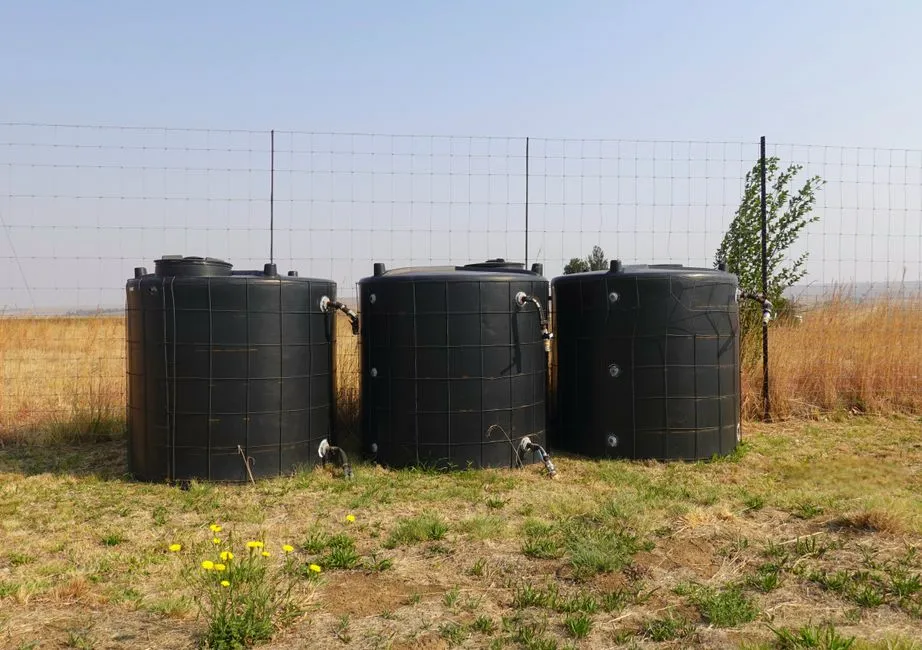
One gallon of water takes up about 0.134 cubic feet, and for a family of four with a two-week supply of roughly 56 gallons, you’d need approximately 7.5 cubic feet of storage space, roughly the size of a large suitcase. That reframes the problem. It’s not an impossible ask. It’s the size of a carry-on bag multiplied a few times over.
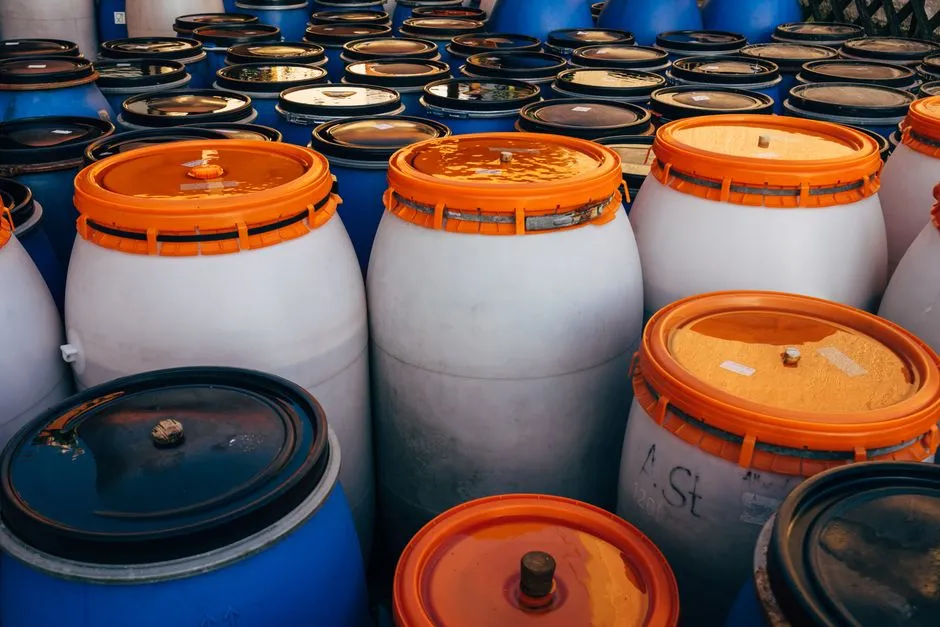
It is recommended to purchase food-grade water storage containers from surplus or camping supply stores to use for water storage. A five-gallon container holds about 42 pounds of water, and a full 55-gallon drum holds about 459 pounds and normally cannot be moved after filling. Planning placement before filling is not optional.
The Takeaway
The uncomfortable truth is that most households are significantly under-prepared, not because the information is hard to find, but because the gap between the official minimum and what emergencies actually demand never gets communicated clearly. One gallon per person per day is a floor, not a target.
A realistic plan for a family of four should aim for something closer to 56 to 112 gallons depending on climate, health needs, and pets. That’s a lot of water to store. It’s also far less than what an extended disaster will require if the taps stay off for more than a week. Starting now, even with a modest stockpile, is meaningfully better than starting the day the water stops flowing.
AI Disclaimer: This article was created with the assistance of AI tools and reviewed by a human editor.