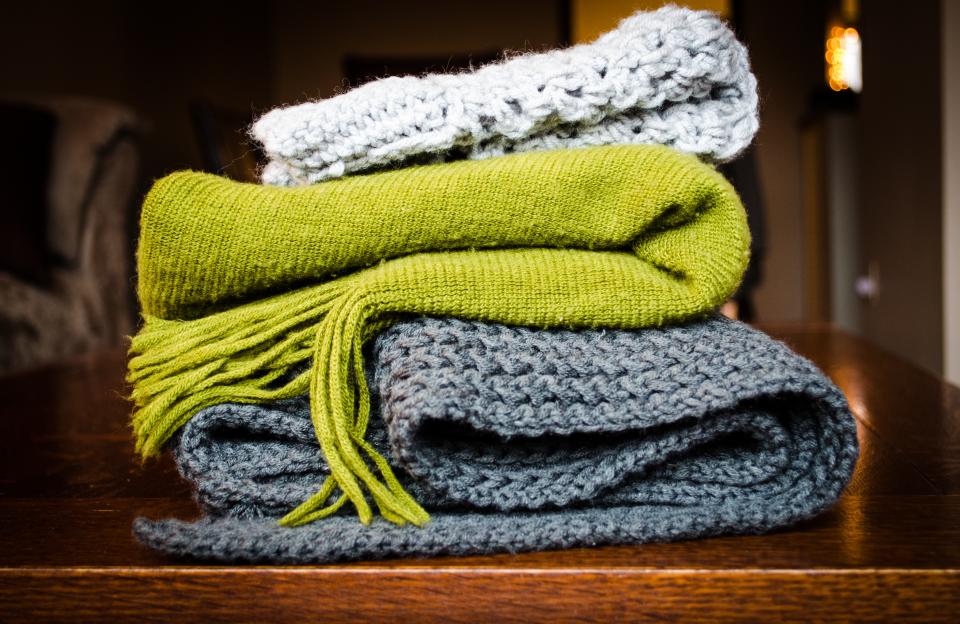

1. Folding the Blanket While It’s Switched On

This is probably the single most common mistake people make, and it’s surprisingly easy to do without thinking. You pull the blanket around yourself, it bunches up, and you don’t think anything of it.
When a blanket is folded and turned on, excess heat can build up throughout the layers, creating a potential fire hazard. The internal wiring is designed to radiate heat outward in a flat, even spread. Folding disrupts that entirely.
Electric blankets should never be folded when in use, because folded or tucked-in blankets could overheat and cause a fire, according to the Electrical Safety Foundation International. Always lay the blanket flat across the bed, not scrunched or piled.
2. Using an Electric Blanket That’s More Than 10 Years Old

Age is quietly one of the biggest fire risk factors with electric blankets, and most people don’t throw them out until something visibly goes wrong. By then, it can already be too late.
Heating pads and electric blankets cause almost 500 fires each year, and almost all of these fires involve electric blankets that are more than ten years old, according to the Electrical Safety Foundation International.
Aging products, especially those over a decade old, often have frayed wiring, unreliable temperature controls, or overheating elements that push beyond their limits. A blanket that looks fine on the outside can be a completely different story internally.
3. Plugging Into an Extension Cord or Power Strip
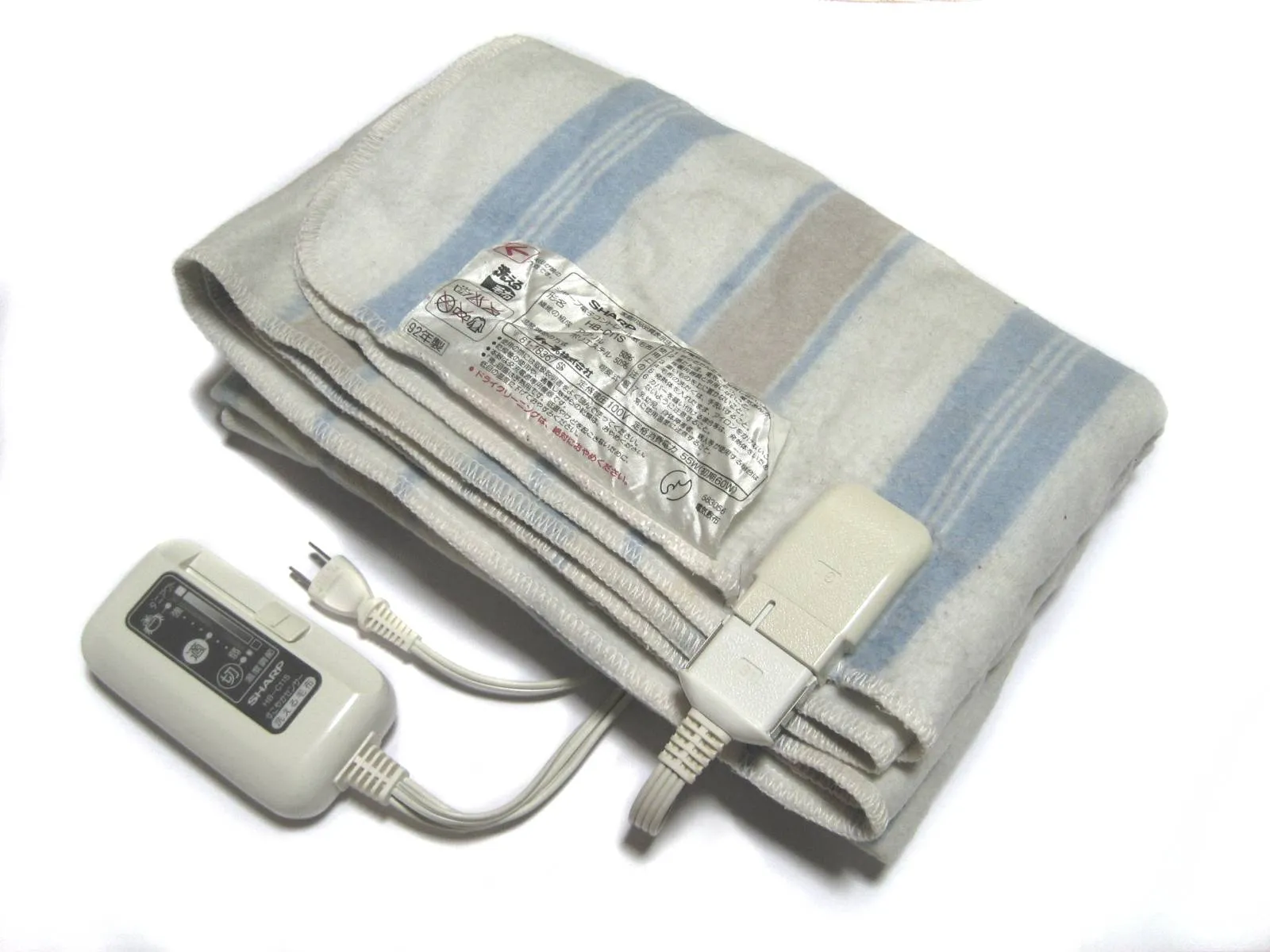
The outlet is just out of reach, so you grab an extension cord. It seems harmless. It’s the kind of shortcut that feels perfectly reasonable until something goes wrong.
Electric blankets should never be plugged into an extension cord or power strip, as they could overheat and cause a fire, warns the Electrical Safety Foundation International.
The resistance in lower gauge extension cords can cause them to heat up when used with electric blankets, and this overheating can damage both the cord and the blanket’s heating elements, potentially leading to a fire hazard. The solution is straightforward: always plug directly into a wall outlet.
4. Sleeping With the Blanket Still Running

Falling asleep while the blanket is on feels natural. You’re warm, comfortable, and drifting off. The trouble is that you lose all ability to notice warning signs while you sleep.
Heating appliances should never be left unattended or used while sleeping, according to safety guidance from the Electrical Safety Foundation International. This is especially important for older models without auto-shutoff features.
Roughly seventy percent of electric blanket fires occur during the night when the blankets are most likely to be in use. Warming your bed before sleep and then switching the blanket off before you get in is a simple habit that makes a real difference.
5. Placing Other Objects on Top of the Blanket
A heavy pillow, a pet curled up on the bed, a stack of books on the duvet. These things feel inconsequential, but they have real consequences for what happens inside the blanket’s wiring.
Placing other items on top of an electric blanket, such as a pillow or another blanket, can cause the blanket to overheat and ignite. Heat needs somewhere to go, and when it’s trapped, it builds.
Nothing should be allowed on top of a heating pad or electric blanket when it is in use. This includes pets, which are particularly drawn to warm surfaces. It’s worth being deliberate about keeping the surface clear.
6. Running the Cord Under the Mattress or Along the Bed Frame
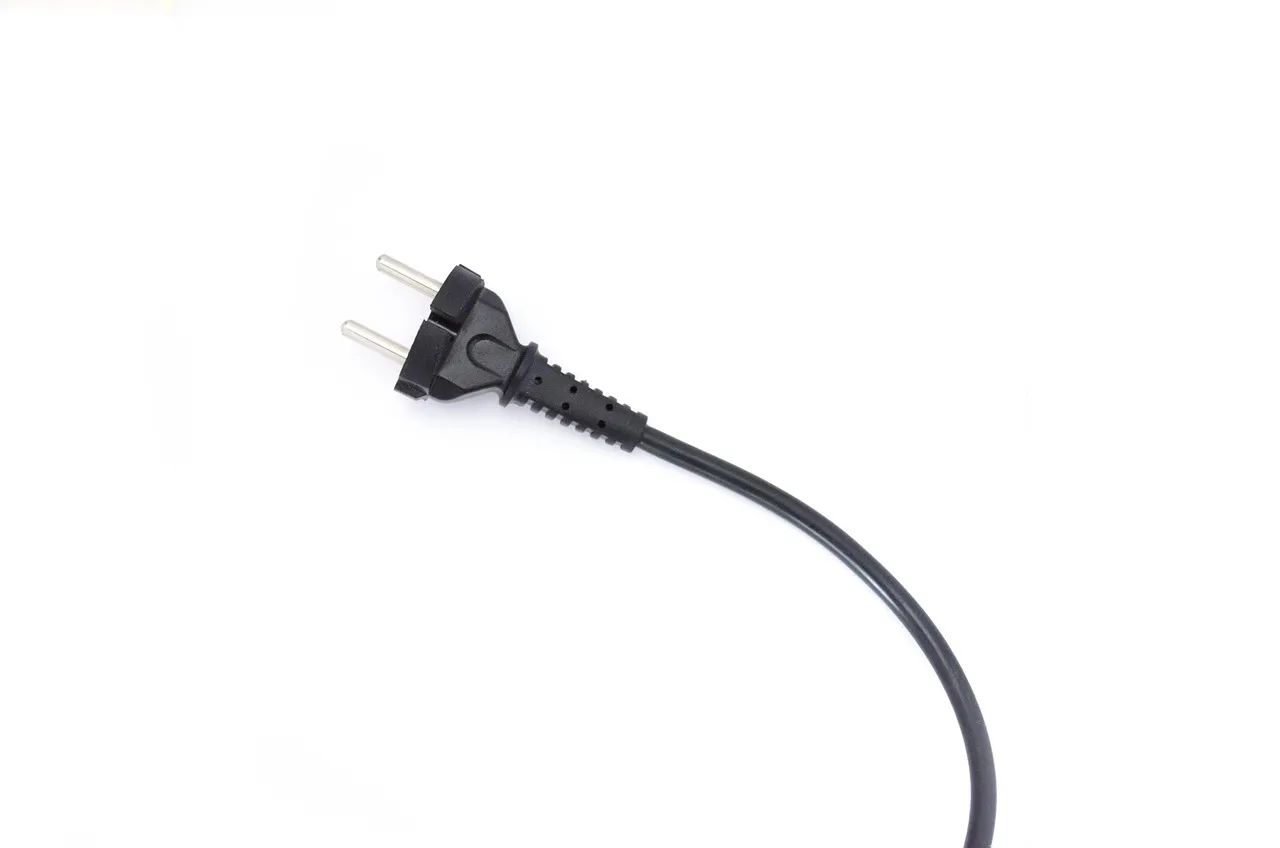
To keep things tidy, many people tuck the power cord out of sight. Under the mattress seems practical. Along the bed frame seems neat. Neither is a good idea.
Running the power cord between the mattress and the box spring when using an electric blanket in bed could damage or heat up the cord and potentially cause a fire.
Electrical cords should never run under rugs or be fastened to walls with staples or pins, and they should never be routed between the mattress and box spring or pinched by bed frames, walls, bed slats, or footboards. Any pressure on the cord over time wears down its protective coating.
7. Not Inspecting the Blanket for Visible Damage
People tend to pull their electric blanket out of storage each autumn and plug it straight in. A quick visual inspection takes less than a minute and could prevent a serious incident.
Look for dark, charred, or frayed spots, or a cord that is cracked or frayed, and replace any worn or old heating pad or electric blanket.
Real-world testing backs this up. Data from West Sussex Fire and Rescue Service revealed that thirty-seven percent of electric blankets tested failed the safety test, with one hundred and five blankets safely disposed of after being considered unsafe or faulty. The damage isn’t always obvious to the untrained eye, which is why fire services regularly offer free testing events.
8. Storing the Blanket Folded Tightly

How you store an electric blanket matters almost as much as how you use it. Tight folding damages the internal wires over time in ways that won’t become obvious until the blanket is back in use.
Electric blankets should be stored flat or loosely rolled, never folded tightly, and kept away from pets or sharp objects. Rolling preserves the integrity of the internal heating elements far better than folding.
The blanket should be stored in a place where it won’t collect dust and lint, because when it’s put back into use, dust and lint can become a fire hazard. A breathable storage bag or loose roll in a linen closet works well.
9. Buying From Unverified or Secondhand Sources
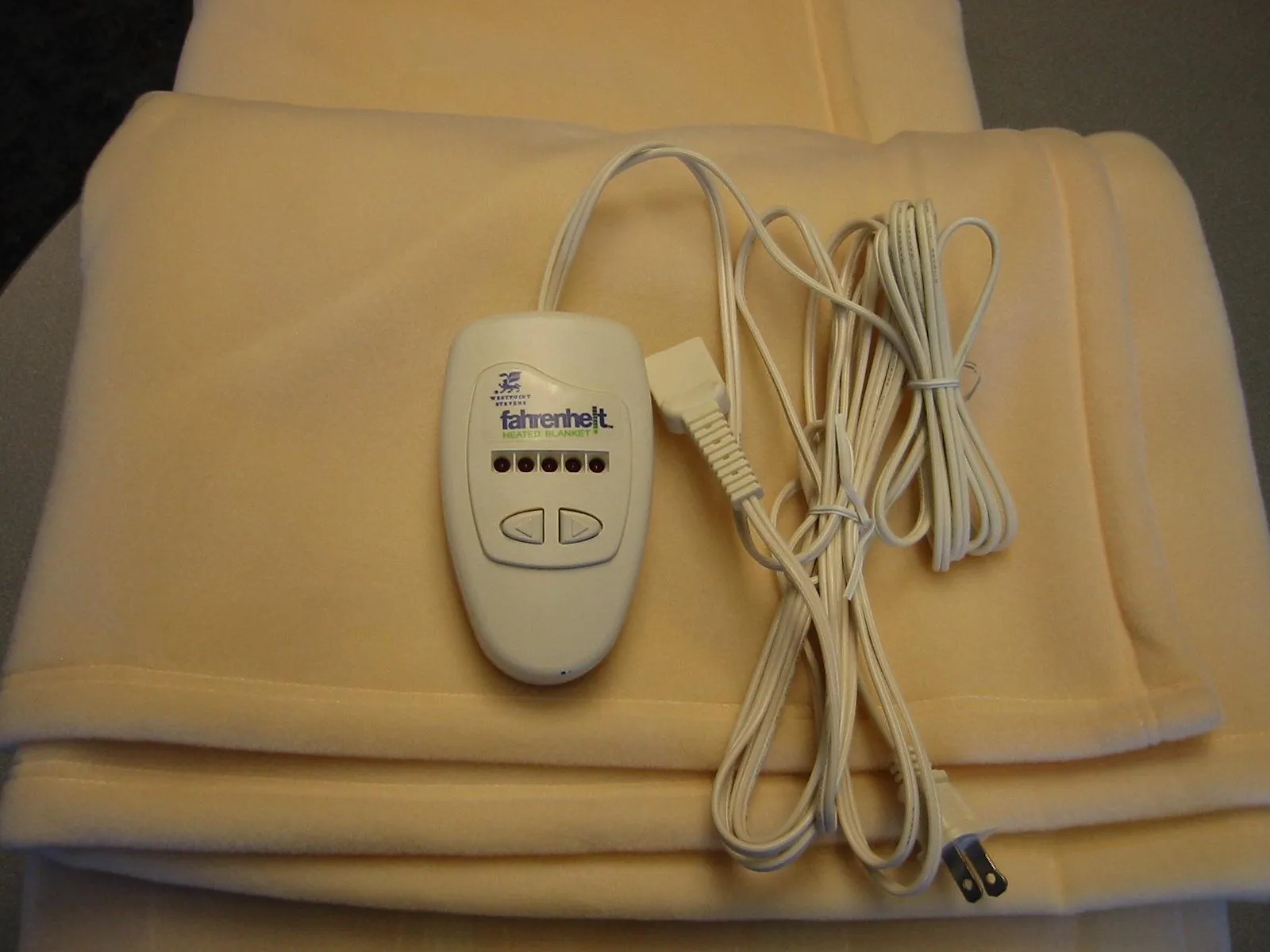
A cheap electric blanket from an online marketplace with no safety certification might seem like a bargain. It rarely is. The same applies to blankets picked up at secondhand shops or garage sales.
Electric blankets should never be bought from a secondhand shop or garage sale, according to guidance from UL Solutions. You have no way of knowing the blanket’s age, history, or whether it has already been damaged.
Only electric blankets certified by nationally recognized testing agencies such as UL (Underwriters Laboratories) should be purchased. That certification mark is the clearest signal that the product has been independently verified as safe. In a recent Nottinghamshire trading standards event, over sixty-nine percent of electric blankets brought in for testing were found to be unsafe, with one blanket that was forty-three years old.
10. Ignoring Warning Signs During Use

Unusual smells, hot spots, flickering controls, or a blanket that feels warmer than usual in one area are all signals worth taking seriously. Most people dismiss them or assume the blanket is just doing its job.
During use, pay attention to any unusual smells, especially burning odors. If you detect a burning smell, immediately turn off and unplug the blanket, as this could indicate a potential fire hazard.
Fire hazards often stem from specific, preventable circumstances, from worn wiring to improper storage methods. Catching the signs early is almost always possible. The question is whether people are paying attention. Modern electric blankets incorporate sophisticated safety features that reduce fire risks, yet understanding proper usage remains essential, since fire hazards frequently stem from preventable circumstances.
The Real Takeaway

Electric blankets are not inherently dangerous. The risks attached to them are almost always rooted in human behavior: old blankets kept too long, cords run in unsafe places, and blankets left running through the night.
The pattern of what causes fires is consistent and well-documented. Despite significant safety improvements in newer models, the widespread use of aging blankets and incorrect usage patterns continues to create dangerous fire hazards across US households.
None of the mistakes listed here are complicated to avoid. They just require a small shift in habit. Inspect before you use it, lay it flat, plug it directly into a wall outlet, and switch it off before you fall asleep. That’s largely all it takes to turn a fire risk back into a simple, safe source of warmth.
AI Disclaimer: This article was created with the assistance of AI tools and reviewed by a human editor.