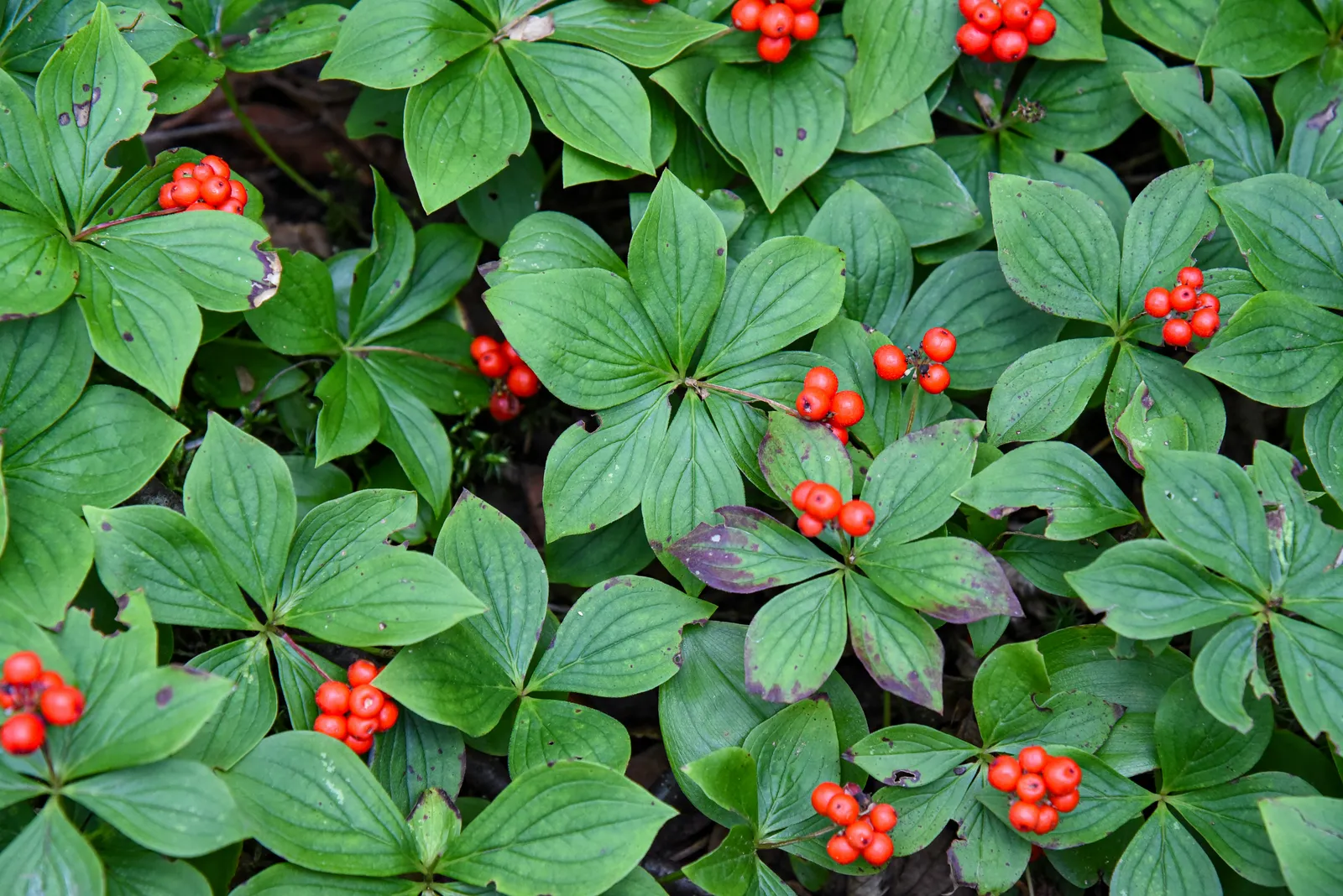

Home gardeners continue to look for ways to make the most of limited space while reducing maintenance. Edible ground covers provide one such option by serving as living mulch that can be harvested for the table. These plants fit naturally into vegetable gardens, orchards, and other edible landscapes where every square foot counts.
Why Living Mulch Matters in Modern Gardens
Traditional mulch requires regular replacement and offers no additional yield. Edible ground covers change that equation by performing the same protective role while producing food. The approach aligns with efforts to create more self-sufficient and productive home landscapes without expanding the overall footprint.
Key Advantages for Weed Suppression and Soil Health
Dense growth from these covers shades the soil and limits weed germination. At the same time, the plants help retain moisture during dry periods and reduce the need for frequent watering. Some varieties also deter certain pests through natural compounds or by attracting beneficial insects that keep problem populations in check.
Supporting Pollinators While Adding Beauty
Flowering ground covers draw bees and other pollinators into the garden at times when other blooms may be scarce. Their foliage and blossoms contribute visual interest and texture alongside vegetable rows or under fruit trees. The result is a garden that looks tended and vibrant rather than bare between main crops.
Putting the Approach into Practice
Gardeners typically sow or transplant these covers in open areas between rows or around established plants. Regular harvesting keeps growth in check and supplies fresh ingredients for meals. The dual role means less purchased mulch and fewer trips to the store for certain herbs or greens. The strategy rewards observation and timing. Over successive seasons, many gardeners find their beds require less intervention while still delivering consistent harvests from every layer of the planting.
AI Disclaimer: This article was created with the assistance of AI tools and reviewed by a human editor.