
Most gardeners choose edging for how it looks. A neat border keeps things tidy, helps contain mulch, and gives a yard that pulled-together appearance that’s hard to achieve otherwise. What gets less attention is what’s happening a few inches below the surface, where the real battle between roots and boundaries plays out.
The edging material doing the most quiet work isn’t always the most visible one. Some materials sit on top of the soil looking decorative while doing very little underground. Others, installed correctly and deep enough, physically redirect root systems that would otherwise migrate across beds, invade foundations, or undermine hardscaping. Understanding the difference matters more than most gardeners realize.
Why Root Growth Beneath the Surface Is a Bigger Problem Than It Looks
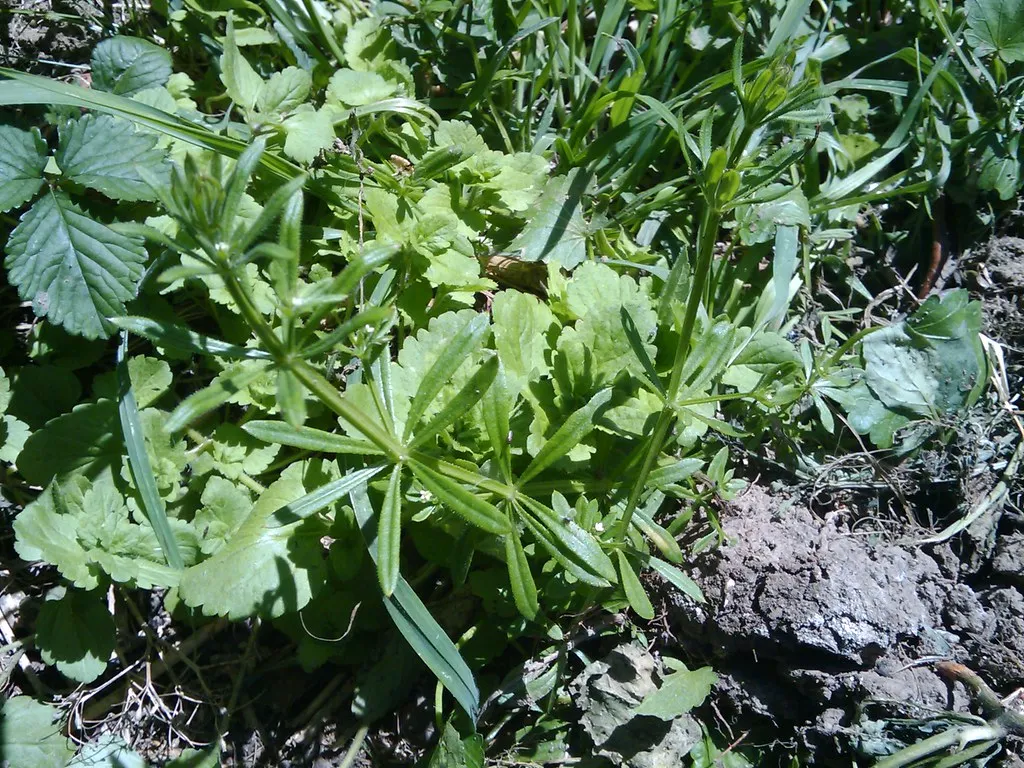
Weeds are one of the most persistent challenges faced by gardeners and landscapers alike. Their ability to spread quickly and compete with desired plants for nutrients, water, and sunlight can undermine even the most carefully planned garden beds. The trouble is that most of this competition starts underground, well before anything visible appears on the surface.
Weeds often spread through seeds carried by wind or birds, or through root systems that extend underground from nearby areas. Grass species like bermudagrass and creeping fescue are particularly skilled at sending runners just below the soil line, often bypassing shallow edging entirely before surfacing inside flower beds.
The Material That Actually Does the Work: Vertical Barrier Edging
The simplest and most effective landscape borders that separate lawn from garden are strips of steel, aluminum, or plastic. The key word here is “strips” – meaning installed vertically into the soil, not simply laid on the surface. Depth is everything when it comes to blocking lateral root movement.
Previously known edging products typically comprise a root barrier that is buried vertically in the ground along the border and an integral above-ground trim member. The root barrier prevents the growth of grass and other shallow roots across the border and also maintains the edging product in position.
Steel and Metal Edging: Thin, but Quietly Effective
Metal lawn edging bends easily into smooth, graceful curves and stops the spread of grass roots. Painted aluminum and steel offer the sleekest, most refined garden edging look because they almost disappear against the grass and garden bed. That near-invisibility is part of their appeal, but their real value is structural.
Metal edging should be installed in a pre-dug trench at the desired depth, with corrosion-resistant steel stakes every two to three feet hammered through pre-drilled holes. Seams should be overlapped and sealed if needed. A continuous, unbroken line is what separates functional root control from something that merely looks like it.
HDPE and Plastic Root Barrier Panels: The Deeper Option

Vertical root barriers are one treatment that has been found to redirect root growth deeper in the soil and reduce root growth under pavement, thus reducing damage to sidewalks. This principle applies equally in residential gardens, where plastic high-density polyethylene panels are now widely used for exactly this purpose.
The DeepRoot Barrier’s 90-degree vertical ribs prevent damage by guiding roots down and away from hardscapes. DeepRoot Tree Root Barriers are patented mechanical guides that redirect tree roots down and away from hardscapes, preventing costly root damage while preserving the health and beauty of the tree. The ribbed interior design is what distinguishes a purpose-built root barrier from a basic plastic strip.
What Arboriculture Research Actually Shows About Barrier Performance

Research demonstrates that circular physical root barriers of various dimensions, formed from a variety of low-cost materials, are about as effective as commercial root barriers and can nearly eliminate large surface tree roots to a 180-centimeter radius of the trunk for at least six years after trees are planted. That’s a meaningful finding: even simpler materials, installed correctly, can hold their own against commercial alternatives.
Root growth in the area where a sidewalk would be located was greatly reduced compared with control trees. Instead of growing horizontally outward, roots on the treated trees were directed underneath the barrier. This diversion of root growth resulted in fewer roots growing beyond the barrier as compared with unimpeded control roots.
The Depth Problem: Why Shallow Edging Often Fails

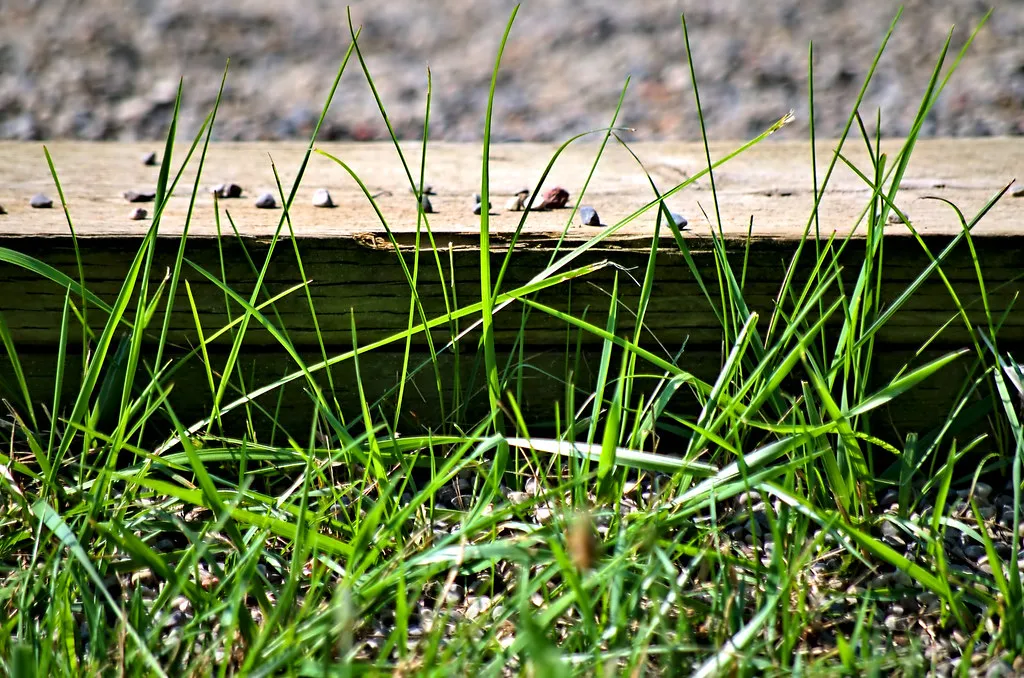
Bricks, concrete blocks, and stones don’t block the growth or cross-growth of plants or grasses unless they’re installed a few inches into the ground, as opposed to being laid or stacked on top of the ground. This is one of the most common misunderstandings in garden edging. A decorative surface border is not the same as a root barrier.
Edging products are generally installed by excavating a trench of suitable width and depth at the location desired for the border, placing the edging product in position in the trench with its root barrier portion below ground level, and closing the trench such that the trim member protrudes through the surface of the soil. The visible part is almost beside the point; what’s buried is where the barrier earns its place.
Where Barriers Work Best and Where They Fall Short
These products tend to work better in well-drained soils than in poorly drained soils. That’s worth keeping in mind if your garden sits on heavy clay or compacted ground, where roots are already hunting laterally for oxygen and tend to be more aggressive in seeking gaps.
Barriers appear to be effective where they are least necessary, in loose, well-aggregated, well-aerated soils. In compacted or waterlogged soils, roots find every weakness in a barrier system, including connector joints, heaved sections, and corners. No material is entirely foolproof in these conditions, which is something worth acknowledging upfront rather than discovering after the fact.
The Design Details That Make or Break Performance
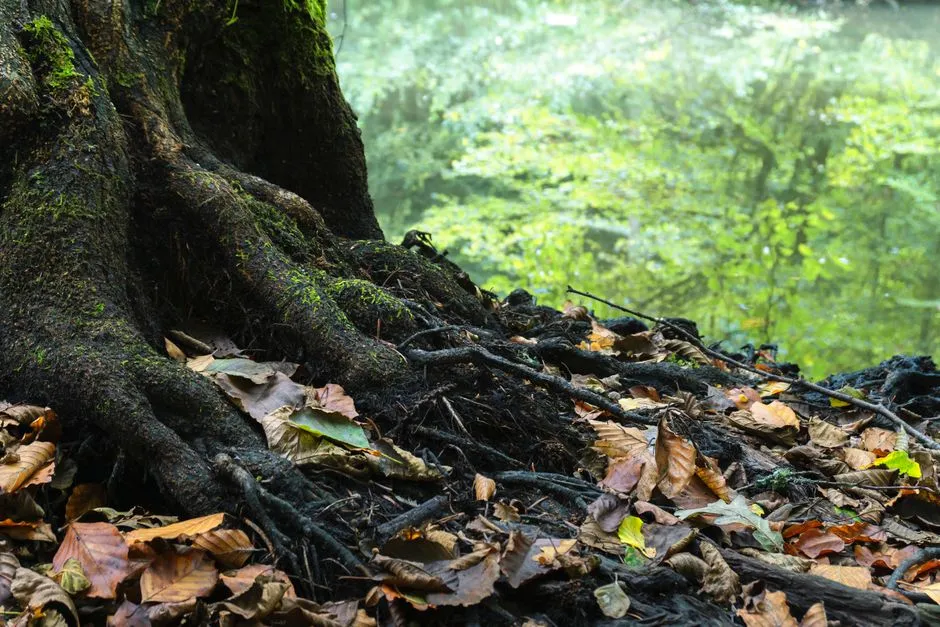
Root barrier designs have changed over time and although differences in design are often subtle, they can be the difference between an effective and ineffective barrier. Many barriers cause roots to circle, which precipitated the introduction of vertical ribs to deflect root growth downward. Whole barriers were heaved upward by soil movement over time, so new designs have incorporated wings or tabs meant to lock the barriers in place.
The connectors used to join segments of root barriers are a challenging design consideration; if they fail, roots will penetrate the gap in the barrier. This is the detail most homeowners never think about when purchasing edging. Gaps at joints are essentially open invitations, and even a small breach will be found eventually.
Mulch Retention and the Secondary Benefit You Might Be Missing
Landscape edging helps to hold down mulch or other ground covers that suppress weeds by blocking sunlight from reaching weed seeds. Mulch alone can be undermined if not properly contained; edging ensures mulch stays in place and provides a consistent barrier. So the edging is doing two jobs simultaneously: blocking roots from creeping in, and keeping weed-suppressing mulch from washing or migrating out.
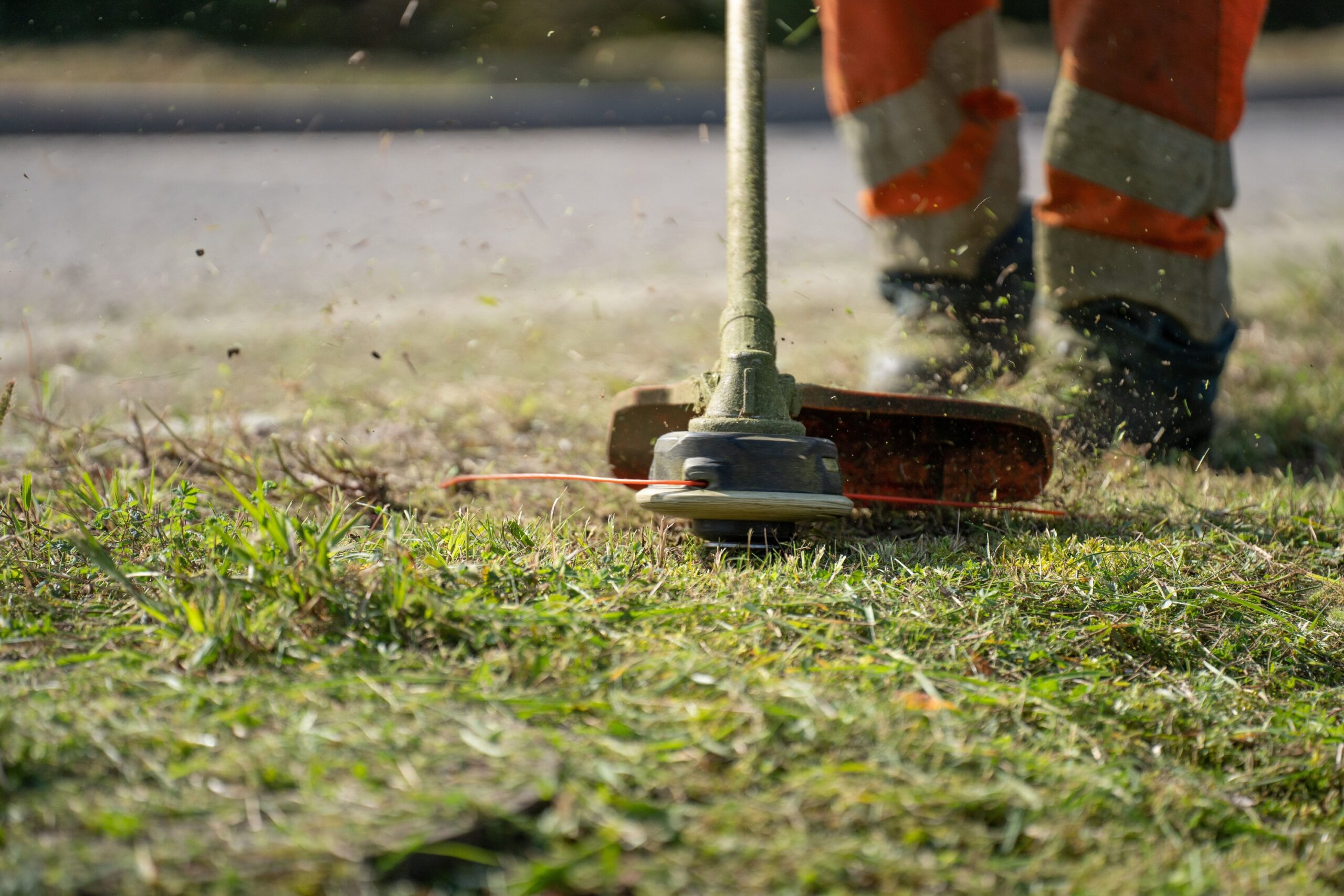
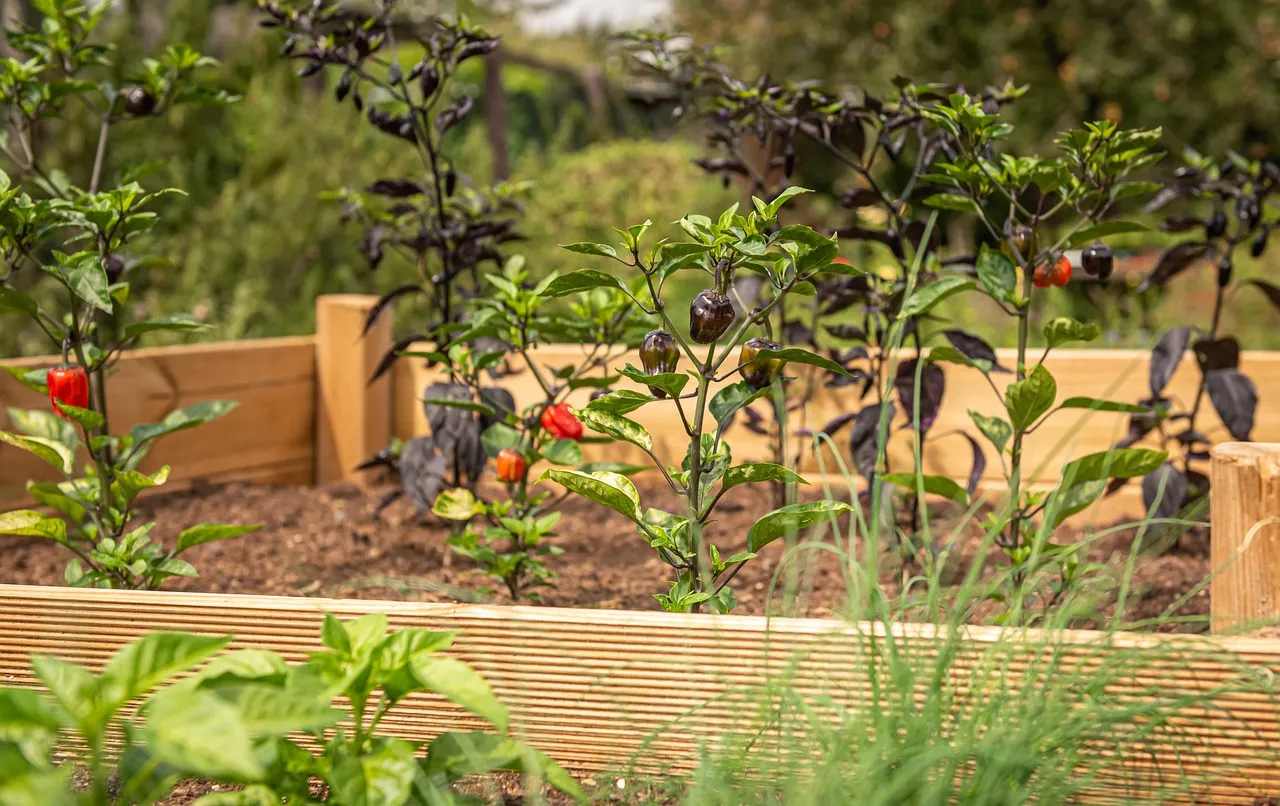
When properly installed around raised beds, edging creates a physical barrier that blocks creeping roots and trimmer lines can no longer accidentally scatter weed seeds into your planting zone. That second point about trimmers is easy to overlook. String trimmers are surprisingly effective at flinging grass seed directly into beds during routine maintenance.
Maintenance and Long-Term Checks That Protect Your Investment

Regular maintenance extends the life of root barriers and ensures continued root containment. Simple but effective care routines based on material type make a genuine difference. Annual checks for cracks, warping, or displacement are especially important after heavy rains or freeze-thaw cycles. Look for signs of roots circumventing the barrier.
One difficulty encountered with edging products is a tendency for them to emerge from the ground over time, either from being pulled or struck by lawn mowers or other tools, or due to heaving of the soil in winter. Reinstallation of edging segments that have emerged from the ground can be as difficult or more difficult than the original installation. Checking the top edge of your edging every spring takes minutes and can prevent months of root migration going undetected.
The Takeaway

The edging material that quietly blocks root growth isn’t always the one that catches your eye. It’s the one installed deep enough to matter, with tight joints, a solid anchor system, and a design that redirects rather than merely delays root movement. Surface aesthetics and underground function are two different conversations, and the best edging choices manage both at once.
What this really comes down to is intentionality. Choosing an edging material because it looks right is fine. Choosing one because it’s installed correctly and at the right depth is what actually keeps your garden beds clean, your hardscaping intact, and your maintenance workload lower over time. The roots are always working. The question is whether your edging is working just as quietly in return.
AI Disclaimer: This article was created with the assistance of AI tools and reviewed by a human editor.