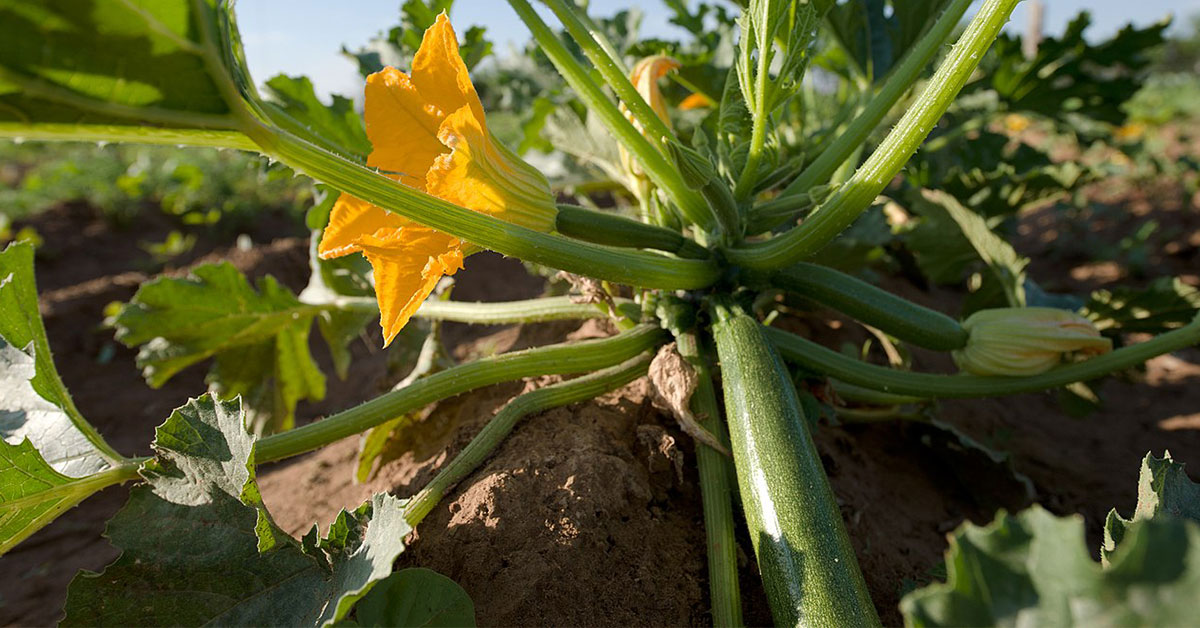

There’s something quietly alarming about a garden full of lush, flowering squash and cucumber vines that produces almost no fruit. The vines look healthy. The flowers are opening right on schedule. Yet the little fruits shrivel up and fall off before they ever have a chance. Most gardeners assume something is wrong with the soil or the watering. The real culprit is usually much simpler: not enough bees.
Poor pollination is the leading reason behind disappointing yields and poor-quality squash, cucumbers, melons, and pumpkins. The decline of many pollinators has led to a genuine shortage of quality pollination in gardens across the country. The good news is that the fix is surprisingly straightforward. You can step in and do what bees do in a matter of seconds each morning, and the results can be dramatic.
Why Bees Are Disappearing at an Alarming Rate
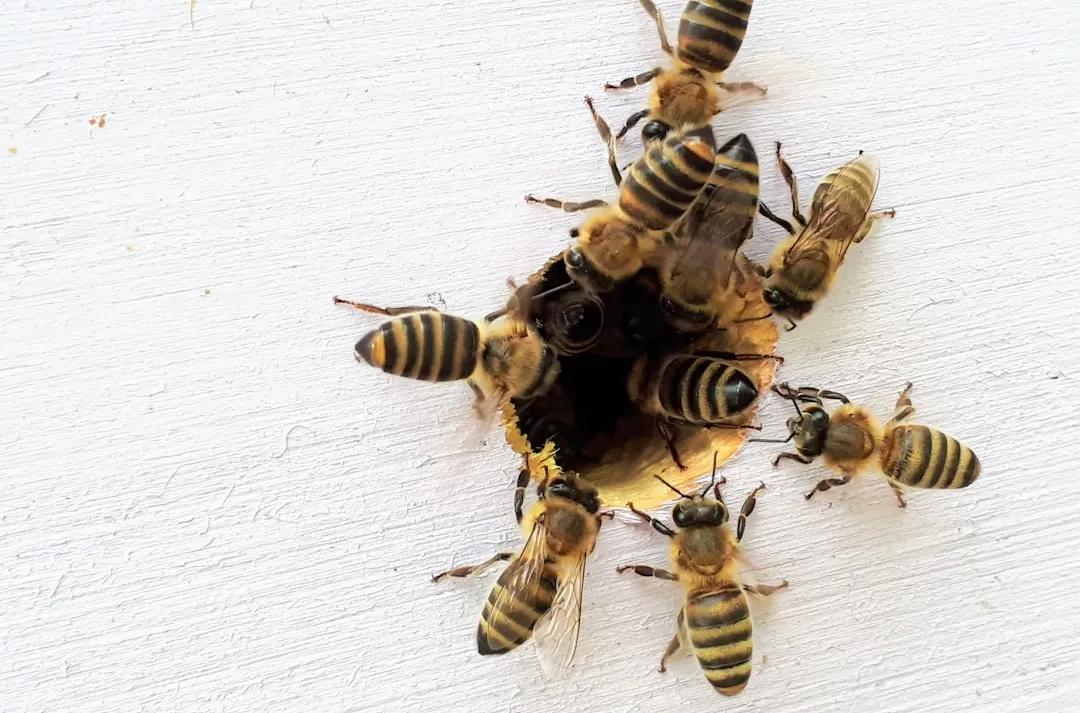
The pollinator shortage is not just a garden problem. It has become a documented agricultural crisis. New findings from the U.S. Department of Agriculture show that 1.7 million bee colonies died between the summer of 2024 and the spring of 2025, a loss of more than sixty percent of U.S. commercial beekeeping colonies. Researchers and industry experts describe it as one of the most severe pollinator die-offs in recent history.
Between June 2024 and February 2025, commercial beekeepers reported an average loss of sixty-two percent of their colonies, amounting to over 1.1 million hives lost nationwide. Some operations experienced losses as high as one hundred percent.
Bees and other pollinators are declining in abundance in many parts of the world largely due to intensive farming practices, mono-cropping, excessive use of agricultural chemicals, and higher temperatures associated with climate change. For home gardeners, the downstream effect is plain: fewer bees showing up at the garden fence, fewer fruits forming on the vine.
Why Squash and Cucumbers Depend So Heavily on Insect Visitors
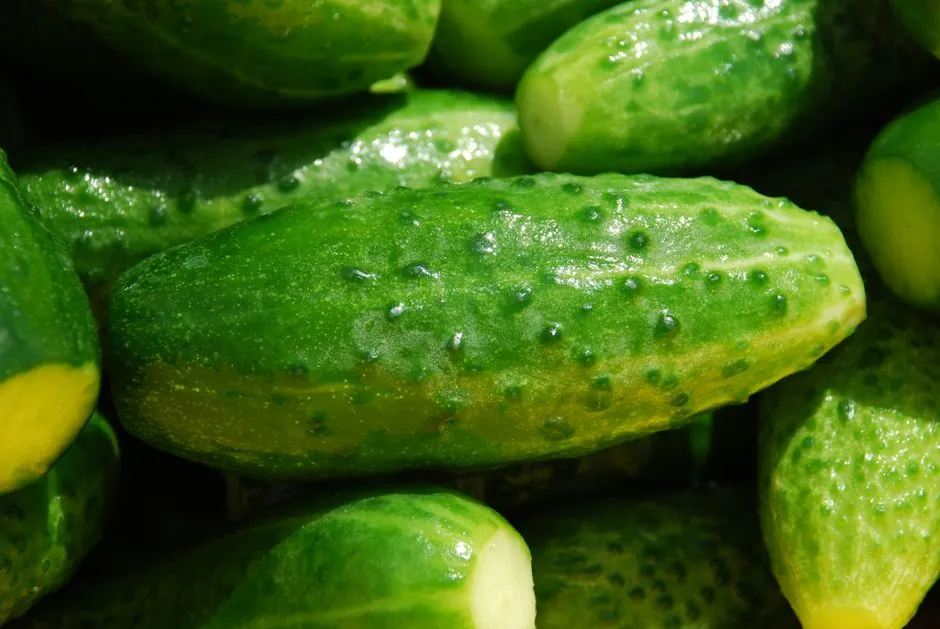
Most plants in the Cucurbita genus, which includes squash, cucumbers, zucchini, and pumpkins, produce both male and female flowers and depend on insects to transport pollen from male to female in order to set fruit. This makes them uniquely vulnerable when pollinators are scarce.
Cucurbits are not self-pollinating. Their pollen is sticky and will not transfer in a breeze. They have to have pollinators like bees to pollinate. That is a very different situation from tomatoes or peppers, which can get by with just a little wind or vibration.
Cucumber flowers need at least nine visits a day from insects to ensure adequate pollination. Good pollination results in straight, well-formed, weighty fruits. That’s a high bar, and one that simply isn’t being met in many gardens right now.
Spotting the Signs of Poor Pollination
If you have healthy vines but a lack of fruits, dropped or underdeveloped ones, or curved and misshapen cucumbers, you may be looking at poor pollination. Many gardeners confuse this with a nutrient problem and reach for fertilizer when the real issue has nothing to do with the soil.
When a female squash flower doesn’t get pollinated, the small attached fruit will fail to develop. It will stay stunted, start to rot from the flower end, and eventually die and fall off. If you walk through your patch in the morning and notice tiny fruits turning yellow or collapsing at the blossom end, this is almost certainly what’s happening.
Partially pollinated squash blossoms will result in deformed fruit. A misshapen zucchini or a stubby, twisted cucumber is a reliable indicator that pollen transfer was incomplete, not that the plant itself is struggling.
Understanding Male vs. Female Flowers
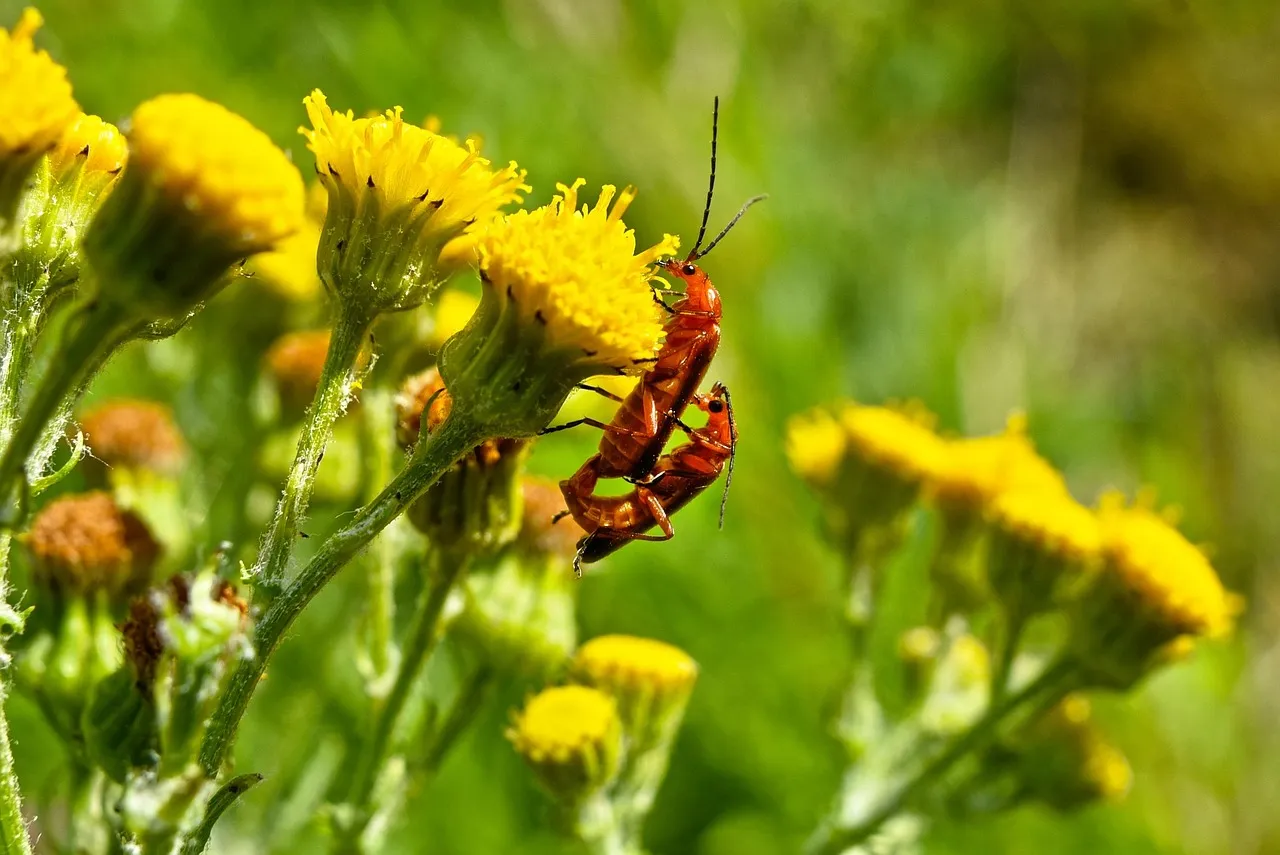
Male flowers grow off of long thin stems and have a long anther in the centre of the flower that holds pollen. Female flowers have a thicker stem with a tiny unfertilized fruit below the flower. Once you see this difference, you can’t unsee it. It becomes immediately obvious which is which.
Male flowers will always outnumber female flowers by large margins and usually begin appearing far in advance of the first female flower. This is nature’s way of hedging its bet for successful pollination. So don’t panic if the first few weeks only show male flowers. It’s perfectly normal.
Male flowers appear first, often seven to ten days before females, borne singly on slender stalks with prominent yellow stamens loaded with powdery, golden-yellow pollen. Female flowers emerge later, identifiable by a tiny, undeveloped cucumber or squash sitting directly beneath the petals. That swollen base is your signal that this is the flower you want to pollinate.
When to Head Outside: The Critical Morning Window
The best time to hand-pollinate is in the morning, when the flowers are fully open and the pollen is fresh. Squash flowers often close by afternoon, so check early each day for new blossoms. Missing this window means waiting another full day for the next open bloom.
Cucurbit flowers open for one day only and they usually shrivel in the heat of the afternoon, so it is best to hand-pollinate in the morning. Think of it as a brief, low-effort task that fits naturally into a cup-of-coffee-in-the-garden kind of routine.
Female flowers are only open for a day. That single-day window is worth keeping in mind. It’s the reason consistency matters. Check your plants every morning during peak bloom and act when both male and female flowers are open at the same time.
Tools You Need (Spoiler: Almost None)
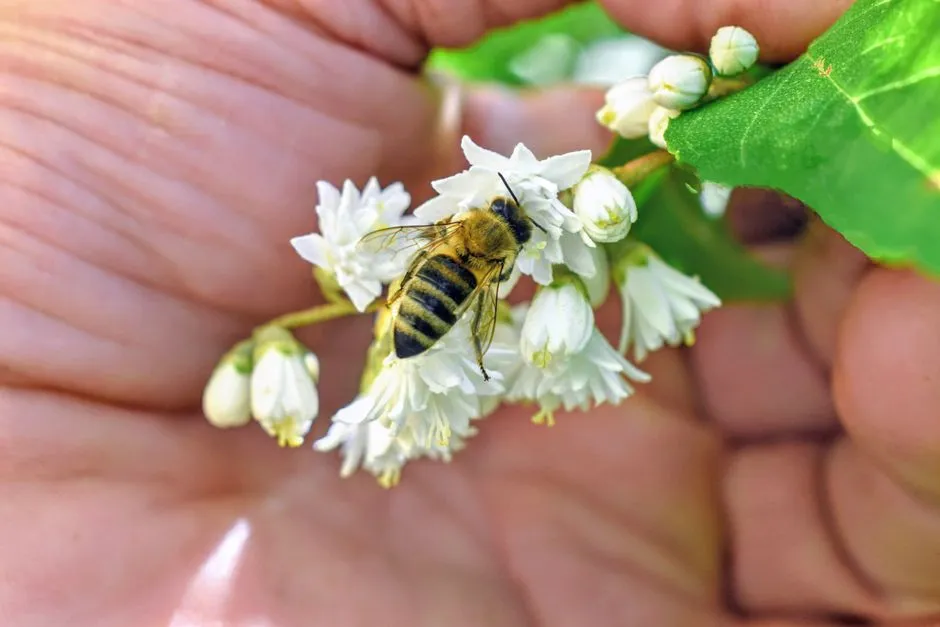
Hand-pollinating members of the melon family is fairly simple. It takes just a few minutes of your time every morning to ensure these crops produce heavy yields of high-quality fruit. You genuinely don’t need anything special.
A favorite method is using a small paint brush. Use the paint brush to collect some pollen from the male flower, spread some onto the female stigma, and it’s done. Using a paintbrush is really effective, but also feels fun and fancy. A cotton swab works too, though some gardeners find a brush transfers pollen more efficiently.
The process takes under ninety seconds per flower, requires no special tools, and is most effective between 6:00 a.m. and 10:00 a.m., when stigmas are receptive and pollen is dry and viable. Early rising pays off here in a very tangible way.
The Step-by-Step Technique
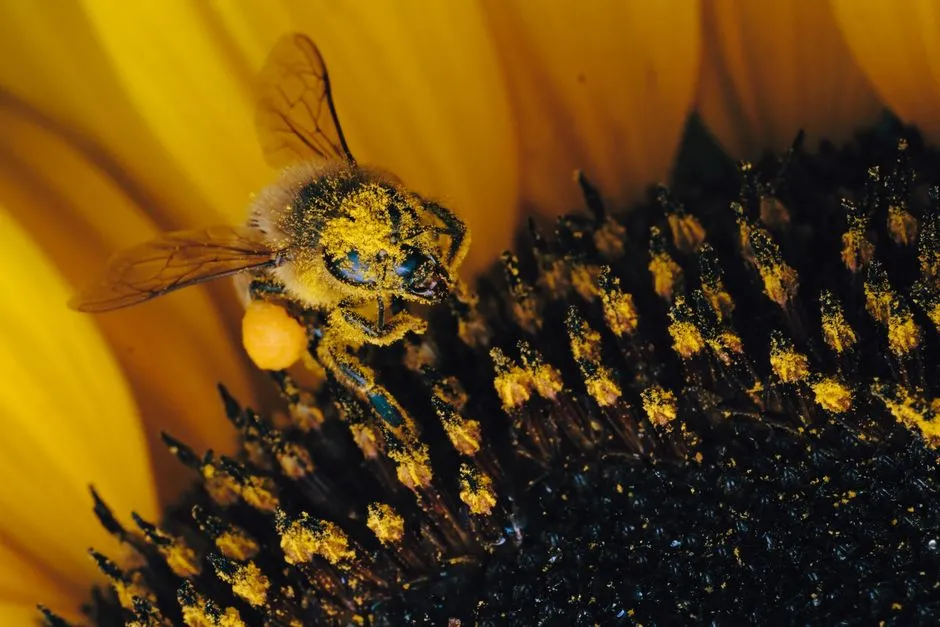
Once the male flower has been removed from the plant, you’ll notice an elongated, pollen-covered anther at the center of the flower. Peel away the large, trumpet-shaped petal surrounding the anther until all you have is the anther attached to the flower stalk. The stalk will serve as a handle while the anther becomes the paintbrush.
Gently rub the male anther against the center stigma of the female flower. This is the point on the flower that’s receptive to the pollen. Brush the anther against the stigma three or four times, then move on to another flower. Each male paintbrush can fertilize three to four female flowers.
The goal is to transfer as much pollen as you can. Take a few seconds to thoroughly rub it around, touching all parts of the stigma. Be very gentle with the female in the process. Never pinch, twist, or damage it in any way, or it could fall off the plant.
What Happens After You Pollinate
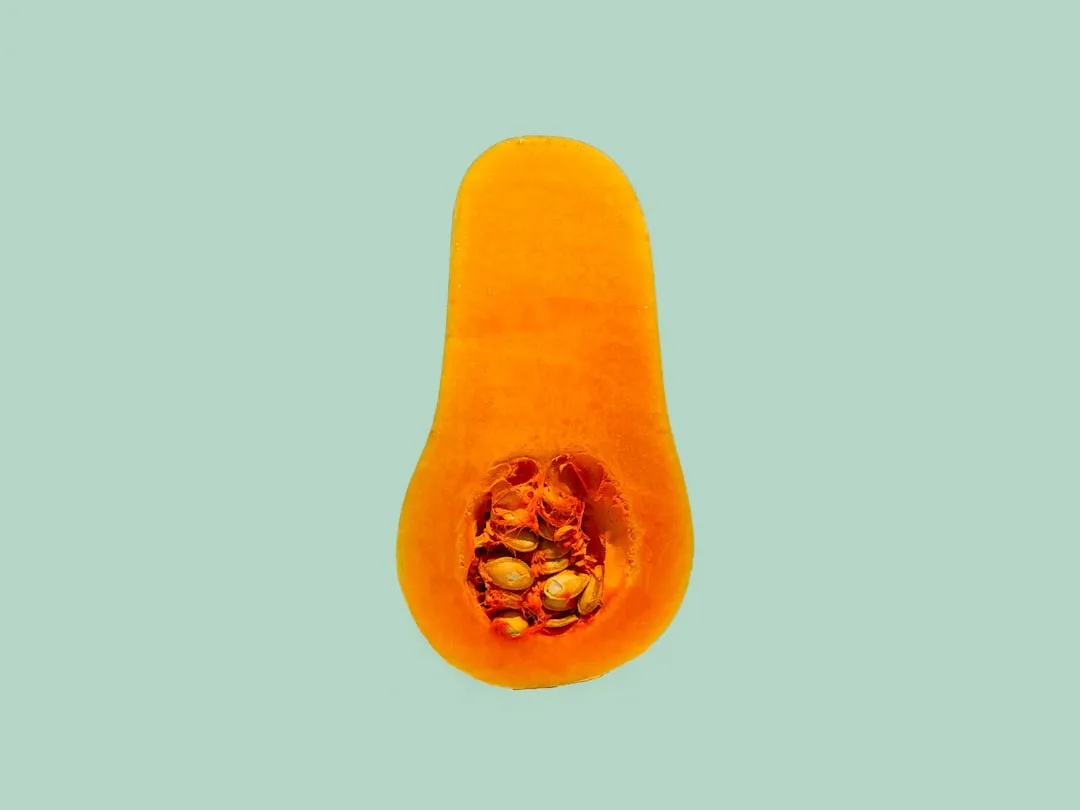
If pollination is successful, you’ll typically see noticeable fruit growth within two to three days. That short window of waiting is both suspenseful and satisfying once you know what to look for.
It will take a couple of days, but the visual signs will be very obvious. A pollinated squash will immediately burst into growth mode, and will appear plump and bright and be firm to the touch. On the other hand, an unpollinated squash will begin to wither and rot away. The blossom end will be noticeably yellow, and the embryo itself will shrivel.
Watch the base of the female flower for the small fruit to begin. A swelling immature fruit is a good sign that hand-pollination was a success. Once you’ve seen it happen a few times, recognizing the signs becomes second nature.
Dealing with Timing Gaps and Flower Mismatches
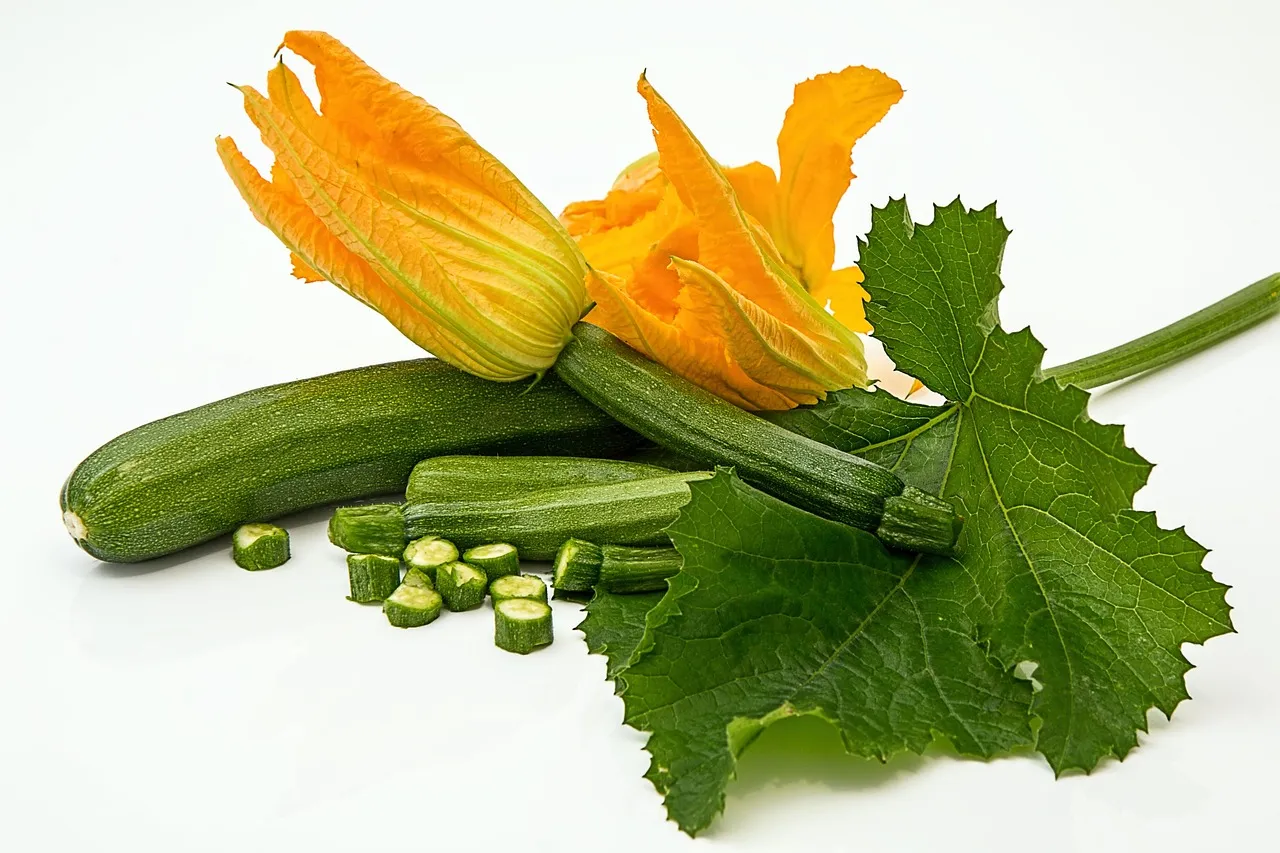
One of the most common frustrations is having only male or only female flowers open at the same time. It’s not uncommon for squash plants to produce one or the other more heavily early in the season. They should naturally even out as the plant matures, usually within a few weeks.
Growing several squash plants helps ensure there will be a good mix of male and female flowers open around the same time. Even two or three plants of the same variety significantly improve the chances of having both flower types open on any given morning.
Very hot weather can also make zucchini plants produce more male flowers. It may be worthwhile to protect your plants with shade cloth during prolonged heat over 95°F. This is worth keeping in mind during summer heat waves, which have become more common in recent years.
An Alternative for Those Who Skip the Bee Altogether
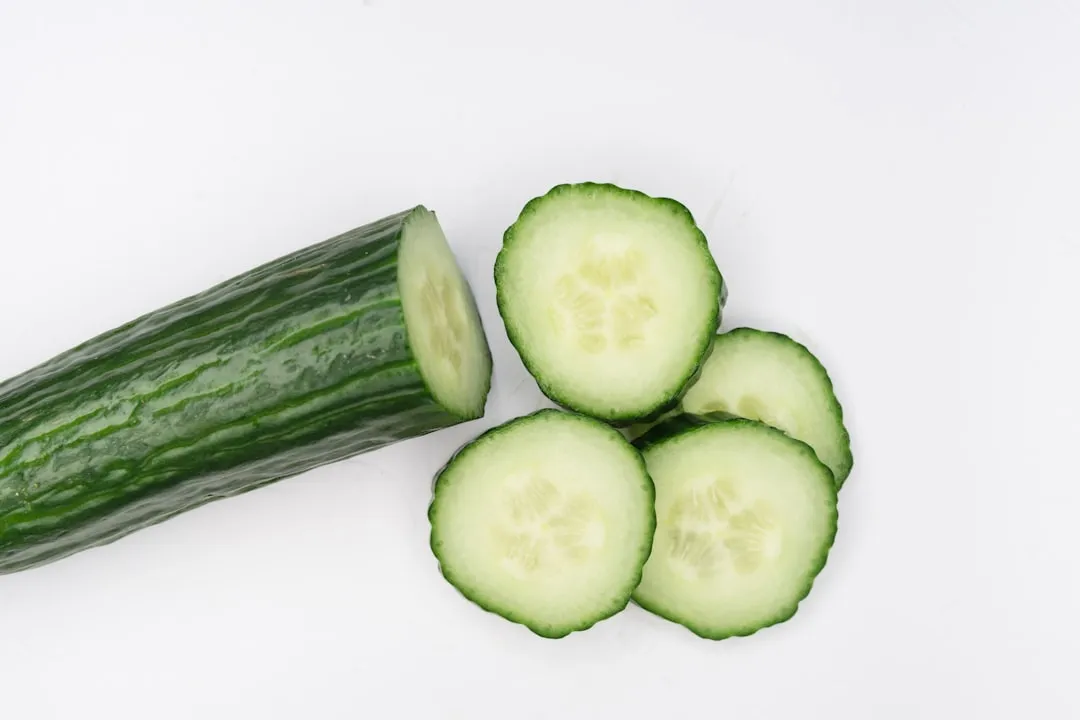
One way to solve the pollination problem with cucumbers is to plant parthenocarpic varieties, like Diva. These do not need pollination to develop their fruit, which is seedless, although they can be pollinated and produce fruit with seeds. They are used a lot in greenhouse production.
Parthenocarpic varieties are self-fruitful, meaning they don’t need insect or hand pollination to produce viable fruits. For gardeners growing in screened patios, dense urban balconies, or under row covers for pest protection, these varieties remove the pollination challenge entirely.
Still, for most home gardeners growing standard varieties, hand-pollination remains the most reliable and rewarding solution. It takes almost no time, costs nothing, and gives you direct control over your harvest in a way that simply waiting for bees does not.
Conclusion: A Small Habit with a Big Payoff
More and more growers are noticing this frustrating pattern, and a big part of the problem is happening just above the soil. The decline in bees and beneficial insects is no longer just an environmental issue; it’s hitting right at the heart of our vegetable gardens. That reality isn’t going to reverse itself quickly.
For the best results, take a few minutes every morning to hand-pollinate squash and other plants. This yields a continuous harvest of fully formed fruits for many weeks. If you miss a few days of hand pollination, it’s not a big deal, but the more consistent you are, the better results you’ll have.
There’s something oddly satisfying about taking this small task into your own hands. The bees built an entire system around it over millions of years. You can replicate the essential part with a paintbrush and five minutes before breakfast. Given what the data tells us about where pollinator populations are heading, that skill is worth developing now rather than later.
AI Disclaimer: This article was created with the assistance of AI tools and reviewed by a human editor.