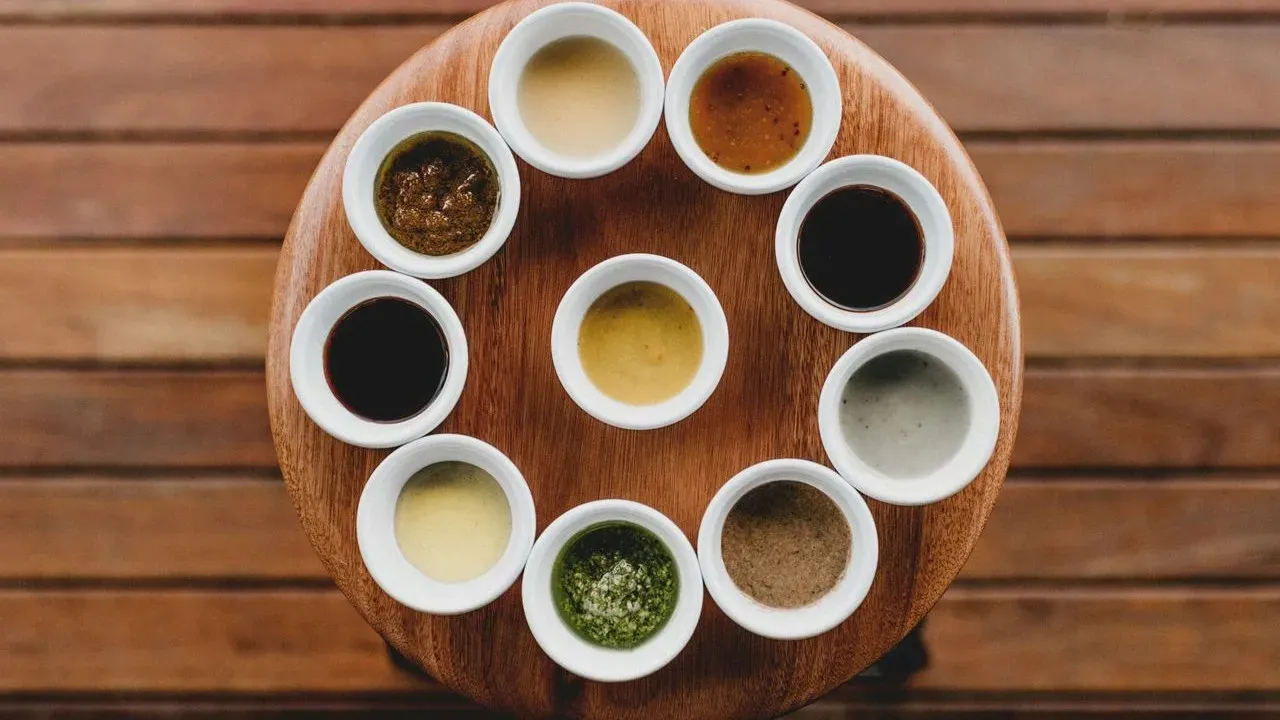

August brings peak harvest time for home gardeners, with baskets overflowing from raised beds and community plots. Fresh vegetables picked at their prime carry bright flavors that deserve more than basic steaming or roasting. A thoughtful sauce, applied either on top or as a base underneath, can highlight those qualities and turn everyday produce into dishes that feel special without extra effort.
Why Sauces Matter for Fresh Harvests
Gardeners often focus on growing techniques and soil health, yet the final step of preparation determines how much enjoyment comes from the effort. Vegetables straight from the vine or stalk retain moisture and subtle sweetness that can fade with heavy cooking. A well-chosen sauce adds contrast in texture and acidity while preserving the produce at the center of the plate.
Many home cooks discover that simple emulsions or herb-based mixtures work better than complicated reductions. These additions bring balance, whether the vegetables arrive in abundance during warm months or need a lift later in the season. The result keeps meals interesting even when the same crops appear week after week.
Applying Sauce on Top Versus Underneath
Placing sauce beneath vegetables creates a visual and flavor foundation that lets each piece stand out. A thin layer of yogurt-based sauce or light vinaigrette on the plate catches drips and provides moisture with every bite. This method works especially well for roasted or grilled items that might otherwise seem dry on their own.
Drizzling or spooning sauce directly over the vegetables offers immediate aroma and shine. It allows control over intensity, so diners can adjust portions according to taste. Both approaches keep the focus on the produce rather than masking it, and they require only basic pantry items most gardeners already keep on hand.
Practical Techniques for Seasonal Vegetables
Start with a neutral base such as olive oil, lemon juice, or plain yogurt, then build flavor gradually with fresh herbs or a touch of mustard. Warm the sauce slightly before serving to match the temperature of just-picked vegetables. This small step prevents temperature shock that can dull delicate textures.
Experiment in small batches first, tasting as you go. A sauce that complements one crop may need adjustment for another, yet the same core method applies across tomatoes, zucchini, beans, and leafy greens. Gardeners who keep a few reliable combinations ready find they use more of their harvest instead of letting extras go to waste.
Bringing Restaurant-Quality Results Home
Professional kitchens often rely on the same principle of contrast and restraint that home cooks can adopt. The goal remains letting the vegetable shine while the sauce provides support rather than dominance. This approach turns a simple side into the main attraction on warm evenings when appetites run high.
Consistency comes from repetition rather than rare ingredients. Once a gardener settles on two or three go-to mixtures, preparation time drops and confidence rises. The payoff appears at the table, where family and guests notice the difference without needing to know the steps involved.
Home harvests reward attention at every stage, and the final touch of sauce offers one more way to celebrate what the garden provides.
AI Disclaimer: This article was created with the assistance of AI tools and reviewed by a human editor.