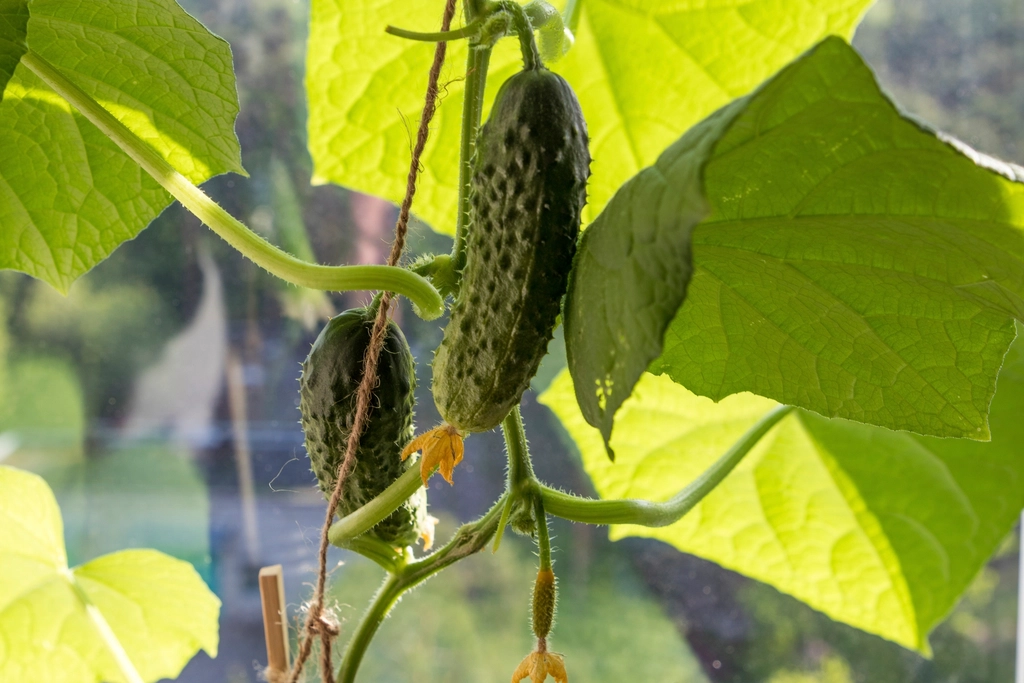

The Dull Green Droop That Starts on a Single Leaf
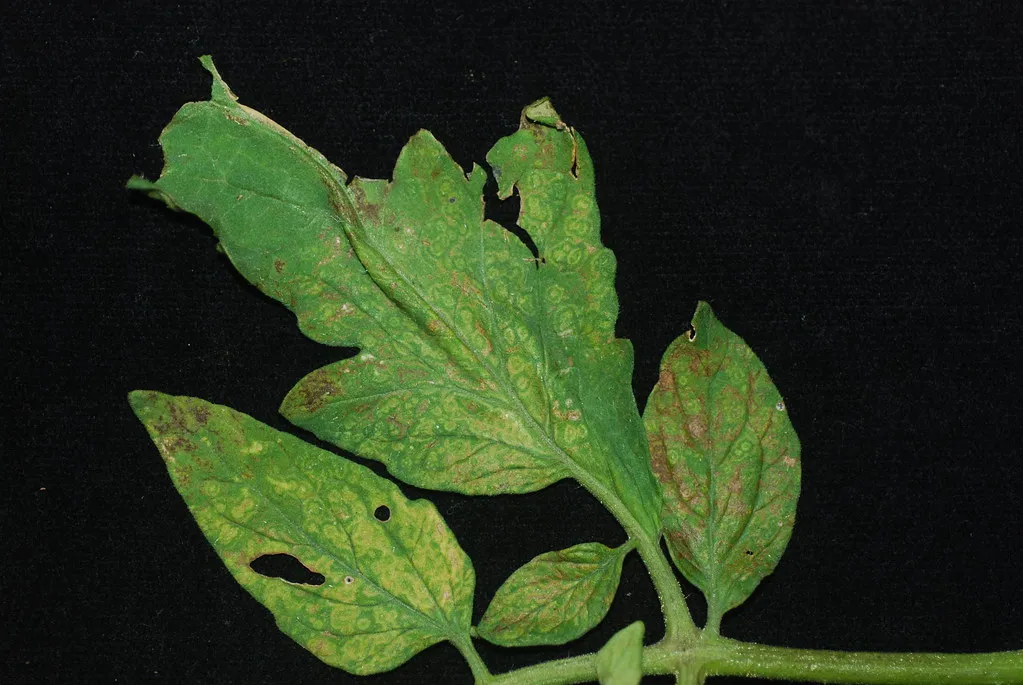
The very first symptom appears around chewed areas on the leaf, where the leaf tissue becomes dull green and the leaf wilts rapidly. This is easy to miss because it looks like ordinary heat stress. The difference is location: the wilting clusters around insect feeding damage, not uniformly across the plant.
Initially, individual leaves or groups of leaves turn dull green and wilt, followed by wilting of entire runners or whole plants. The sequence matters. If you see a single runner flagging before the rest of the plant, that asymmetry is a red flag worth taking seriously.
Wilting That Recovers at Night – Then Stops
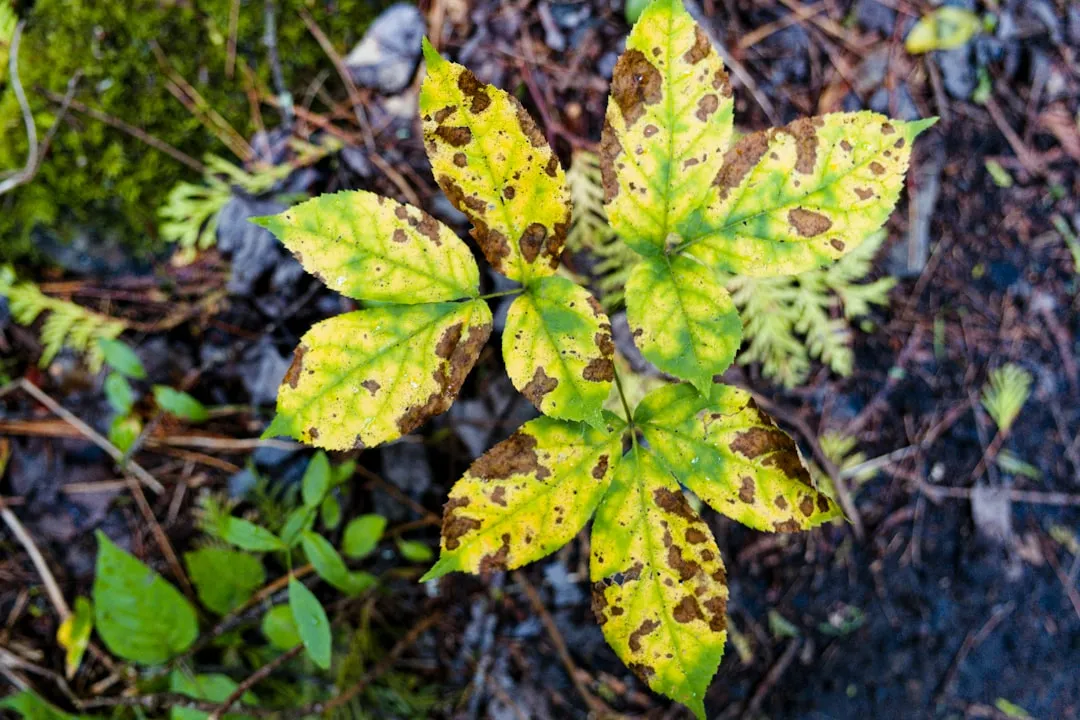
At first, plants may partially recover at night, but as the disease progresses, wilt becomes permanent. This overnight recovery is deceptive. It reassures gardeners into thinking the plant is fine, when the bacteria are actually multiplying rapidly inside the vascular tissue.
Wilted vines may regain their turgor at night but wilt again the next day. That daily cycle of wilt-recover-wilt is one of the clearest early behavioral patterns distinguishing bacterial wilt from simple drought stress. If your plant bounces back each morning but collapses again by midday, treat it as a serious warning.
The Bacteria Are Blocking the Plant’s Water Supply

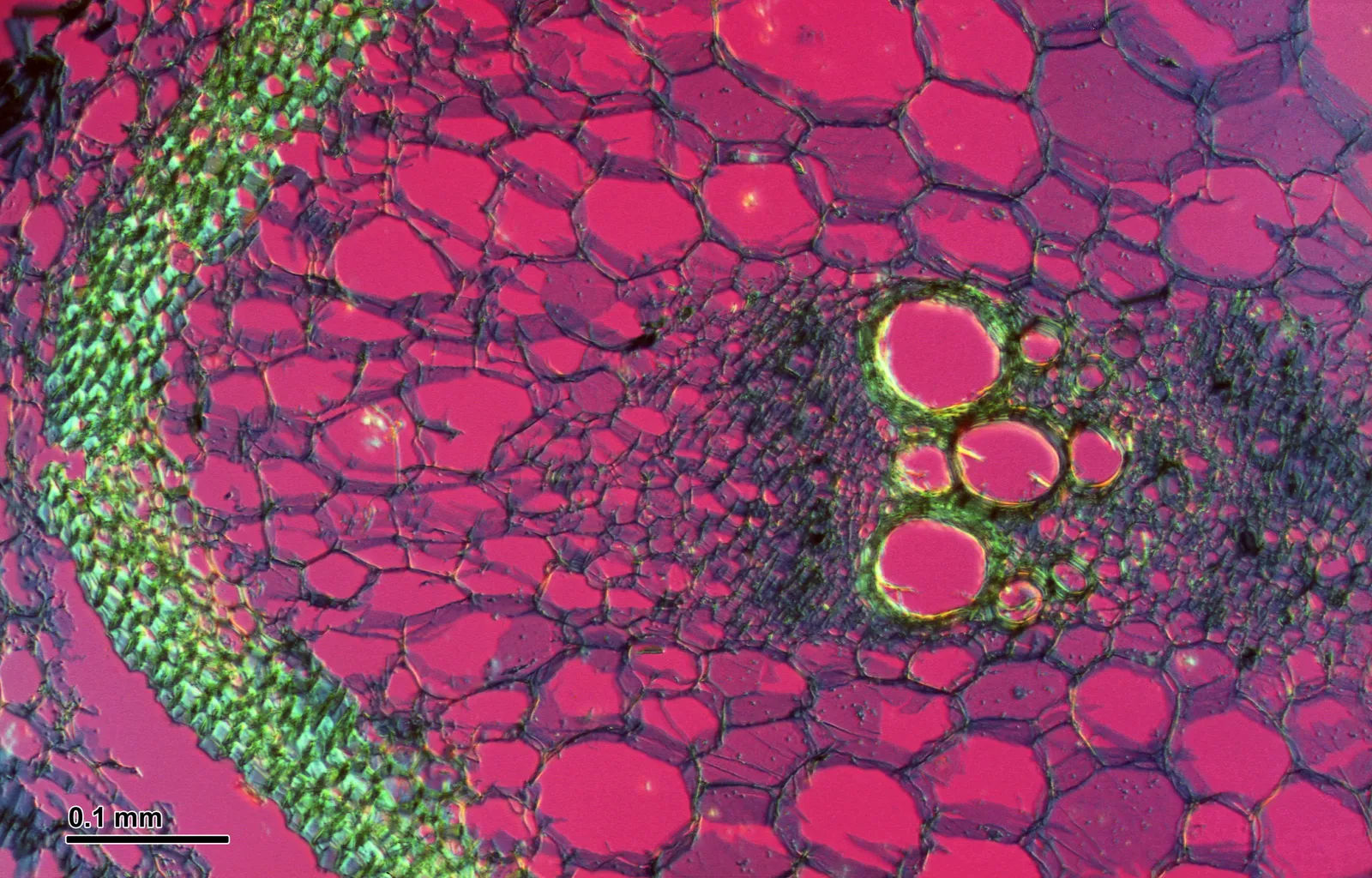
Inside the plant, the bacterium produces extracellular polysaccharides and blocks fluid flow in the xylem through the mechanism of vascular occlusion, causing the plant to wilt. This is why no amount of watering helps. The pipes are clogged at a cellular level, not because the soil is dry.
The bacteria multiply rapidly within the plant, plugging the vascular tissue and causing wilting. The disease spreads to unaffected runners through the dissolved walls of adjacent xylem vessels. Once the bacteria move between vessels, spread across the plant becomes largely unstoppable.
What the Stem Ooze Test Reveals
The diagnostic feature for this disease is the emission of a slimy, sticky ooze from cut stems. Field diagnosis can be confirmed using a simple “bacterial ooze test” – with a sharp knife, cut through a wilted vine near the crown. This is one of the most reliable field confirmations available to home gardeners, and it takes less than a minute.
Touch the cut ends together and then slowly pull them apart. Fine thread-like strands of bacterial ooze will be drawn out when bacteria are present. This test works well for cucumber and muskmelon but is less reliable for squash or pumpkin.
The Cucumber Beetle Connection You Cannot Ignore
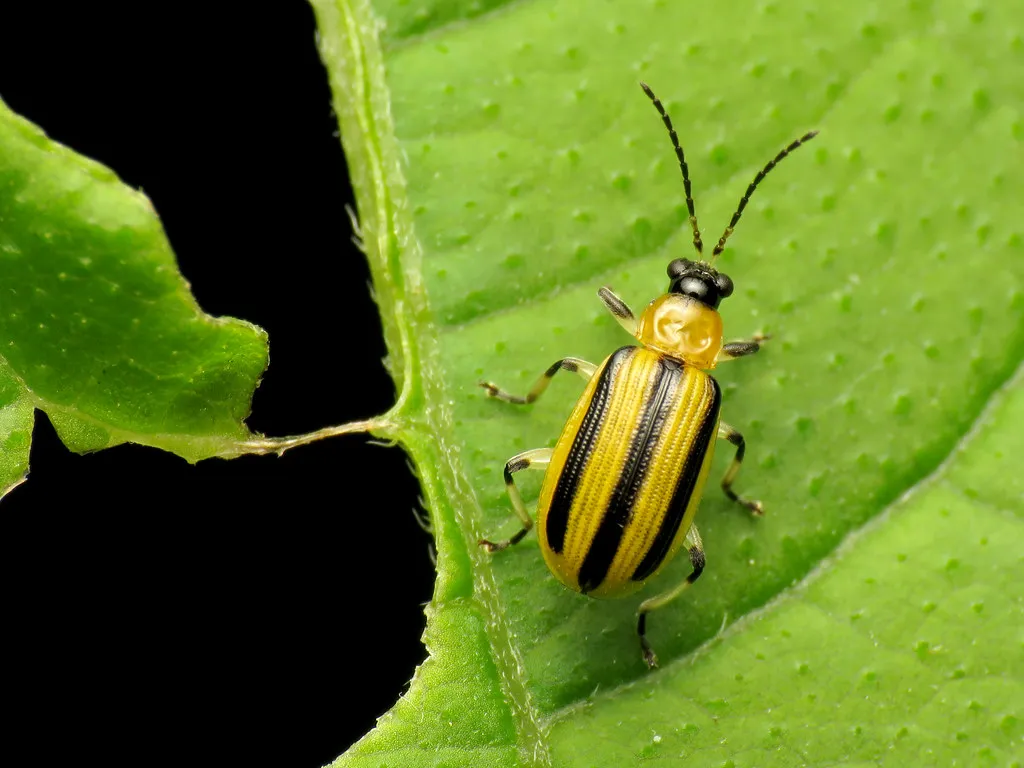
Bacterial wilt is caused by Erwinia tracheiphila; striped and spotted cucumber beetles serve as vectors, carrying the bacterium from plant to plant during the growing season. The disease cannot spread on its own. Without the beetles, it has no pathway into the plant.
The bacterium hibernates in the digestive tract of a few beetles and in spring finds its way through the feces of the carriers to the young plant. It can enter plant tissue only through deep wounds such as those produced by feeding beetles. It only takes one cucumber beetle to infect an entire plant.
Young Plants Are Dramatically More Vulnerable

Bacterial wilt can kill plants within two weeks if they are infected while young. Seedlings at the cotyledon and one- to three-leaf stage are more susceptible to infection than older plants. The early weeks after germination are genuinely the highest-risk period of the entire growing season.
Often affected plant parts will appear dark green before irreversible wilt. Wilt is most severe early in the season when the plants are rapidly growing. It is especially important to keep beetle numbers low before the five-leaf stage. That narrow developmental window deserves the most focused protection efforts.
How Quickly the Collapse Can Happen
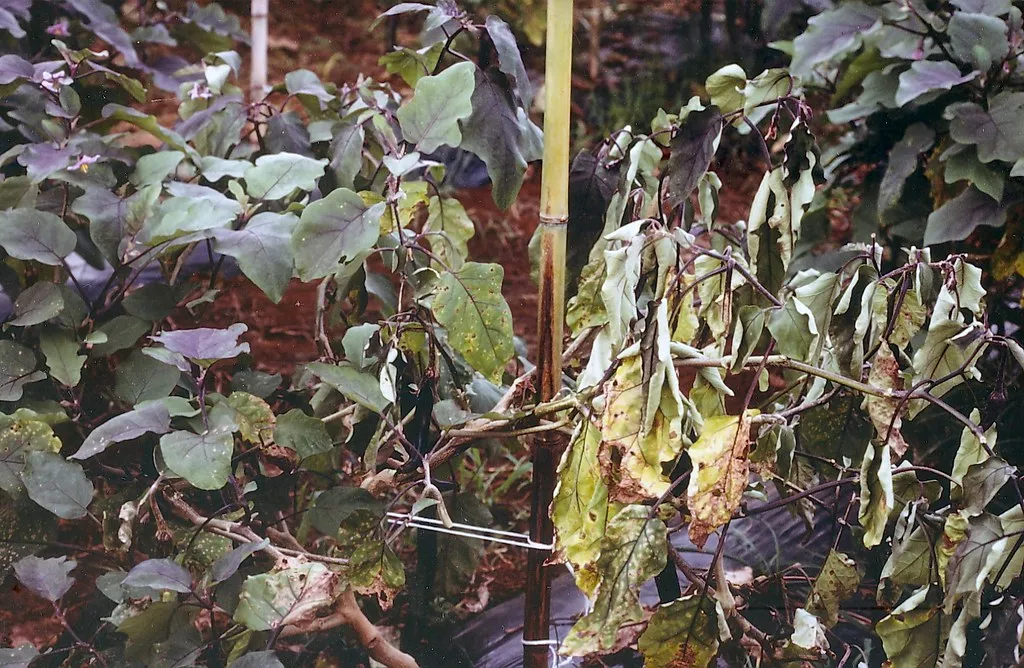
The speed of wilting varies by crop. Cucumbers and melons wilt and die rapidly. Infected vines die in seven to fourteen days. For context, that is faster than most gardeners even notice something is seriously wrong.
Bacterial wilt usually strikes just as the plants develop vines. Individual leaf tips will suddenly begin to wilt, with the wilting becoming more extensive each day. Within a few days the vine dies, and other vines nearby show symptoms of infection. The speed of collapse is what makes early recognition so critical.
The Economic Scale of the Problem
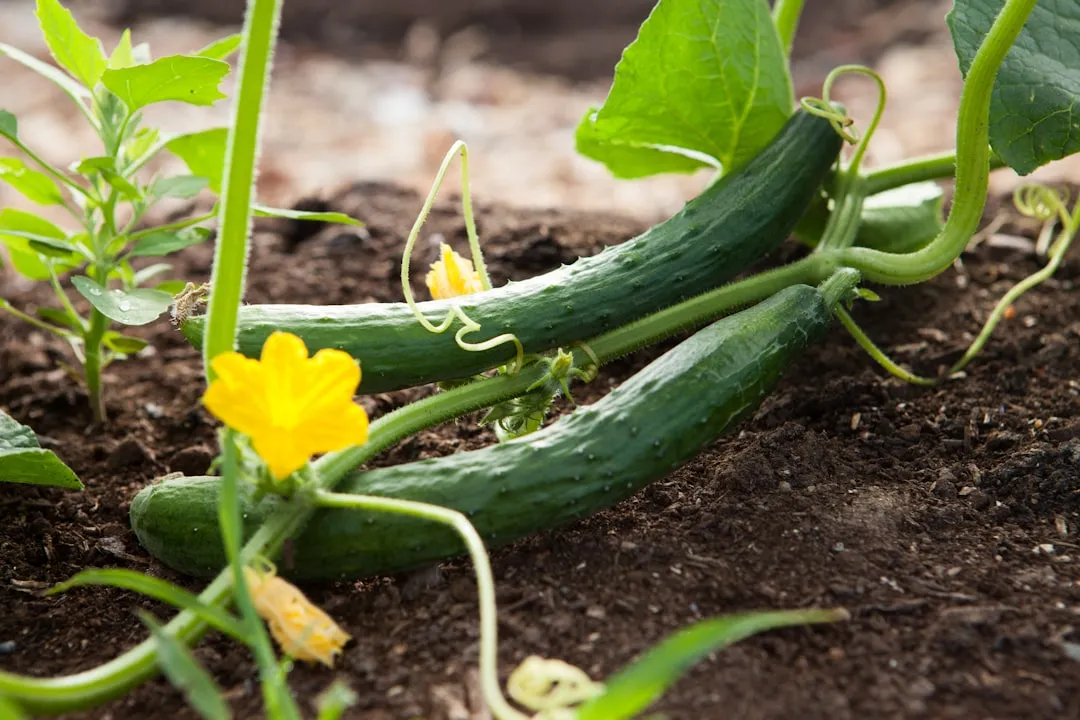
The economic impact of Erwinia tracheiphila is significant, particularly in the Midwestern and Northeastern United States, where it threatens cucurbit crop production. Bacterial wilt can lead to severe losses, with up to roughly four-fifths yield loss reported in susceptible cultivars in the field. Those numbers reflect commercial fields, but backyard gardens can suffer similar proportional losses.
Bacterial wilt is a common and destructive disease that affects cucurbits, including economically important crops such as melon, cucumber and, to a lesser extent, squash and pumpkin. This disease is distributed throughout the United States and can be found anywhere that cucurbits are grown. It is not a regional curiosity. It is a nationwide concern for anyone growing cucumbers.
Why There Is No Cure Once Symptoms Appear
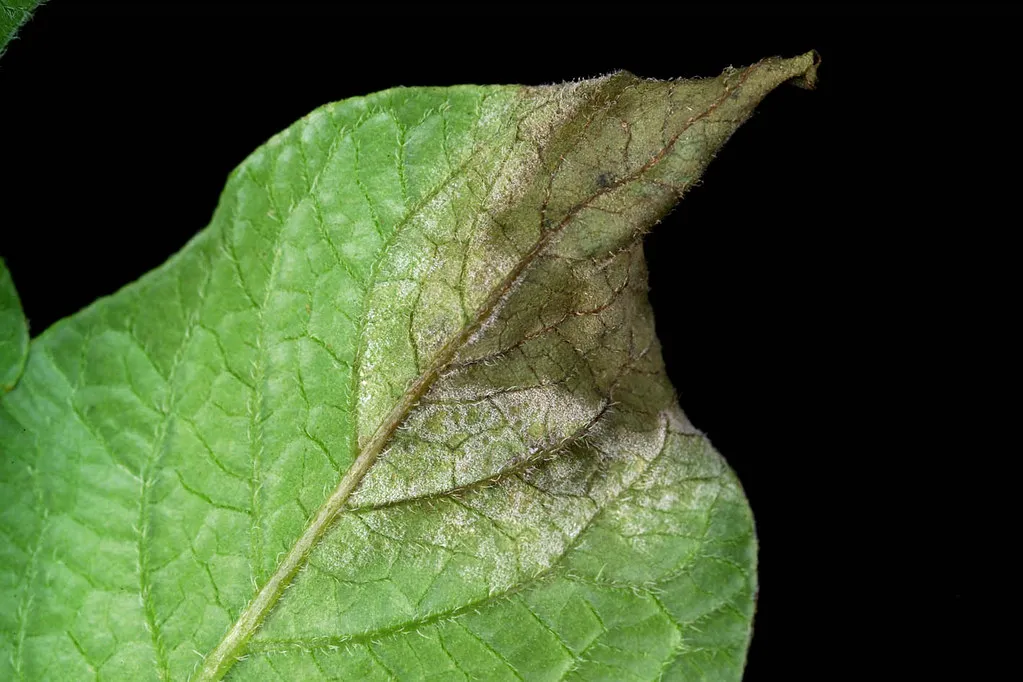
There is presently no effective pathogen-based disease management strategy for control of bacterial wilt, and infected plants will ultimately die. Pesticides will not cure a cucurbit plant infected with bacterial disease. This is a hard biological reality that changes how growers need to think about the disease entirely.
There is no treatment once a plant is infected. You pull it out and throw it away. The only defense is preventing the beetles from feeding on your plants in the first place. The moment is already past when the ooze test comes back positive. The entire strategy for managing bacterial wilt must be front-loaded, before symptoms ever appear.
Prevention Strategies That Actually Work

The best protection strategy is to cover transplants with row covers immediately at planting, before beetles arrive. Keep covers on for the first three to four weeks. When you remove them for pollination, switch to kaolin clay spray as a physical deterrent.
Managing cucumber beetles provides the most effective control of bacterial wilt. Research in Massachusetts found that kaolin clay did reduce beetle numbers, and research in New York found it helped reduce defoliation in zucchini. Rotate crops each year and avoid planting cucurbits in the same area more than once every two or three years.
Cucumber varieties Shintokiwa, County Fair, Arkansas Little Leaf, and Little Leaf are reported to be tolerant or resistant to bacterial wilt, as per Cornell University. Choosing a more tolerant variety does not guarantee immunity, but it meaningfully reduces the odds of a full collapse when beetles show up.
The Takeaway
Bacterial wilt is one of those diseases where the best intervention happens before you ever see a symptom. Prevention is the only reliable way to manage bacterial wilt. The dull-green droop on a single leaf, the overnight recovery that fools you into relaxing, the sticky thread in a cut stem – all of these are signals that arrive late in the infection timeline.
The real early warning sign is something you see before any wilting at all: the presence of cucumber beetles on your young plants. Spot those striped or spotted insects feeding on seedlings with fewer than five true leaves, and you are looking at the actual beginning of the threat. Every other sign you might notice comes after the bacteria have already entered the plant.
Protecting that early window is not complicated, but it requires acting before trouble is obvious. Row covers, beetle monitoring, and crop rotation are unglamorous tools – but they are the only ones that reliably work.
AI Disclaimer: This article was created with the assistance of AI tools and reviewed by a human editor.