

How Common Are Dog Ear Infections?

Ear infections in dogs are far more widespread than many pet owners realize. Research indicates that up to one in seven dogs seen in veterinary practice will get otitis externa at some point in their lives. That is a substantial number when you consider how many dogs share homes with people around the world.
A large Royal Veterinary College study that followed 22,333 dogs for a year found that roughly one in every fourteen dogs in the UK suffered from an ear infection within that single year. These aren’t just minor inconveniences. Dog ear infections are among the most common reasons for a trip to the vet, and while they are common, they can cause significant pain and lead to more serious issues if left untreated.
What the Scratching Actually Looks Like
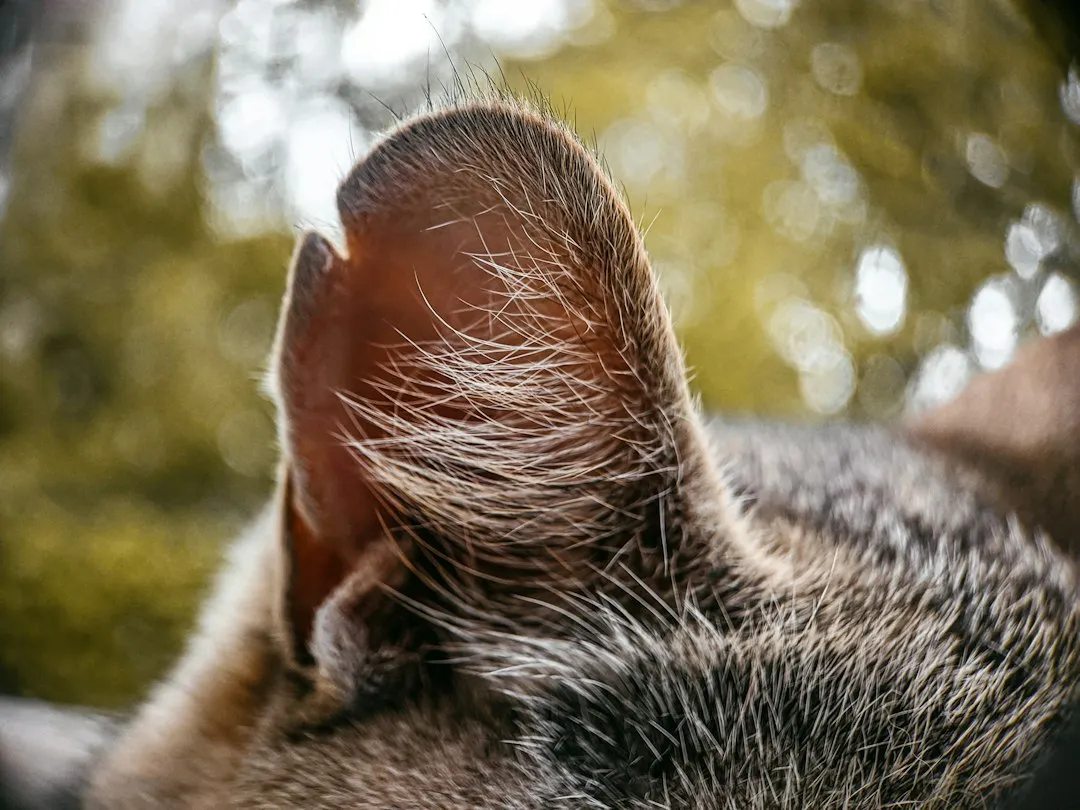
A dog with otitis may scratch its ears, shake its head vigorously and frequently, hold its ears in an abnormal position, and have malodorous ear discharge. These behaviors together are a recognizable cluster worth noting.
Persistent scratching at one or both ears sometimes creates raw spots around the ear, which is a sign the dog has been at it for a while. One of the most obvious signs is persistent scratching at the affected ear or rubbing it against furniture or the floor. You might also notice your dog shaking its head frequently, as if trying to dislodge something.
The Anatomy That Makes Dogs Vulnerable

The ear canal of a dog has a steep vertical portion and then a horizontal portion, almost creating the shape of the letter “L.” This unusual shape is part of what makes dogs so prone to infections in the first place.
The external ear in animals is longer and deeper than in humans, which makes it easier for infection or wax to build up or be hard to remove. Moisture, debris, and microorganisms can collect in that deep bend of the canal, and the dog’s body heat turns the space into a warm, enclosed environment. Bacteria, yeast, or fungi can thrive in the warm, moist environment of a dog’s ear canal.
Bacteria and Yeast: The Two Main Culprits

Bacterial ear infections are usually caused by Staphylococcus and Pseudomonas bacteria, while fungal ear infections are usually caused by a yeast called Malassezia. Both are organisms that naturally live in a dog’s ear in small numbers.
Dog ears normally have Staphylococcus and Malassezia. These bacteria and yeast multiply in number in inflamed and irritated ears, leading to an ear infection. Research published in 2025 from the Faculty of Veterinary Medicine in Belgrade found that of 210 ear swabs analyzed, nearly a third showed mixed bacterial infections caused by two or more bacteria. That matters because mixed infections often require more targeted treatment.
Which Dogs Are Most at Risk?

Designer breeds such as Labradoodles and Cockapoos had one and a half times the risk of ear infection compared with crossbred dogs. Poodle breeds had almost twice the risk compared with non-poodle breeds, and Spaniel breeds had a noticeably higher risk compared with non-Spaniel breeds.
Breeds with pendulous, droopy ear carriage had one and three-quarter times the risk compared with breeds with erect ears, and dogs with V-shaped drop ear carriage had nearly double the risk. The logic is straightforward: floppy ears restrict airflow, trapping warmth and moisture. Male dogs also had a somewhat higher risk of ear infection compared with female dogs.
Age matters too. The prevalence of ear diseases was highest in elderly dogs over seven years old, accounting for roughly two in every five cases.
Seasonal Patterns Worth Knowing

Ear infections don’t occur at a steady rate throughout the year, and there’s solid research to back that up. The incidence of otitis peaked during the rainy season, accounting for more than half of all cases recorded. This is consistent with what veterinarians see in practice: wet weather means more moisture in and around a dog’s ears.
Research from Northwest China found that the highest prevalence of ear diseases occurred from June to October, accounting for the majority of the total annual cases. For dog owners, this means the warmer, wetter months call for closer attention to ear hygiene, especially after swimming or bathing.
Other Warning Signs Beyond Scratching

Scratching is usually the first thing owners notice, but it rarely arrives alone. Other signs include rubbing ears on furniture or the floor, a bad smell coming from the ears, ear drainage or discharge in colors ranging from black to brown to green or yellow, redness or swelling in the ear canals, and yelping when the ears are touched.
A persistent head tilt toward the affected side suggests deeper involvement, which can indicate the infection has progressed beyond the outer ear canal. The skin inside the ear might appear red, swollen, or inflamed, and your dog may show signs of pain, such as yelping when you touch its ear or tilting its head to one side.
What Happens If It Goes Untreated

Repeated ear infections are a serious health problem for dogs. Dogs can develop permanent damage to the ear canal, known as otic mineralization, and damage to the surrounding bone, which can ultimately lead to surgery to remove part of the dog’s ear.
Middle-ear problems are a common complication of chronic otitis, particularly when gram-negative bacteria such as Pseudomonas are present. The proteolytic enzymes released by these bacteria can rupture the eardrum, spreading the infection further. This kind of escalation is entirely preventable with timely care, but it happens when early scratching signals get ignored for too long.
How Vets Diagnose and Treat the Problem
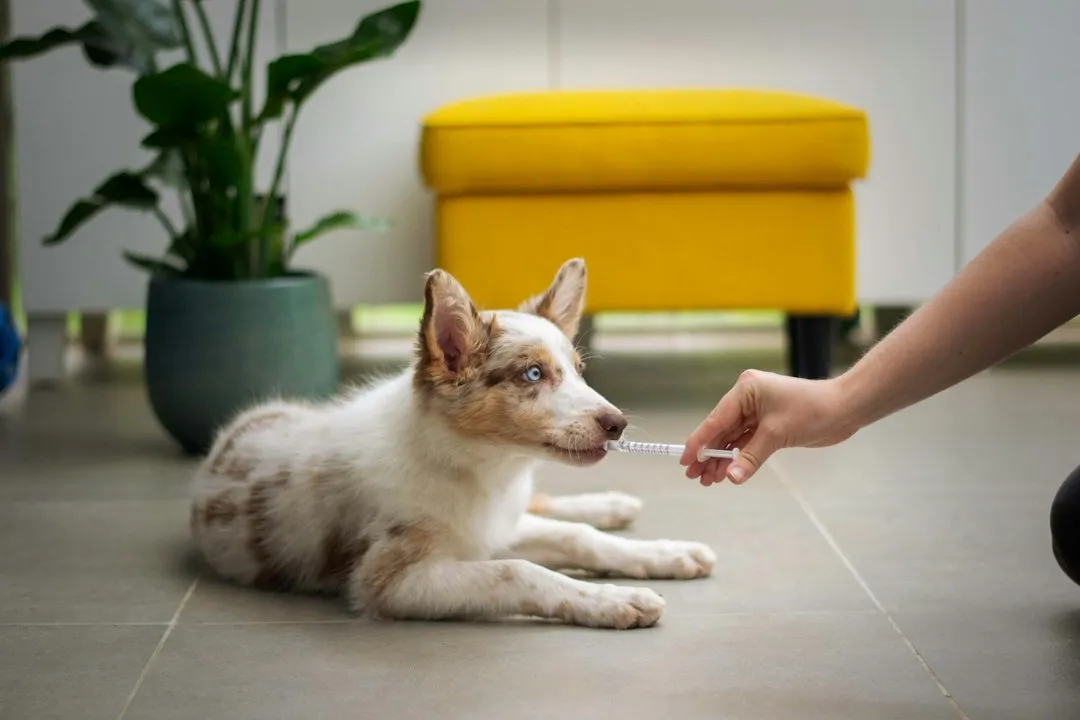
The type of infection must be identified by the veterinarian by examining a sample of ear exudate under a microscope, since bacterial infection will only respond to antibiotics, fungal infection to a fungicide, and ear mites to an insecticide. There is no one-size-fits-all approach here.
Common medications for ear infections include antibiotics, antifungals, steroids, and pain medications. On the treatment side, most uncomplicated ear infections resolve within one to two weeks once appropriate treatment begins. However, stopping medication too early is a known problem: an ear infection will worsen if the medication is stopped too early, while using antibiotics and steroids for too long can cause other health issues.
A newer development in this space: terbinafine and betamethasone acetate was approved for veterinary use in the United States in March 2024, giving vets an additional option for treating yeast ear infections in dogs.
Prevention and Ear Care at Home

Ear infections are typically better prevented than treated. Keeping your dog’s ears clean and dry can help reduce the occurrence of ear infections. Simple habits can make a real difference over the course of a dog’s life.
A simple preventive regimen includes having a reliable ear cleansing solution on hand, cleaning your dog’s ear once every one to two weeks, and cleaning any time the dog’s ears get wet. For dogs that love water, this last point is particularly important. Ear canals should be kept dry and well ventilated, since chronic moisture impairs the barrier function of the skin and predisposes it to opportunistic infection. Preventive otic astringents may also decrease the frequency of bacterial or fungal infections in moist ear canals.
When to See a Vet Without Delay

Schedule an appointment if your dog shows head shaking or scratching lasting more than a day, any ear discharge or odor, visible redness, pain when the ear is touched, head tilting, loss of balance, or recurring infections of two or more per year. These aren’t reasons to wait and watch.
If your dog displays extreme lethargy, refuses to eat, or shows signs of intense facial pain when opening its mouth, contact a veterinarian right away. Do not wait for a scheduled checkup if the ear infection appears to be causing persistent distress or if blood or thick purulent fluid is visible. Early action almost always means a shorter, simpler course of treatment.
The Takeaway

A dog scratching its ear is easy to dismiss. It looks like nothing. But the anatomy of a dog’s ear canal, the prevalence data from large veterinary studies, and the documented risk of permanent damage all point in the same direction: persistent scratching deserves a closer look, sooner rather than later.
The good news is that most ear infections, caught early, are entirely manageable. Prevention is always better than cure, and appropriate treatment linked to careful cytological testing should help minimize the chances of an acute otitis becoming chronic and possibly irreversible. A dog that scratches its ears more than usual is communicating something. It’s worth listening.
AI Disclaimer: This article was created with the assistance of AI tools and reviewed by a human editor.