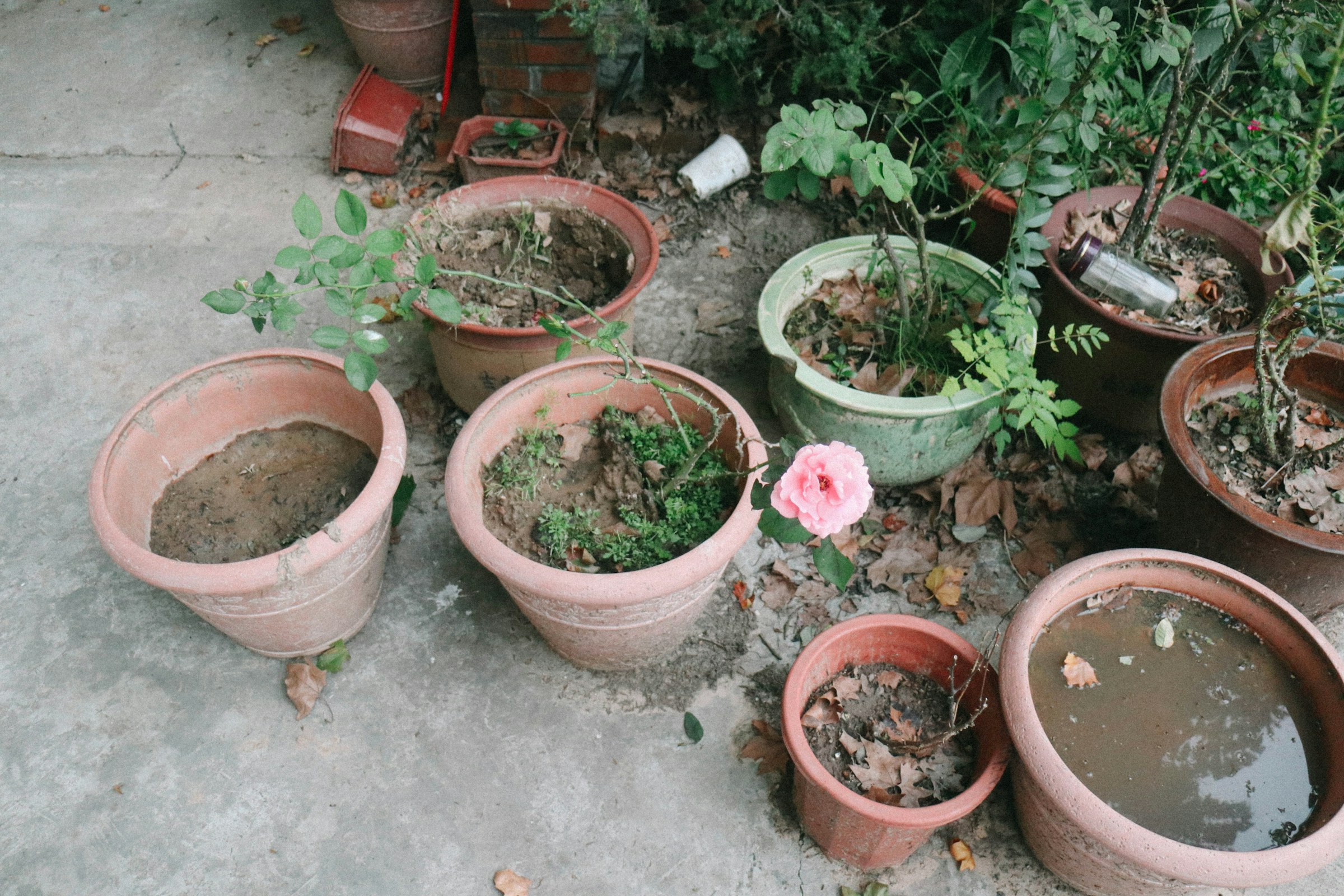

There’s a quiet pattern playing out on windowsills and patios everywhere. A plant starts looking a little wilted. The owner waters it more. The plant looks worse. More water goes in, and eventually the whole thing collapses. The culprit, in the vast majority of cases, isn’t neglect. It’s a drainage problem that started long before the first symptom appeared.
Drainage is one of those things that sounds obvious until you realize how many people get it wrong, and not always in obvious ways. It isn’t just about having a hole at the bottom of the pot. It’s about understanding what happens underground, in the dark, in a space the eye never sees. What follows covers ten of the most common and damaging drainage mistakes, with the science to back each one up.
No Drainage Holes at All: The Most Common and Lethal Error
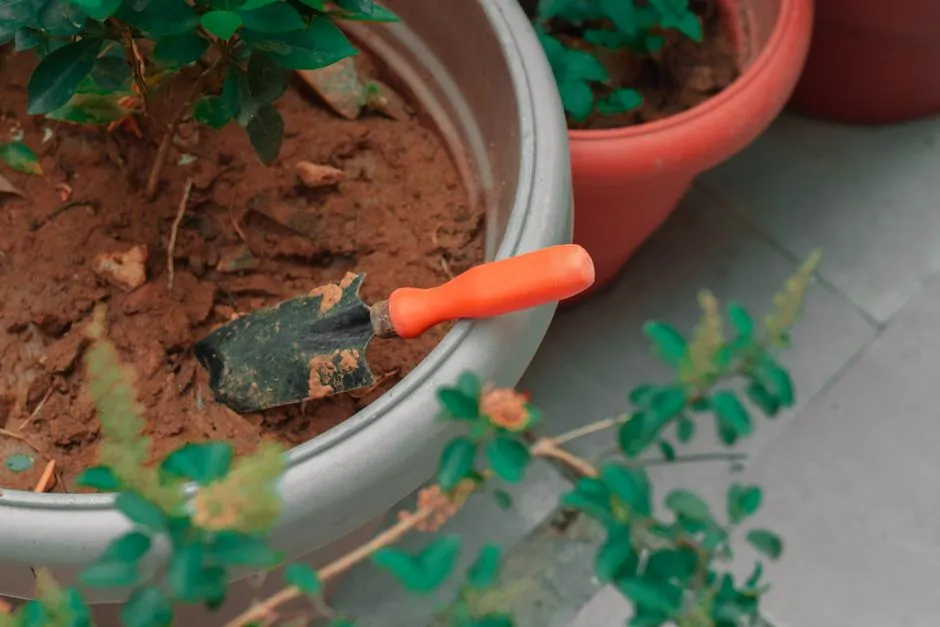
No drainage holes is the single most common container gardening mistake, and one of the fastest ways to kill any plant. The problem is especially common with decorative pots, which are often designed to look beautiful rather than function properly.
Without drainage holes, excess water has nowhere to go. It pools at the bottom of the pot, starving roots of oxygen and creating the anaerobic, waterlogged conditions that cause root rot.
Root rot is one of the fastest ways to kill any container plant, and by the time symptoms appear the damage is usually already severe. Many decorative pots, ceramic planters, and glazed bowls are sold without drainage holes. They look beautiful, but they are not functional plant containers on their own.
The Gravel Myth: Why Rocks at the Bottom Make Things Worse
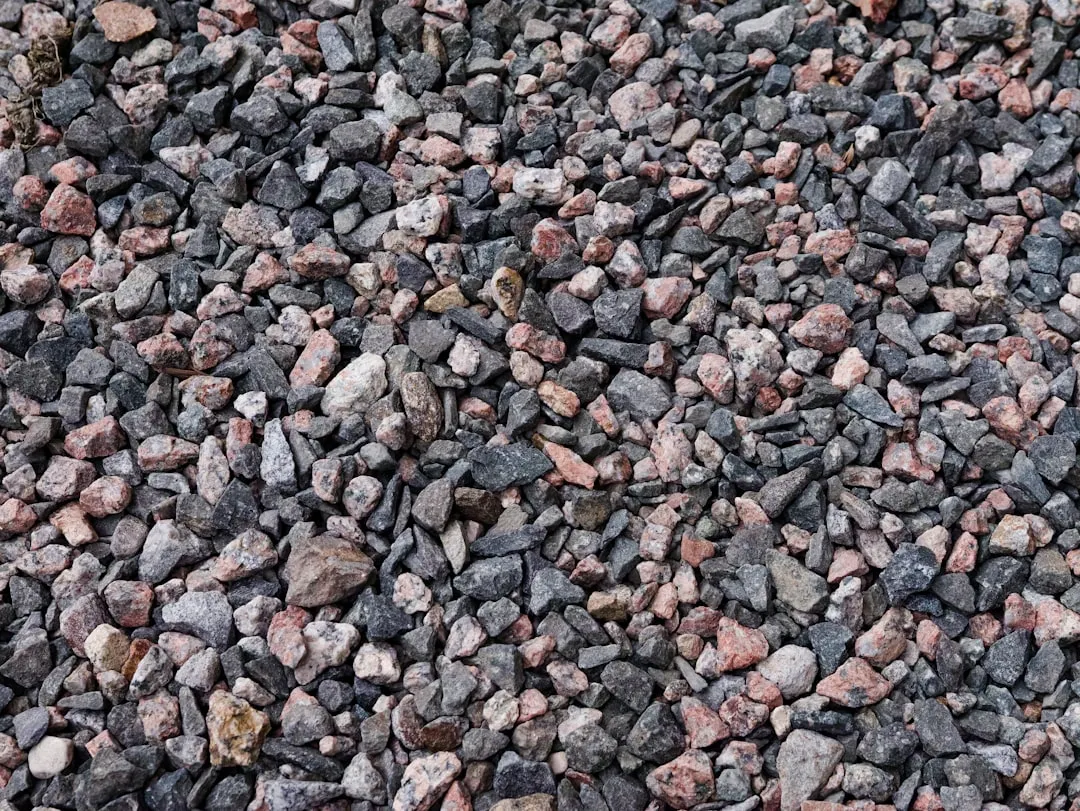
One of the most stubborn myths in container gardening is that placing a layer of rocks or gravel at the pot’s base improves drainage. It feels logical. In practice, it backfires significantly.
Research from Cornell Cooperative Extension confirms that adding gravel or stones to the bottom of a pot actually raises the perched water table, which is the saturated zone where gravity can’t pull water downward. Instead of draining freely, water pools above the gravel, drowning roots in anaerobic conditions.
Research confirms that gravel layers can increase saturation height by up to roughly a third compared to bare-bottom pots. True drainage requires an exit path, not a barrier. If your pot doesn’t have a hole, rocks are not a substitute.
Too Few Holes, Too Small: Drainage That Can’t Keep Up
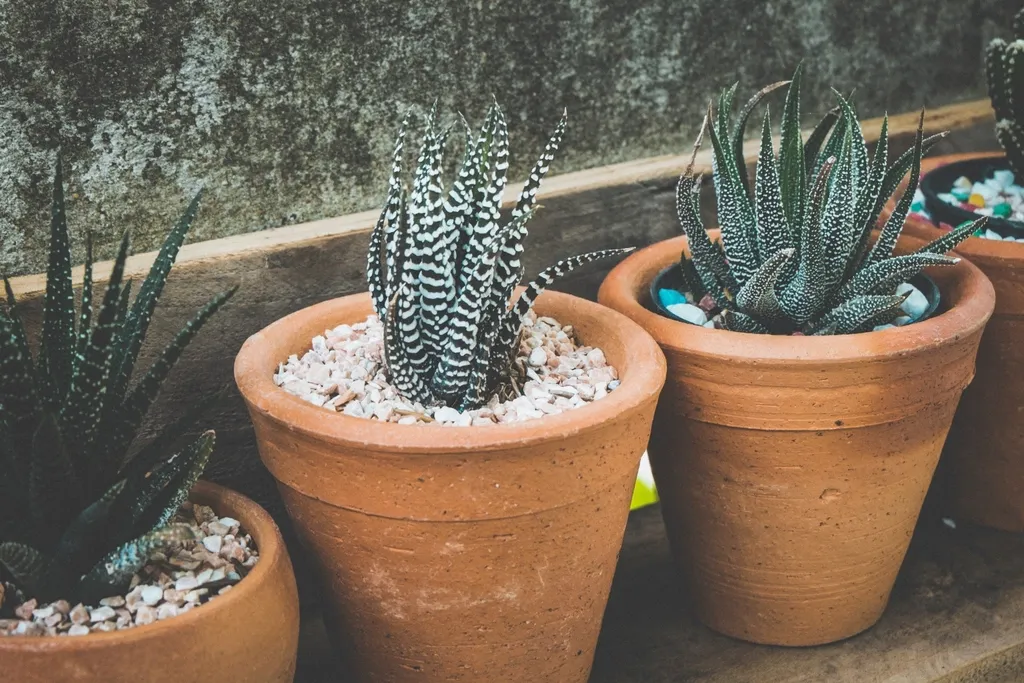
Having a drainage hole is only the start. A single small hole at the base of a large pot is often insufficient to move water out before damage begins. The size and quantity of holes matters as much as their presence.
Not providing enough drainage holes can cause water to accumulate, leading to root rot. This is a mistake that many gardeners make, and it can be quite harmful to plants. The issue scales with pot size and watering habits.
A practical fix is to drill three to five evenly spaced quarter-inch holes in the base of any non-perforated pot made of wood, ceramic, or metal. Spacing matters too. Holes clustered in one corner won’t serve the full base of soil equally.
Leaving Plants Sitting in Saucers of Standing Water
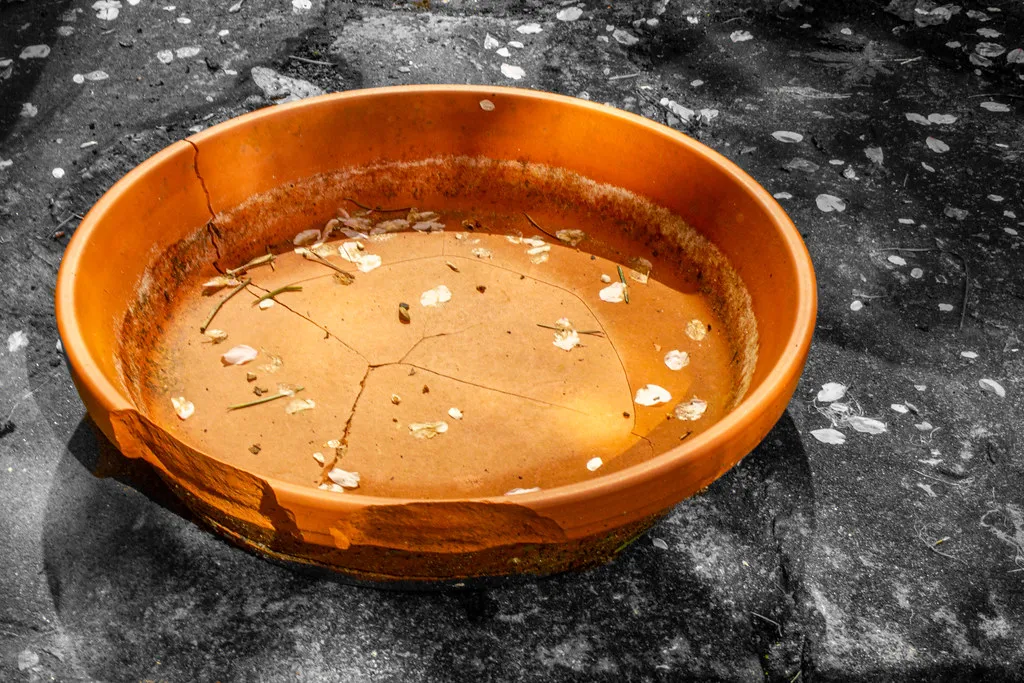
Even when a pot drains correctly, the problem can continue if the plant sits in collected water. Saucers and drip trays are useful for protecting surfaces, but they’re not meant to act as long-term reservoirs beneath the pot.
Plants should not be allowed to sit in drainage water. When they do, the soil wicks that standing water back upward, keeping the lower root zone permanently saturated. The drainage hole becomes functionally useless.
Water until you can see moisture coming out of the drainage holes, then let the pot sit for a few minutes to allow proper absorption, and empty any excess water collected in the drip tray or decorative pot. That last step is the one most people skip.
Roots Blocking the Drainage Hole from the Inside
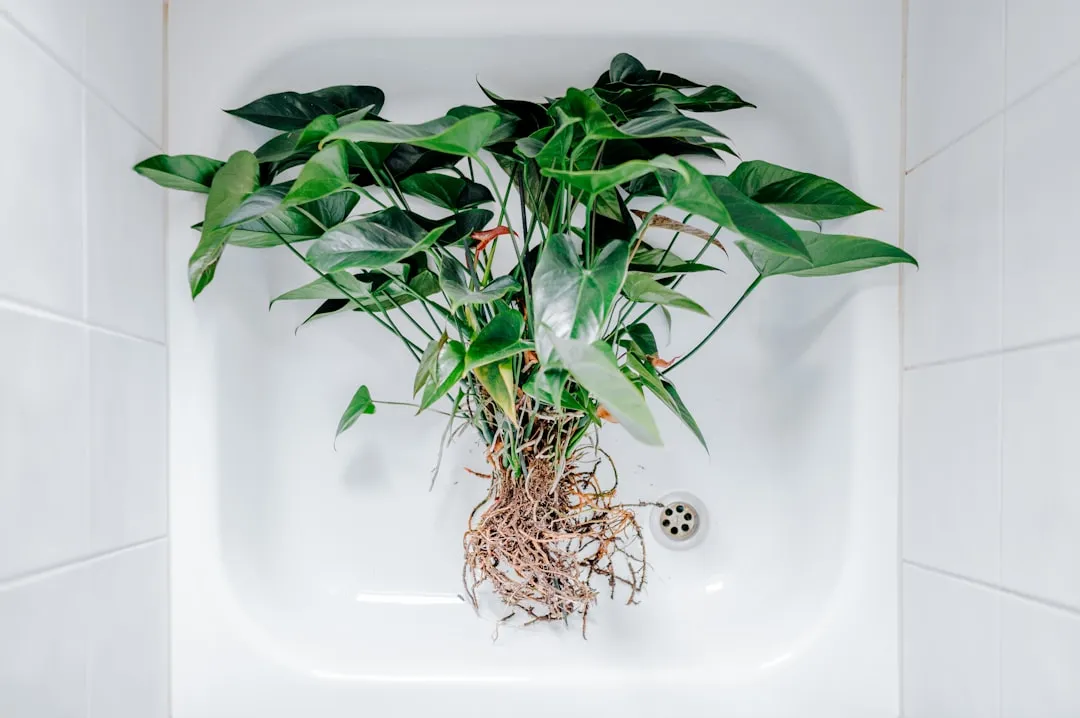
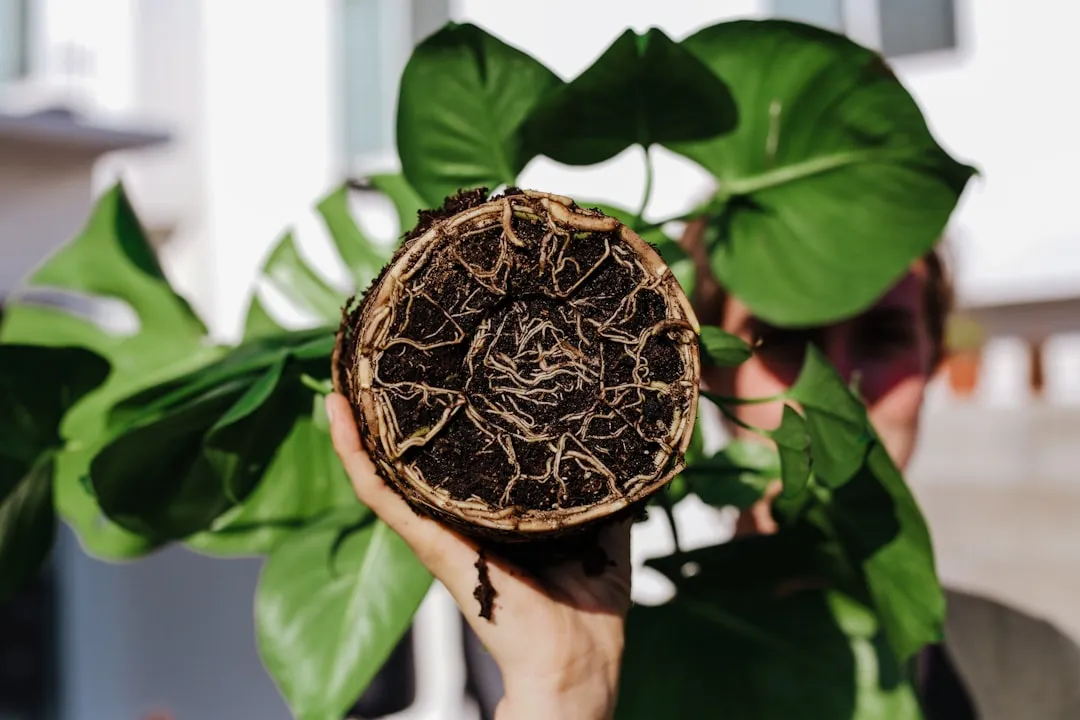
A root-bound plant creates a drainage problem that’s easy to overlook because it develops gradually. As roots grow and fill the container, they can physically block the drainage hole, turning what was once an escape route into a plug.
If roots are growing through the drainage holes, this can block drainage and lead to rot. A root-bound plant should be repotted so the roots have plenty of space to grow and don’t obstruct the drainage holes.
Root-bound plants show stunted growth, rapid drying despite frequent watering, roots protruding from drainage holes, and soil pulling away from pot edges. Any of those signs warrant a prompt repot into a larger container.
Using Garden Soil in Containers: A Drainage Disaster
Many people scoop soil from the garden and use it in pots, assuming that what works outdoors will work indoors or in containers. This reasoning is flawed, and the consequences are serious.
Garden soil compacts heavily under container conditions. Its clay particles swell when wet, then shrink and crack when dry, shearing delicate feeder roots. It also carries weed seeds, fungal spores including Fusarium and Pythium, and nematodes that are absent from sterile mixes.
A 2022 Rutgers trial found that garden soil retained more than four times as much water at field capacity compared to a premium potting mix, and released only about a third of that water to plant roots over a 72-hour period. That means roots sit in waterlogged conditions far longer than they should.
The Biology of What Happens Underground When Drainage Fails
Understanding why bad drainage kills plants helps explain why the problem is so unforgiving. It isn’t just about “too much water.” It’s about a chain reaction that begins with oxygen loss and ends with pathogen invasion.
When soil stays waterlogged for extended periods, the air pockets between soil particles fill with water. Oxygen levels around the roots drop, root cells begin dying from oxygen deprivation before any pathogen gets involved, and then the pathogens move in.
Most plants can be affected by root rot caused by water molds including Phytophthora and Pythium, or by fungi such as Rhizoctonia, Fusarium, and Thielaviopsis. These soil-borne pathogens infect root systems and thrive under low-oxygen or anaerobic conditions, taking advantage of roots already injured by excessive soil moisture. Prolonged standing water or compacted, waterlogged soils cause oxygen levels in the soil to drop significantly.
Pot Material and Size: How Your Container Choice Affects Drainage
The material a pot is made from directly affects how water behaves inside it. Two pots with identical drainage holes can perform very differently depending on what they’re made of.
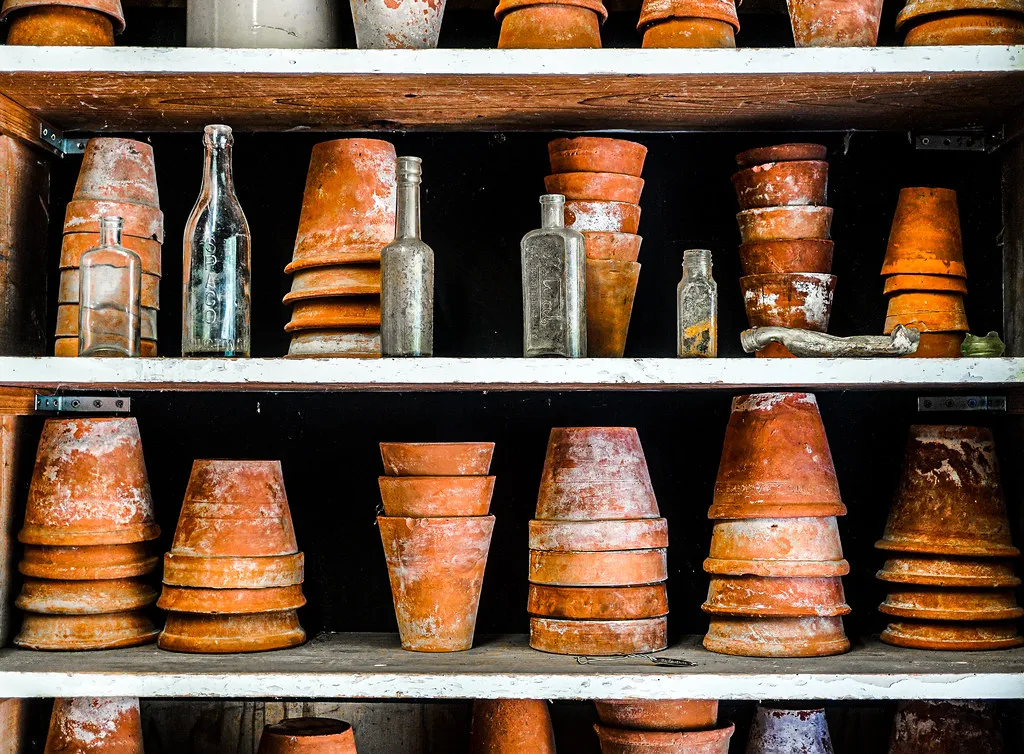
Terracotta and unglazed ceramic pots are porous by nature. Moisture evaporates from the sides of the pot, not just the top. Swapping to these types of planters may help prevent overwatering and root rot when that has been an ongoing problem.
Selecting a pot that’s too small can restrict root growth and lead to root-bound issues. Conversely, an oversized container can retain excess moisture, causing root rot. Getting the size right matters as much as getting the material right. A pot that’s much larger than the plant’s root ball holds a large volume of wet soil that roots can’t efficiently draw from.
Compacted and Wrong Potting Mix: Drainage That Degrades Over Time
Even a well-drained pot with appropriate holes can become a waterlogged trap over time if the soil inside compacts or degrades. This is especially common with mixes that weren’t designed for containers to begin with.
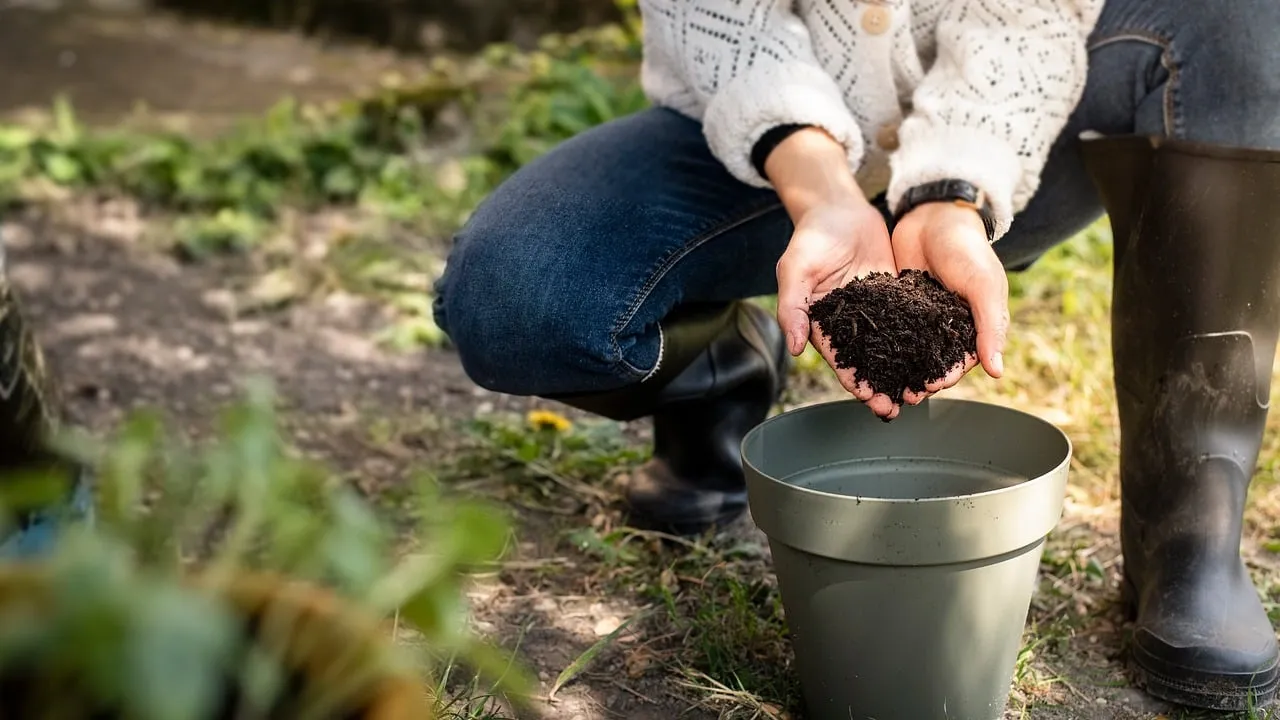
Heavy and compacted soil doesn’t allow for proper drainage or air circulation, leading to root rot. Heavy soil can also prevent water from evaporating and cause the soil to stay wet for too long.
Preventing root rot requires using the correct potting medium. Potting soil should be pasteurized if possible, aerated, and well-draining, and should contain perlite. Over time, even good-quality potting mix breaks down and compacts. Refreshing the mix every one to two growing seasons is a reasonable maintenance step for most containers.
Missing the Early Warning Signs Until It’s Too Late
One of the cruelest aspects of drainage failure is that the symptoms on the surface mimic other problems. Yellow leaves suggest a nutrient deficiency. Wilting suggests the plant is thirsty. Both lead people to water more, which is exactly the wrong response.
A houseplant that keeps wilting no matter how much it’s watered is likely dealing with root rot, a condition where the plant’s roots are surrounded by too much moisture and literally start to rot in place.
Root rot is a destructive disease caused by soil-borne pathogens favored by waterlogged soil and poor drainage. Symptoms include wilting, yellowing of the leaves, and stunting, while the roots appear soft, dark, and mushy. The rot destroys the root system, preventing water and nutrient absorption, leading to irreversible decline and plant death. By the time the roots look that bad, recovery is difficult and in many cases not possible.
Getting Drainage Right: A Practical Summary
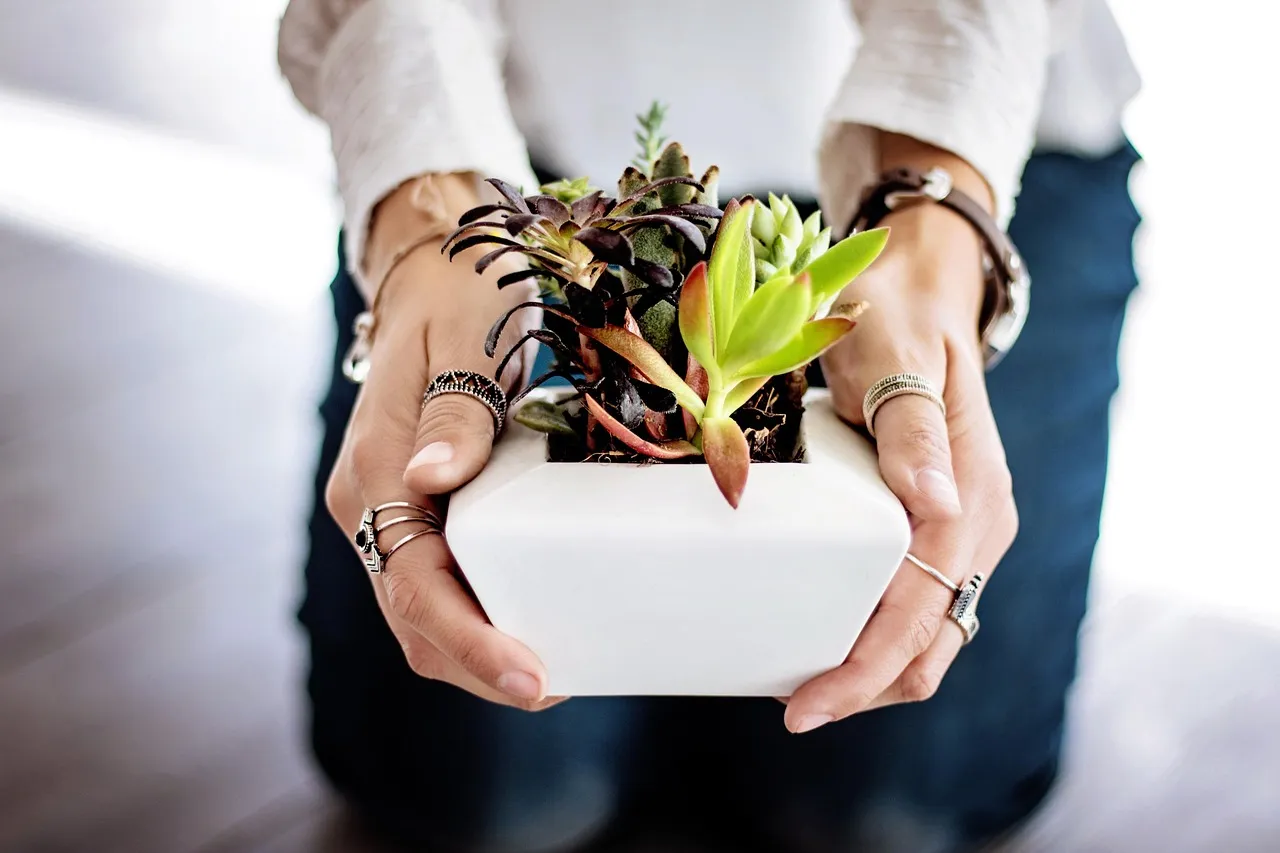
The good news is that every drainage mistake described here is preventable. Most can be fixed with a drill bit, the right potting mix, and a more deliberate watering routine. The changes don’t have to be complicated.
There are a couple of things that prevent root rot effectively. The number one step is not to overwater, but making sure the plant has proper drainage, choosing the correct potting medium, and knowing your houseplants’ requirements will all help prevent this condition.
Drainage isn’t a finishing touch you add when the pot looks good. It’s the foundation. Treat it that way, and most of the problems covered here simply won’t happen. The plants that seem impossibly fussy often aren’t. They’re just sitting in a pot that was never truly set up for them to survive.
AI Disclaimer: This article was created with the assistance of AI tools and reviewed by a human editor.