

Your Shoes Are Carrying Far More Than Dirt
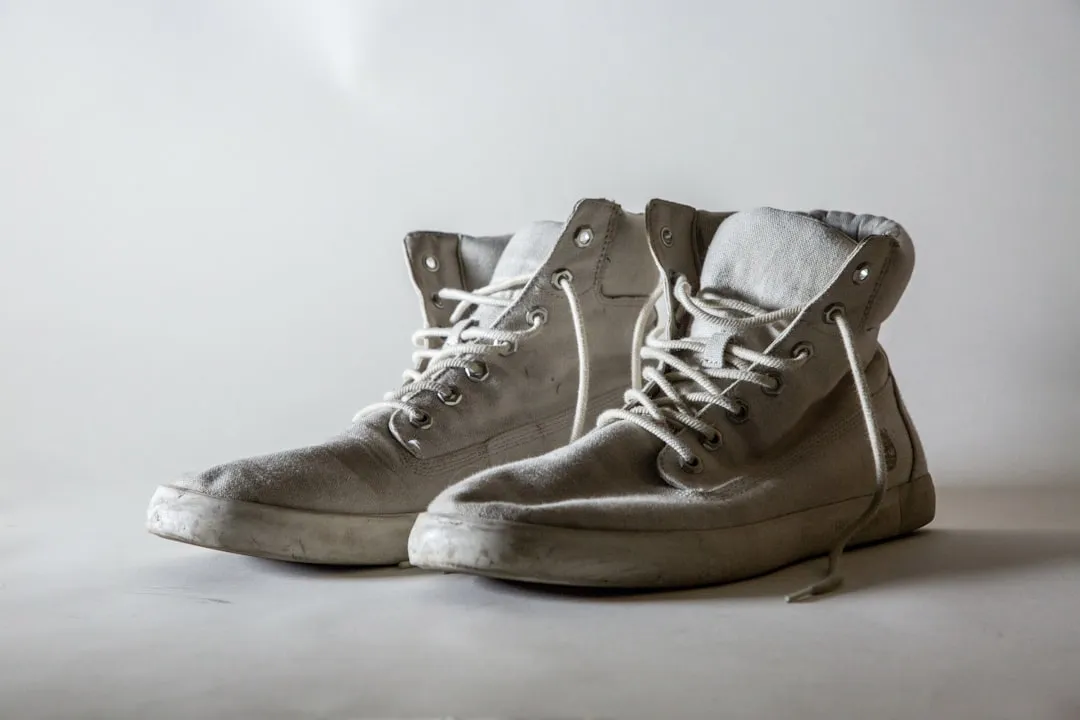
Before we even get to the doormat, it helps to understand what’s actually riding along on the bottom of your shoes. Research conducted by Dr. Charles Gerba, a microbiologist and professor at the University of Arizona, found an average of 421,000 units of bacteria on the outside of a shoe. That number builds up fast. According to that same University of Arizona study, almost half a million units of bacteria can take up residence on a new pair of shoes in just two weeks, and those bacteria can live longer on shoe soles than on many other surfaces, including toilet seats.
The bacteria found included Escherichia coli, known to cause intestinal and urinary tract infections, meningitis, and diarrheal disease; Klebsiella pneumoniae, a common source for wound and bloodstream infections as well as pneumonia; and Serratia ficaria, a rare cause of infections in the respiratory tract and wounds. These aren’t exotic pathogens from far-off places. They’re picked up on an ordinary walk to the grocery store, across a parking lot, or through a public restroom.
The Transfer Rate Is Higher Than You’d Expect
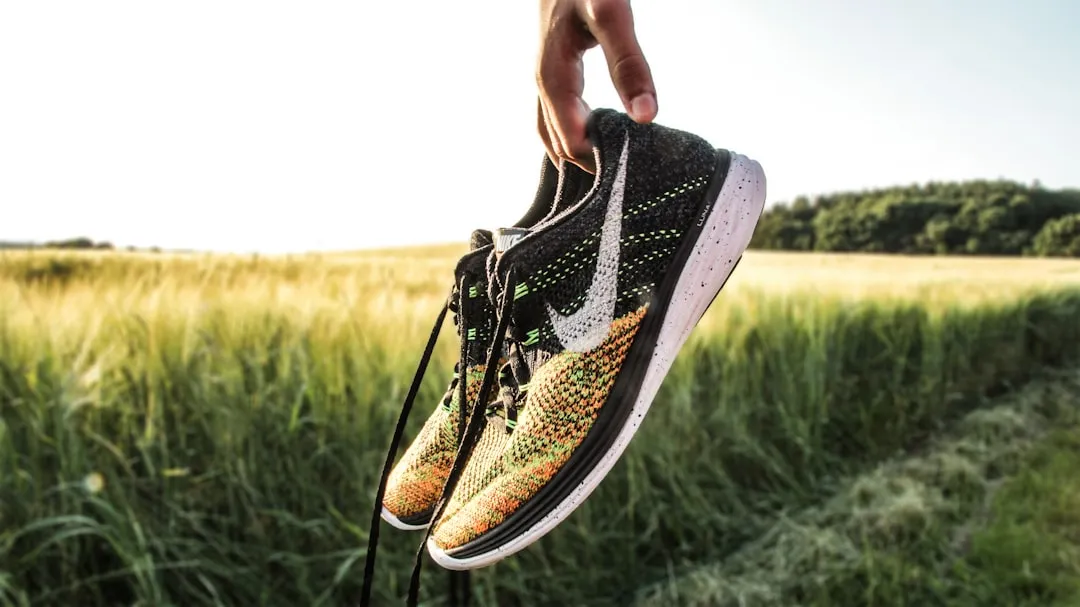
In a widely cited study, researchers found that fecal bacteria such as E. coli were commonly present on the bottoms of shoes, and when those shoes came into contact with clean flooring, 90 to 99 percent of the bacteria were transferred to it. That’s a striking transfer efficiency for something that happens silently, dozens of times a day.
As Charles Gerba himself noted, “The first three or four steps when you walk in the house are the most contaminated on the floor because you’re bringing all that stuff from outside and walking on the floors.” Depending on your home’s layout, those first few steps can land squarely in the kitchen or the hallway just outside it. The geography of your home matters more than people realize.
The Doormat Doesn’t Do What You Think It Does
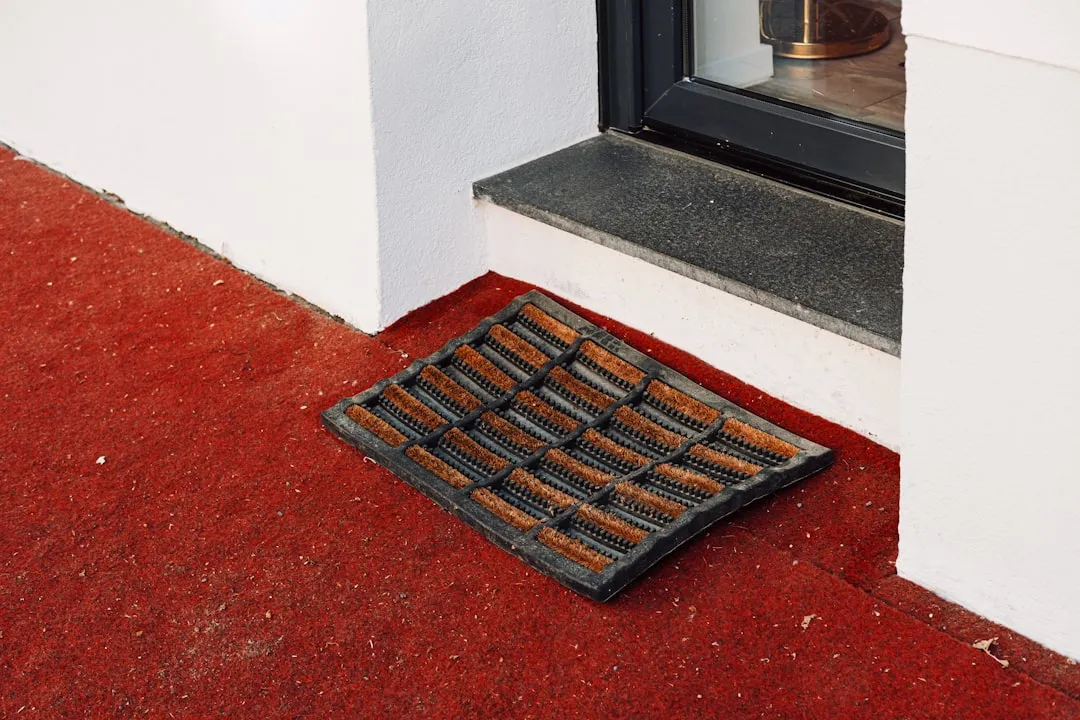
Entry mats are commonly placed outside doorways to remove dirt and debris from shoe soles before entry, but they are typically simple, carpeted, or moisture-absorbing surfaces that collect particulate dirt and debris. After continual use, these devices become embedded with dirt, dust, and debris that limit their usefulness when cleaning a user’s shoes. In other words, a heavily used doormat isn’t just passively sitting there. It’s accumulating everything it captures.
A standard fiber doormat can scrape off visible mud and loose grit quite effectively. What it can’t do is neutralize live bacteria. Experts at the University of Georgia Cooperative Extension recommend that an effective entry system should consist of a hard-surfaced walkway, a grate-like scraper mat outside the entry door, and a highly absorbent doormat just inside the door, suggesting that most households are working with an incomplete setup from the start.
C. Diff and MRSA Are Found on Shoe Soles Regularly
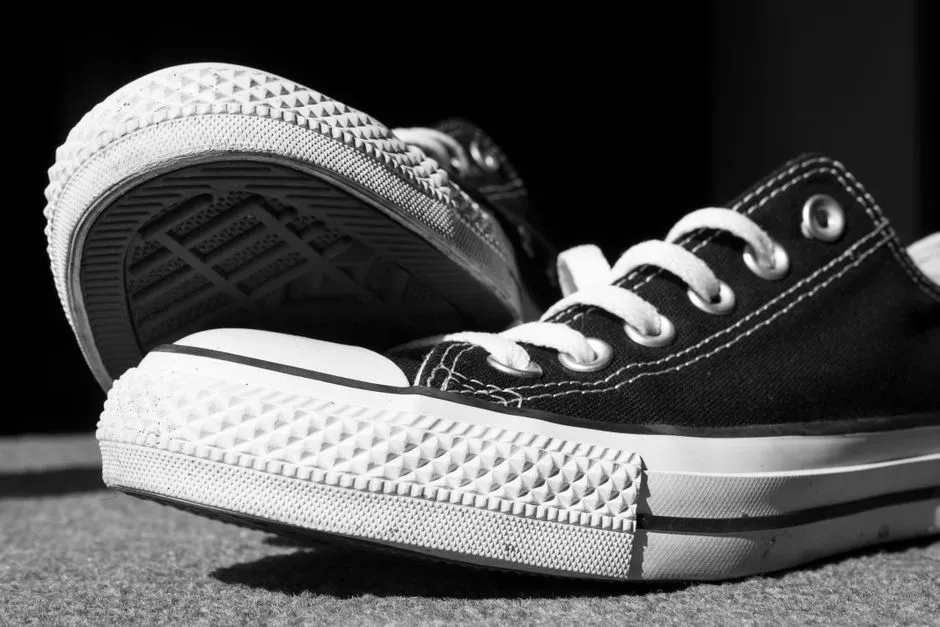
A study by researchers at the University of Houston found that more than 26 percent of shoes examined tested positive for C. difficile, a bacteria that causes a potentially deadly form of diarrhea. That’s more than triple the amount typically found in kitchens and bathrooms. C. diff is particularly difficult to eliminate because it forms spores that resist ordinary cleaning products.
Other studies have reported that Clostridium difficile and methicillin-resistant Staphylococcus aureus, known as MRSA, can also be found on the bottoms of shoes. Neither of these organisms belongs in a kitchen, but they arrive there routinely through the simple act of walking. Touching a surface infected by C. diff bacteria could lead to upset stomach and discomfort, and in its most extreme form it can cause life-threatening inflammation of the colon.
The Kitchen Floor Is a Genuine Microbial Hotspot
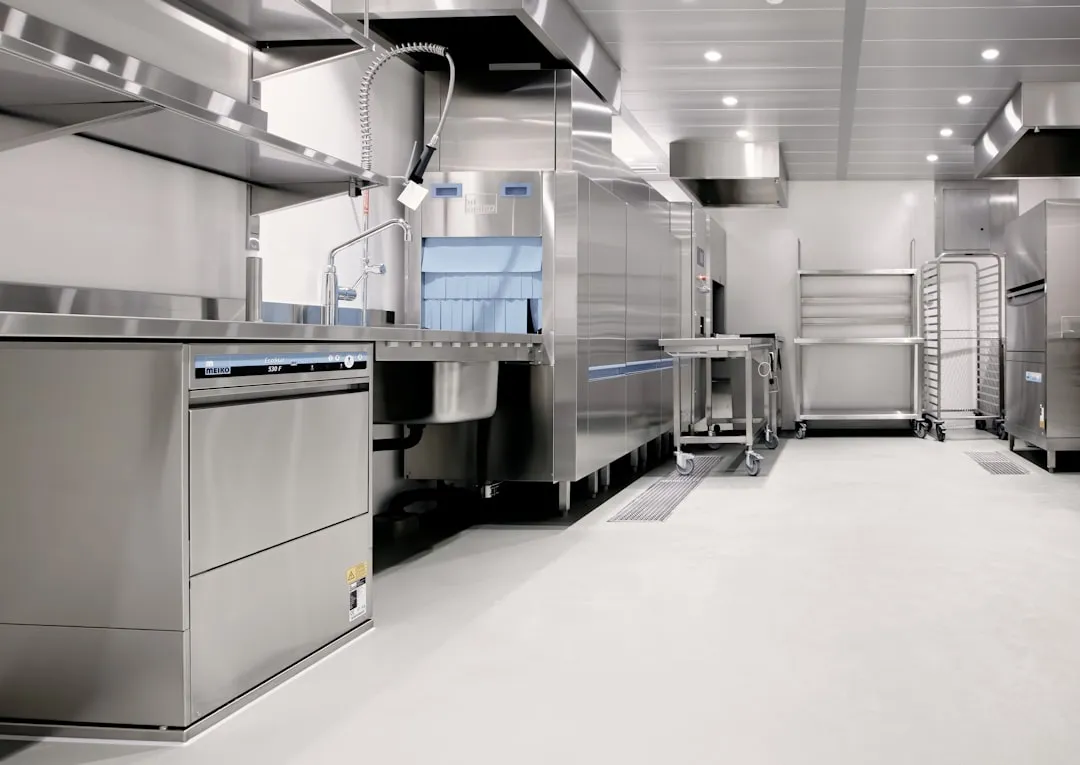
Food safety in the home kitchen has become a growing public health issue, due in part to poor personal and environmental hygiene practices. The floor itself doesn’t usually get the same attention as countertops or cutting boards, yet it’s the surface that receives the most direct input from outdoor footwear. Statistics suggest that kitchens and catering centers are among the most contaminated places compared to bathrooms and some toilet points or equipment used extensively, such as keys and cell phones.
Studies have shown that most shoes have millions of bacteria on them, and the germs tracked into a house can live on the floor for days or longer. If you touch the floor and then touch your face, the germs can get inside your body. In a kitchen, that risk multiplifies. Dropped food, crawling toddlers, bare feet, and cooking prep all create touchpoints between the floor and everything else.
Children Face the Highest Exposure Risk

Numerous studies confirm that the greatest number of environmental exposures and risks, especially for young children, occur inside the home. Young children spend a significant portion of their time on or near the floor, which puts them in direct contact with whatever the shoes have deposited. Bringing shoes indoors can transfer outdoor pollutants like pesticides, lead, and bacteria onto floors, and these contaminants may pose health risks especially for young children who play on the floor.
It’s not just bacteria, either. Household dust is made up of a variety of items, including insect fragments, lead dust, pesticides, pollen, dust mites, and animal dander, much of which arrives via footwear and settles on the kitchen floor. Wiping shoes on a conventional mat barely touches this problem.
How Bacteria Spreads from Floor to Food
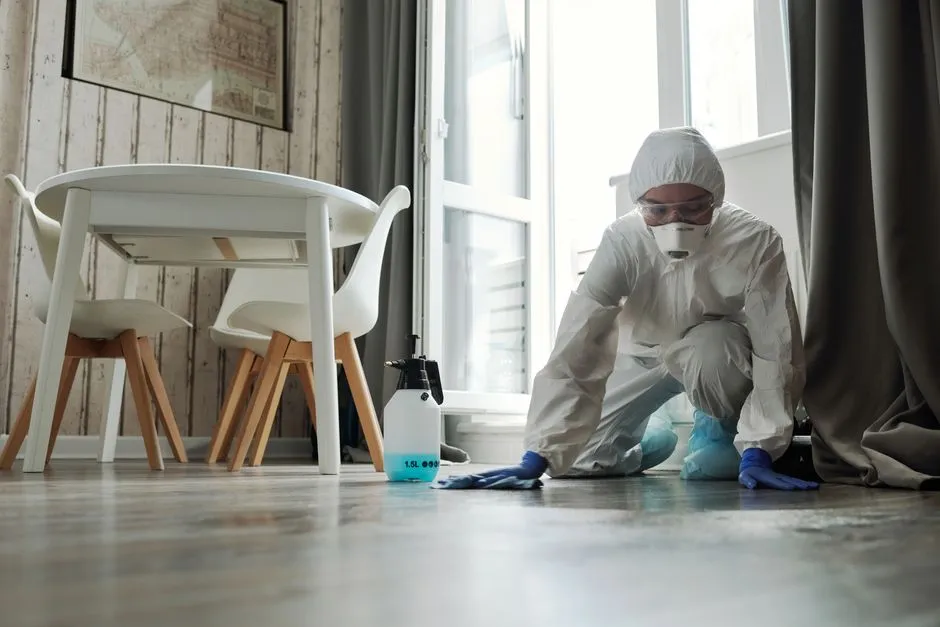
Research has found that most food contact surfaces, touch points, and kitchen supplies show high contamination with total aerobic bacterial count, coliforms, and Escherichia coli. The floor is one underappreciated source feeding this contamination cycle. A child picks something off the floor and hands it to a parent near the stove. A piece of food drops. A reusable bag sits on the floor before it reaches the counter. The routes are numerous.
Current evidence suggests that microbial hotspots in residential kitchens, including sinks, fridges, and cleaning tools, harbor complex ecosystems of bacteria, including antibiotic-resistant strains. The floor contributes to that ecosystem in a way that’s easy to overlook because it doesn’t look contaminated. That invisibility is the core of the problem.
The Doormat Itself Needs Cleaning Too
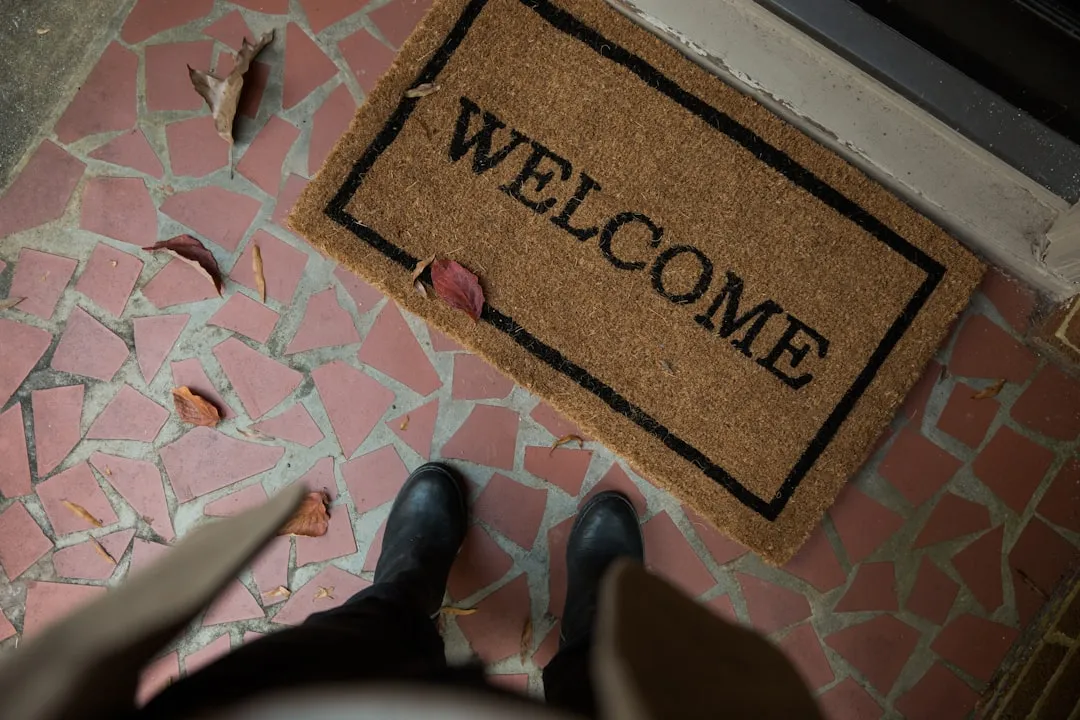
A doormat that never gets cleaned isn’t reducing your bacterial load. It’s storing it. After continual use, doormats become embedded with dirt, dust, and debris that limit their usefulness. A mat that’s been in service for months without cleaning can itself become a source of contamination rather than a barrier against it.
Fiber mats in particular can trap moisture, and moisture is exactly what bacteria need to survive and replicate. Towels and textiles with complex woven structures are susceptible to biofilm formation during daily use, and a densely woven fiber doormat presents much the same conditions. Cleaning the mat regularly, or choosing a hard, scrubbable material, makes a practical difference.
What Actually Reduces the Risk
Removing your shoes upon entry and using a good doormat can help reduce contaminants inside your home. But removing shoes is the more powerful of those two actions. The doormat alone handles visible debris. Removing shoes at the door stops the biological load at the threshold entirely, before it ever reaches the kitchen floor.
If you’re insistent on wearing shoes indoors, an antimicrobial doormat is a reasonable option. Some brands claim that wiping your shoes at least twice on the mat can trap and remove up to 90 percent of the debris from the bottom of your shoes. That said, no mat eliminates bacteria completely, and wiping behavior varies enormously from person to person. The easiest and likely the most reliable way to keep floors clean is to take shoes off when entering the house.
The Science Is Nuanced, but the Habit Still Matters
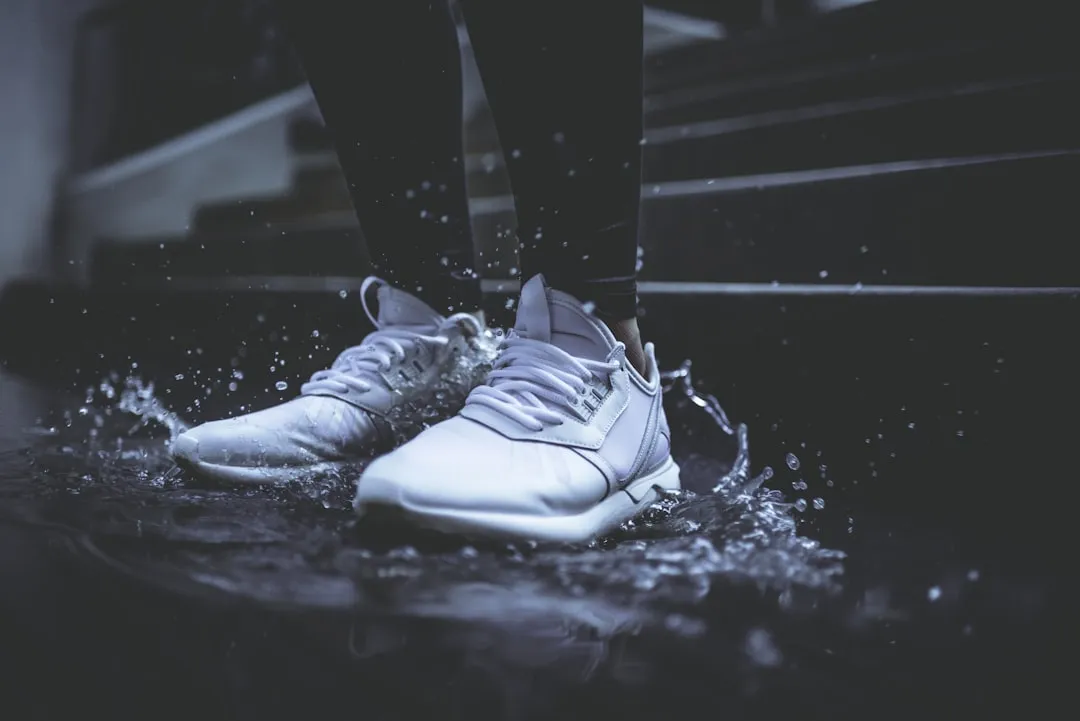
It’s worth being honest about the limits of the evidence here. There aren’t documented instances in the scientific literature of pathogens being transmitted from shoe soles to noses or mouths in high enough numbers to initiate infections, which is why public health recommendations don’t currently include sanitizing shoes. The risk is real but not absolute, and healthy adults with intact immune systems handle routine microbial exposure without incident most of the time.
Still, the cumulative picture is worth taking seriously. Anyone with asthma, other respiratory problems, or a weakened immune system should make every effort to reduce household dust and contaminants. For households with infants, elderly members, or immunocompromised individuals, the doormat-and-shoes question becomes considerably more meaningful than it might seem at first glance.
A Small Change With a Reasonable Payoff
The doormat habit is one of those ingrained behaviors that feels hygienic precisely because it involves a visible act of cleaning. Wipe your feet, the job is done. The science suggests the real work happens before the doormat, at the moment you decide whether those shoes come inside at all. Every step you take inside your home brings in the debris and contaminants that are on your shoes and clothing.
Most of the time, a well-maintained doormat combined with regular floor cleaning is enough to keep the kitchen reasonably safe. But if you’ve never thought about where those first few steps land, or when you last cleaned the mat itself, it’s a genuinely worthwhile moment of reflection. The bacteria aren’t waiting for an invitation. They’re just along for the walk.
AI Disclaimer: This article was created with the assistance of AI tools and reviewed by a human editor.