
Doorknobs Are Among the Dirtiest Objects in Your Home
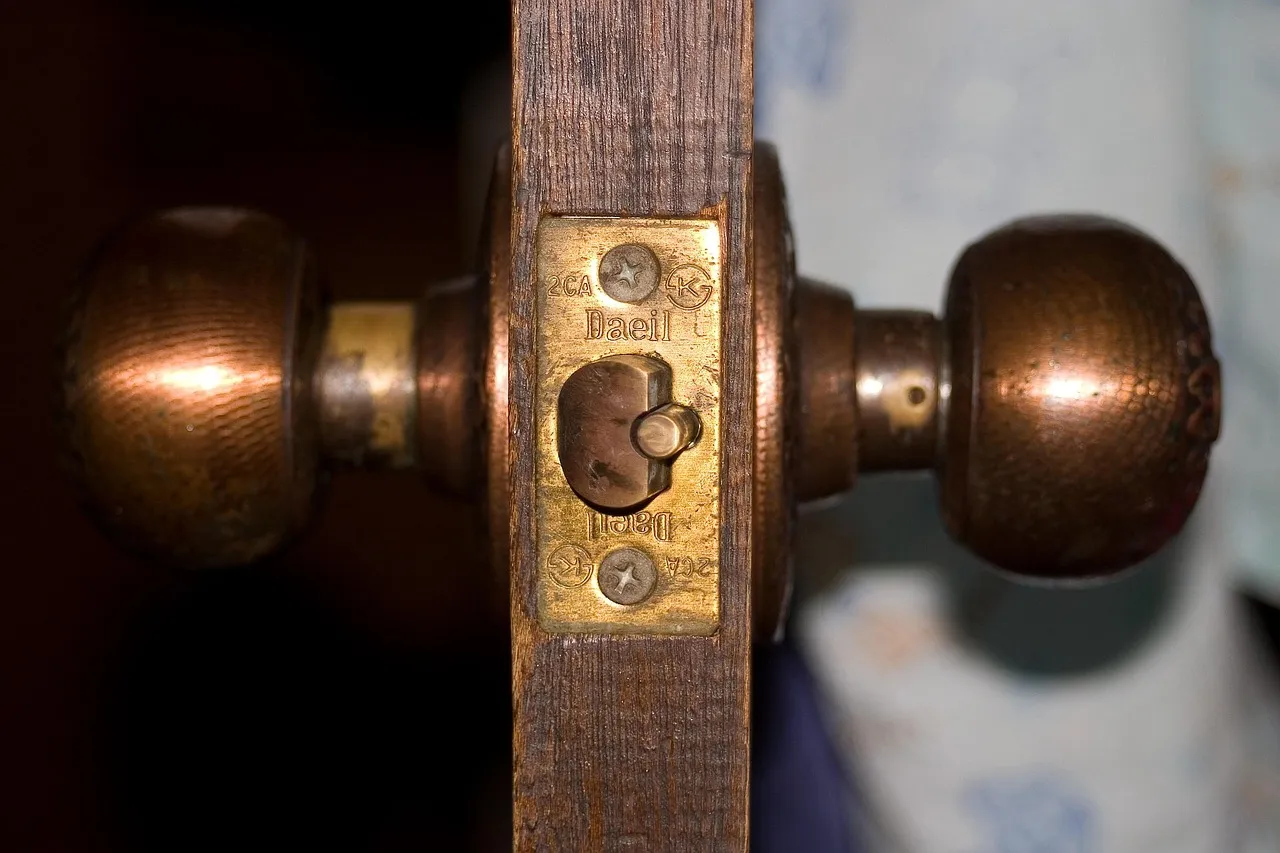
Doorknobs are one of the fastest ways viruses and bacteria spread, because everybody is touching them and they rarely get cleaned. They rank among the top five dirtiest objects in a home. Most people would guess it’s the toilet or the kitchen sponge. The doorknob quietly outpaces them on sheer contact frequency.
Whether you’re bringing germs from outside onto interior doorknobs or you’re preparing food and use the refrigerator handle without washing your hands, door handles of all kinds are hotbeds for all sorts of bacteria. The front door handle, the bathroom knob, the refrigerator pull – they all accumulate microbial traffic that most households never address.
A Single Contaminated Knob Can Spread Germs to Hundreds of Surfaces in Hours
Using tracer viruses, researchers found that contamination of just a single doorknob or tabletop results in the spread of viruses throughout office buildings, hotels, and health care facilities. Within two to four hours, the virus could be detected on forty to sixty percent of workers and visitors in the facilities and commonly touched objects.
University of Arizona researcher Charles Gerba, who presented findings at the 54th Interscience Conference on Antimicrobial Agents and Chemotherapy, noted that after placing a virus on a push plate in an office building of eighty people with three entrances, within four hours it ended up on over half the people’s hands and on over half the surfaces that people touched in that building. The same chain reaction plays out in homes, only with fewer people noticing it.
The Specific Habit That Accelerates Spread: Touching and Moving On
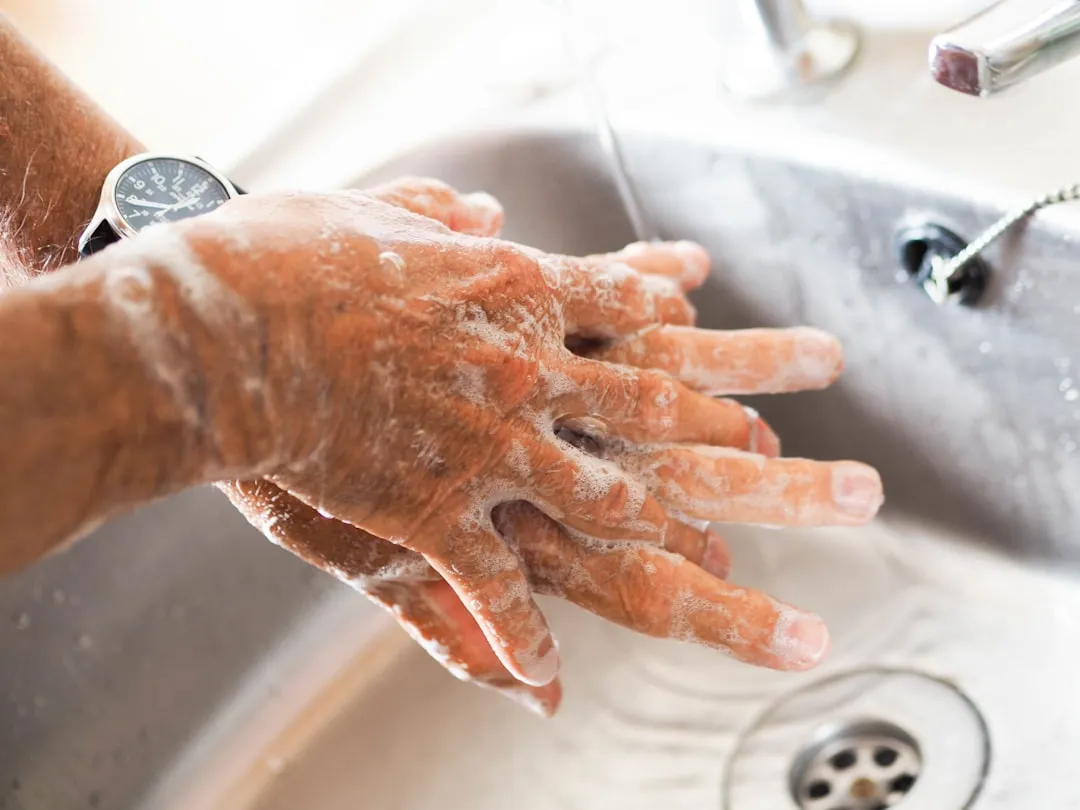
When individuals touch these surfaces, they can easily transfer pathogens to their hands. Subsequent contact with the face, mouth, or eyes can lead to the introduction of those pathogens into the body, increasing the risk of infection. This is the core of the problem. It isn’t the knob itself that makes you sick. It’s the unconscious chain of touch that follows.
Adults touch their faces roughly twenty-three times per hour, and considering the risk of infection associated with face touching, handwashing is a critically important personal hygiene habit. Touching a doorknob and then rubbing an eye or scratching a lip minutes later is so routine it doesn’t even feel like a decision. It happens on autopilot, which is precisely why it’s so hard to interrupt.
What’s Actually Living on Your Doorknob
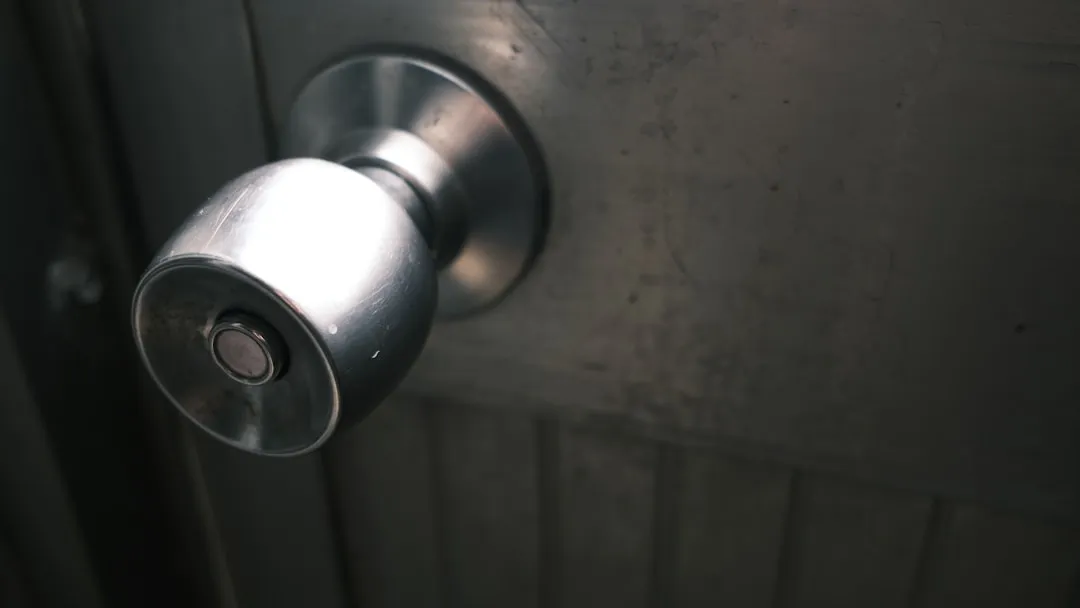
Studies have shown that door locks and knobs can harbor a variety of pathogens, including bacteria such as Staphylococcus aureus, Escherichia coli, and viruses like influenza and rhinovirus. These aren’t exotic threats. They’re the organisms behind everyday illnesses like stomach bugs, skin infections, and respiratory colds.
Compared with viral contamination, which was observed at a rate of roughly eighteen percent across studies, bacterial contamination was found at around six percent. The most predominant bacterial agent was Bacillus spp., followed by Acinetobacter baumannii, while the most prevalent virus detected was rotavirus. This 2025 systematic review, published in Environmental Health Insights and drawing on twenty-seven eligible studies, gives a clearer picture than most casual hygiene advice does.
How Long These Germs Actually Survive on a Knob
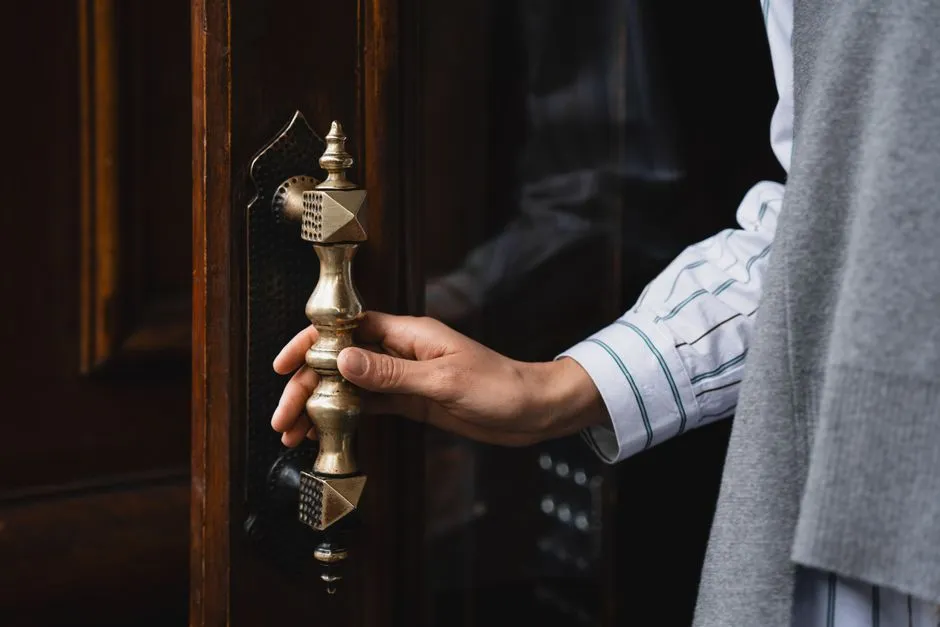
On a hard, non-porous surface like a door handle, most viruses are destroyed within twenty-four hours. The survival time for bacteria, however, is more variable. That window is wide enough for multiple household members to cycle through without the knob ever being cleaned.
Salmonella only lasts about four hours on such surfaces, but MRSA can last several weeks, and C. difficile has been found to survive for up to five months. The less alarming bugs tend to disappear faster. The tougher ones, unfortunately, are more patient. Temperature, humidity, and the material of the knob all play a role in exactly how long a pathogen stays viable.
The Bathroom Knob Is the Worst Offender in the House
Research found that toilet door handles had the highest bacterial load compared to office door handles and classrooms. In a home setting, the bathroom doorknob carries the same logic. It’s touched immediately after using the toilet, often before thorough handwashing, and then touched again on the way out.
It is common knowledge that handwashing can prevent the transfer of germs from being transferred to a bathroom fixture such as a doorknob when leaving a bathroom, yet many individuals do not wash their hands, and the germs encountered in a bathroom can be transferred from an unwashed hand to a doorknob leading out. This isn’t a rare edge case. It’s a pattern that plays out in most households every single day, often multiple times.
Bacteria Can Multiply While Sitting on the Surface
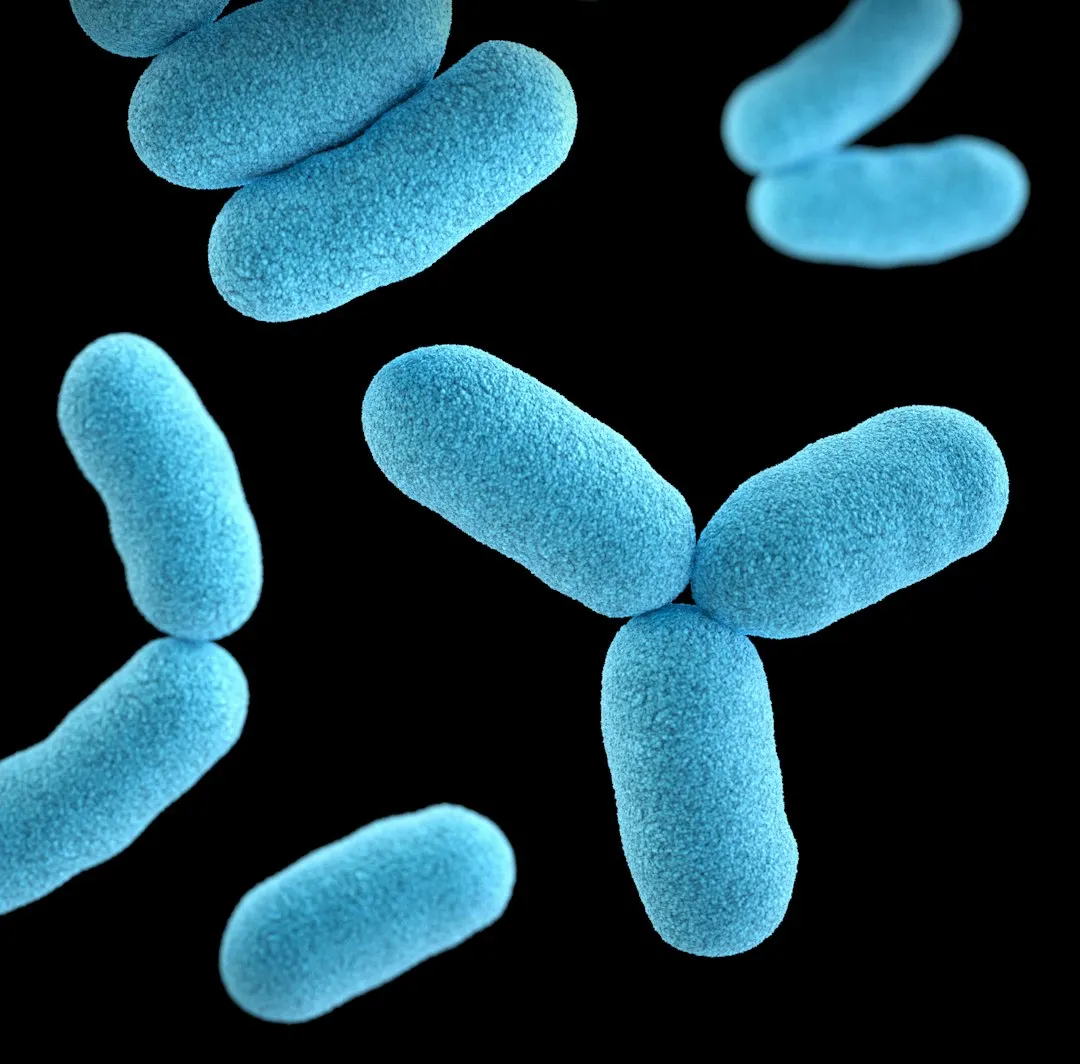
Bacteria doubles every twenty minutes. This detail tends to get lost in general hygiene conversations, but it’s significant. A light contamination on a doorknob touched in the morning can be a much denser colony by mid-afternoon if conditions are right.
Bacterial cross-contamination is mostly reported to be high in door handles which are never cleaned with cleaning agents or never cleaned at all. A study conducted in Japan described the survival of bacteria under dry conditions, with mycobacterium species detected more than two months after inoculation, since most gram-positive and gram-negative bacteria can survive for weeks to months under dry conditions. Most household doorknobs meet that description almost perfectly: dry, hard, rarely disinfected.
Regular Cleaning Helps, but It Doesn’t Eliminate the Risk Entirely
A recent study showed that it is possible to reduce bacteria on door handles when they are regularly cleaned. Even with regular cleaning, bacteria were detected on more than twenty percent of handles. That’s a meaningful reduction, not a total solution. The habit of cleaning is worth building, with the understanding that zero contamination isn’t a realistic target.
Most disinfectants require thirty seconds to five minutes of contact time to be effective, which many people skip when wiping surfaces quickly. In homes, experts recommend disinfecting door handles once a day, especially in high-traffic areas like kitchens and bathrooms. A quick swipe with a dry cloth doesn’t count. The disinfectant needs time to actually work.
Vulnerable Household Members Face a Higher Risk
Children often touch surfaces and put their hands in their mouths, making them more vulnerable to germs. Seniors, especially those with weakened immune systems, are also at higher risk of infections. Disinfecting door handles in homes, schools, and healthcare facilities is crucial in protecting these vulnerable groups.
According to some estimates, people in industrialized nations spend as much as ninety percent of their time indoors. That means people are constantly touching and retouching surfaces, producing fomites in homes, workplaces, healthcare facilities, and schools. For the very young and the elderly sharing a home, that repeated contact with shared surfaces like doorknobs creates a cumulative exposure risk that adds up over weeks and months.
The Most Effective Way to Break the Chain
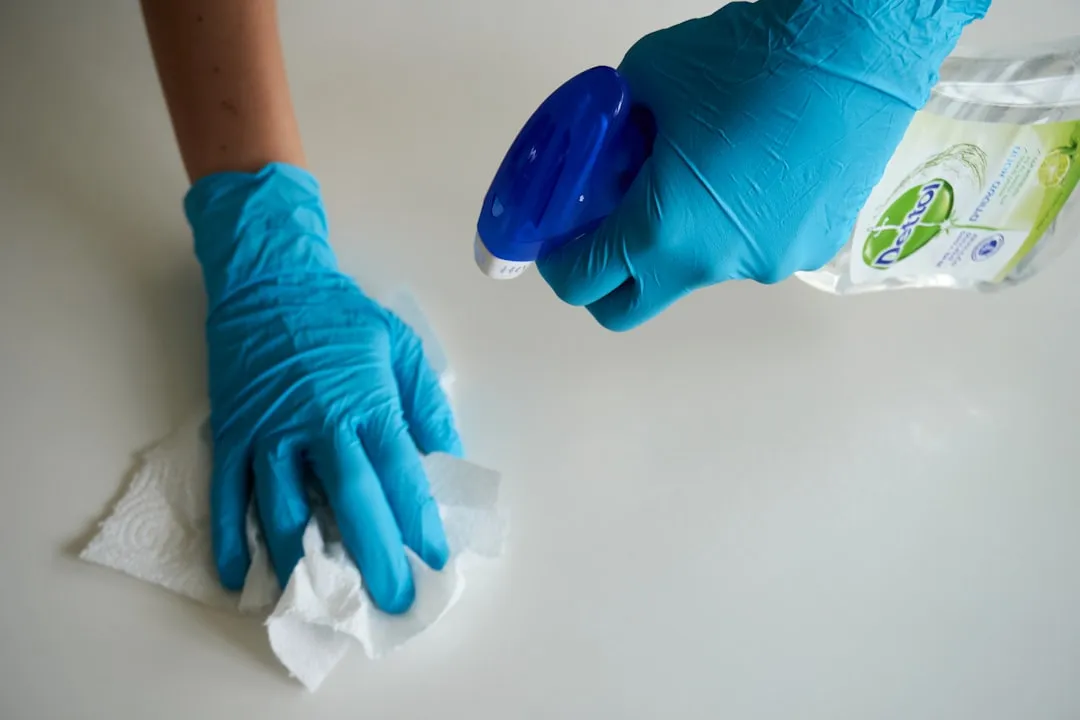
Researchers found that within two to four hours, a virus applied to a doorknob had been picked up by forty to sixty percent of workers and visitors in test facilities and could be detected on many commonly touched objects. The good news from the same research is that the intervention was simple and effective.
Using disinfecting wipes containing quaternary ammonium compounds registered by the EPA as effective against viruses such as norovirus and flu, along with hand hygiene, reduced virus spread by eighty to ninety-nine percent. That’s a dramatic reduction achieved with accessible, inexpensive products. Medical professionals stress washing hands frequently with soap and water for at least twenty seconds, especially after touching potentially contaminated surfaces, and using hand sanitizer containing at least sixty percent alcohol when soap and water are not readily available. The habit change required is small. The impact, across a household, is not.
Final Thoughts
The doorknob habit isn’t one dramatic mistake. It’s dozens of small, invisible ones repeated throughout every day in every home. The fix isn’t complicated or expensive. It’s mostly about awareness, because once you understand what’s actually happening at that small piece of metal every time someone’s hand wraps around it, the idea of treating it like any other frequently touched surface becomes much easier to act on.
Germs have always been opportunistic. They don’t need drama to spread effectively. They just need a surface nobody’s thinking about, and a hand that goes straight to a face. The doorknob has been quietly filling that role for a long time.
AI Disclaimer: This article was created with the assistance of AI tools and reviewed by a human editor.