
Doorbell cameras have become one of the most common additions to the modern home. Walk down almost any residential street in America today and you’ll spot them mounted beside front doors, blinking quietly, recording everything. The sense of security they offer feels real and immediate.
The problem is that this very sense of security has become one of the most exploited vulnerabilities in the home. Scammers, hackers, and unscrupulous sellers have found ways to turn your doorbell camera from a protective device into an open door. Here’s what’s actually happening, and what you need to know about it.
How Widespread Doorbell Cameras Have Become
Roughly 61 percent of U.S. households now have at least one security camera, up from 52 percent in 2024, and today about 74.9 million homes have indoor or outdoor cameras. Some 58.9 million Americans own video doorbells like those manufactured by Ring. That’s a massive installed base, and it tells you something important: wherever large numbers of consumers concentrate around a single technology, scammers follow close behind.
Security cameras and video doorbells are, according to survey data, the two most popular home security measures in the country. In response to experiencing a security issue, roughly half of homeowners invested in a home security system. The demand is real, the fear driving it is real, and unfortunately the exploitation of that fear is just as real.
The Cheap Camera Trap: Off-Brand Devices With Gaping Holes
Video doorbells sold on Amazon, Walmart, Sears, and other online retailers have serious security flaws, a Consumer Reports investigation found. Researchers examined cameras sold under multiple brand names, including Fishbot, Rakeblue, Andoe, Gemee, and Luckwolf, all produced by the Chinese company Eken Group. These aren’t obscure products tucked in dark corners of the internet.
The doorbells appeared in multiple listings on Amazon, and those listings generated more than 4,200 sales in January 2024 alone. They were also found for sale at Walmart, Sears, Shein, and Temu. Many buyers assumed they were getting a functional, safe product at a good price. They were not.
How Someone Can Hijack Your Camera Without Touching It
Researchers found that bad actors can create an account on the video doorbell app and gain access to a nearby doorbell camera simply by pairing it with another device. That gives them the ability to view footage, access photos, and even lock the legitimate owner out of the device. It doesn’t require sophisticated hacking skills or expensive equipment.
Consumer Reports found multiple reasons these cameras are flawed, including that the network name for your home internet protocol and Wi-Fi could be exposed to the internet without encryption, potentially opening your network to malicious activity. Among the documented dangers, someone with knowledge of where you live can monitor your comings and goings. Hackers can also grab still images remotely from the camera’s video feed. The device meant to keep threats out can quietly invite them in.
The FCC Registration Problem Nobody Talks About
On top of the security vulnerabilities, Consumer Reports testers noticed that these doorbells lacked FCC identifiers that are supposed to be visible to consumers. These codes let you look up a product in an FCC database to confirm it has been tested to safety standards. No code means no accountability, no paper trail, and no easy way for a buyer to verify what they’re actually getting.
Consumer Reports stated that these doorbells did not have the required ID issued by the Federal Communications Commission, effectively making them illegal for sale in the U.S. In November 2024, the FCC proposed a fine of $734,872 against Eken, in an action stemming directly from Consumer Reports’ reporting on the company. A fine was proposed, but the cameras had already reached tens of thousands of homes.
The Brand Confusion Scam: Many Names, One Dangerous App
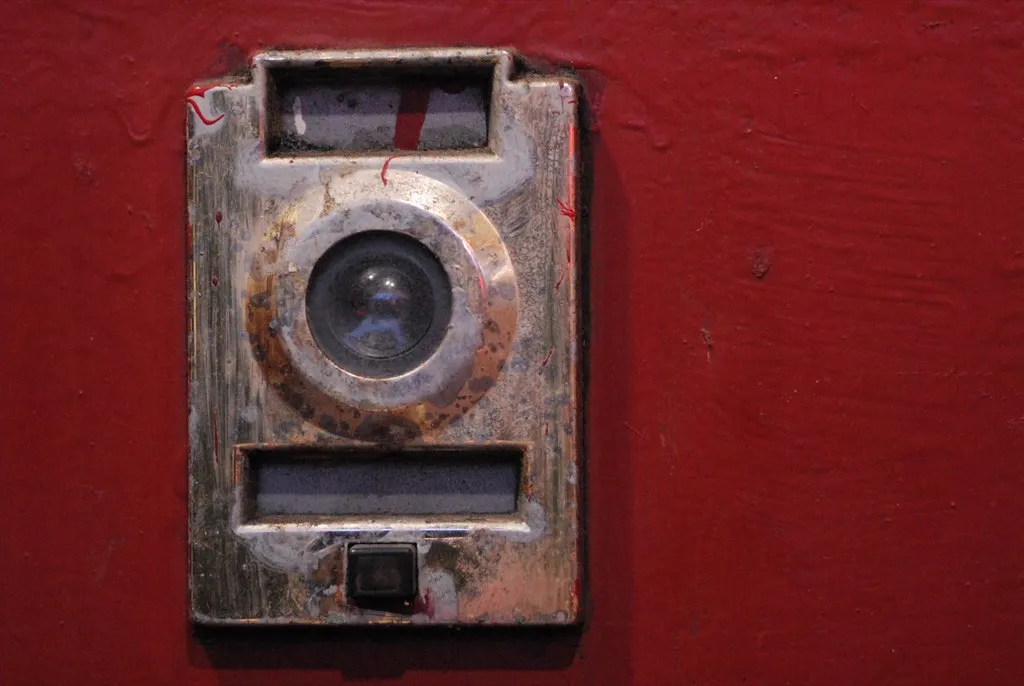
The Fishbot doorbell camera is just one of many sold under various brand names that all use the same mobile app, called Aiwit. Their vulnerabilities could make it easy for hackers to spy on you. The variety of names is not accidental. It makes the product harder to track, harder to warn consumers about, and harder to pull from multiple platforms simultaneously.
The large variety of brands, devices, versions, and sellers can make it extremely hard for buyers to find safe, reliable products. This is by design. When a warning goes out about one brand name, the same hardware simply continues to sell under a different label. A Consumer Reports investigation identified at least ten different doorbell brands owned by Eken Group Ltd. across Amazon, Walmart, Shein, and Sears, all sharing the same underlying security flaws.
The Door-to-Door Installation Scam

A rise in door-to-door scams involving security systems has left many homeowners paying an unfortunately expensive bill. With more people reporting losses of $12.5 billion to fraud in 2024 and a large share of the population receiving digital scam attempts, fraudsters are increasingly turning to traditional door-to-door tactics to exploit homeowners’ security concerns.
As smart home technology becomes more popular, scammers have adapted their tactics, claiming they can integrate existing smart devices like Ring doorbells or Nest cameras with their “advanced” security systems, while instead compromising existing devices or stealing smart home login credentials. The sales pitch sounds technical and reassuring. The outcome is the opposite. These salespeople often use high-pressure tactics and want you to make a purchase or sign a contract on the spot.
The Phishing Email Scam Disguised as Your Camera Brand

In one widely reported phishing attack, cybercriminals send emails spoofed as the Ring brand. The email typically contains an HTML file attachment and instructs the recipient to open the file to update their Ring membership. It looks official. It uses the right logos and tone. Most people don’t think twice before clicking.
Fraudsters may also claim your current smart security devices are vulnerable to hackers and need immediate security patches that only they can provide. This specific tactic is effective because it plays on the real, documented truth that many smart home devices do have vulnerabilities. The manufactured urgency makes it harder to pause and verify. If an email or phone call tells you your camera needs a patch immediately, treat that as a warning sign, not a service prompt.
The False Sense of Security: When the Camera Doesn’t Deter Crime
A 2023 analysis from MIT Media Lab found no strong evidence that doorbell cameras reduced property crime across Los Angeles. Correlation is common, but clear deterrence is harder to prove. That finding matters, because one of the biggest scams isn’t purely financial. It’s the sale of peace of mind that may not be fully warranted.
Among package theft victims, more than one in five already had a doorbell camera when the theft occurred. There is approximately a one-in-seventeen chance that law enforcement will catch a reported package thief. Research using doorbell camera footage found that these devices do not significantly deter package theft. Buying a cheap, insecure camera because you want protection, and then being both surveilled by hackers and robbed anyway, is a particularly costly outcome.
What Happened With Ring and the FTC
The FTC found that Ring’s poor privacy and lax security let employees spy on customers through their cameras, including those in their bedrooms or bathrooms, and made customers’ videos, including videos of children, vulnerable to online attackers. Hackers exploited those vulnerabilities and harassed, insulted, and propositioned children and teens through their Ring cameras. Some hackers even live-streamed customers’ videos. This was not a fringe off-brand product. Ring is the dominant name in the category.
The Ring case is a reminder that even well-known brands carry risks when security practices fall short. Issues with surveillance systems like cameras and doorbells continue to make headlines, stoking security and privacy concerns, while little repercussion exists for the companies responsible for keeping customers safe. Regulatory action has been slow, and the burden of protection has largely fallen on the consumer.
How to Actually Protect Yourself
Consumer Reports is not telling people to avoid video doorbell cameras altogether, but it is advising potential buyers to consider products from prominent brands such as Logitech, Nest, Ring, and SimpliSafe that have better security track records. Choosing a recognizable brand with a transparent security history is still the most practical first step. If you own one of the flagged off-brand video doorbells, Consumer Reports advises disconnecting it from your Wi-Fi, removing it, and replacing it with a camera with better security.
Checking for FCC identifiers before purchasing is a concrete way to verify basic compliance. These codes allow you to look up a product in an FCC database to confirm it has been tested to safety standards. The FTC also gives you three business days to cancel a deal if you signed a contract anywhere other than the seller’s permanent place of business. In other words, if a door-to-door salesperson pressured you into a new contract, you have 72 hours to act. Use that window if you need it.
The Bigger Picture Worth Keeping in Mind
There’s a quiet irony running through all of this. As of 2024 and 2025, smart doorbells are in more than one third of American homes, making them the most common package-protection device in the country. Millions of people installed them specifically to feel more secure. Scammers saw that, and moved in.
The doorbell camera scam isn’t one single scheme. It’s a category of exploitation built around the assumption that a device exists for your protection and therefore deserves your trust. That assumption is exactly what makes it so effective. There are many scam artists who prey on the insecurities and fears of homeowners, particularly young families and the elderly. The most durable protection is the same as it’s always been: a degree of skepticism, a habit of verifying, and a willingness to slow down before clicking, signing, or opening your door.
AI Disclaimer: This article was created with the assistance of AI tools and reviewed by a human editor.