
The Pitch at the Door
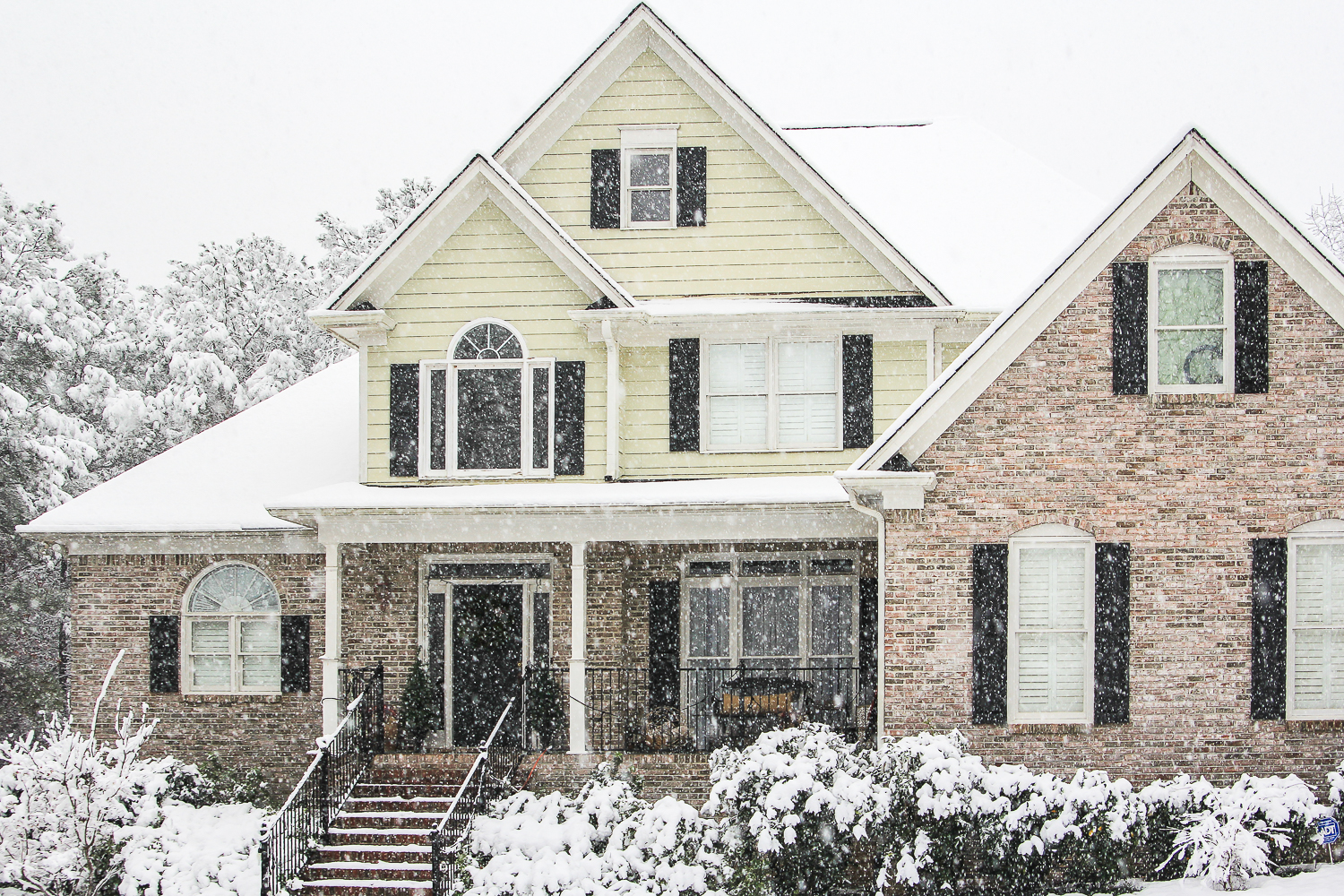
Scammers go door-to-door advertising highly affordable services, offering deals that seem too good to ignore, such as twice-a-week snow removal from now until the snow stops, with only half the payment required upfront and a contract to sign on the spot. The timing is almost always deliberate. These visits happen right before or immediately after a major snowfall, when anxiety is high and the desire to solve the problem fast overrides caution.
Representatives actually show up at your door with an apparently legitimate contract in hand, giving you no time to hesitate, ask questions, or verify the contact information, using hard-sell tactics to get you to sign and hand over your money. That pressure is not accidental. It is the mechanism.
Who Gets Targeted Most

Scammers are targeting seniors with fraudulent snow plow contracts, leaving them with uncleared driveways and significant financial loss. Seniors are a natural target for these schemes. They are more likely to need physical help with snow removal, more likely to be home during the day when salespeople knock, and sometimes less accustomed to the pressure tactics common in door-to-door solicitation.
In Troy, Michigan, one senior signed a contract in October with a local snow removal company, paying nearly $200, but the crew failed to show despite significant snowfall throughout the season. Multiply that by the dozens of similar cases documented in any given winter, and the scope of the problem becomes clear.
The Contract That Means Nothing
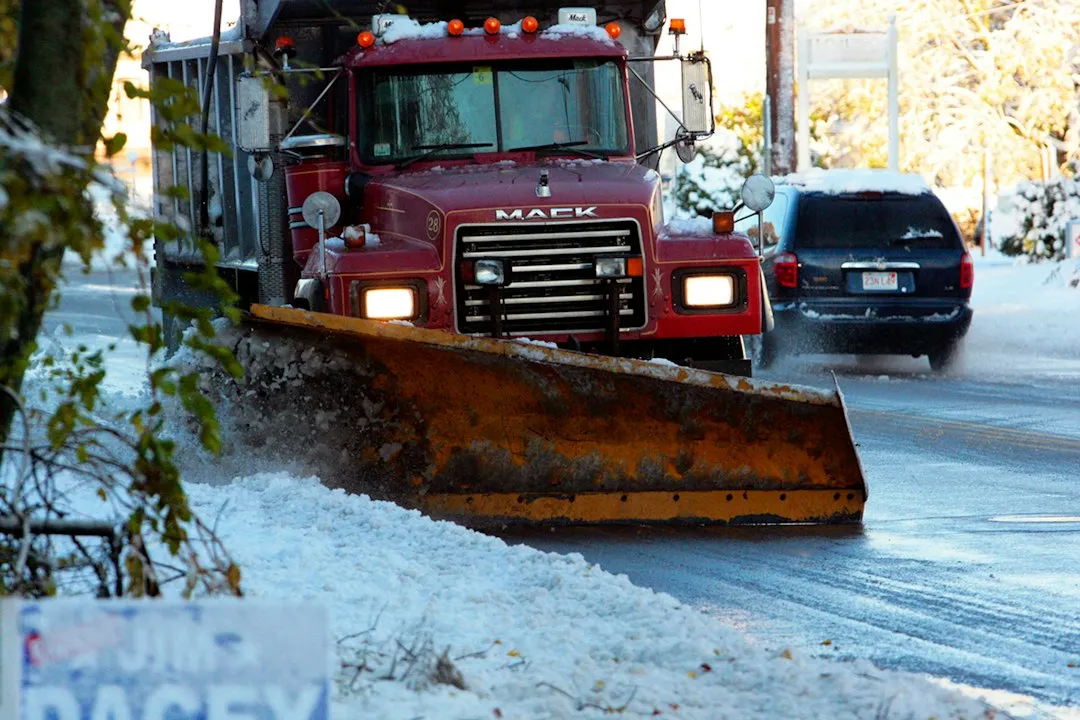
In these scams, a con artist takes payment for a whole season of snow removal and then never returns. The contract that seemed so official at the front door turns out to be unenforceable in practice, because the company either vanishes or simply stops responding. Paper means nothing if you cannot locate the person who signed it.
When a complaint is laid with the Better Business Bureau or the police, it is often found the company no longer exists. Some operators dissolve their business or operate under a different name the following season. It is a rotation that is difficult for local authorities to track across a single winter.
How the Money Disappears
In one documented case out of Utah, a representative collected cash payments directly, then hired a subcontractor to fulfill the work. The subcontractor completed the snow removal but never received payment from the contracting company, while other victims reported never receiving snow removal services at all after making cash payments.
BBB investigators say scam services will solicit door to door and get people to pay for a snow plow or snow removal service up front, then take that money and run. Cash is the preferred currency here precisely because it leaves no trail and creates no chargebacks. If you paid in cash, recovering any of it is nearly impossible.
When the Complaint Pile Grows
Dozens of complaints against one snow removal company were filed with the Better Business Bureau, the Canadian Anti-Fraud Centre, and on classified listing sites, with CBC News speaking to multiple individuals who said they hired the company but received little or no service. The pattern in documented cases tends to be the same: a company signs up many customers at the start of a season, delivers minimal service in the early weeks, then effectively shuts down mid-winter when the workload becomes too large or the money too thin.
In one case, when the Better Business Bureau reached out to the snow removal company after receiving multiple complaints, the owner said they were filing for bankruptcy. That kind of response essentially ends the conversation for most consumers, leaving them with no recourse and no plowed driveway.
Hidden Contract Clauses That Bite Later

Even contracts that appear legitimate can include buried limits, such as a cap on the total volume of snow removal, which customers only discover mid-season when the limit is reached and service stops. One company in Sault Ste. Marie, Ontario included a 400 centimeter snowfall cap in its contracts, a clause that activated during an unusually heavy winter, leaving paying customers stranded.
Caps on snowfall volume, response time exclusions, and vague trigger clauses for “extraordinary weather” are all real features found in some seasonal contracts. If you do not read the fine print before you sign, the contract is working against you rather than for you.
Your Legal Right to Cancel
The FTC Cooling-Off Rule provides that it is unfair and deceptive for sellers engaged in door-to-door sales valued at more than $25 to fail to provide consumers with disclosures regarding their right to cancel the sales contract within three business days of the transaction. This right applies specifically to sales made at your home, which includes snow removal contracts signed at the front door.
Under the FTC Cooling-Off Rule, the seller must inform customers about their cancellation rights at the time of the sale, and is obligated to provide customers with two copies of a cancellation form. The consumer does not have to give a reason for canceling the purchase. If a salesperson at your door fails to provide those forms and that disclosure, that omission itself may be a violation worth reporting.
What Authorities and Consumer Groups Warn You to Do

Consumer advocates advise never signing a contract or handing over a deposit on the day a stranger knocks, noting that real local contractors will gladly wait three days while storm chasers cannot afford to. That three-day test is one of the clearest signals you can use in the moment.
Authorities advise getting a signed contract that includes the name, address, and telephone number of the snow removal operator, asking to see the contractor’s driver’s license and copying down the identification number, and writing down the license plate number of the vehicle that plows your driveway. Industry best practice also includes staggered payments using post-dated checks, being given time to make a decision, and receiving a detailed contract in writing before any work begins.
How to Spot a Legitimate Operation
Before committing to any snow removal contractor, verify five things: state contractor license, BBB Scam Tracker history, five or more years of local Google reviews, active liability and workers’ compensation insurance, and three customer references in your area. These are not bureaucratic hurdles. Each one closes a door that a scammer would otherwise walk through.
Make sure the contractor is licensed and insured, that you are aware of which services are included, and that you are clear on timelines for completion, overall cost, and any additional fees, since some charge a flat rate, some charge hourly, and some combine both, so it is best to confirm all those details in writing. A contractor who resists putting any of this in writing is telling you something important.
Where to Report and Seek Help

New Yorkers can report concerns with snow removal contractors or price gouging to the Office of the Attorney General by filing a complaint online or calling the dedicated consumer hotline. Similar complaint channels exist in most states and Canadian provinces, including provincial consumer protection agencies and local police non-emergency lines when fraud is suspected.
If you think you have encountered an illegitimate business, the Competition Bureau of Canada accepts consumer complaint reports as well. The Better Business Bureau also recommends checking contractor records on their website before making any commitment, as it remains one of the fastest ways to surface a pattern of prior complaints. Filing a complaint even after the fact matters, because it creates the paper trail that protects the next person who hears a knock at the door before a snowstorm.
The Takeaway
Snow removal fraud is not a new problem, but it tends to be a poorly remembered one. Each winter brings a fresh wave of homeowners who sign contracts under time pressure, hand over cash or a check, and spend the season shoveling their own driveways while waiting for a crew that was never coming.
The simplest protection is also the most inconvenient one: slow down when someone rushes you. A trustworthy contractor does not need your signature before the first snowflake falls. The ones who do usually have somewhere else to be by morning.
AI Disclaimer: This article was created with the assistance of AI tools and reviewed by a human editor.